
Anyone who has spent time behind a host stand, bar, or kitchen line knows that customer service comes with a steady stream of small requests that seem harmless on the surface but add up to real headaches during a busy shift. Restaurant workers rarely complain out loud, mostly because their livelihood depends on staying polite no matter what. Still, conversations among servers, bartenders, and cooks reveal a consistent list of asks that quietly frustrate the people trying to keep a dining room running smoothly.
None of this is about shaming diners for having preferences. It is more about understanding the ripple effects certain requests create in a kitchen or on a floor that is often understaffed and moving fast. Here are nine of the most common ones that restaurant employees say they wish would just fade away.
1. Separate Checks After the Meal Is Already Ordered
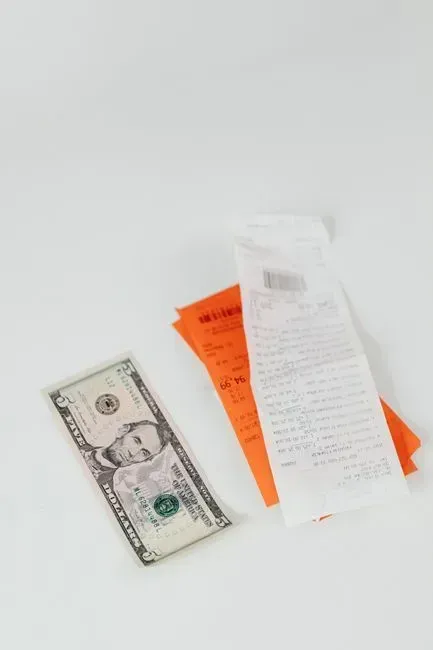
Splitting a bill sounds simple from the customer side, but doing it after food has already been ordered as one ticket creates a logistical mess for servers. Point of sale systems are built around itemized entry at the time of ordering, so retroactively dividing appetizers, shared plates, and drinks among six different cards means manually reassigning items while other tables are waiting for attention. It is not that servers mind splitting checks in general, it is the timing that turns a two minute task into a ten minute one.
Large groups who wait until the end of the meal to ask for five or six separate checks often do not realize how much this slows down table turnover during peak hours. Many restaurants now post policies asking guests to decide on split billing before ordering, precisely because the back end accounting becomes far more complicated later. A little planning at the start of the meal saves everyone a headache at the end of it.
2. Substantial Recipe Modifications on Busy Nights
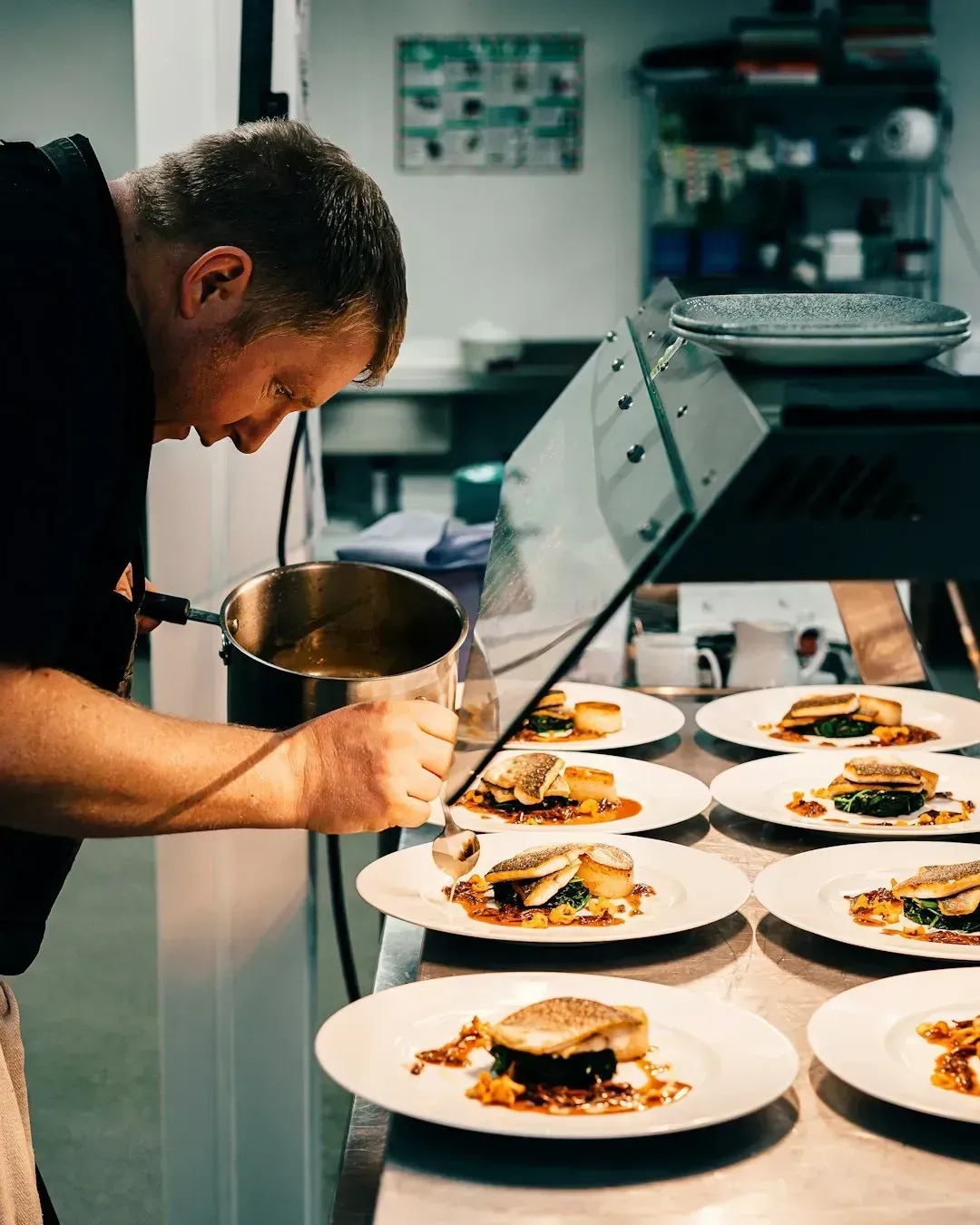
A reasonable substitution, like swapping fries for a salad, is rarely an issue. The trouble starts when a dish requires deconstructing and rebuilding from scratch, with half the sauce removed, a different protein swapped in, and a side that is not normally offered with that entree. Kitchens operate on a rhythm built around standardized recipes, and heavy customization during a rush disrupts that rhythm for every other ticket in the queue.
Line cooks have described how one heavily modified order can slow down an entire station because it requires stepping outside the usual prep flow. This is especially true in kitchens that rely on pre-portioned ingredients to keep pace during dinner rush. Modest tweaks are almost always fine, but asking a kitchen to essentially invent a new dish on a Friday night is where patience wears thin.
3. Free Refills on Items That Were Never Free
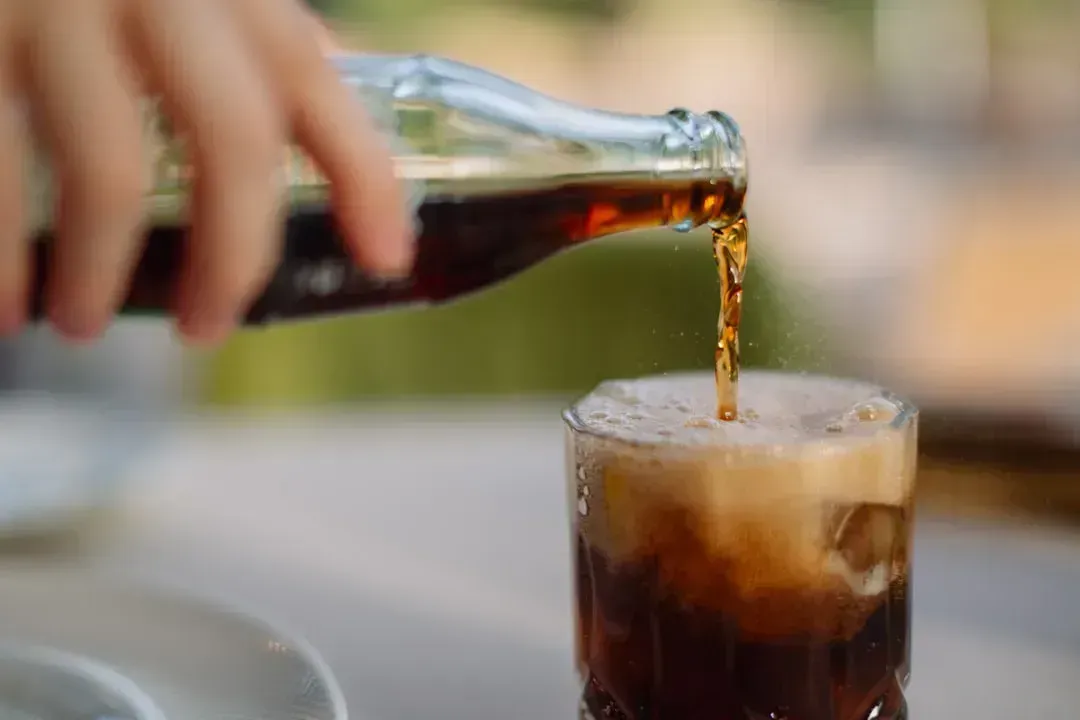
Soda and coffee refills are often complimentary, but many customers assume the same applies to items like fresh squeezed juice, specialty lemonade, or bottled beverages, which typically carry a real per unit cost for the restaurant. Servers frequently have to explain, sometimes more than once per shift, why a five dollar juice does not come with the same refill policy as a fountain drink. It is an awkward conversation that nobody particularly enjoys having.
The confusion often stems from restaurants not always making beverage policies clear on the menu itself. Staff members have said they wish menus would spell out refill policies explicitly next to each drink, since it removes the need for an uncomfortable back and forth at the table. Until that becomes standard practice, the burden falls on servers to deliver news that customers do not want to hear.
4. Extra Sauce or Dressing Without Understanding Portion Costs
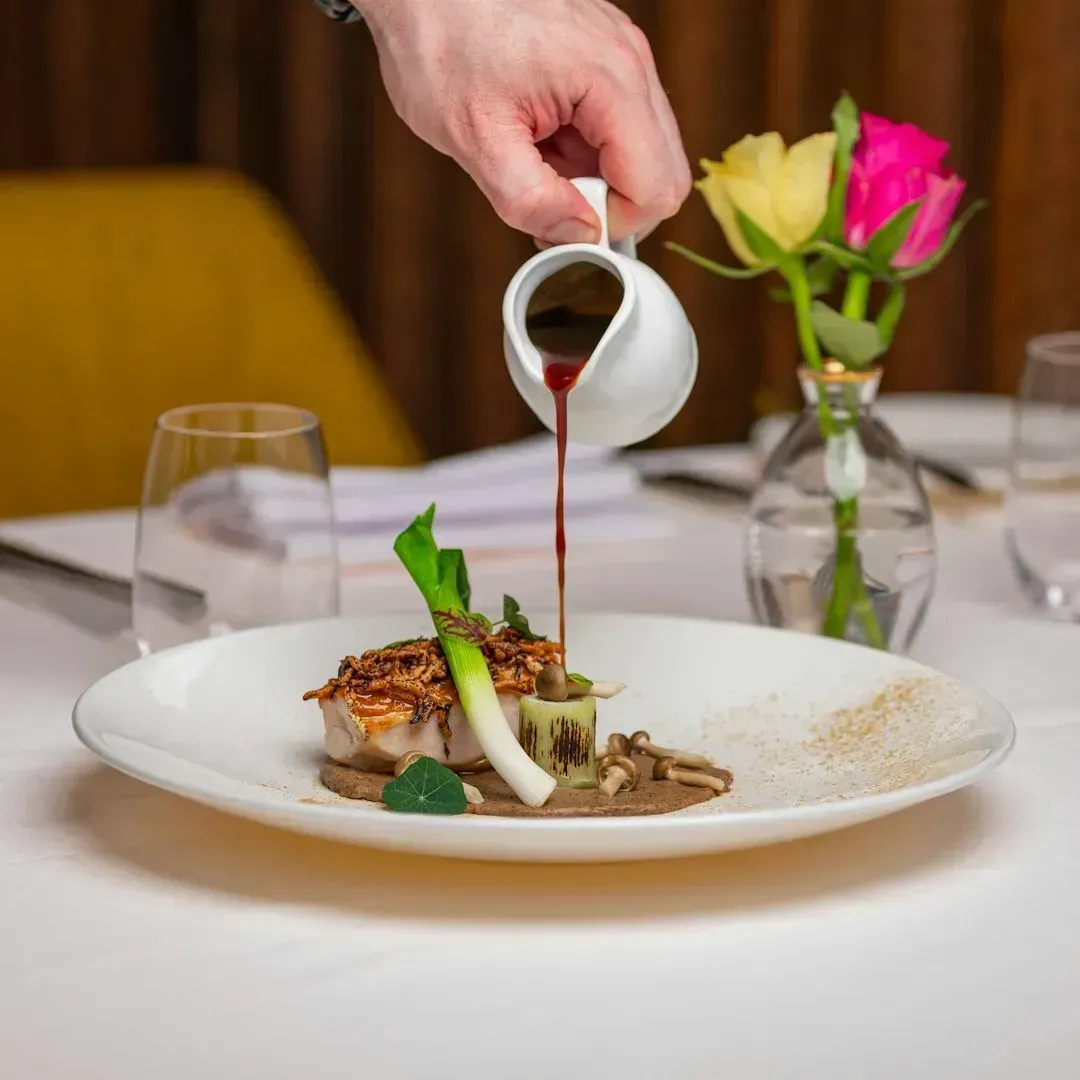
Asking for extra sauce, dressing, or cheese seems like a tiny request, yet these add-ons often come from limited inventory that is portioned out carefully to control food costs. Items like guacamole, specialty aiolis, or imported cheeses can be expensive per ounce, and many restaurants operate on notoriously thin profit margins, frequently in the single digits. When extra portions are requested for free on every table, it chips away at margins that are already tight industry wide.
Restaurant employees have noted that most are happy to accommodate reasonable requests, but a a table asking for triple the normal amount of an expensive condiment at no charge puts them in an uncomfortable position. Charging a small upcharge is usually the compromise, though it does not always land well with customers who expect it to be free. It is less about stinginess and more about basic math that keeps a restaurant solvent.
5. Menu Items Prepared Exactly Like a Photo Online
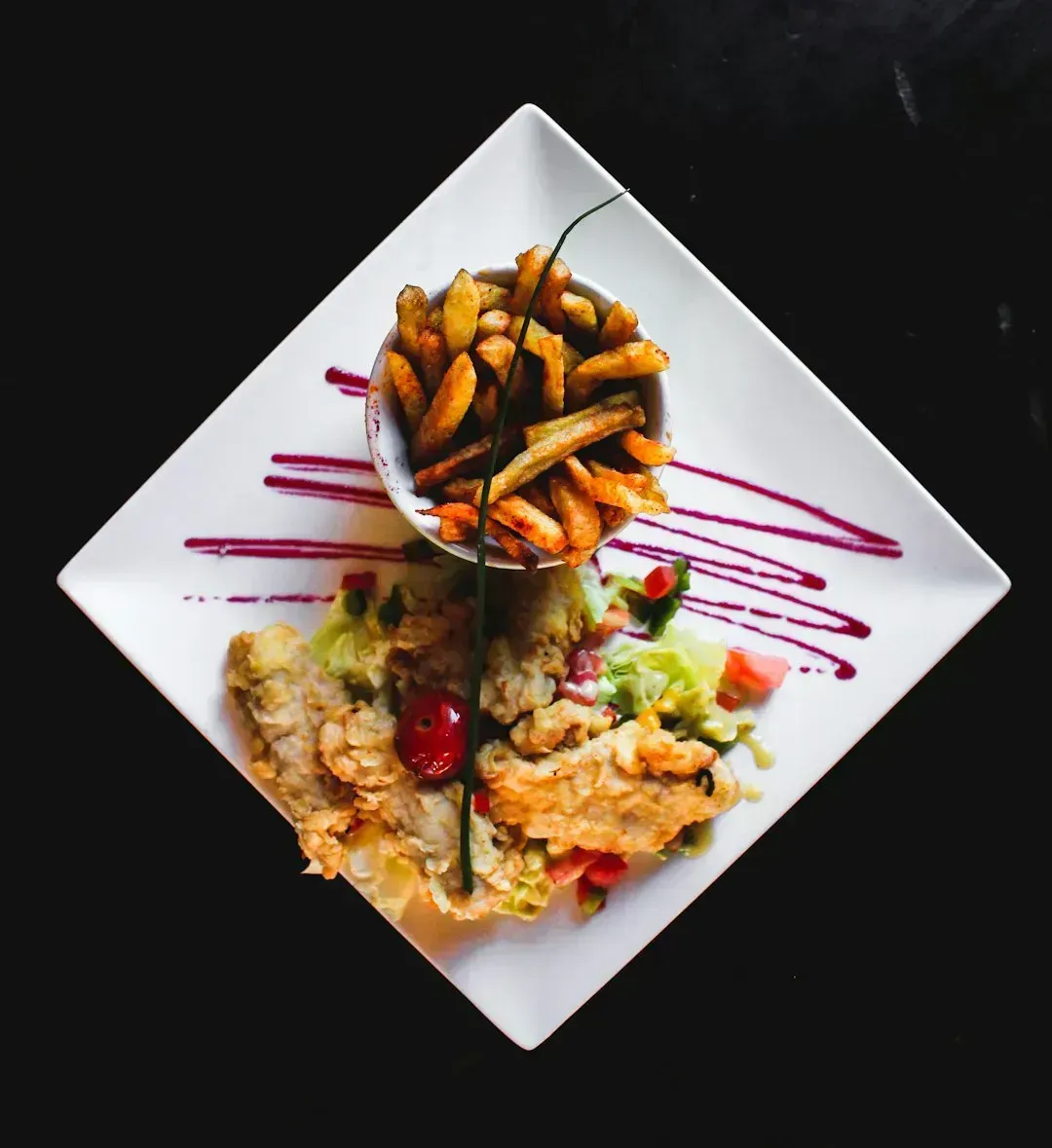
Social media has changed dining expectations in ways many restaurant workers find exhausting. Guests sometimes arrive with a photo from a food blog or social platform and ask for a dish to be plated or portioned exactly like the image, even when that photo may be years old, from a different location, or represents a seasonal special no longer on the menu. Kitchens work from current recipes and standardized plating guides, not from whatever version happens to be circulating online.
This mismatch between expectation and reality creates friction that has nothing to do with the quality of the food itself. Chefs have pointed out that dishes evolve over time due to ingredient sourcing, seasonal availability, and cost adjustments, so a photo from eighteen months ago may not reflect what is actually served today. Explaining that gap politely, table after table, wears on staff more than most customers realize.
6. Loyalty Discounts or Coupons That Have Expired

Presenting an expired coupon or an outdated loyalty discount puts servers in an awkward spot, since honoring it means eating the cost themselves or escalating to a manager, while declining it can lead to a frustrated customer. Restaurant promotions typically have firm expiration dates tied to specific marketing campaigns, and point of sale systems are usually programmed to reject anything past that window automatically. Staff have no real ability to override that on their own.
This situation has become more common as restaurants increasingly rely on app based loyalty programs and email promotions, which can sit unopened in inboxes for months. By the time a customer tries to use an old offer, it may no longer be valid in the system at all. Employees have said the resulting conversation is almost never enjoyable for either side, since it often feels like they are the ones enforcing a rule they did not create.
7. Constant Check-Ins During a Clearly Busy Rush
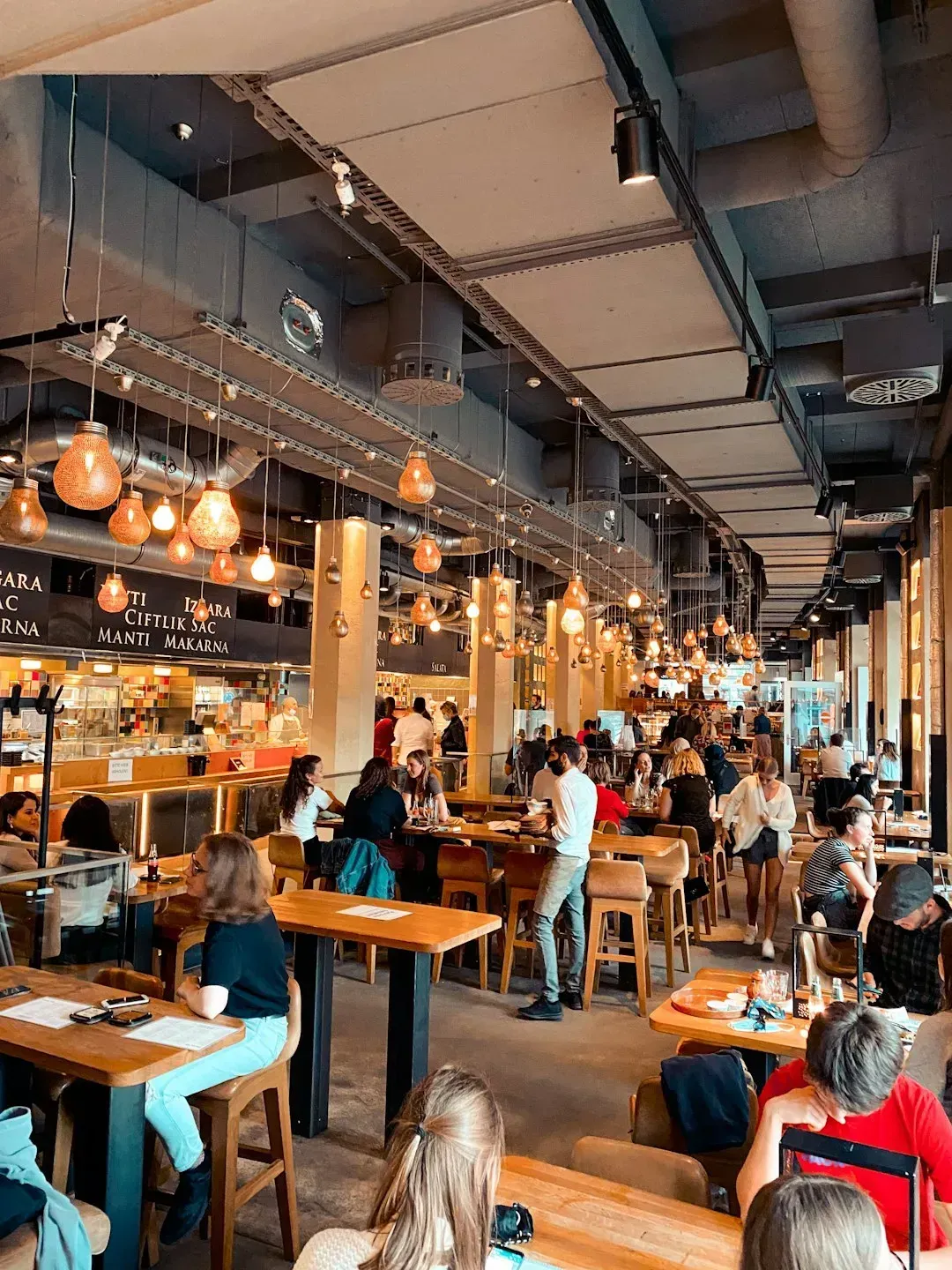
Attentive service matters, but repeatedly flagging down a server for minor requests during an obvious rush, when the dining room is full and every table is waiting on something, can actually slow down service for everyone at the table and nearby. Servers juggling multiple sections often prioritize based on urgency, and a nonstop stream of small asks, refills, extra napkins, a side of ranch, can pull attention away from getting food out hot and on time.
Industry data has consistently shown that turnover and staffing shortages remain persistent challenges for restaurants coming out of the pandemic years, meaning fewer servers are often covering more tables than in the past. That reality makes patience during peak hours more valuable than ever. A little grace during the rush, employees say, goes a long way toward a smoother meal for everyone involved.
8. Menu Prices Matched to What They Were Years Ago
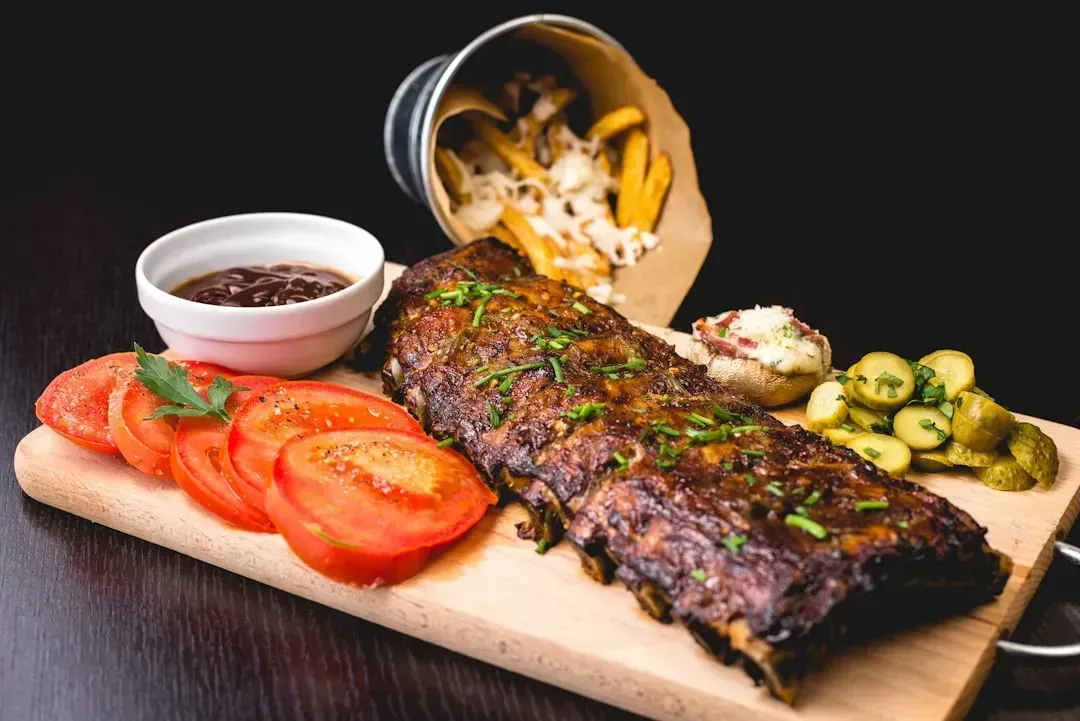
Complaints about rising menu prices are understandable given how much food costs have climbed, but asking a server to honor pricing from several years ago puts staff in an impossible position they have no authority to resolve. Wholesale food prices and labor costs have risen substantially industry wide over the past few years, driven by supply chain pressures, wage increases, and inflation that touched nearly every category of ingredient.
Restaurants adjust menu pricing to keep pace with these rising costs, and that decision is made well above the level of any individual server or host. Employees have said that being on the receiving end of frustration over pricing, something entirely outside their control, is one of the more emotionally draining parts of the job. The person taking the order is rarely the person setting the price.
9. Off-Menu Items Requiring Ingredients the Kitchen Does Not Stock
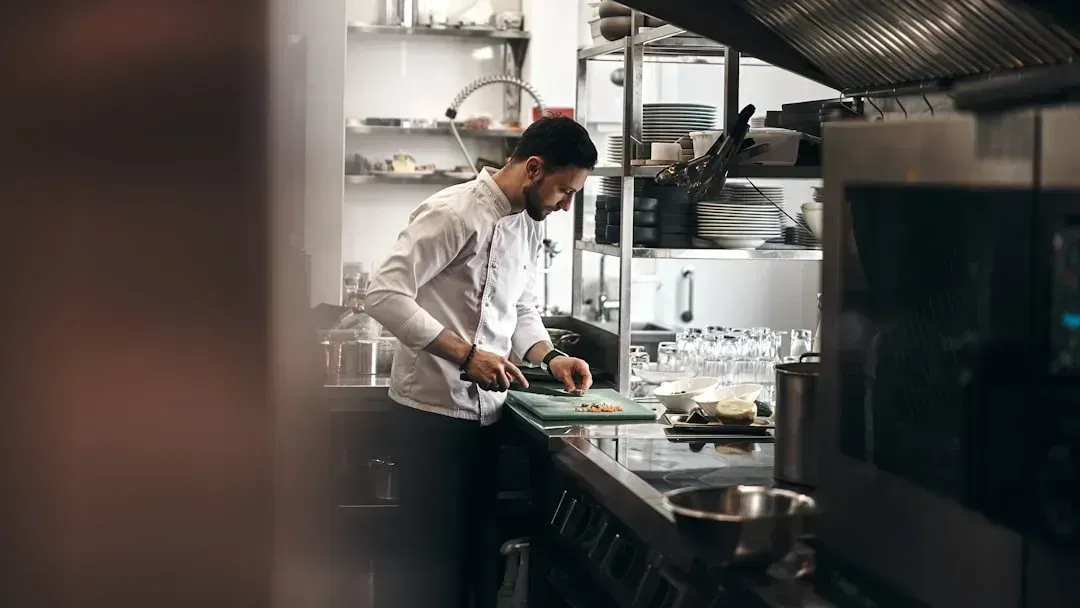
Secret menus and off-menu hacks have become a popular trend thanks to social media, but many of these requests assume every location carries the same specialty ingredients, which is often not the case. A dish that went viral from one restaurant location does not necessarily mean every branch stocks the specific syrup, sauce, or garnish needed to recreate it, especially at chains where inventory varies by region and supplier contracts.
Kitchen staff have described the awkwardness of telling a customer that a viral item simply cannot be made because the ingredients are not on hand, particularly during a shift when there is no time to send someone out for a special purchase. It is not a refusal born from unwillingness, it is a straightforward inventory limitation that customers rarely consider. Checking with staff beforehand about whether a viral item is even available saves disappointment on both sides.
None of these requests come from a place of malice on the customer’s part. Most diners simply do not see the operational reality behind the counter, the tight margins, the standardized systems, and the sheer physical pace of a busy shift. A bit more awareness, paired with patience during obviously hectic moments, tends to make the dining experience better for everyone at the table and everyone serving it.




Leave a Reply