
Falling in love is supposed to feel good, yet for some people it triggers a strange kind of panic. When someone starts attaching to another person more deeply than they expected, old fears about vulnerability, loss, and control tend to surface. Instead of leaning into the closeness, they might pull back, overthink, or act inconsistently, even though their feelings are growing stronger by the day.
This pattern shows up more often than most people realize, especially in adults who learned early on that closeness can be unpredictable or even dangerous. If your partner seems to care deeply but also seems scared of exactly that, these eight signs can help you understand what might really be going on beneath the surface.
1. They Pull Away Right After Moments of Intimacy

One of the clearest signs of a fear-driven bond is the push-pull pattern that shows up after closeness. Your partner might open up emotionally, share something vulnerable, or have a wonderful night together, only to seem distant or guarded the next day. This isn’t a sign they regret the moment; it’s often their nervous system reacting to how much they let their guard down.
Psychologists who study attachment often describe this as a self-protective response, where getting too close too fast feels unsafe even when the relationship itself is going well. The withdrawal isn’t a rejection of you specifically, but a reflex built from past experiences where closeness led to hurt or disappointment.
2. They Downplay How Much They Care
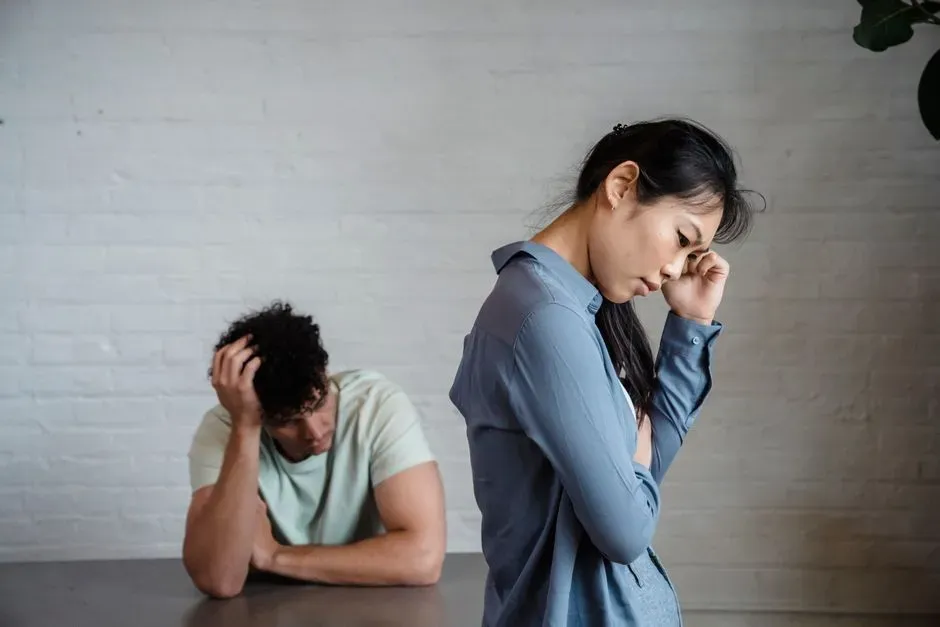
Someone who is deeply attached but frightened of that attachment will often minimize their feelings out loud, even while their actions say otherwise. They might casually mention plans months away, remember tiny details about your life, or prioritize your needs, yet insist the relationship is “not that serious” if you ask directly. This mismatch between words and behavior is a telltale sign of internal conflict.
This downplaying often serves as an emotional safety net. If they never fully admit how invested they are, they feel like they have an exit ready in case things fall apart. It’s less about dishonesty and more about protecting themselves from the possibility of being hurt after fully committing.
3. They Get Unusually Anxious Before Big Relationship Milestones
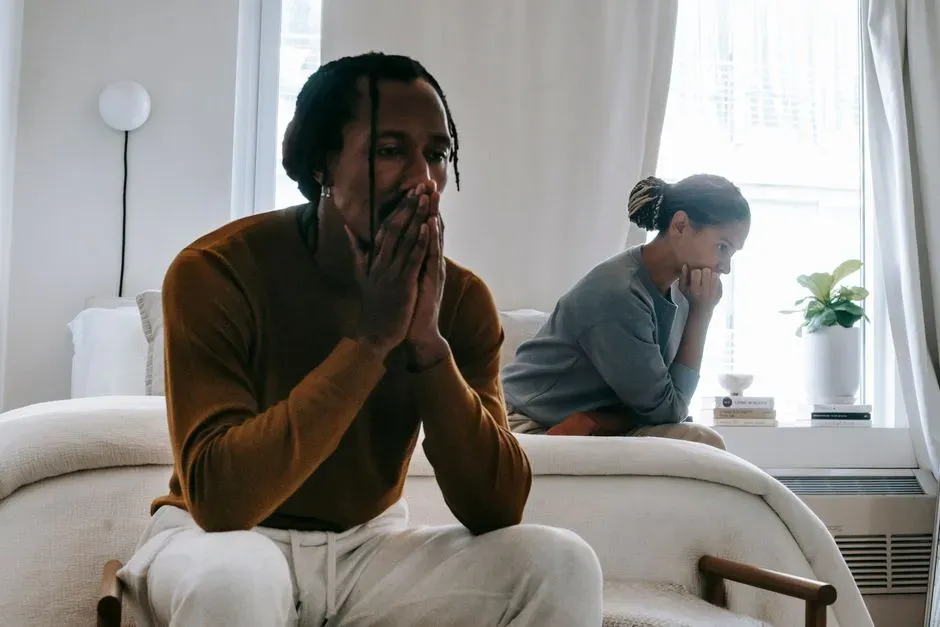
Meeting the family, moving in together, or even just saying “I love you” for the first time can trigger visible anxiety in someone who is bonding deeply but fears the depth of that bond. You might notice them becoming irritable, distracted, or oddly quiet in the days leading up to these milestones, even if they were the one who suggested taking the next step.
This reaction usually isn’t about doubting the relationship itself. Instead, milestones make the relationship feel more real and permanent, which can be overwhelming for someone whose fear of loss is tied to how much they stand to lose. The anxiety tends to fade once the milestone passes and life settles back into a familiar rhythm.
4. They Test the Relationship Without Realizing It

People who fear how attached they’ve become sometimes unconsciously test their partner’s commitment. This can look like picking small fights, creating distance to see if you’ll chase after them, or bringing up hypothetical breakups just to gauge your reaction. These behaviors are rarely calculated; they tend to stem from insecurity rather than manipulation.
Attachment researchers have long noted that anxious or avoidant patterns can push people to seek reassurance in indirect ways rather than asking for it outright. If your partner seems to be testing you, it often means they’re trying to confirm that the relationship is safe enough to fully invest in, even though the testing itself can create friction.
5. They Talk About Fear of Losing You More Than Usual

A partner who has bonded deeply, even against their own instincts, often becomes preoccupied with the idea of losing you. This might show up as worrying about your safety more than seems necessary, expressing jealousy in situations that wouldn’t normally bother them, or bringing up “what if” scenarios about the relationship ending. These worries are usually a direct reflection of how much they’ve come to depend on the connection emotionally.
This heightened fear of loss can feel intense or even smothering at times, but it typically comes from a place of genuine attachment rather than possessiveness. The more someone values a relationship, the more their brain tends to register its potential loss as a real threat, which can amplify anxious thoughts they didn’t expect to have.
6. They Struggle to Fully Relax Even When Things Are Going Well

Some partners have a hard time simply enjoying a good relationship without waiting for something to go wrong. Even during calm, happy periods, they might seem tense, ask if everything is okay more than necessary, or bring up unrelated worries that seem to come from nowhere. This inability to relax often reflects a deep-seated belief that good things don’t last, especially in people who’ve experienced instability in past relationships or childhood.
This vigilance can be exhausting for both partners, but it usually isn’t a reflection of the relationship’s actual health. Instead, it’s a sign that their attachment has grown strong enough that the thought of it ending feels genuinely threatening, even in moments when there’s no real reason to worry.
7. They Avoid Talking About the Future in Detail
While they might be fully present and affectionate day to day, someone frightened by their own attachment often steers conversations away from long-term plans. They may change the subject when future living arrangements, marriage, or long-term goals come up, even if their day-to-day actions suggest they see a future with you. This avoidance is typically less about uncertainty regarding you and more about discomfort with vulnerability itself.
Committing to future plans out loud makes the relationship feel more concrete, which can be intimidating for someone still working through fears of loss or abandonment. Over time, as trust builds, many people in this pattern become more comfortable discussing the future, though it often takes patience and consistent reassurance to get there.
8. They Show More Vulnerability Through Actions Than Words

Finally, a partner who is deeply bonded but scared to admit it often communicates their feelings through consistent actions rather than verbal declarations. They might show up for you reliably, remember important dates, or make sacrifices for the relationship, all while struggling to say “I love you” or openly discuss their emotional state. This gap between actions and words can be confusing, but it often reflects genuine care expressed in the safest way they know how.
For many people with this pattern, actions feel less risky than words because they can be walked back or minimized if things don’t work out. Recognizing this can help partners feel more secure, since the depth of someone’s feelings is often more accurately measured by what they consistently do rather than what they’re willing to say out loud.
Loving someone while fearing that same love is a paradox many people quietly live with, often without fully understanding why. These patterns usually trace back to earlier experiences with loss, instability, or emotional unavailability, rather than anything wrong with the current relationship. With patience, open communication, and consistent reassurance, many partners are able to work through these fears over time, allowing the relationship to deepen rather than stall. Recognizing these signs isn’t about diagnosing your partner, but about understanding that fear and love can coexist, and that both partners often need compassion as they navigate it together.



Leave a Reply