
When you’re looking for a new recipe, it’s easy to visit the same well known cooking websites every time. They’re convenient, but they’re not your only option.
But some of the most unique recipes can be found on small blogs and family cooks’ websites, which are unlikely to show up first in a search, but are nonetheless full of amazing recipes and cooking traditions passed down from generation to generation.
Look Beyond the First Page of Search Results
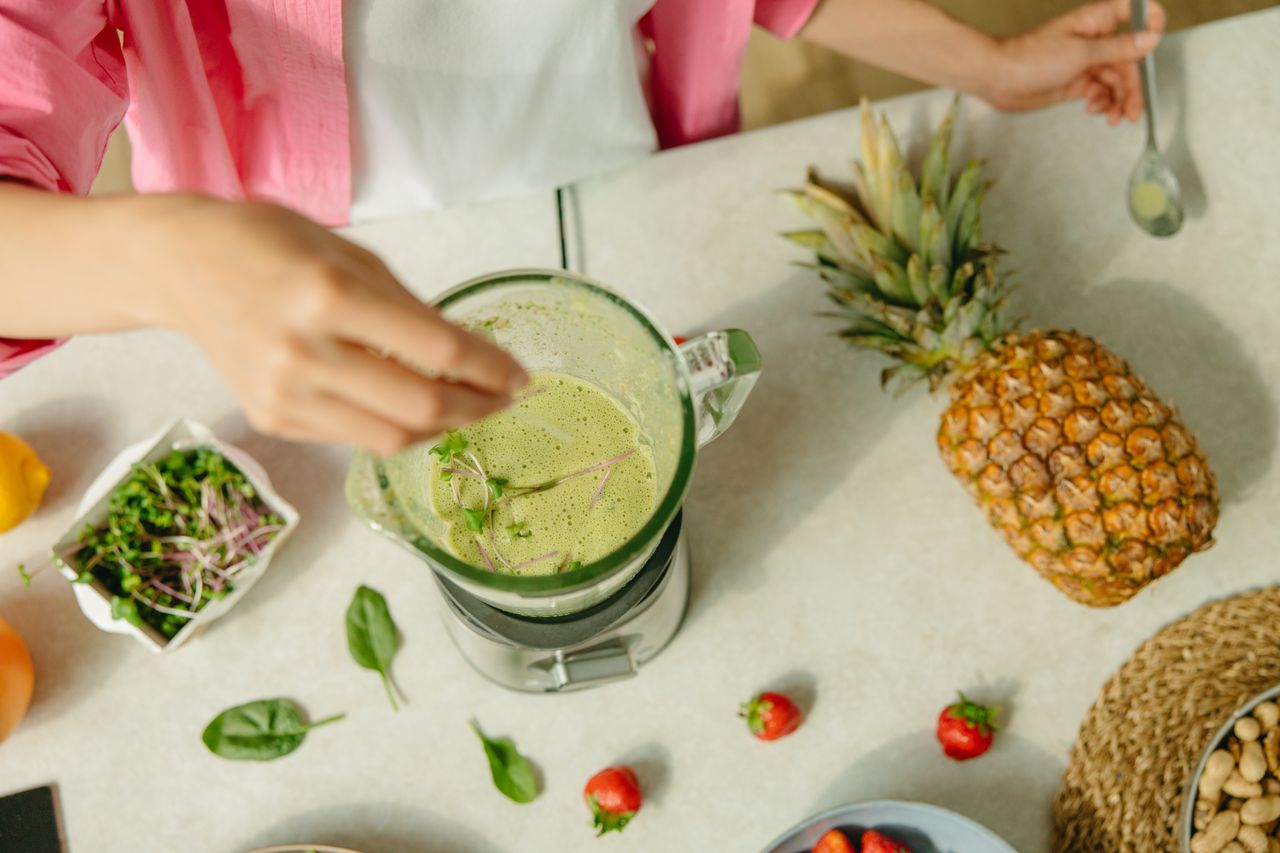
Many people never look beyond the first few search results. While those recipes are often excellent, they usually come from highly SEO-optimized websites with large audiences and strong search rankings.
If you’re hoping to prepare something that feels more authentic, try scrolling a little further. You might come across local food blogs, regional cooking websites, or personal recipe collections that offer a different perspective. These smaller sites often focus on traditional methods instead of adapting recipes to appeal to the widest possible audience.
It’s also worth checking recipe roundups created by local organizations, cultural associations, or tourism boards. These collections often showcase dishes that residents actually prepare at home rather than recipes that have simply become popular online.
Search for Local Names Instead of English Translations
A simple change in your search terms can make a big difference.
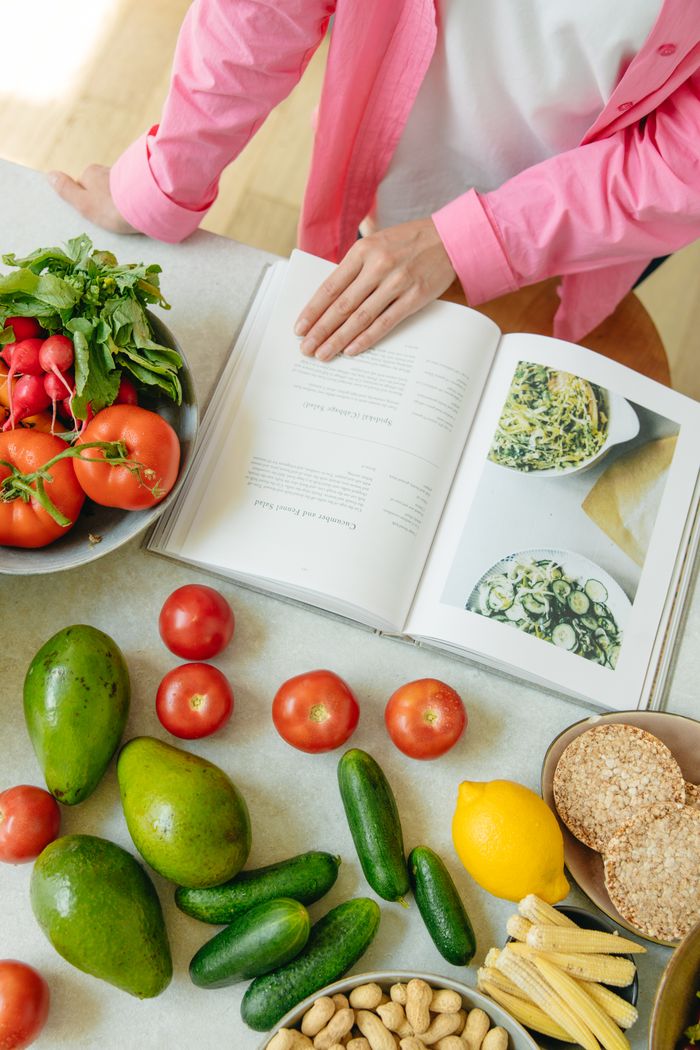
Instead of searching for “Italian bread recipe,” try searching for the original name of the bread. The same idea works for desserts, soups, and regional dishes from almost any country. Using local names often leads to websites created by people who actually grew up making those recipes.
Even if you need to translate parts of the page, you might discover ingredients, cooking methods, or serving ideas that don’t usually appear on larger international websites. You might also find regional variations of a dish that rarely appear in English language searches – some of the best recipes I found were on smaller sites.
Explore Small Food Blogs and Community Websites
Not all of the best recipes are produced by professional writers. Many talented home cooks maintain small blogs publishing family recipes that aren’t widely known.
Community cooking forums, regional tourism websites, and local newspapers are also worth exploring, since they usually feature recipes for seasonal dishes, holiday meals, or regional cuisine.
There could even be local food blogs targeting readers from a specific country or region, so if you’re wondering whether a website is showing you location-specific content, you can look up your IP address to better understand how your location might be influencing what you’re shown.
You could also look through the recipe comments, which can offer useful improvements while keeping the traditional recipe intact.
Read the Story Behind the Recipe
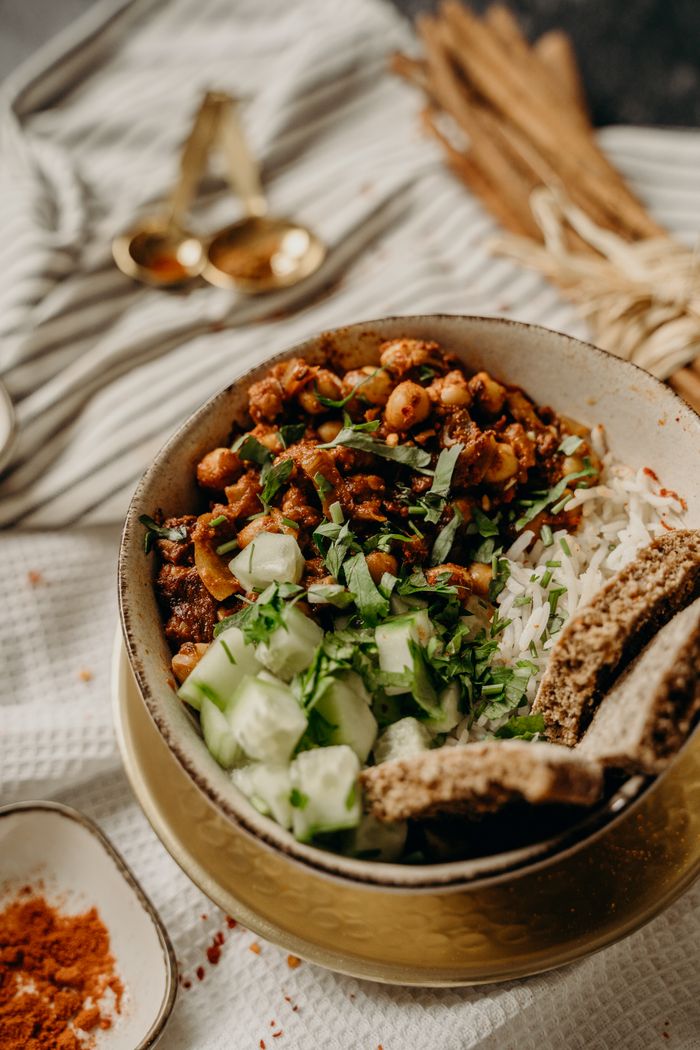
In my opinion, the personal aspect of the story that comes with the recipes is one of the key benefits of the food blogs that are smaller in size.
You might find out that a specific soup was historically cooked during winter festivals, or that a certain dessert was cooked by the same family for years, using their homemade butter. That type of information makes the recipe all the more beautiful to cook and allows you to see why some of the ingredients or methods were used.
It becomes really exciting to cook something when you know the history of the dish!
Compare Different Versions
It’s not always possible to identify the one “correct” variation of the recipe of a traditional food product.
The neighbouring towns can have a different variation of the same dish. There could be families using butter instead of olive oil, or vice versa. There might be recipes where additional spices are added or recipes that have fewer ingredients.
By looking at more than one recipe, you get an idea of the components that are constant and those that change based on personal preference, which makes it easier to make your own version of the recipe based on your personal taste.
Don’t Be Afraid to Experiment
Real homemade cooking doesn’t require you to follow the recipe steps strictly.
There might occasionally be a need to substitute an ingredient that’s hard to get, change cooking times depending on the equipment used, or decrease the number of servings. As long as you know the function of each of the ingredients, those changes won’t necessarily undermine the concept of the meal.
With experience, you’ll gradually learn how to distinguish real traditional recipes from heavily altered ones. Plus, it’ll be useful to make notes of the changes you made when preparing the recipe to be able to reproduce it again in the future!
Final Thoughts
The biggest food blogs are only one part of the cooking world. Looking beyond them can introduce you to huge amounts of family traditions, regional favourites, and recipes that most people have never even discovered.
A little extra curiosity can lead you to flavors, techniques, and cooking traditions that make every meal more rewarding.


Leave a Reply