
1. The seat back pocket in front of you
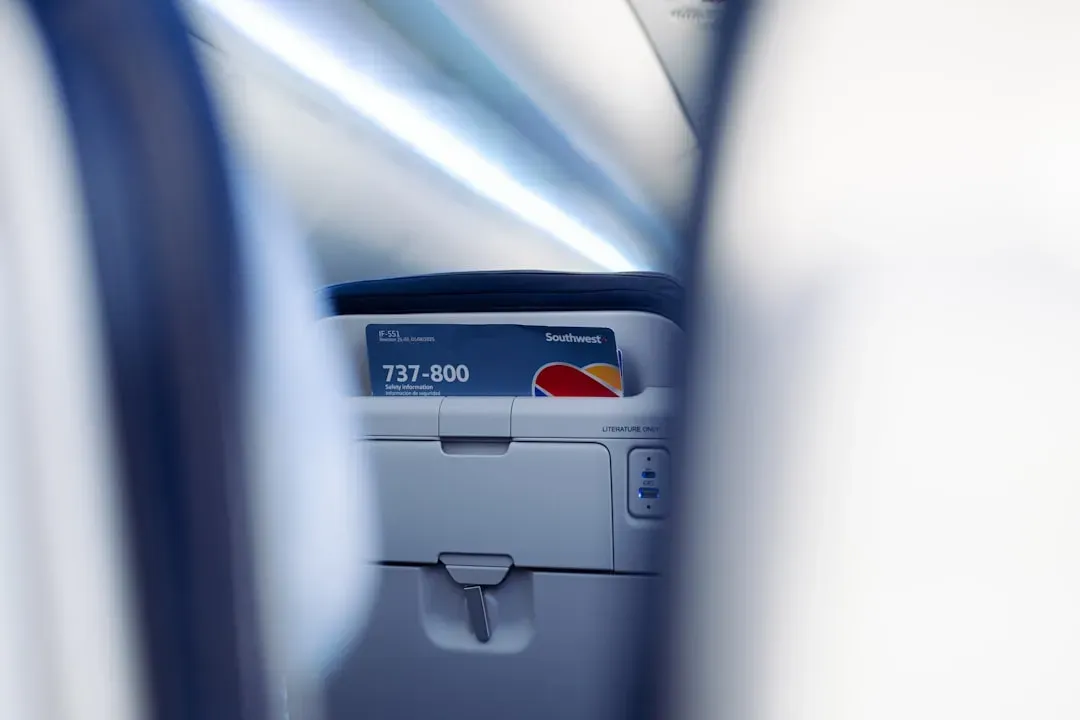
The seat back pocket in front of you is actually a mess of germs and bacteria, and flight attendants say you should never use them because, while the loose trash is taken out of them, they’re never cleaned. That distinction matters more than it sounds. Crews remove visible garbage between flights, but the fabric itself rarely gets wiped down or sanitized. Testing has backed up the unease. When the pockets were tested, they found all sorts of bacteria and germs like E. coli. Reports from passengers and cleaning crews have also turned up items ranging from used tampons, condoms, and even half-eaten sandwiches left in the seat pockets, which is exactly why some flight attendants say they’d rather stuff their phone in a jacket pocket than the seat pouch.
2. The tray table you eat off of
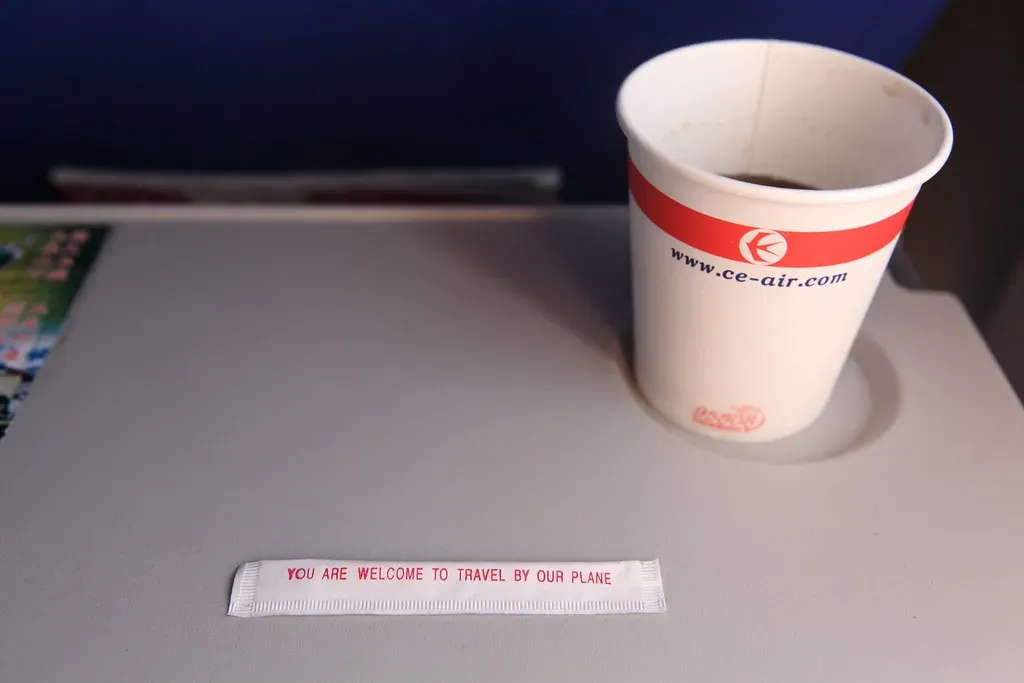
Tray tables get folded up, wiped occasionally, and touched by nearly every passenger who sits in that row throughout the day. The problem is that “occasionally” is doing a lot of work in that sentence. Data published by Travelmath, an online trip calculator and travel service, found tray tables averaged roughly 2,155 colony-forming units of bacteria per square inch, a number that regularly gets cited as higher than what’s found on an airplane toilet flush button. Crew members have been blunt about why. Researchers at the Georgia Institute of Technology swabbed real flights and focused on tray tables, seat-belt buckles, and lavatory door handles, confirming they’re common contact points for cabin microbes. One veteran flight attendant went further, describing on a public forum how often trays doubled as makeshift changing surfaces for babies rather than clean eating spaces. It’s not universal on every flight, but it happens often enough that many attendants pack their own sanitizing wipes.
3. Coffee, tea, and anything made with tap water
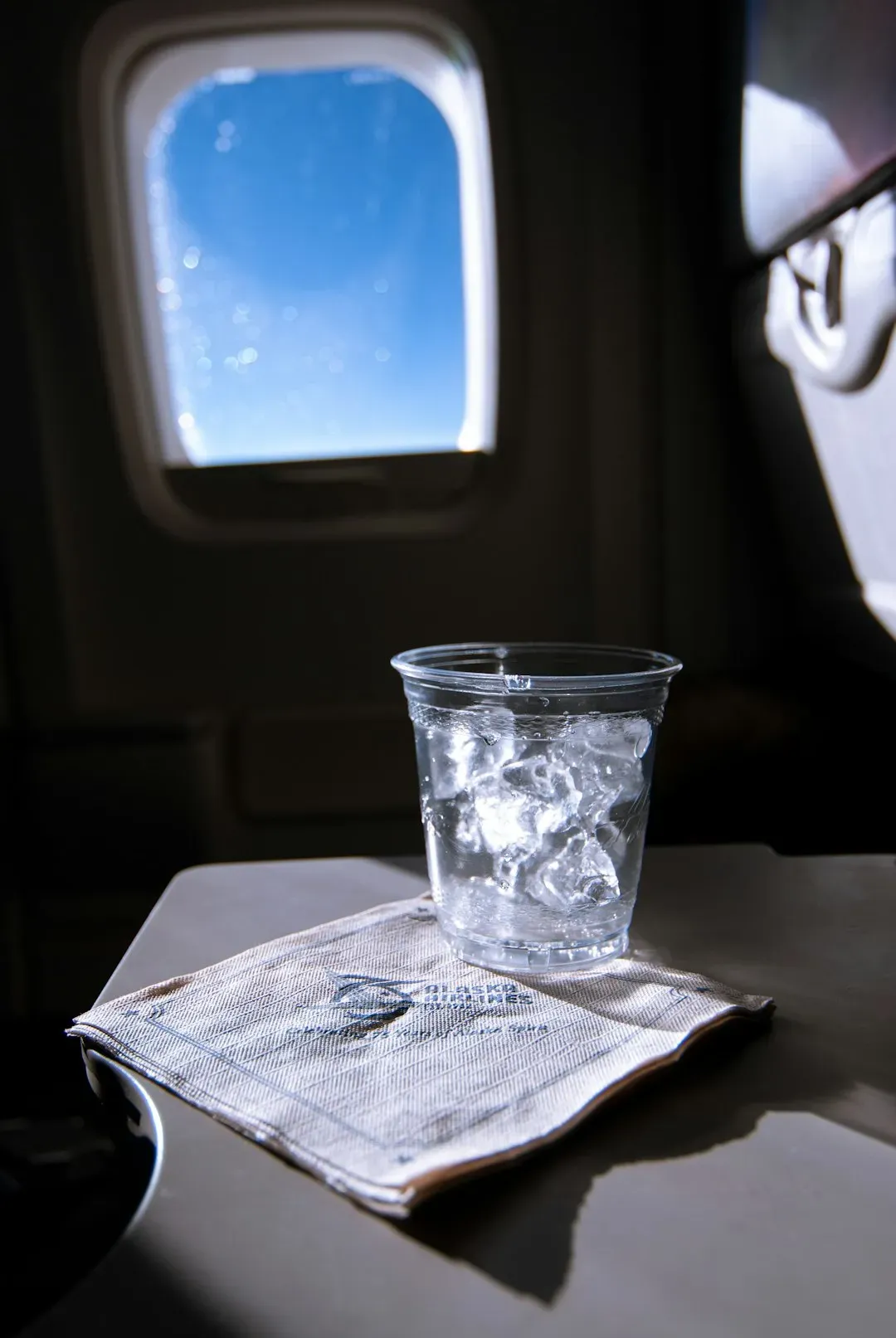
This is the one that surprises passengers most, since a warm drink feels harmless compared to a grimy tray table. The issue isn’t the cup, it’s where the hot water comes from. According to one flight attendant, the tanks that store water on planes are rarely cleaned. Multiple crew members across different airlines have echoed the same warning. “Flight attendants will not drink hot water on the plane,” one flight attendant told the media outlet. “They will not drink plain coffee, and they will not drink plain tea.” The reason is that water in the plane doesn’t come directly from the water treatment facility, but from a tank that is usually not cleaned for months. A 2026 industry study only reinforced the concern, with the nonprofit Center for Food as Medicine & Longevity examining more than 35,000 water samples served by 10 major and 11 regional airlines over three years, also urging passengers to avoid washing their hands in aircraft bathrooms and instead stick to using hand sanitizer. Bottled water and canned drinks remain the safer bet.
4. Blankets and pillows handed out mid-flight
That neatly folded blanket waiting on your seat looks inviting, but the packaging can be misleading. Especially if the plane just stops, refuels and boards a new batch of unsuspecting passengers, usually the first flight of the day will have freshly laundered blankets, sealed in plastic bags, but the flights after that don’t get new ones. A flight attendant put it plainly: “If your blanket isn’t wrapped in plastic, it’s pretty safe to say it wasn’t washed.” Even sealed bags aren’t a guaranteed clean bill of health. Unless you’re lucky enough to be on the first flight of the day originating from the very city that’s providing them, blankets and pillows, unless visibly spoiled, are actually reused all day long, simply refolded and stuffed back into the bins between each flight. Some crew members have admitted they genuinely don’t know the washing schedule themselves, which says a lot about how opaque the process can be for regular fliers.
5. The bathroom faucet and sink
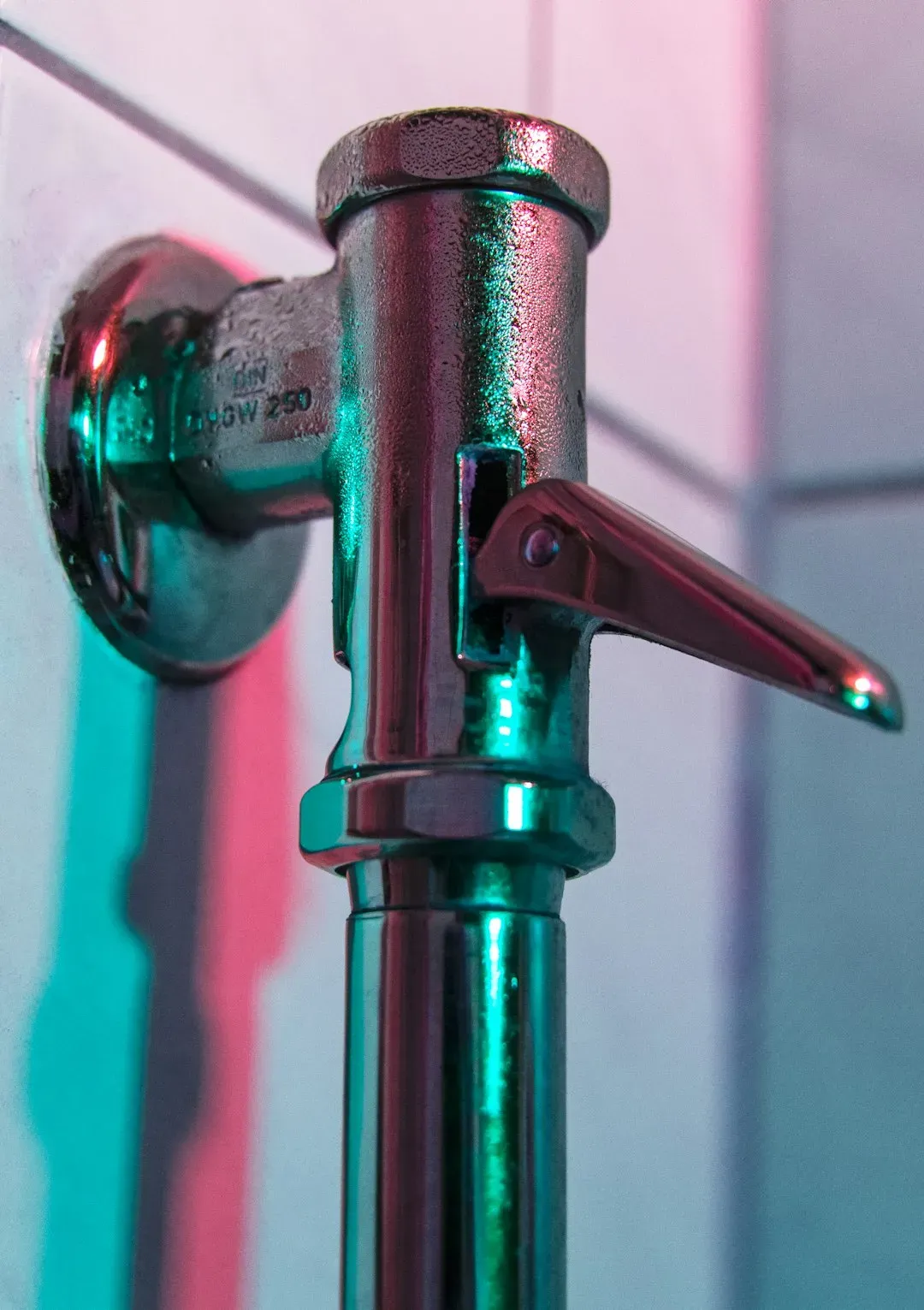
Airplane lavatories get a bad reputation for obvious reasons, but the sink specifically draws quiet concern from crew who use it far more often than passengers do. The bathroom faucet is another surface that concerns frequent flyers, and flight crews have joked about how filthy the faucets were. At first, it sounded like industry folklore, but after speaking to maintenance staff and looking at the data, the jokes stopped being funny. It’s not just about germs sitting on the surface either. Cabin crew have described far messier scenes inside the small basin, from spilled drinks to worse, which is part of why hand sanitizer gets recommended over actually running the tap. Given how rarely deep cleaning happens between short turnaround flights, a lot of attendants treat the lavatory sink as a last resort rather than a reliable place to freshen up.
6. Reused in-flight headphones
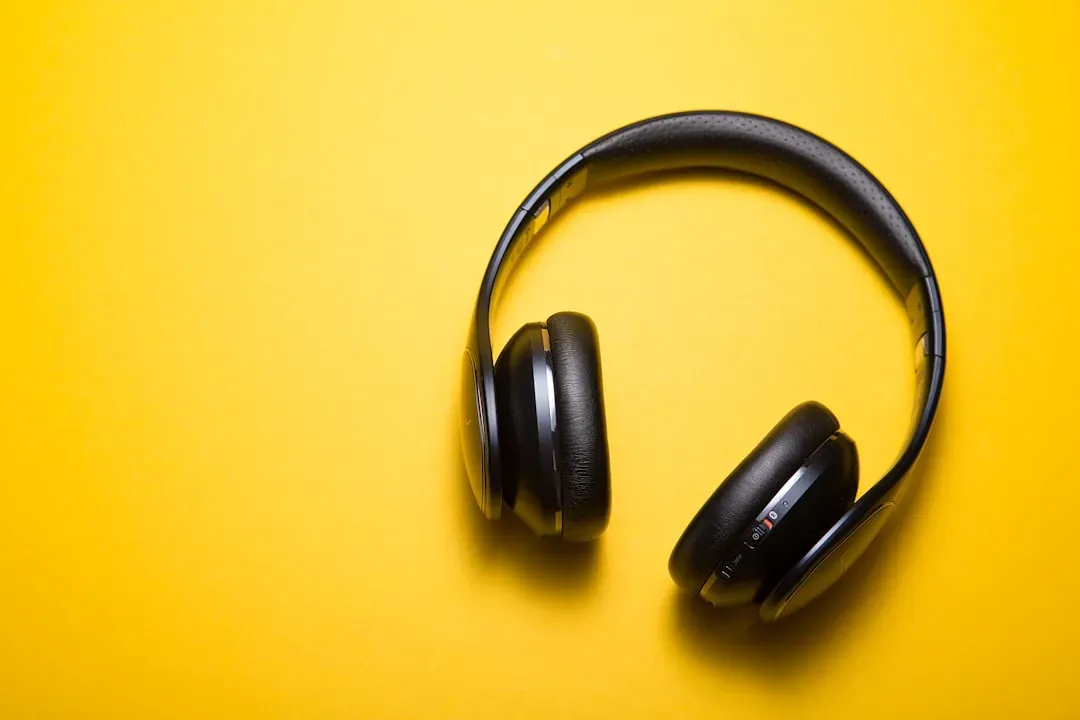
Complimentary headphones feel like a small convenience, especially on a long flight without personal earbuds packed. Some industry insiders have stopped trusting them entirely after seeing what happens behind the scenes. One frequent business flier stopped using airline headphones after watching crew members repackage used pairs into fresh wrappers, saying “it gives a positive illusion of cleanliness,” since passengers use them without hesitation, not knowing who used them last, adding “once I saw what the backstage looked like, I swore never to use such headphones again.” Not every airline handles this the same way, and many carriers do use genuinely single use, sealed packaging for economy headsets. Still, the anecdote spread widely enough that it’s become a common tip among frequent flyers: bring your own pair, or at minimum wipe down the ear cushions before use. It costs nothing and takes the guesswork out of the equation entirely.
None of this means flying is unsafe or that cabin crews are hiding some grand conspiracy. Turnaround times are simply tight, deep cleaning schedules vary wildly by airline, and passengers don’t always treat shared spaces the way they would at home. A pack of sanitizing wipes, a personal water bottle, and a willingness to skip the seat pocket can handle most of what’s on this list without much effort at all.



Leave a Reply