
Walk into any busy restaurant kitchen and the chaos looks nothing like what’s shown on cooking shows. There’s no leisurely prep, no calm plating demonstrations. It’s fast, loud, and relentlessly organized around one goal: putting out food that tastes extraordinary, every single time. The question most home cooks never stop to ask is why restaurant food tastes so consistently better, even when the ingredients are simple.
The answer isn’t expensive equipment or exotic pantry items. It’s a collection of techniques, habits, and shortcuts that professional cooks treat as basic knowledge and almost never think to share. Some of these are obvious once you hear them. Others will quietly change the way you cook forever.
Deglazing the Pan: The Flavor You’ve Been Washing Down the Drain
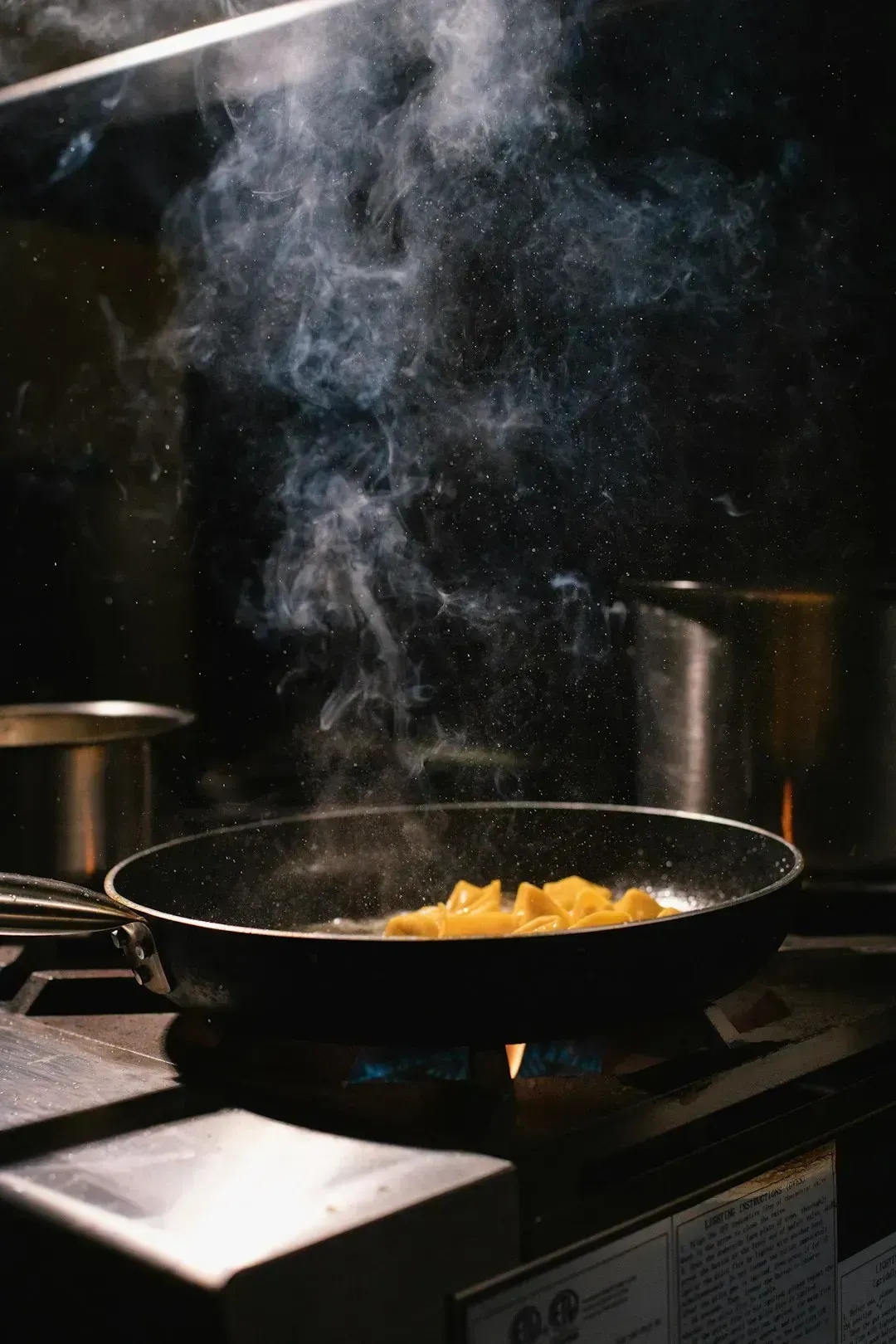
Those dark, sticky, almost-burnt-looking bits plastered to the bottom of your stainless steel or cast iron pan are called fond, from the French word for “base” or “foundation,” and they represent one of the most concentrated blasts of flavor you can get out of a single pan. Most home cooks mistake them for a mess to scrub off. In a professional kitchen, they’re the starting point for a sauce.
Fond is the layer of browned proteins and caramelized sugars that sticks to the pan during high-heat cooking. It isn’t burnt food. It is hundreds of flavor compounds created by the Maillard reaction. Deglazing is the technique of adding a liquid to a hot pan to dissolve and lift that layer of caramelized bits stuck to the bottom. The process takes under a minute and produces results that no bottled sauce can match.
Choosing the Right Liquid Makes All the Difference

Wine is the classic deglazing liquid, and for good reason. The alcohol dissolves both water-soluble and fat-soluble flavor compounds from the fond, pulling out more complexity than water or stock alone. As the wine reduces, the alcohol cooks off and the acidity concentrates into a sharp, clean backbone for the sauce. White wine works best with chicken, fish, and vegetables. Red wine drives deeper, more robust results with beef and lamb.
Wine is the most popular liquid to deglaze with. As the alcohol evaporates, it leaves behind a fruity, rich aroma. White wine adds acidity and freshness, while red wine provides a darker and deeper flavor profile. Vinegar, whether balsamic, cider, or wine, offers sharp acidity that balances fatty dishes and gives the sauce a beautiful, glossy finish. Even plain stock works well if you don’t want to cook with alcohol. The key is avoiding nonstick pans, since nonstick coatings prevent fond from forming in the first place, which means you get nothing to deglaze.
Monter au Beurre: Why Restaurant Sauces Feel So Different
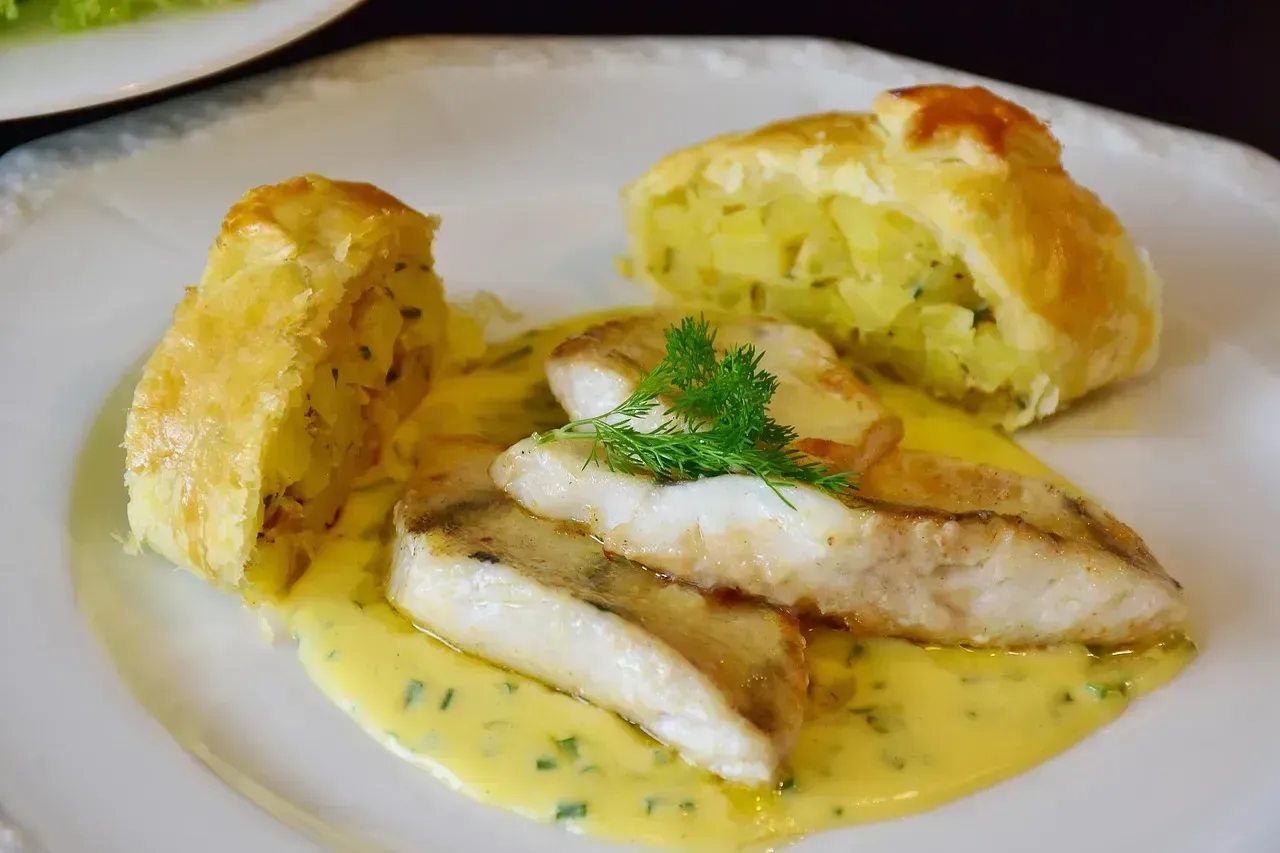
The idea that restaurants use a ton of butter is not necessarily true all around, but there is one place where line cooks use butter that home cooks might not. When finishing a sauce, usually a pan sauce, cooks add small cubes of chilled butter to the hot sauce and slowly swirl it in. This technique, called mounting, gives the sauce a velvety texture and glossy shine and helps mellow out strong flavors like vinegar, wine, or garlic that might be too aggressive.
Monter au beurre, meaning to mount with butter, is the classical finishing technique for sauces. Small pieces of cold butter are swirled into a hot but not boiling sauce at the last moment to create a smooth, glossy, velvety emulsion of extraordinary richness. This simple action transforms a thin jus or reduction into a sauce of restaurant quality, adding body, sheen, and a luxurious mouthfeel that no other ingredient can provide. The cold temperature of the butter is essential. Adding butter to boiling liquid causes it to melt into grease rather than emulsifying. Using warm or room-temperature butter won’t form an emulsion either.
Mise en Place: The Discipline Behind Every Smooth Service
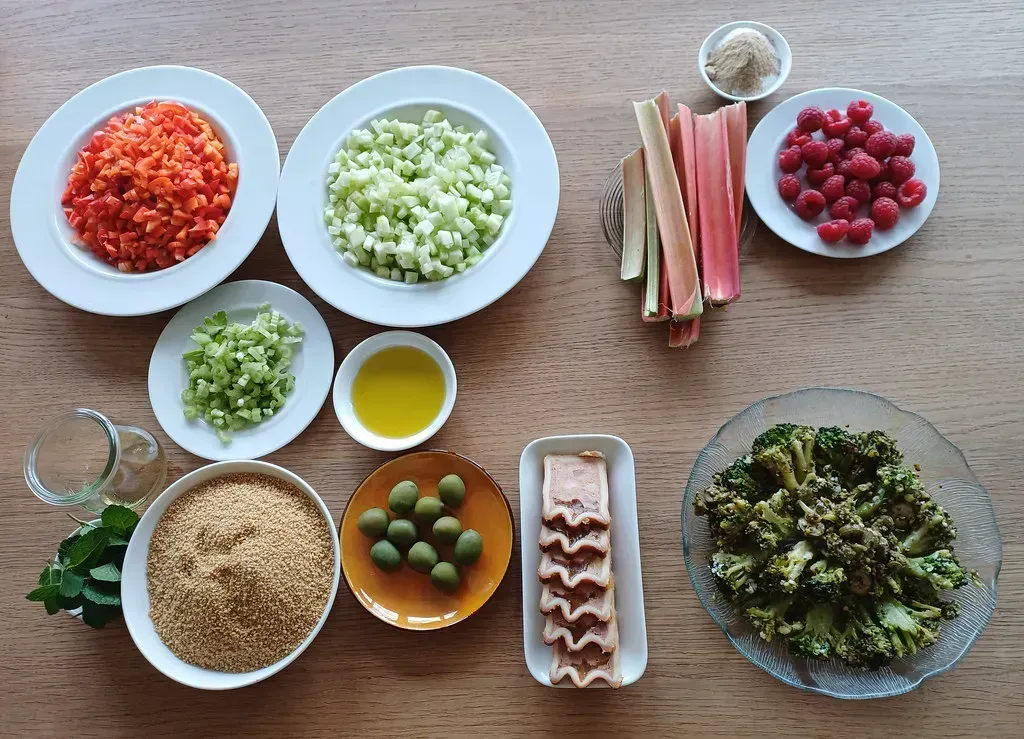
Mise en place is a French term that translates to “put everything in place.” In the culinary world, this means having all your ingredients prepped and ready to go before you start cooking. This includes chopping, dicing, measuring, and having all your utensils and pans at the ready. It is probably the most important thing you can do in the kitchen and is often overlooked by many home cooks.
The concept originated in 19th-century French professional kitchens, where Auguste Escoffier formalized the brigade system. Line cooks needed a way to handle dozens of orders per hour without fumbling. The answer was total preparation before service began. Cooks arrive hours early to break down proteins, build stocks, make sauces, and portion ingredients. During service, “cooking” is mostly assembly, applying heat to components that were prepped hours ago. That rhythm is what makes a packed kitchen look effortless from the dining room.
Salting in Layers, Not All at Once
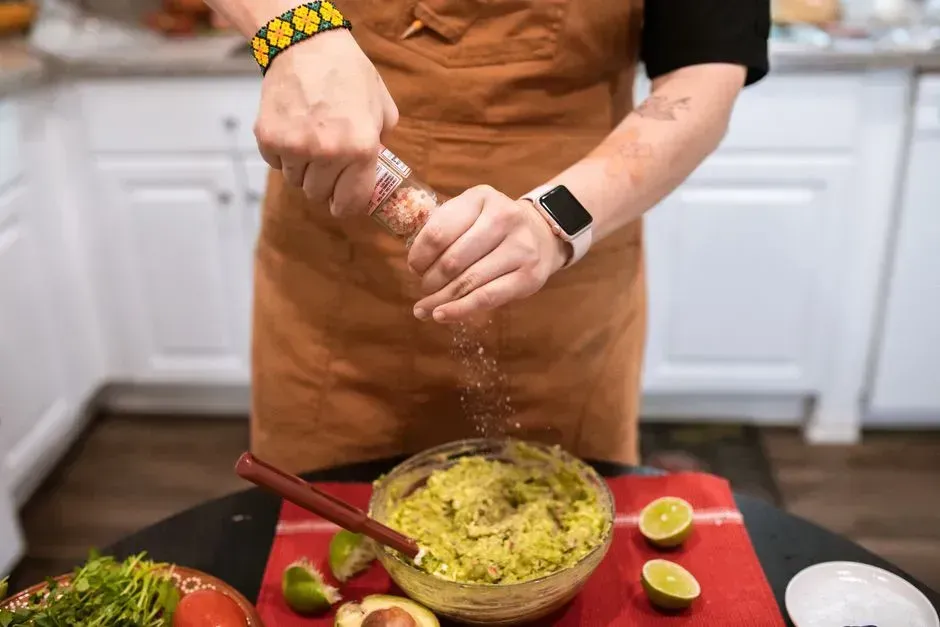
More often than not, the primary reason home-cooked food does not taste like restaurant food is salt. While one obviously does not want to transform a healthy meal into a salt lick, an extra pinch of salt here and there can go a long way toward turning a bland meal into a wonderful one. Professional cooks don’t wait until the end. They season at every stage of cooking, and the difference is enormous.
If you wait until the end to add salt, your food will taste salty instead of seasoned. Instead, salt as you go. When sweating onions, add a small pinch of salt. Season your meat before you cook it, and add another tiny pinch after you deglaze. By the end of the cooking time, you’ll create a set of nuanced layers of flavor that will make your food stand out.
Finishing Pasta in the Sauce, Not on the Plate
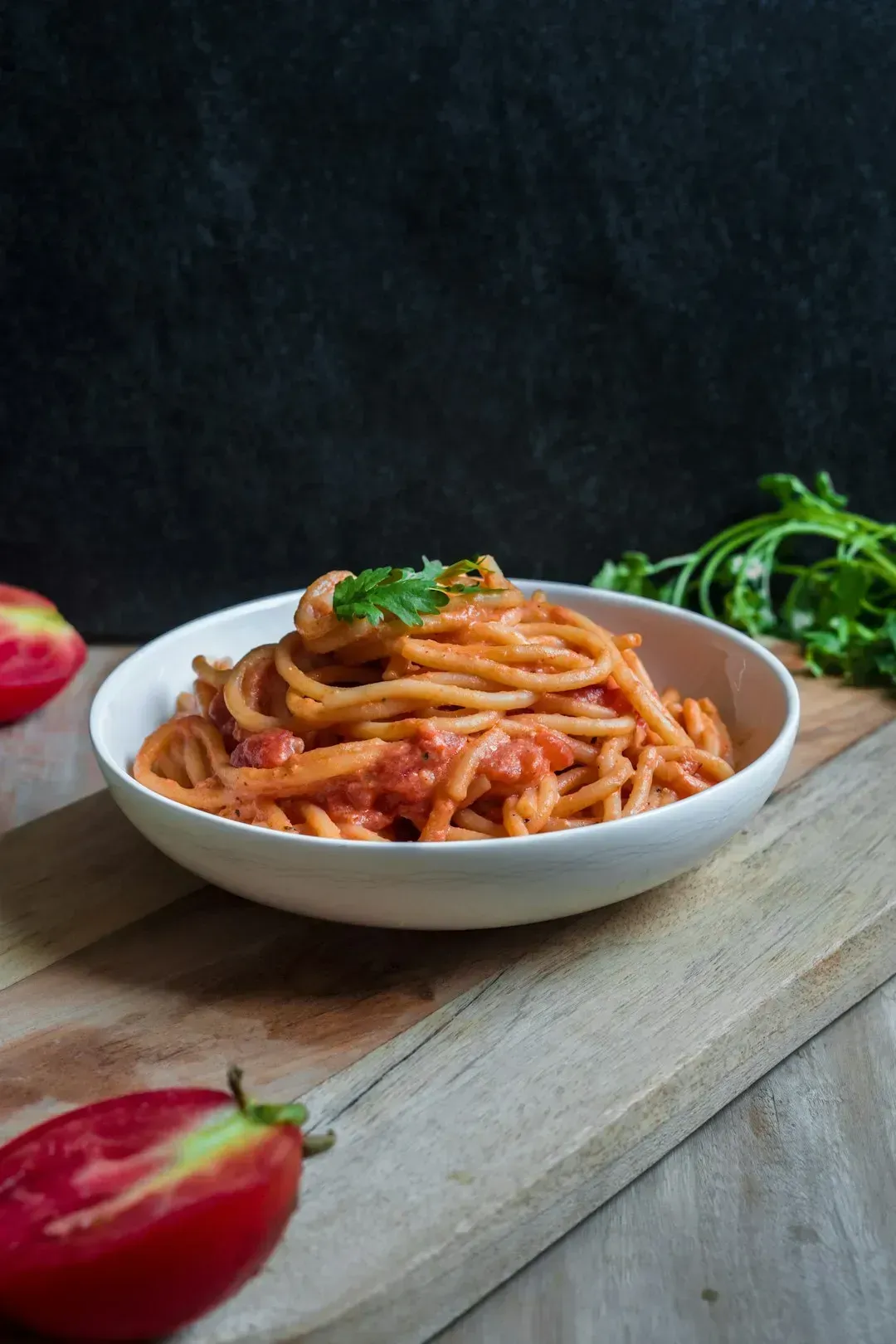
In order to get the best, restaurant-worthy pasta, you should finish cooking your pasta directly in the sauce. This technique gives the noodles a chance to absorb even more flavor so the dish comes together as one, instead of simply being an assembly of different ingredients. Pouring sauce over drained pasta sitting in a bowl is one of the most common home cook habits that separates a flat result from a cohesive, professional one.
The secret to restaurant-quality pasta sauce is the emulsion. Think of a perfect cacio e pepe. This magical blend of fat, starch, and liquid is what gives sauces that airy, clingy texture. Start by reserving a cup of that starchy pasta water. Never rinse cooked pasta unless you are making a cold pasta salad. Rinsing removes the surface starch needed to emulsify the sauce. That starchy water is a tool, not an afterthought.
Blanching and Shocking Vegetables for Color and Texture
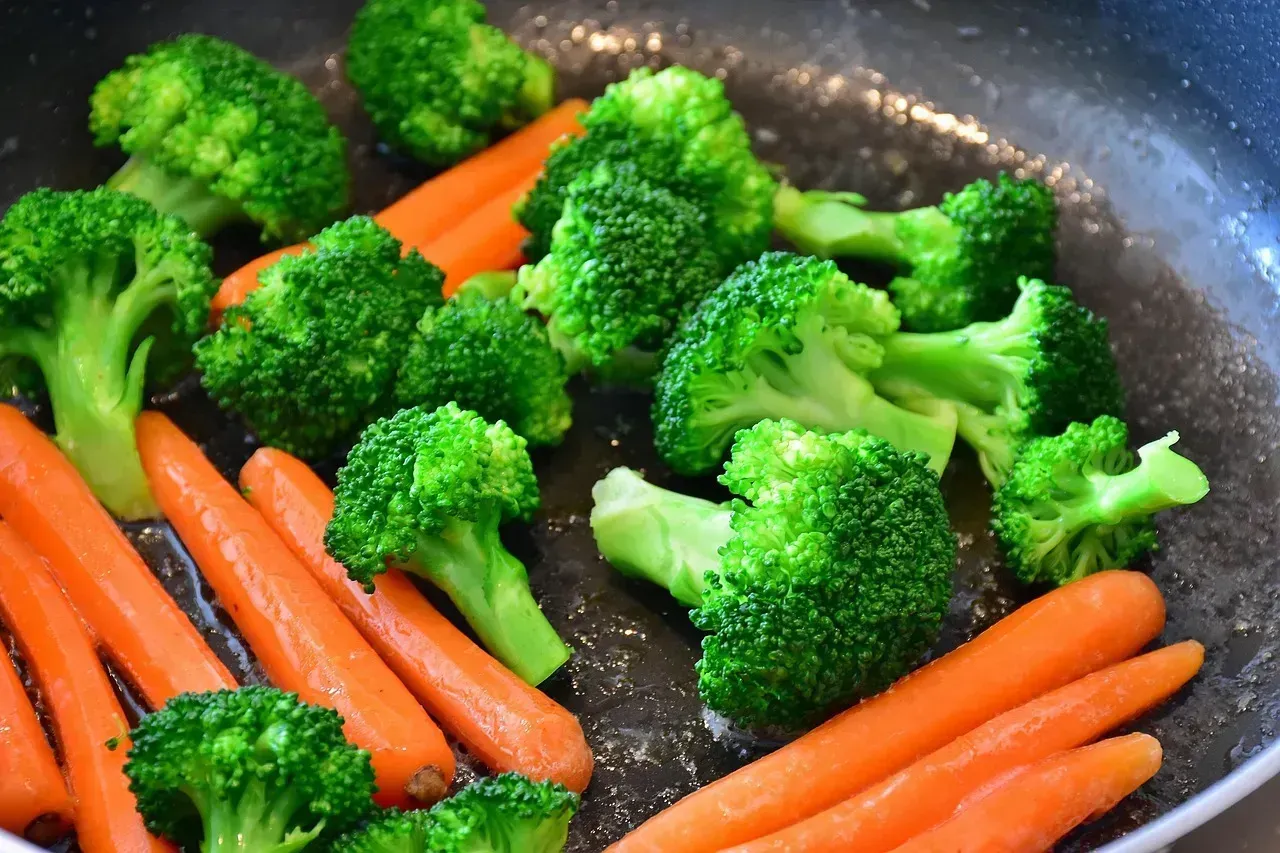
Restaurants always seem to have vegetables that are brilliantly colored and perfectly tender. Their secret is blanching and shocking. You briefly boil vegetables, then immediately plunge them into ice water to stop the cooking process dead in its tracks. Blanching softens vegetables just enough while the ice bath locks in that vivid green color and crisp texture. It also removes bitterness from some vegetables. Prep them this way ahead of dinner and simply reheat when ready to serve.
Blanching vegetables like green beans, broccoli, or asparagus in boiling water and then shocking them in ice water helps to lock in their vibrant color and crisp texture. This technique is particularly useful when preparing vegetables for salads, stir-fries, or as a side dish. It’s also a time-management tool. Restaurants pre-blanch vegetables during prep hours, then finish them to order in seconds, which is a big part of how they serve so many plates so quickly.
The Acid Trick That Wakes Up Flat-Tasting Food
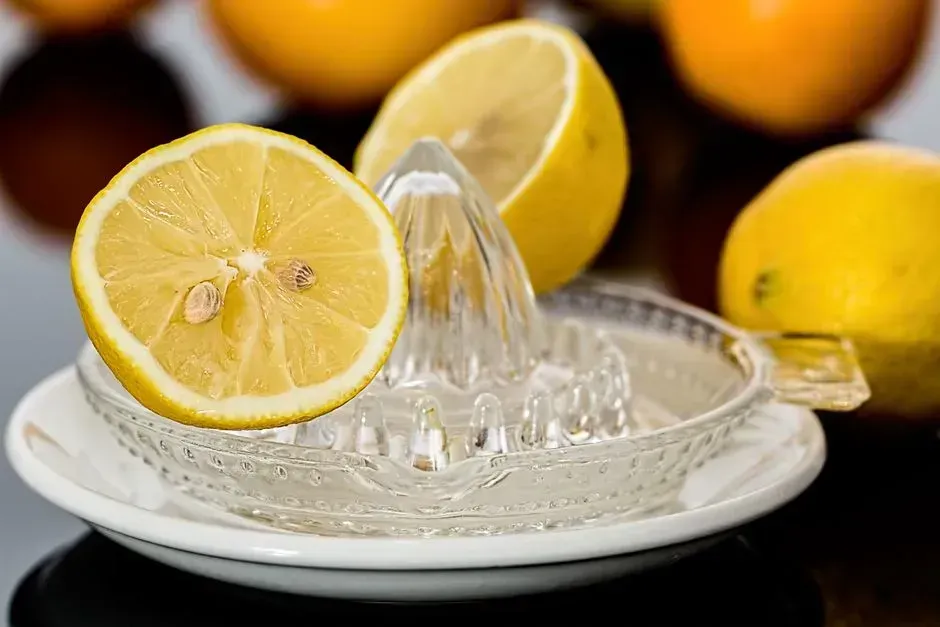
Chefs often taste a dish and, instead of adding more salt, they add acid. It’s the “secret ingredient” that most home cooks forget. Next time your food tastes bland, don’t reach for the salt shaker first. Try a squeeze of lemon or a splash of vinegar and you’ll be amazed at how it wakes everything up. A dish that tastes dull and heavy often isn’t under-salted at all. It’s under-acidified.
Acidity often comes from ingredients like vinegar, citrus juice, or wine. These elements brighten a sauce, cutting through richness and adding a refreshing tang. Sweetness, on the other hand, can come from sugar, honey, or even caramelized vegetables, and it provides a counterpoint to acidity, softening sharp edges. The interplay between these two forces is something professional cooks constantly manage throughout the cooking process, not just at the end.
Tasting Constantly, Not Just at the Finish Line
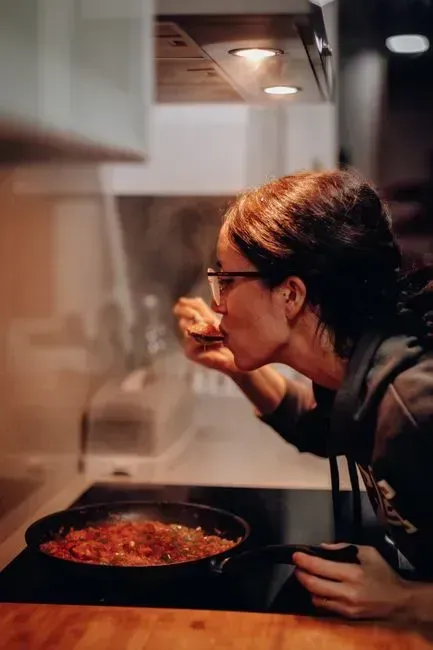
Chefs don’t wait until the end of cooking to check if something tastes right. They taste constantly. This ongoing adjustment is what makes restaurant food so balanced. Home cooks frequently follow a recipe start to finish and taste once at the very end, by which point the chance to correct the trajectory is mostly gone. A sauce that needed more acid at the halfway point will still taste flat even after heavy salting at the table.
The first few steps of cooking will need the most attention, but once you begin layering flavors, you might not need as much salt at the end. Before seasoning, always taste your food, no matter what step of the cooking process you’re at, and assess how much or how little salt is needed. If the food is raw, such as a meatball, cook a small piece off before cooking the entire batch. This way, you don’t end up with an entire batch of underseasoned meatballs.
Properly Salting Pasta Water Like a Professional
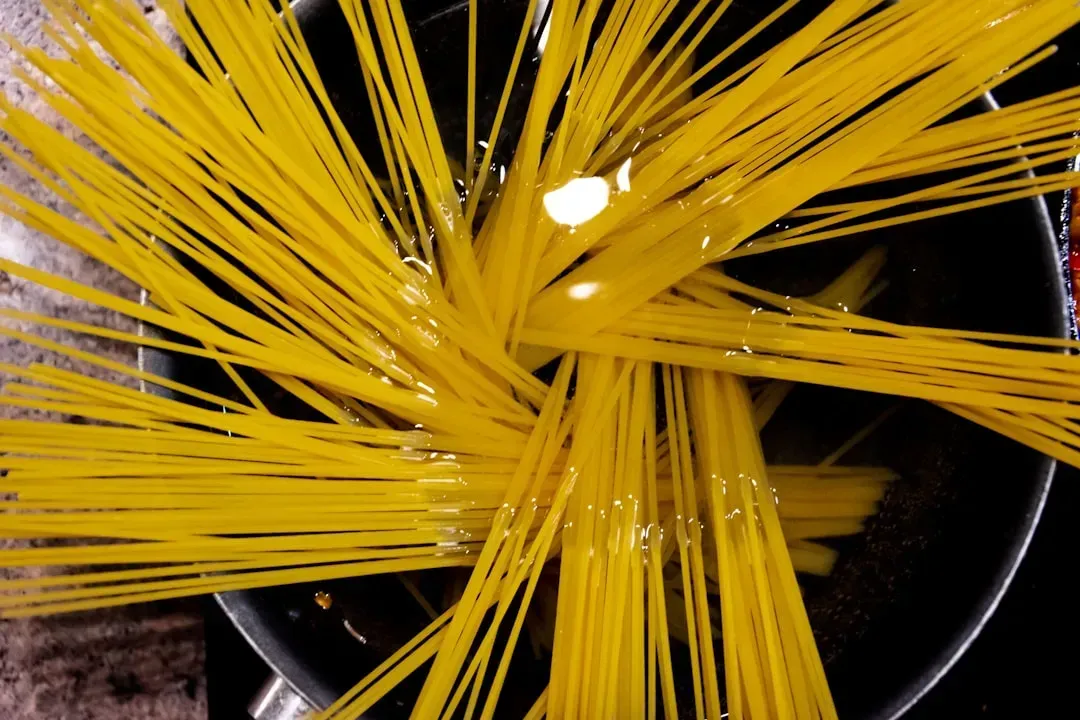
Salting your pasta water is crucial. It’s your only chance to season the pasta itself. Without it, even the best sauce in the world will fall flat. Use roughly one to two tablespoons of kosher salt per gallon of water. Yes, it’s a lot, but this is pasta’s one moment to soak up flavor directly. Most home cooks are far too timid at this stage, and the pasta arrives at the plate tasting of nothing but sauce coating.
When pasta cooks, starches in the noodles absorb water and expand. If the water is salted, those starches absorb sodium ions along with moisture, which enhances flavor throughout the pasta rather than just coating the surface. Unsalted pasta, on the other hand, tastes flat because it only relies on the sauce for flavor. Restaurant chefs often use double the amount most home cooks are comfortable with. Remember that you’re not actually consuming all that salt, as it’s diluted with water, most of which is drained off.
Using the Right Pan for the Right Job
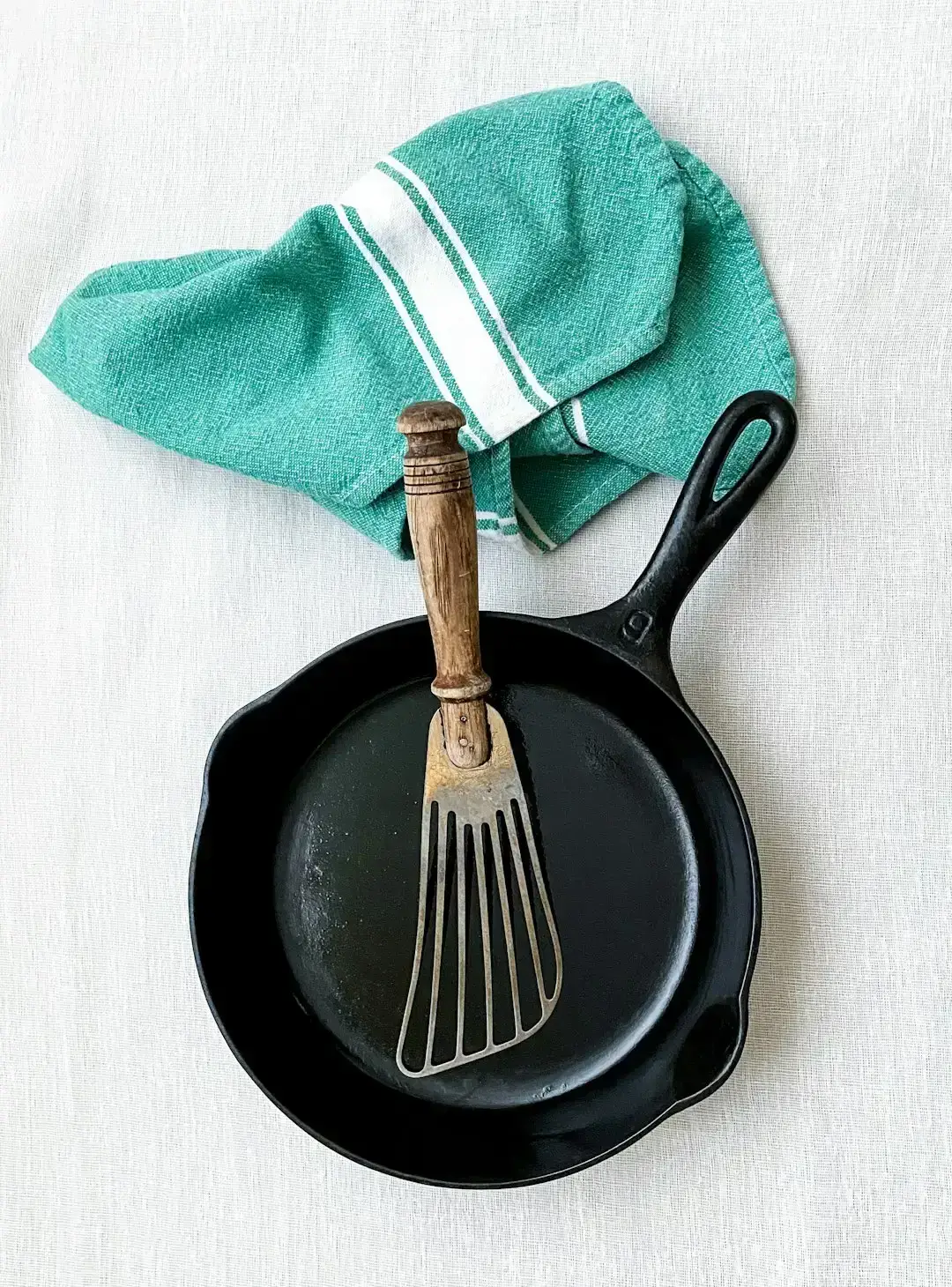
So many home cooks rely rather heavily on their nonstick pans for a majority of the cooking they do. A good cast-iron pan can be used to cook all sorts of recipes. Want to know how to cook a steak perfectly on the stove? It’s a cast-iron pan. The dense metal is nearly immune to damage and creates a nice even finish on all of your dinner favorites. Nonstick pans have their place, but they actively work against you when searing, browning, or building a sauce.
The relationship between pan material and cooking outcome is something professional cooks learn quickly. The primary benefit of deglazing lies in its ability to unlock concentrated flavors that would otherwise go to waste. When meat or vegetables are seared at high temperatures, they leave behind caramelized deposits rich in umami and savory notes. These browned bits are key to creating restaurant-quality sauces that elevate dishes from good to exceptional. Reaching for a nonstick pan eliminates all of that before it even starts.
None of these techniques require culinary school. They require attention, a willingness to taste repeatedly, and a basic understanding of why certain steps matter. The gap between home cooking and restaurant cooking has never really been about equipment or talent. It comes down to a handful of habits practiced so consistently that they become second nature, and knowing which pan to grab before the burner even clicks on.




Leave a Reply