
Monday has a reputation problem in the restaurant world, and it’s not just about low foot traffic or tired staff. It’s about what happens behind the kitchen doors after a busy weekend closes out and before the fresh Tuesday deliveries roll in. Most diners don’t think about the weekly rhythm of a professional kitchen – but chefs absolutely do.
Industry insiders have been passing around this knowledge for decades, quietly steering their own orders away from certain menu items when they happen to dine out on a Monday. Some of this wisdom traces back to Anthony Bourdain’s famously candid writing, and much of it still holds true today. Here’s what they’d never put on their own Monday table.
1. Fresh Fish and Seafood Specials
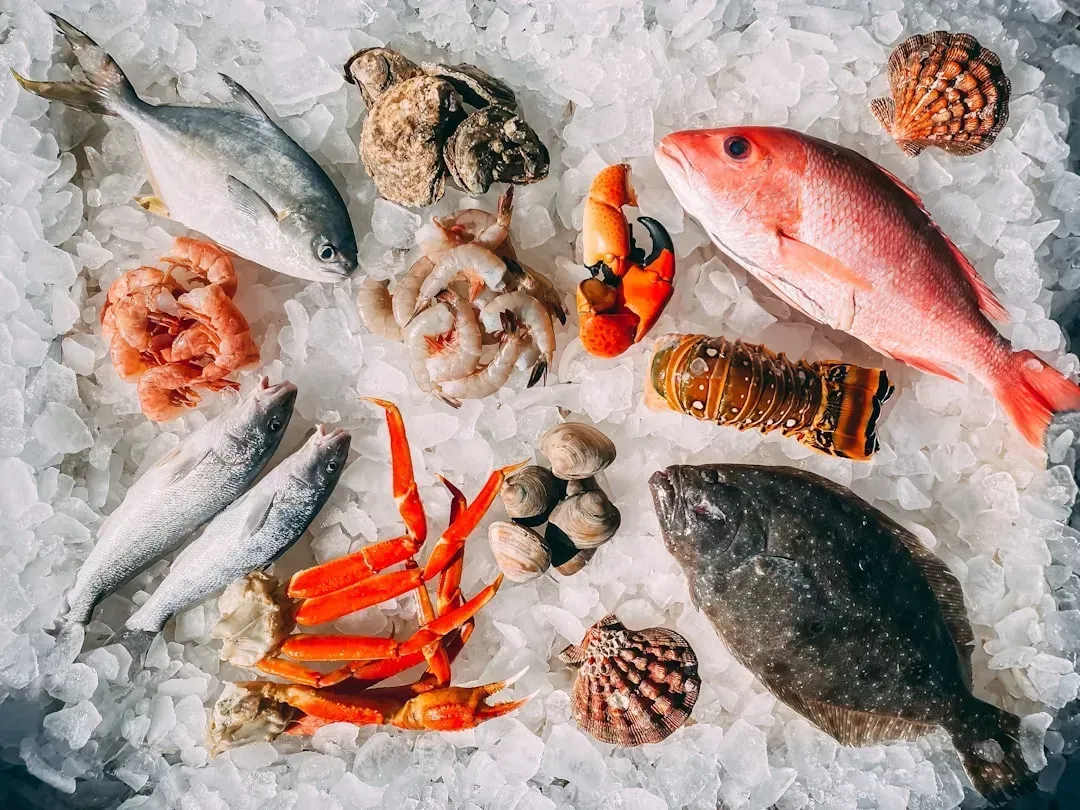
This is the big one, and it has a very practical explanation. Many restaurants get seafood deliveries on Thursdays or Fridays, meaning that Monday’s fish is several days old. That’s not a rumor – it’s simply how the supply chain works for most kitchens. If the weekend seafood order isn’t used up, the fish that diners get with their Monday meal is left over from the original Thursday order. That means your Monday fish entree has been sitting under variable conditions for four days.
Perhaps one of Anthony Bourdain’s most famous and widely repeated pieces of restaurant advice was simple: never order fish on a Monday. In “Kitchen Confidential” and his 1999 New Yorker article, Bourdain pulled back the curtain on restaurant supply chains and exposed how the timing of seafood deliveries could leave Monday diners unknowingly eating days-old fish. The shelf life of fresh seafood is notably short, typically ranging from 24 to 48 hours for optimal quality. At a dedicated high-end seafood restaurant with daily deliveries, you might be fine – but at most standard places, caution is warranted.
2. The Soup of the Day
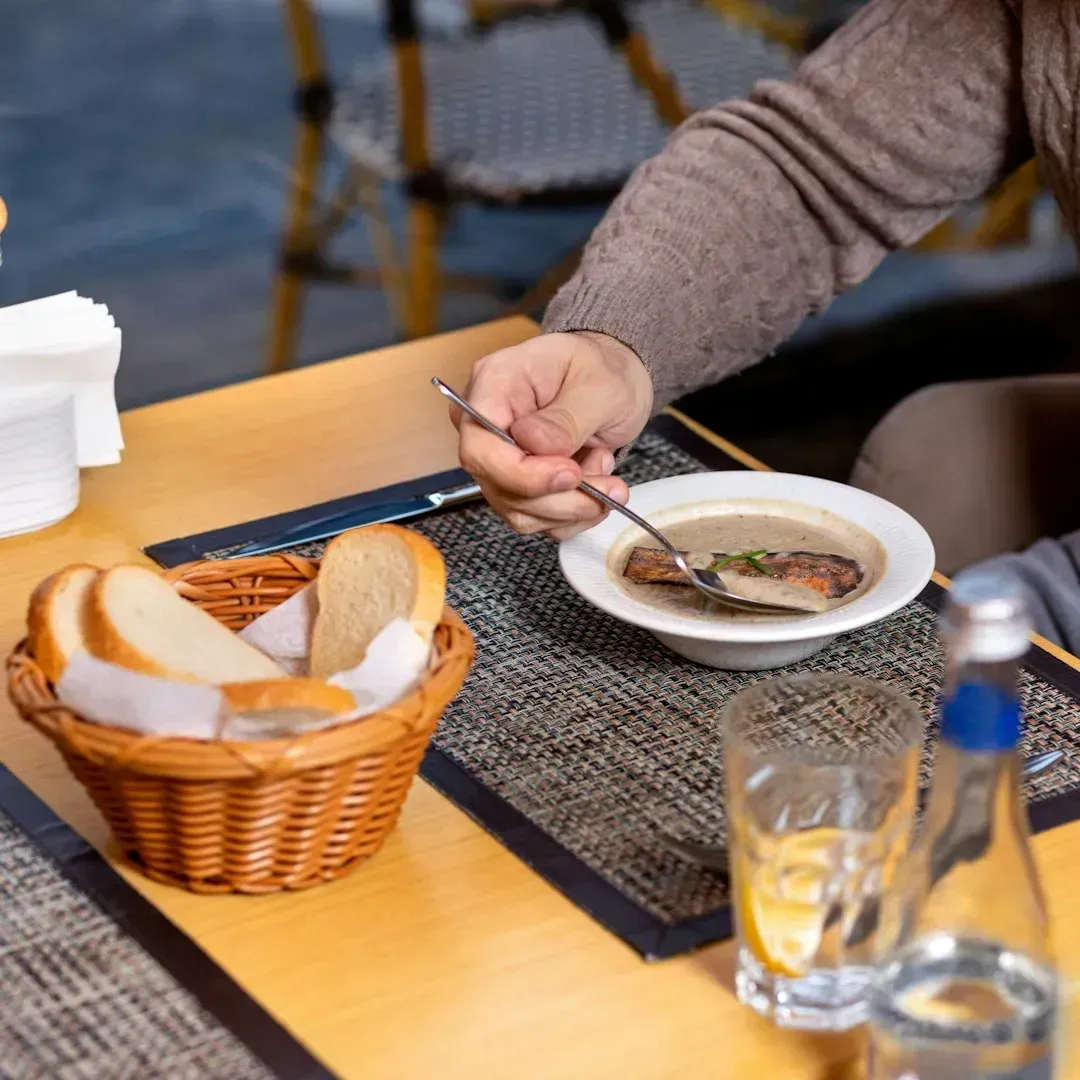
As one head chef put it: “The one thing I do not order at restaurants is the soup du jour. Was it really made today? How long has it been in the steam well? Did the prep cook cool it down properly? It’s a crap shoot I’m not willing to take.” On a Monday, the stakes are even higher. The soup pot at the start of the week often carries the weekend’s unfinished inventory, blended together and presented with a chalkboard name.
The soup specials could be a seemingly innocent way to disguise the leftovers from a previous day. If the specials from previous days were items like roast chicken and vegetables, and now the soup of the day is a chicken vegetable soup, that’s a big red flag that the kitchen is using older, leftover ingredients to make the soup, instead of preparing something worthy in its own right. There’s nothing inherently wrong with making stock from leftovers, but on Monday the ingredient chain can stretch back further than you’d expect.
3. The Daily Specials Board

That handwritten chalkboard might look inviting, but experienced kitchen workers know what it sometimes signals. A special is something you’re trying to get rid of. If you don’t know that, it’s the truth. Some restaurants use “specials” to get rid of old ingredients before they go bad. Unless it’s a chef’s-choice fresh dish, it could be leftover ingredients repurposed into something new.
The dishes on the specials menu can often be made of food chefs need to get rid of fast, such as old vegetables or leftover sauces. Pasta, soup, and sauces can mask not-so-fresh ingredients – the extra hollandaise sauce from the eggs benedict special becomes the béarnaise sauce for tomorrow’s steak dinner. On a Monday, that logic compounds. The specials board isn’t always a bad choice, but it deserves a skeptical second glance on the one day when kitchens are clearing out the weekend’s residual stock.
4. Raw Oysters
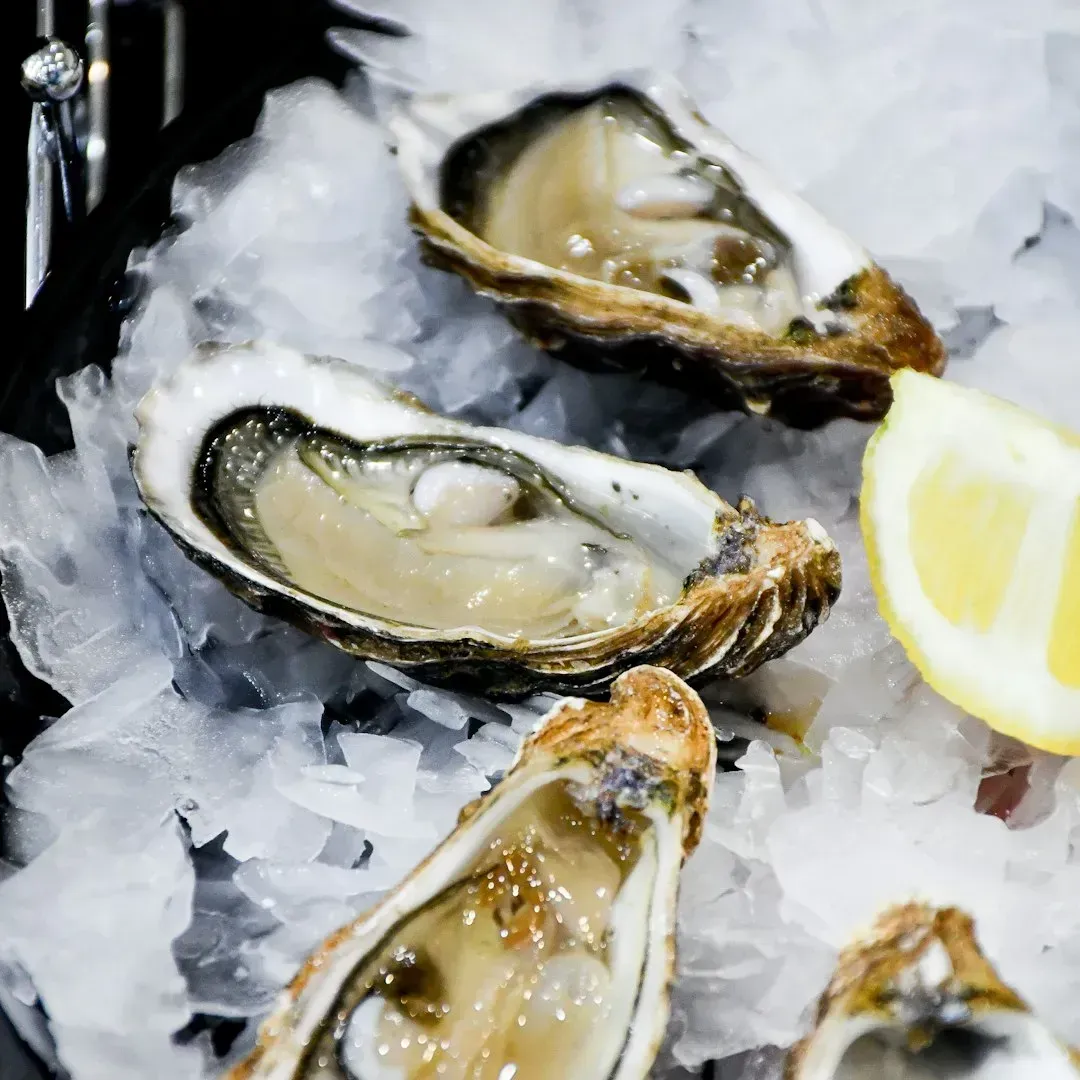
Raw oysters demand an almost perfect cold chain from sea to plate, and Monday dining is not exactly peak conditions for that. Raw oysters present unique risks among seafood options due to their filter-feeding nature and serving method. These mollusks can accumulate harmful bacteria and viruses from their environment, including Vibrio species, which cause serious foodborne illnesses. Unlike other seafood that can be cooked to eliminate pathogens, oysters are often consumed raw, preserving any potential contaminants. The safety of raw oysters depends heavily on proper handling and storage throughout the supply chain.
Some establishments may not rotate their oyster inventory quickly enough, especially during slower business periods. Monday is widely regarded as one of the slowest days for restaurant foot traffic, which means oysters ordered fresh for the weekend may still be sitting in storage. Ordering mussels or other shellfish on Monday is playing gastrointestinal roulette. These delicate shellfish spoil quickly and should be delivered fresh daily. Some restaurants only serve them Thursday through Sunday when freshness can be guaranteed.
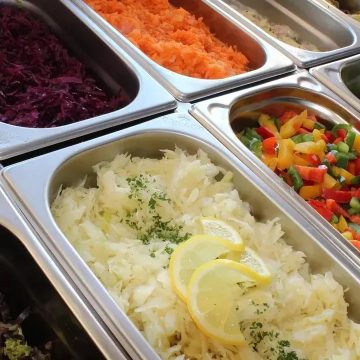
5. The House Salad
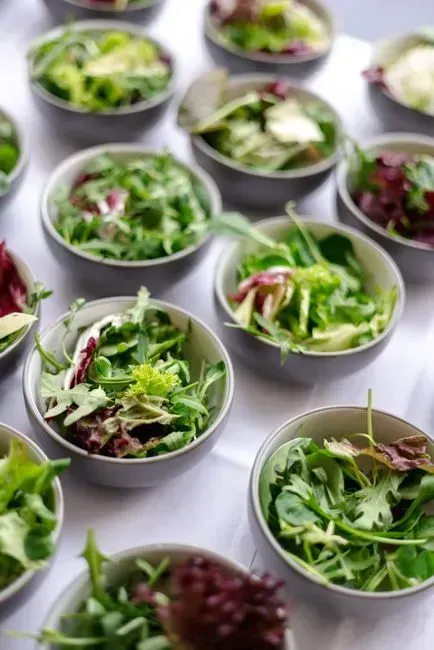
The house salad is one of those menu items that looks harmless – and sometimes it is. On a Monday, though, it can quietly carry the last of a week’s worth of pre-cut produce. Pre-cut lettuce sits in storage for days, increasing the risk of bacteria and foodborne illness. Dressings are often loaded with sugar, cheap oils, and preservatives. Neither of those things is exclusive to Monday, but the timing matters when you consider how produce cycles through a kitchen.
There’s another meal starter to avoid if you’re not looking to eat the kitchen’s leftover goods: the house salad. Chef Suhum Jang, co-owner and managing partner of Hortus NYC, is an item he personally avoids ordering – he just tends to steer clear of restaurant salads overall. The issue isn’t laziness on the kitchen’s part. It’s that a house salad is often built to absorb whatever leafy greens are aging out. On a Monday, you’re likely getting the tail end of Friday’s delivery, not the start of a fresh one.
6. Well-Done Steak
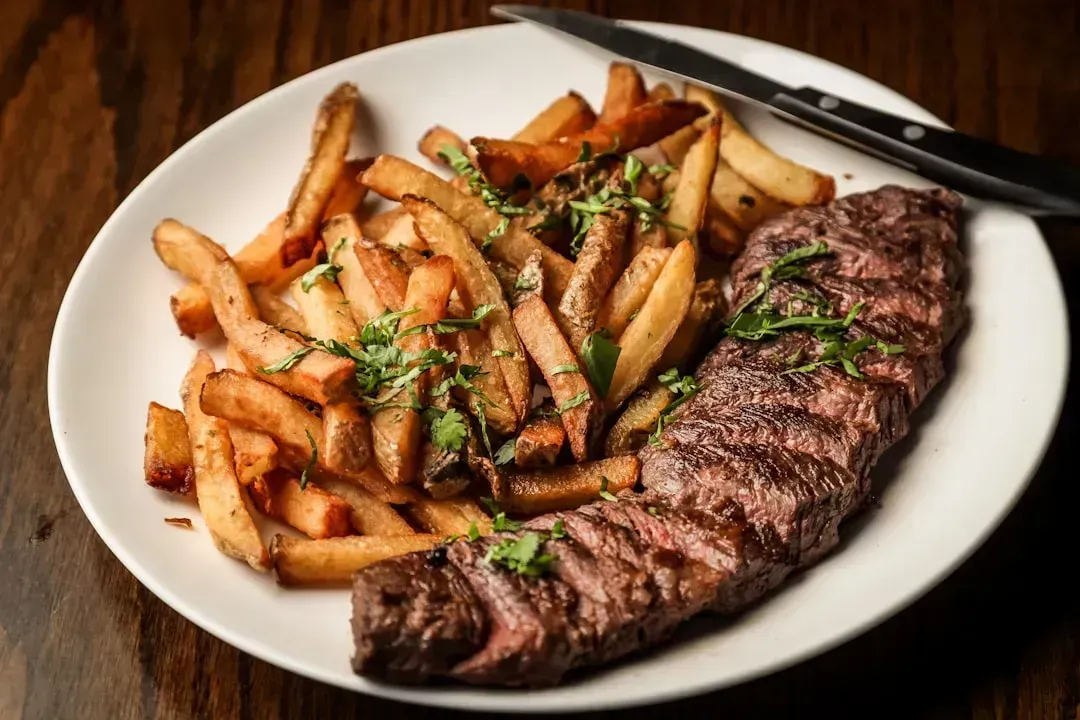
This one operates on a different logic from the freshness concerns above. Many chefs see a well-done order as an opportunity to offload cuts riddled with nerve tissue, excess fat, or that are starting to spoil. Ordering a steak well-done means you’re likely to be served a dry, tough end-cut that’s been lingering in the back of the fridge. On a Monday, when weekend meat inventory is winding down and fresh deliveries haven’t arrived, that dynamic is amplified.
Chefs dislike cooking steak well-done because it kills flavor and tenderness. Many places use lower-quality cuts for well-done orders since the texture is altered regardless. This tradition of “saving for well-done” is rooted in economics. Every cut of meat should ideally return three to four times its cost, and using a subpar piece on a customer who won’t notice the difference is simply good business. If you’re at a steakhouse on a Monday and the urge strikes, at least push toward medium.
7. Truffle-Infused Dishes
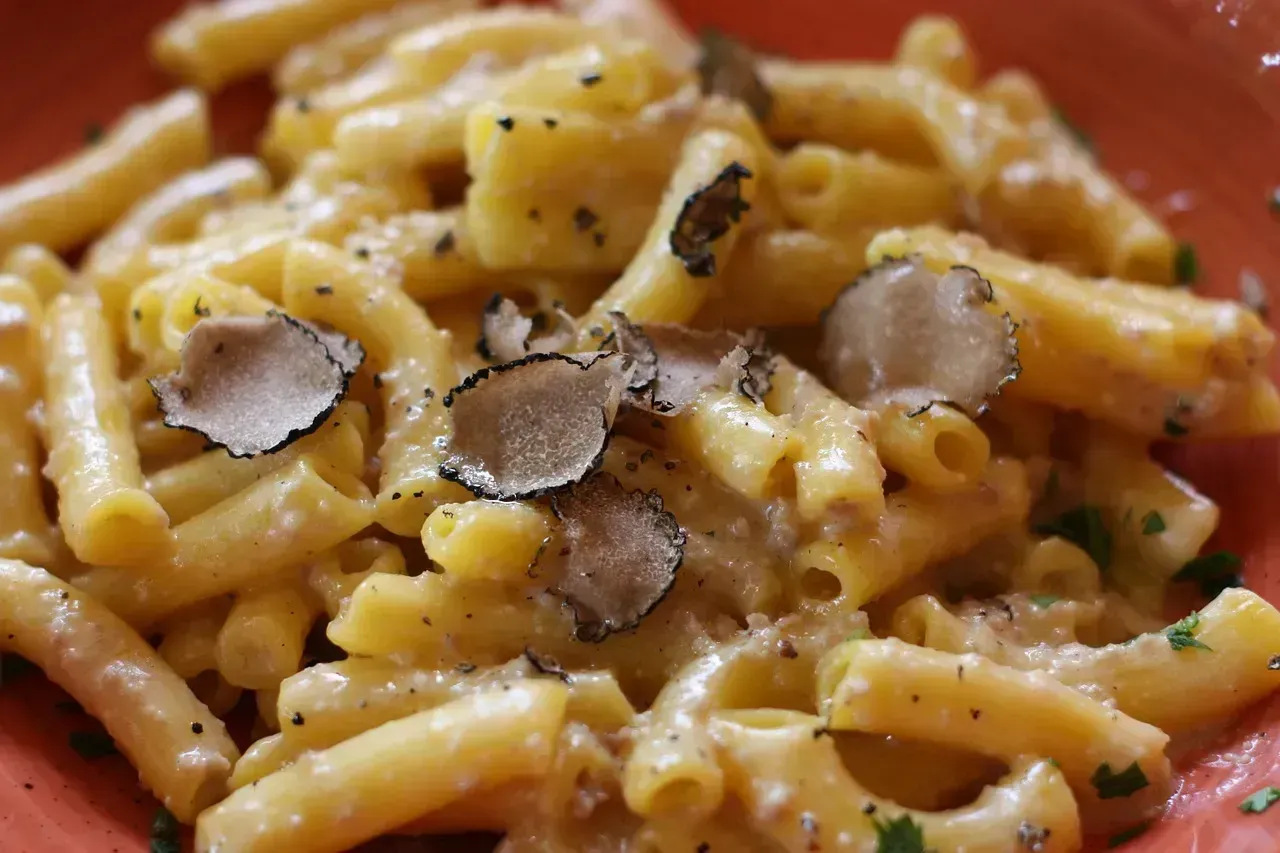
Truffle dishes carry the allure of luxury, but what’s actually on the plate is often far less prestigious than it sounds. Most “truffle” dishes don’t contain real truffles at all – they use truffle oil made from synthetic chemicals, not real mushrooms. They’re extremely overpriced for something that isn’t authentic truffle flavor. This is true any day of the week, but on a Monday it carries an additional layer of risk: the kitchen is running lean, staff may be lighter, and the finish on these elaborate dishes often suffers.
Luxury food items have a higher markup and are almost never worth the extra cost in a restaurant setting. The markup on truffle-infused pasta or risotto at a typical restaurant can be significant, yet the actual truffle content is often minimal or synthetic. Monday is traditionally the slowest day for the restaurant business, with many independent establishments closed. Chain restaurants are more likely to be open seven days a week compared to smaller, locally-owned places. Customers might encounter lower food quality and training staff on Mondays. Premium dishes that depend on precise execution and top ingredients are best saved for a night when the kitchen is fully staffed and at its sharpest.
None of this means Monday dining is always a mistake. Plenty of restaurants run clean, well-stocked kitchens all week long. The point is simply that the day carries structural disadvantages – staggered deliveries, weekend carry-over stock, lighter staffing – that tend to show up most noticeably in specific dishes. Knowing which items are most vulnerable to those pressures is exactly the kind of practical knowledge chefs carry with them whenever they sit on the other side of the menu.

Leave a Reply