
Most of us think we’re pretty decent diners. We tip, we say please, we don’t talk with our mouths full. Yet the moment we sit down at a restaurant, there’s a whole silent layer of etiquette operating beneath the surface that most people quietly ignore without ever knowing it exists.
These aren’t arbitrary rules invented to trip people up. They tend to exist for good reasons: to make service smoother, to show respect for the people cooking and serving your food, and to keep the dining room pleasant for everyone. Here are seven of the most commonly broken ones.
1. Snapping Your Fingers or Waving to Get a Server’s Attention
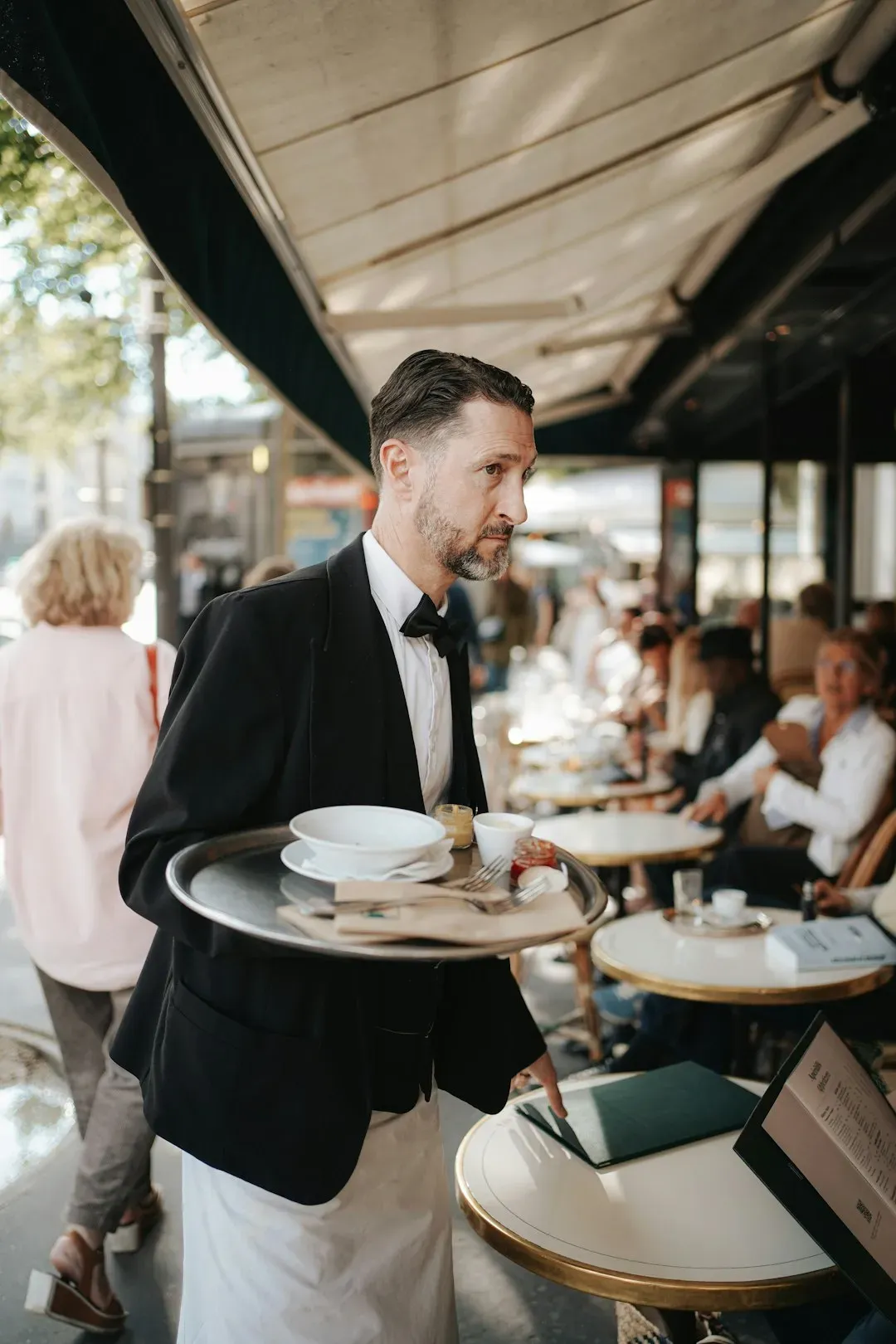
At least eight in ten Americans say it’s unacceptable for diners to snap their fingers to get a waiter’s attention, and yet it still happens constantly. It’s one of those habits that feels harmless in the moment but reads as dismissive and impatient to the staff on the receiving end.
To get the attention of the waitstaff, the right move is simply to make polite eye contact. If that proves impossible, raising one or two fingers just long enough to catch someone’s attention is the respectful approach. In higher-end restaurants, staff are typically trained to observe and attend without needing explicit signals from guests. A quick moment of eye contact is almost always enough.
2. Seasoning Your Food Before You’ve Tasted It
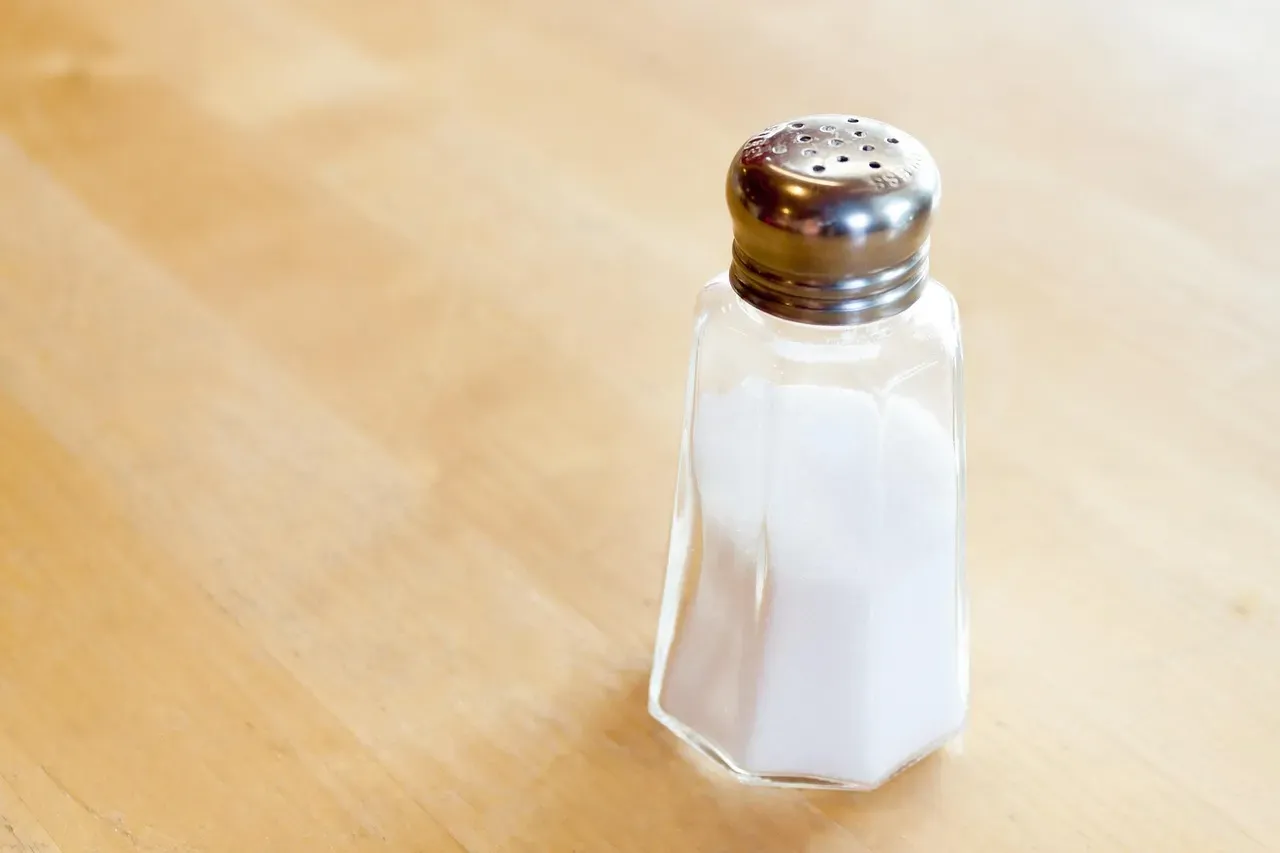
Reaching straight for the salt shaker the moment a plate lands in front of you is one of those habits that can genuinely sting a chef. It signals, without a word, that you’ve already decided the dish is underseasoned before giving it any chance at all. It’s commonly presumed that each course comes from the kitchen ready to eat, seasoned to the chef’s intention, not still needing finessing.
If you see salt and pepper shakers on the table, a little extra seasoning is generally acceptable at that particular restaurant. At more upscale establishments, though, it’s less expected, and a quiet word with the waitstaff might get you a small salt cellar on the side without any awkwardness. It’s a small gesture toward the kitchen that costs nothing.
3. Stacking Your Plates at the End of the Meal
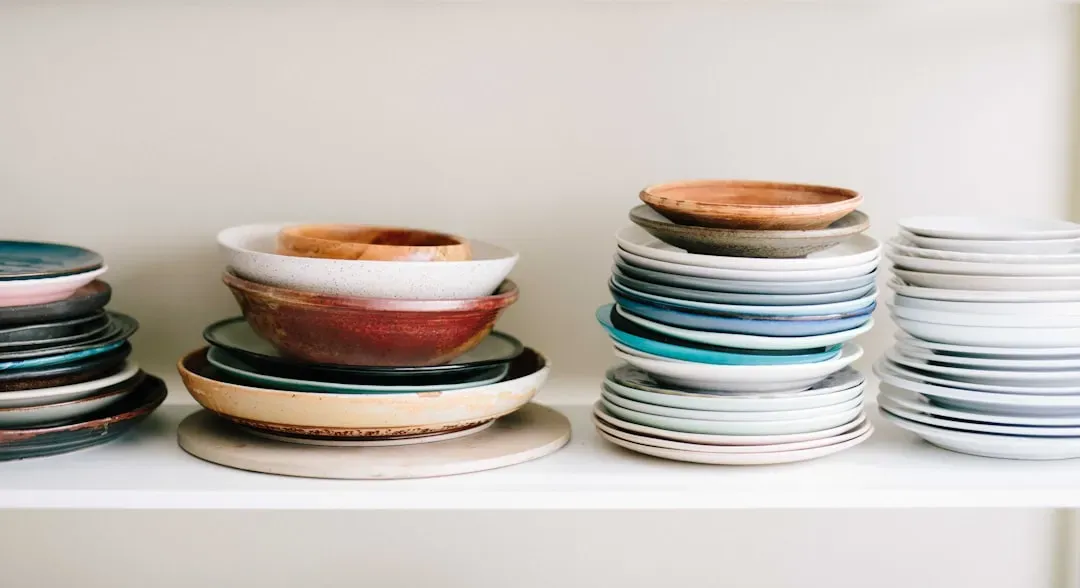
It feels helpful. You’re done eating, the table is cluttered, so you start neatly piling plates to make the server’s job easier. The intention is kind. The effect, however, is the opposite. A serene dining experience can be suddenly disrupted by the clatter of stacked plates. While it might seem helpful, stacking dishes can disrupt the ambiance the establishment has crafted. Allowing the server to clear the table gracefully maintains the dignity of the service staff and respects their expertise in handling the table setting.
Servers are trained to clear in a specific way, and a stack of mismatched crockery can actually be harder and less stable to carry than individual plates. Beyond the logistics, it can also look a bit rushed, as if you’re eager to leave before the meal is properly finished. Let them do their job.
4. Holding Your Wine Glass by the Bowl

If there’s one fine dining mishap that instantly identifies inexperienced diners, it’s failing to hold a wine glass correctly. Holding it incorrectly is among the most common wine-related mistakes. Most people cup the bowl instinctively, the way you’d hold any glass, but with wine it matters more than you’d think.
The rules of fine dining dictate that wine glasses are held solely by the stem. The reason comes down to temperature and aesthetics. Any good sommelier will tell you that wines are meant to stay cool, and the body heat generated from your hand makes palm contact an unwelcome influence on the temperature. A warmed white or a smudge-covered bowl also doesn’t do much for the visual appeal of a carefully poured glass.
5. Starting to Eat Before Everyone at the Table Is Served
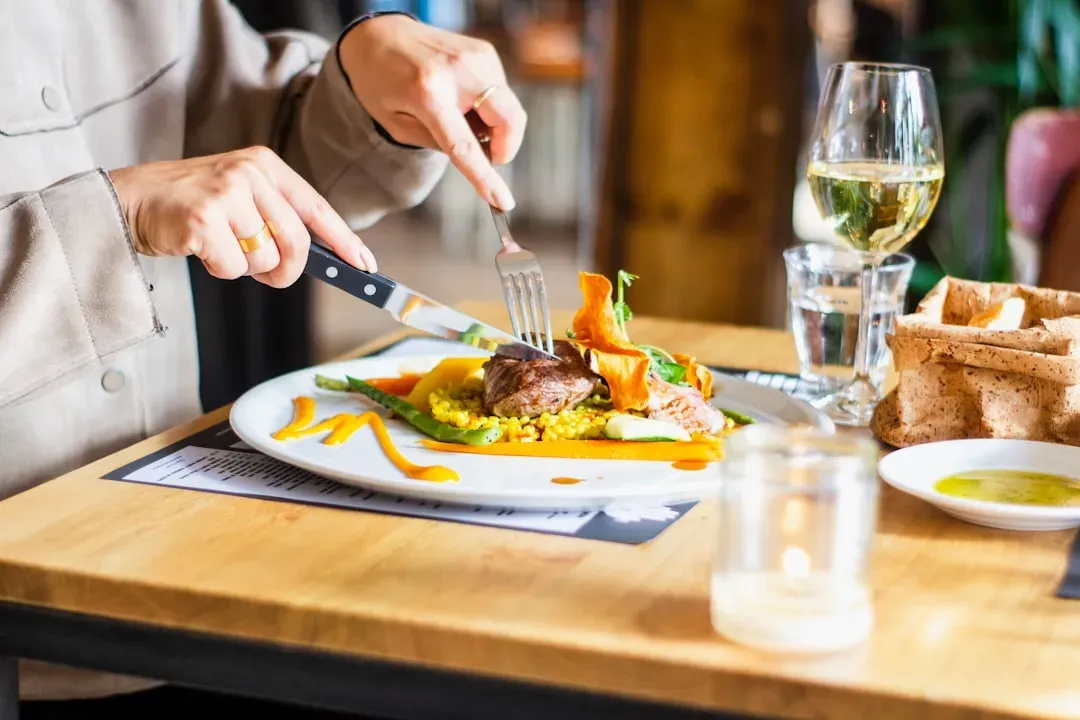
It’s an easy one to overlook, especially when the food smells great and your plate arrives a few minutes before your companion’s. The general rule is to wait until everyone at the table has been served. At very formal dinners, you might wait for a subtle signal or toast. It’s a small gesture of respect and group cohesion. Skipping it might seem harmless, but it puts the other person in the uncomfortable position of watching you eat.
In casual settings, this matters less. At formal events or even a smart neighbourhood restaurant, though, starting too early marks you as unfamiliar with the unwritten rules. A simple “please, go ahead” from the person still waiting is the polite way to clear the air when there’s a long delay between plates arriving.
6. Leaving Your Napkin in the Wrong Place When You Step Away
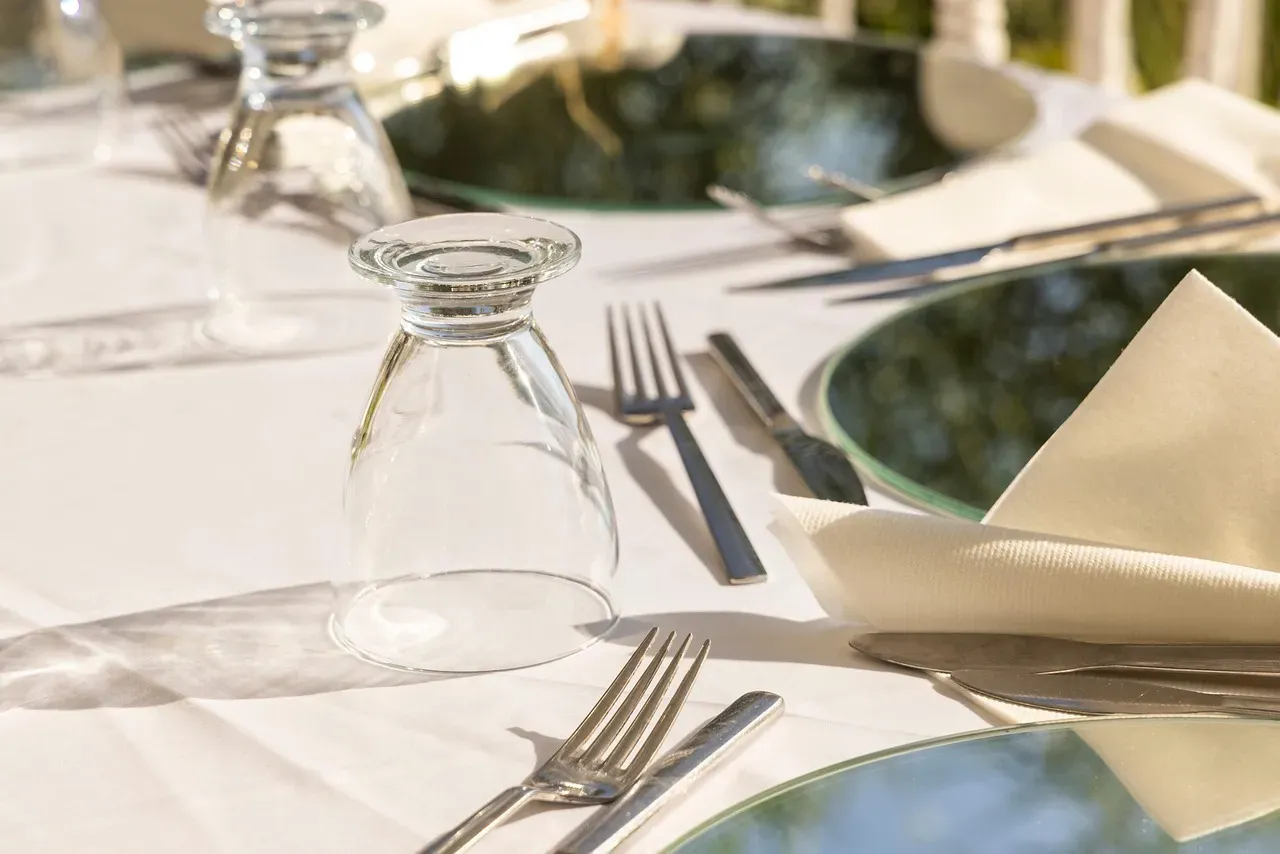
The napkin is one of those items on the table that carries more communicative weight than most people realise. Your napkin’s placement sends a clear message, and getting it wrong can muddle the signal to your server. The correct move when you’ve finished is to gently fold your napkin and place it to the left of your plate. Tossing it onto the table in a heap is a very different signal entirely.
Napkin on your lap means you’re still eating. Napkin on your chair signals that you’ve stepped away temporarily and will be returning. It sounds almost ceremonially formal, but in practice it’s genuinely useful information for the people managing your table. Dropping it anywhere you like can cause confusion about whether you’re done, and in a busy restaurant that confusion can cost you.
7. Arriving Significantly Early or Late for a Reservation
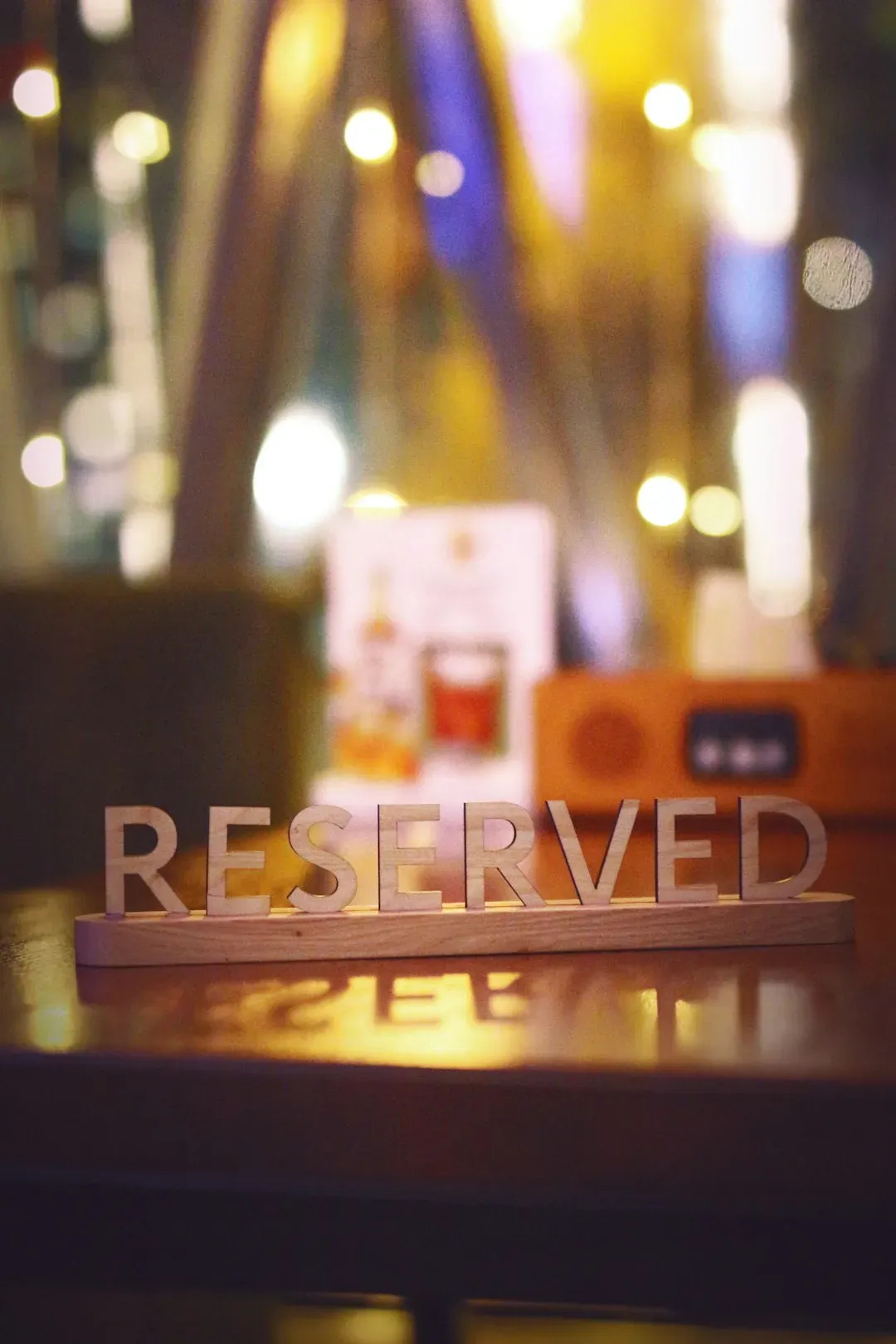
Arriving at the time of your reservation is more important than many diners appreciate. Being too early or too late can upset the restaurant’s schedule, especially during peak hours. A table that’s still occupied when you arrive early, or a table that’s been held for twenty minutes while the kitchen cools, creates a knock-on effect that can ripple through the entire evening’s service.
Most restaurants work on tight turning schedules, and a reservation time isn’t just a suggestion. It’s a commitment that affects the kitchen’s prep, the server’s section, and the guests after you. If you’re running late, a quick call goes a long way. Managers prefer real-time communication over silence. Speaking up helps restaurants manage their flow and keeps the experience better for every guest in the room.
None of these rules are particularly demanding once you know them. They mostly come down to a shared awareness that a restaurant is a collective space, not just the backdrop for your evening. The servers, the kitchen, the other diners all factor in. Keeping that in mind quietly improves the experience for everyone, including yourself.


Leave a Reply