
Ask anyone who has been dating for more than a few months and they will probably have a story that still gives them goosebumps. Maybe it was the ex who shared a name with a childhood best friend, or the stranger they matched with online who turned out to have crossed paths with them years earlier. Relationship therapists and psychologists have started paying closer attention to these moments, not because they prove fate is real, but because they reveal fascinating patterns in how our brains process meaning, timing, and connection.
What follows are six of the most talked-about coincidences in modern dating, the kind that make people pause mid-conversation and say “wait, that’s weird.” Each one has some grounding in real psychological research, even if science can’t fully explain why they feel so uncanny.
1. Sharing a Birthday With Someone You Just Met
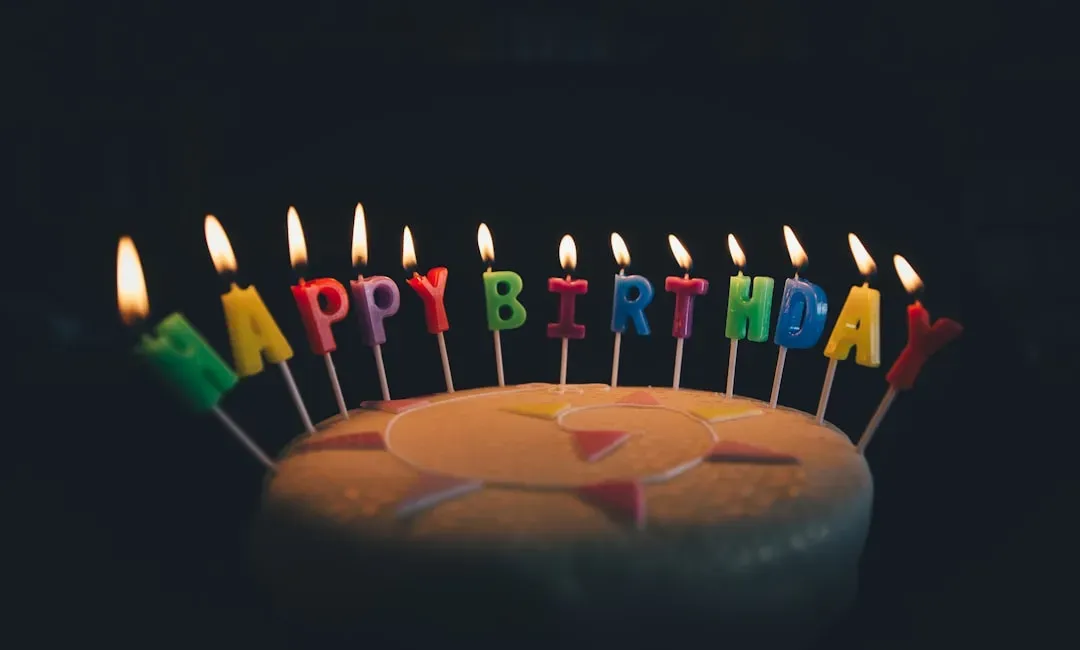
It sounds impossible until you do the math. People share their birthday with only one person in 365, yet in a group as small as 23 people, the chance for two people sharing a birthday is greater than fifty percent. That means the “wow, no way, me too” moment on a first date isn’t nearly as rare as it feels in the moment, though it certainly doesn’t feel that way when it happens to you.
What makes this coincidence stick with relationship experts isn’t the math, it’s the behavioral shift that follows. People are more likely to comply with a stranger’s request, feel more connected to them, rate them more favorably, and show them more cooperation compared to strangers without that shared trait. Researchers trace this back to the idea that incidental similarities create a psychological “unit relation” that promotes positive feelings and attraction, because people have a tendency to prefer things that remind them of themselves. In dating, that tiny shared date on a calendar can quietly tip the scales toward a second date.
2. Falling for Someone Who Shares Your Initials or Name
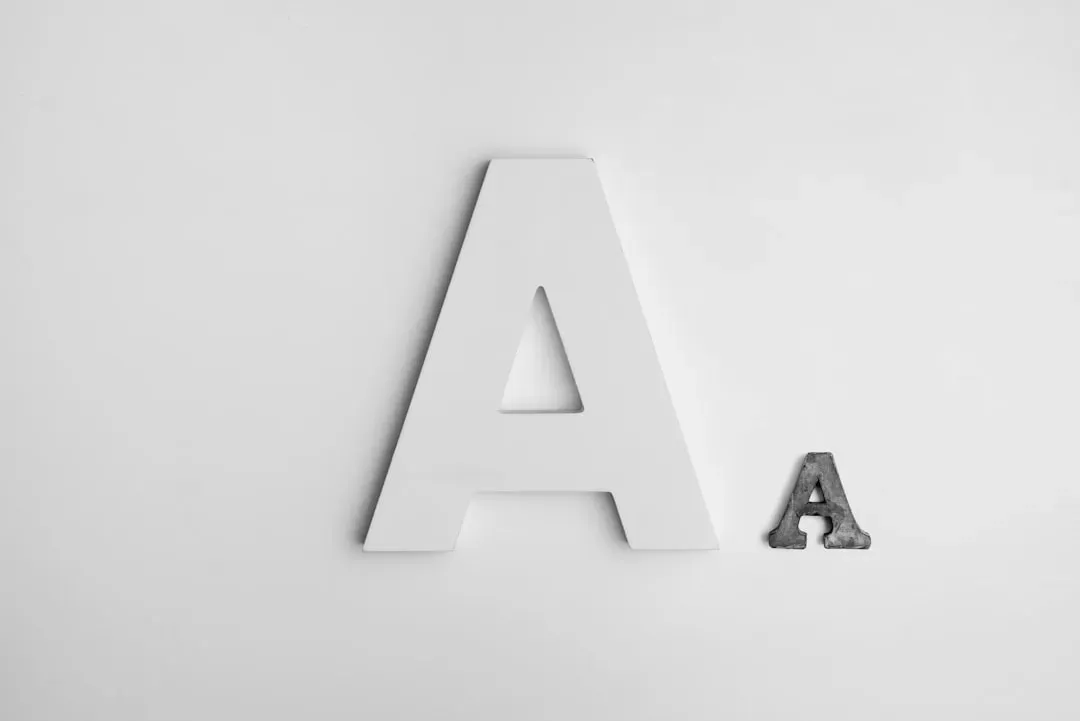
Plenty of couples laugh about how strange it felt when they realized their names practically rhymed, or their initials matched. This isn’t just charming trivia. The name-letter effect describes people’s tendency to prefer the letters in their own name over other letters, and research consistently shows that people rate the letters in their own name most favorably even when they aren’t consciously aware of doing it. That subtle self-referential pull can extend to how we feel about the people who happen to share those letters.
It goes further than idle preference too. Studies have even found that the name-letter effect affects marriage, with people more likely to marry a person with a similar name. Psychologists who study attraction note that this kind of name similarity has been described as a particular form of self-attraction, where we’re drawn to what reminds us of the person most of us love most, ourselves. It’s a humbling explanation for a moment that often feels romantic and mysterious rather than psychological.
3. Realizing You Crossed Paths Years Before You Officially Met

This is the coincidence that tends to unsettle people the most, discovering that you were at the same concert, worked two blocks apart, or had a mutual friend years before you ever exchanged a single word. It taps into what Carl Jung famously called synchronicity. Synchronicity psychology is the study of meaningful coincidences, events that feel deeply connected but share no causal relationship, a term Jung coined to describe experiences that seem too significant to be mere chance yet defy conventional cause-and-effect explanation.
Modern researchers studying this phenomenon point out that the explanation may be less mystical than it feels. The human brain is wired to detect patterns, a trait that served our ancestors well but also makes us prone to perceiving connections that may not exist. Even so, experts don’t dismiss the emotional weight of these discoveries. The event might be ordinary, but the timing makes it feel like a message addressed only to us. Whether or not it means anything cosmic, it certainly makes for a great story at dinner parties.
4. Thinking of Someone Right Before They Reappear in Your Life
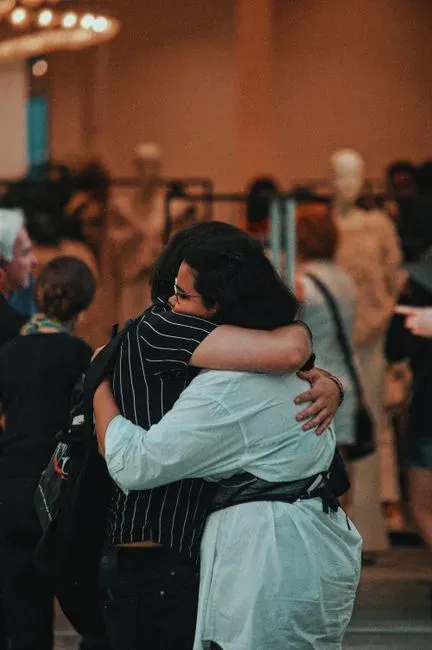
Nearly everyone has experienced some version of this: thinking about an old flame out of nowhere, only to run into them at the grocery store that same week, or matching with them again on a dating app years later. You think about someone you have not seen in years, and they call that afternoon, and the timing feels so improbable that it is difficult to dismiss as simple chance.
Researchers who study these moments have noticed they don’t happen randomly across a person’s life. Over many years of studying meaningful coincidences, researchers have noticed that they frequently arise during periods of emotional intensity, uncertainty, and major life transitions. The reasoning is fairly grounded in cognitive science. During unstable periods, people become more attentive to patterns, relationships, symbols, and unexpected connections that they might otherwise ignore. So the reappearance might not be fate, it might be your own heightened awareness noticing something that was always there.
5. Discovering You Have an Eerie Number of Overlapping Details

Some couples describe a slow-dawning realization that goes beyond one coincidence and becomes a whole pile of them, matching childhood pets, the same summer camp, even overlapping exes. One widely cited account from a person swept up in this kind of romance recalled how his mother’s name was the same as her sister’s, and his brother’s name was the same as her father’s. It’s the kind of detail that feels engineered by the universe itself.
Relationship experts urge some caution here, because the emotional intensity of these overlaps can cloud judgment. The intense emotions, needs, and changes of new romance breed coincidences, and coincidences in turn quicken romance, enhanced by the timeless feeling of synchronicity that makes the relationship feel like it will go on forever. That doesn’t mean the overlaps aren’t real or meaningful, but experts who have watched these relationships play out over time suggest treating the flood of coincidences as interesting rather than as proof of destiny.
6. Meeting “The One” Right After a Major Life Turning Point

Breakups, moves, job changes, grief, these are the moments people most often point to when describing how they met someone who changed everything. It isn’t just a storytelling trope. Psychological research links synchronicity experiences to periods of stress, grief, and major life transitions, suggesting the mind becomes more attuned to coincidences when it most needs meaning.
There’s a deeper reason this timing feels so significant rather than random. Humans are social, meaning-seeking animals, and isolation, loss, and transition all disrupt the web of relationships and narratives that normally give life coherence, so synchronistic experiences can partially substitute for that lost coherence by suggesting that events are somehow oriented toward you. In other words, meeting someone new right when your world is shifting doesn’t just feel meaningful, it may genuinely function as an emotional anchor during a period when you need one most.
None of these coincidences prove that dating is guided by some invisible cosmic script. Yet they do reveal something honest about how human connection actually works, timing, pattern recognition, and self-similarity all quietly shape who we’re drawn to and when. Relationship experts tend to agree that the chills these moments produce are real, even if the explanations behind them are more psychological than magical.
Maybe that’s the most comforting takeaway of all. Whether it’s a shared birthday, a matching name, or a reunion that arrives at exactly the right moment, these small strange overlaps remind us that love rarely happens in a vacuum. It happens at the intersection of timing, memory, and a mind that is always, quietly, looking for meaning.


Leave a Reply