
Something has shifted in how couples talk about their relationships lately. Therapists, relationship coaches, and researchers keep pointing to the same pattern: partners are becoming more deliberate about what they will and won’t tolerate, not just from each other, but from the habits that quietly shape modern romance. A lot of this has to do with technology, but not all of it.
The habits below aren’t dramatic betrayals or obvious red flags. They’re small, everyday behaviors that used to slide by unnoticed. Now, with more awareness around mental health, attachment styles, and the effects of constant connectivity, couples are treating them as warning signs worth addressing before they turn into bigger problems.
1. Phubbing during shared time

Phubbing, the habit of snubbing a partner in favor of a phone screen, has become one of the most common complaints in modern relationships. It sounds minor until you consider how often it happens during dinners, in bed, or during the ten minutes a couple actually has together after a long day. Over time, the message a partner receives isn’t about the phone at all. It’s about priority, and whether they even register as one.
Couples are increasingly setting phone free zones or designated windows for undivided attention. This isn’t about banning technology outright. It’s a recognition that connection requires eye contact, tone, and presence, none of which a glowing screen can offer.
2. Keeping a running scorecard

Scorekeeping, tallying who did the dishes last, who apologized first, or who spent more on the last vacation, feels productive in the moment. It rarely is. Relationship researchers have long noted that this kind of ledger mentality turns partnership into competition, and competition breeds resentment rather than resolution.
What’s changing is how quickly couples are naming this pattern out loud. Instead of letting a mental tally build silently for months, more partners are calling it out early, treating the habit itself as the problem rather than whatever specific grievance triggered it.
3. Airing relationship problems on social media

Subtweeting a partner, posting vague captions after a fight, or narrating relationship drama to a wide online audience has become a habit couples are actively trying to unlearn. It’s a strange side effect of platforms built for sharing everything, including the messy parts of a relationship that used to stay private. The problem is that once a disagreement becomes public content, it stops being about resolution and starts being about performance.
This concern has grown alongside broader shifts in dating culture. Singles increasingly say they want a connection that feels grounded, warm, and safe, with honest conversations mattering most to many. That same desire for groundedness is pushing couples away from turning their private struggles into public spectacle.
4. Going silent instead of talking it out

The silent treatment, or what researchers call stonewalling, has a long history of quietly damaging relationships. It feels like self protection in the moment, a way to avoid saying something regrettable during a heated exchange. Left unchecked, though, it teaches a partner that certain topics are simply off limits, which erodes trust faster than most arguments ever could.
More couples are learning the difference between taking a short break to cool down and disappearing emotionally for hours or days. The first is healthy regulation. The second is avoidance dressed up as patience, and it’s a distinction more people are finally starting to recognize in real time.
5. Hiding spending from each other

Financial secrecy, sometimes called financial infidelity, covers everything from hidden credit cards to unreported purchases. It doesn’t always come from malice. Sometimes it’s shame, sometimes it’s a desire for autonomy, but the effect on trust is the same either way.
Financial transparency has become something couples openly discuss earlier in relationships rather than treating money as a taboo subject reserved for after marriage. Shared budgeting apps, joint check ins, and honest conversations about debt are replacing the old habit of quietly managing finances in separate, unspoken lanes.
6. Comparing the relationship to strangers online

Scrolling through curated posts of other couples’ vacations, proposals, and anniversary tributes has a way of making an ordinary Tuesday feel inadequate by comparison. This habit of measuring a real relationship against someone else’s highlight reel has quietly fueled dissatisfaction for years, even when the relationship itself is perfectly healthy.
Couples are getting better at naming this comparison trap when it happens, treating it less as evidence of a problem and more as a distortion caused by the platform itself. Recognizing that most online relationship content is edited for effect takes some of its power away.
7. Leaning on AI chatbots for emotional support instead of each other
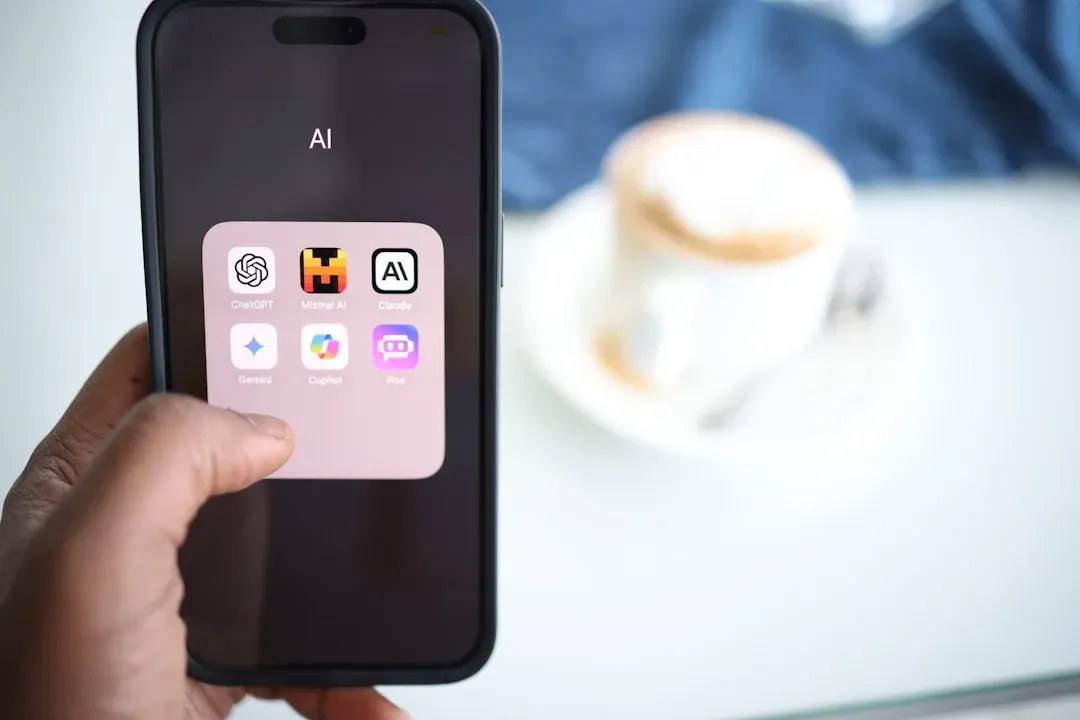
As AI companionship tools have grown more sophisticated, some partners have started turning to them for comfort, advice, or simply someone to talk to when things feel tense at home. It’s understandable, since a chatbot never gets defensive and never needs anything in return. That one sided convenience is exactly what worries relationship professionals.
Research on connection continues to reinforce that while AI relationships can be comforting, they are also risky, since evidence shows human connection reduces loneliness and improves health outcomes, and AI cannot replace mutual growth, accountability, or shared sacrifice. More couples are treating heavy reliance on AI for emotional processing as a signal to reconnect with each other directly, rather than outsourcing vulnerability to software.
8. Letting texting replace real conversations

Text messages are efficient for logistics, but they strip out tone, pacing, and nonverbal cues that carry a huge amount of meaning in a conversation. Couples who default to texting through disagreements or emotional topics often end up more confused, not less, since a flat message can read as cold even when it wasn’t meant that way.
There’s a growing push toward reserving anything emotionally significant for a phone call or an in person talk. It’s a small rule, but it prevents the kind of misread tone that turns a minor issue into a drawn out misunderstanding over several exchanged messages.
9. Letting sarcasm slide into contempt

A little teasing between partners is normal and often affectionate. The line gets crossed when sarcasm starts carrying an edge of genuine disrespect, the kind that makes a partner feel small rather than in on the joke. Contempt has been identified by relationship researchers as one of the strongest predictors of relationship breakdown, more damaging than outright anger in many cases.
Couples are getting sharper at noticing when playful jabs have curdled into something meaner. The fix isn’t eliminating humor entirely, it’s paying closer attention to how a comment actually lands, not just how it was intended.
10. Avoiding conflict altogether

Not every couple that seems calm is actually doing well. Some have simply agreed, without ever discussing it outright, to avoid anything that might spark tension. This kind of conflict avoidance can look peaceful on the surface while allowing real issues to pile up quietly underneath.
More partners are recognizing that a relationship with zero visible disagreements isn’t necessarily a healthy one. Structured, low stakes check ins are becoming a popular way to surface small frustrations before they harden into resentment, since most deal breakers were not discovered late, they were known early and never discussed.
11. Constant location tracking

Location sharing apps started out as a convenience for coordinating pickups and knowing when someone left work. For some couples, that convenience has slid into something closer to surveillance, with one partner checking the other’s location throughout the day out of habit or anxiety rather than actual need.
This is one of the more recent concerns to surface, tied closely to how normalized constant digital visibility has become. Couples are starting to draw clearer lines around when location sharing is genuinely helpful versus when it’s quietly feeding insecurity, and turning it off, at least selectively, is becoming a small but meaningful boundary for some.
None of these habits are relationship ending on their own. What they share is a way of chipping quietly away at trust, presence, or honesty over time, often without either partner fully noticing until the distance between them has already grown. Naming them early seems to be the common thread among couples who are managing to sidestep the damage altogether.




Leave a Reply