
Curio Cabinets Packed With Knickknacks
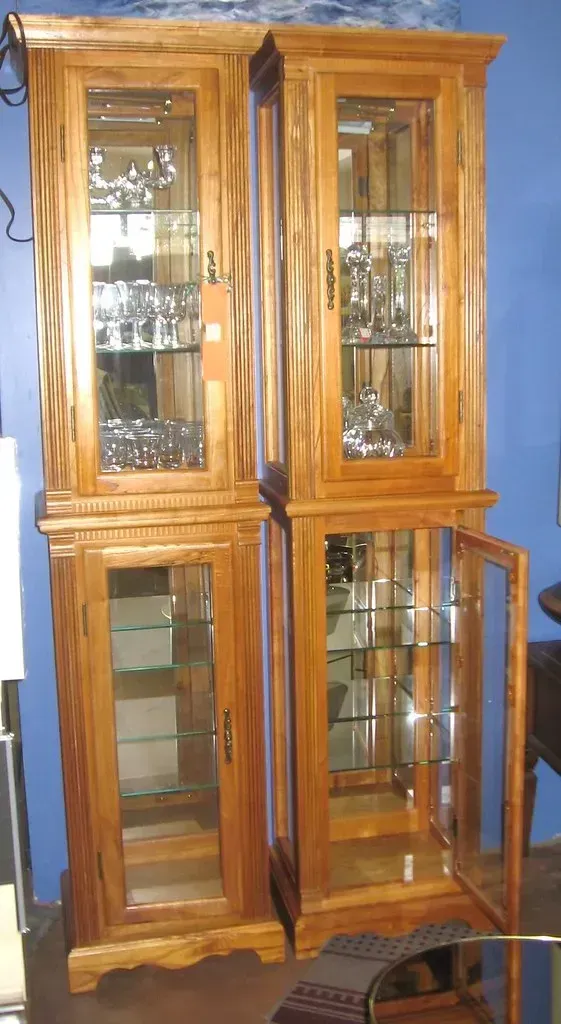
Curio cabinets were once a staple in nearly every suburban living room, built specifically to display porcelain figurines, commemorative plates, and travel souvenirs. Boomers grew up in an era when displaying collections was a point of pride, a way to show off both taste and travel history to visiting guests. The glass-front design meant everything stayed dust-free while remaining visible, which made sense in a decor culture built around showcasing objects rather than hiding them.
Younger homeowners tend to see these cabinets as furniture that eats floor space without offering real function. Open shelving or simple floating shelves have replaced the impulse to display trinkets behind glass doors. The shift reflects a broader move toward fewer possessions overall, since younger buyers are statistically less likely to accumulate the kind of collectible items curio cabinets were built to hold.
Cedar Chests For Blanket And Linen Storage
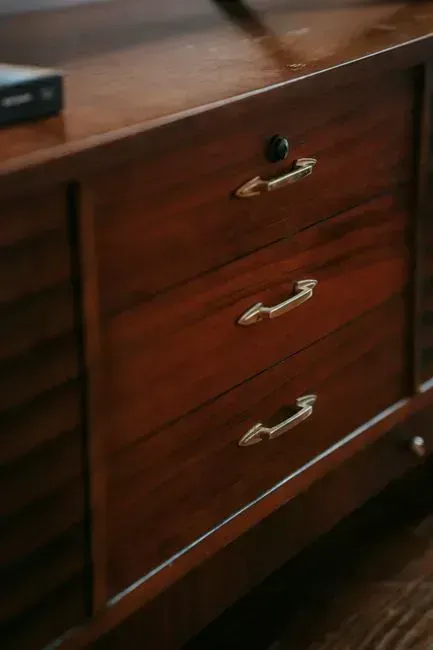
Cedar chests carry a strong sentimental pull for many boomers, often passed down as hope chests or wedding gifts decades ago. The aromatic cedar wood was prized for naturally repelling moths, which made these chests genuinely useful for storing wool blankets and out-of-season linens long before plastic bins became common. They also doubled as coffee tables or bench seating, giving them a dual purpose that fit smaller postwar homes.
Today’s homeowners generally reach for stackable plastic totes or vacuum-sealed storage bags instead, prioritizing space efficiency over craftsmanship or sentimentality. Cedar chests are bulky, heavy to move, and don’t stack, which makes them a poor fit for apartments or homes where storage needs to be flexible. The chests haven’t disappeared entirely, but they’re more likely to be inherited than purchased new.
Built-In China Cabinets For “Good” Dishes
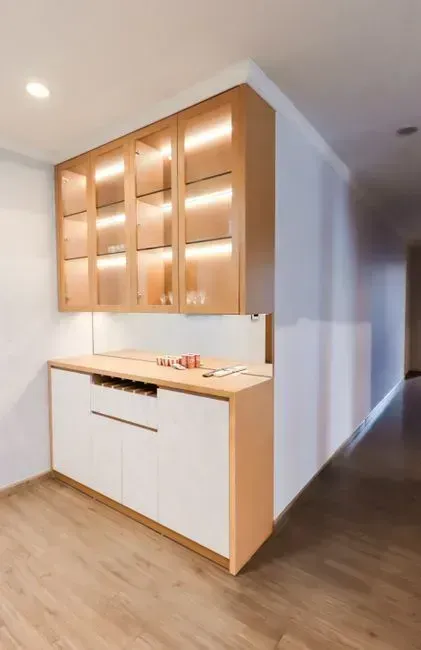
Built-in china cabinets, often attached directly to dining room walls, were designed to hold formal dinnerware that many boomers reserved exclusively for holidays and special occasions. The idea of owning a full set of china, separate from everyday dishes, was tied to a broader postwar emphasis on formal entertaining and matching place settings. These cabinets were frequently glass-fronted, turning the dishware itself into part of the room’s decor.
Younger generations are far less likely to own separate formal dinnerware at all, let alone dedicate a piece of furniture to storing it. Casual entertaining has become the norm, and many younger homeowners use the same dish set for both everyday meals and gatherings. When these built-ins exist in older homes, they’re often repurposed for books, linens, or general storage rather than actual china.
Garage Pegboards For Every Tool Imaginable
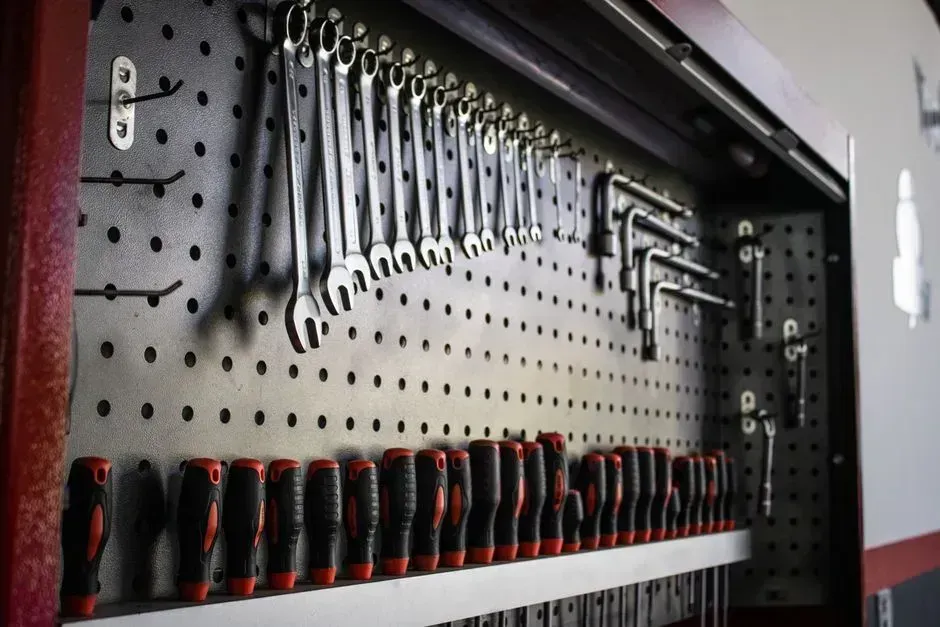
Pegboard walls became a garage staple starting in the mid-20th century, giving boomers an easy way to hang and organize hand tools, extension cords, and gardening equipment. The appeal was practical: everything stayed visible, accessible, and off the ground in homes where DIY repairs were a regular part of homeownership. It also allowed for endless customization with hooks and shelves added over time.
Younger homeowners still value garage organization, but many have shifted toward modular wall-mounted systems with slotted panels or enclosed cabinets instead of open pegboards. Part of the shift is aesthetic, since exposed tools can look cluttered, but part of it is practical too, as fewer younger adults report doing extensive DIY home repairs compared to previous generations. Enclosed storage also keeps tools protected from garage dust and humidity, which pegboards don’t address.
Freestanding Wardrobes In Bedrooms Without Closets
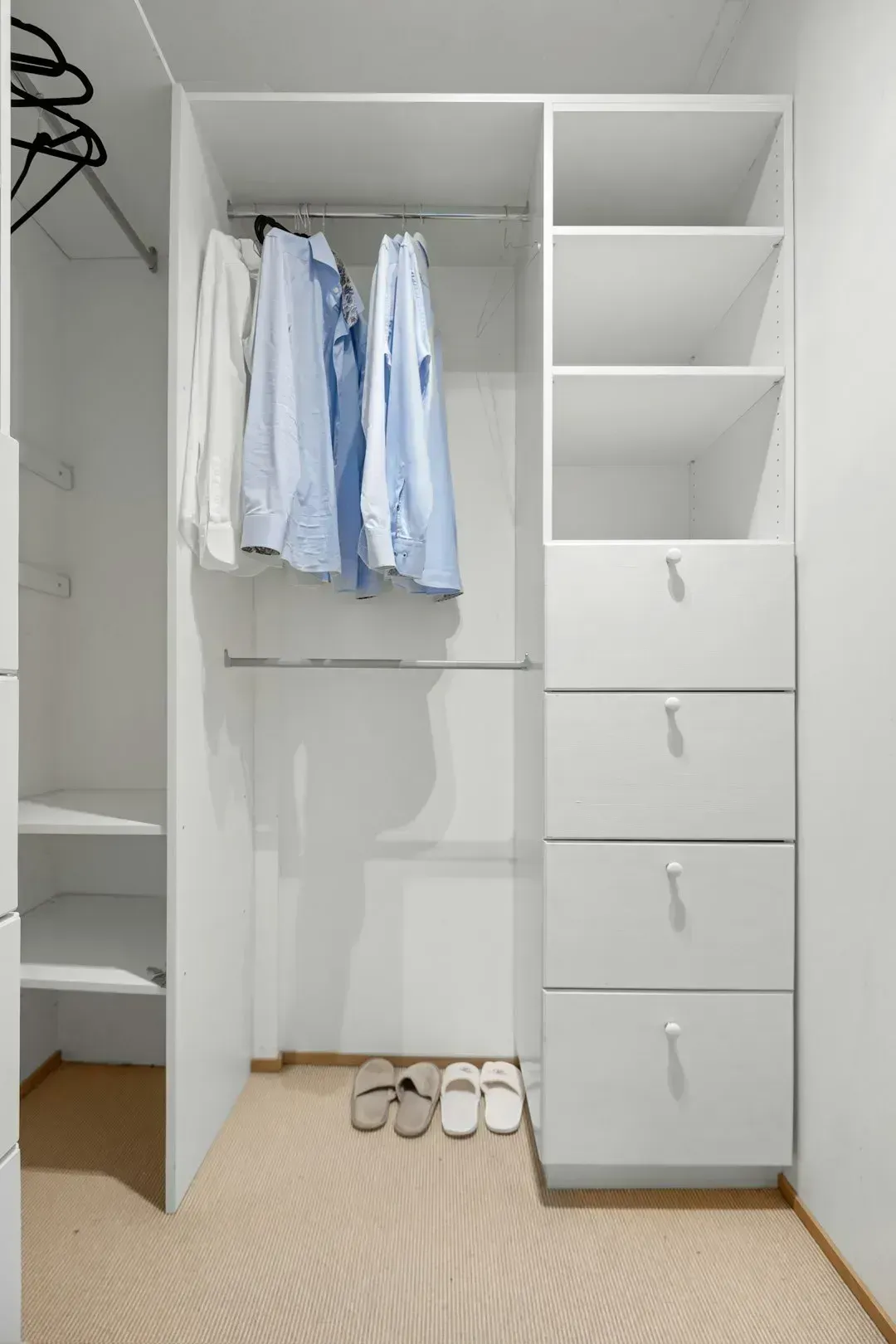
Many homes built before the 1950s lacked built-in closets, which made freestanding wardrobes and armoires essential furniture rather than optional decor. Boomers who grew up in or renovated these older homes often kept large wardrobes as a practical necessity, and the habit stuck even as home construction changed. These pieces were often solid wood, heavy, and built to last for decades.
Newer homes are built with substantial closet space as a standard feature, making freestanding wardrobes largely unnecessary for younger buyers. When younger homeowners do need extra storage, they’re more likely to install closet organizer systems or opt for built-in solutions rather than adding bulky standalone furniture. The preference also ties into moving habits, since younger adults relocate more frequently and heavy wardrobes are notoriously difficult to transport.
Basement Root Cellars And Canning Pantries
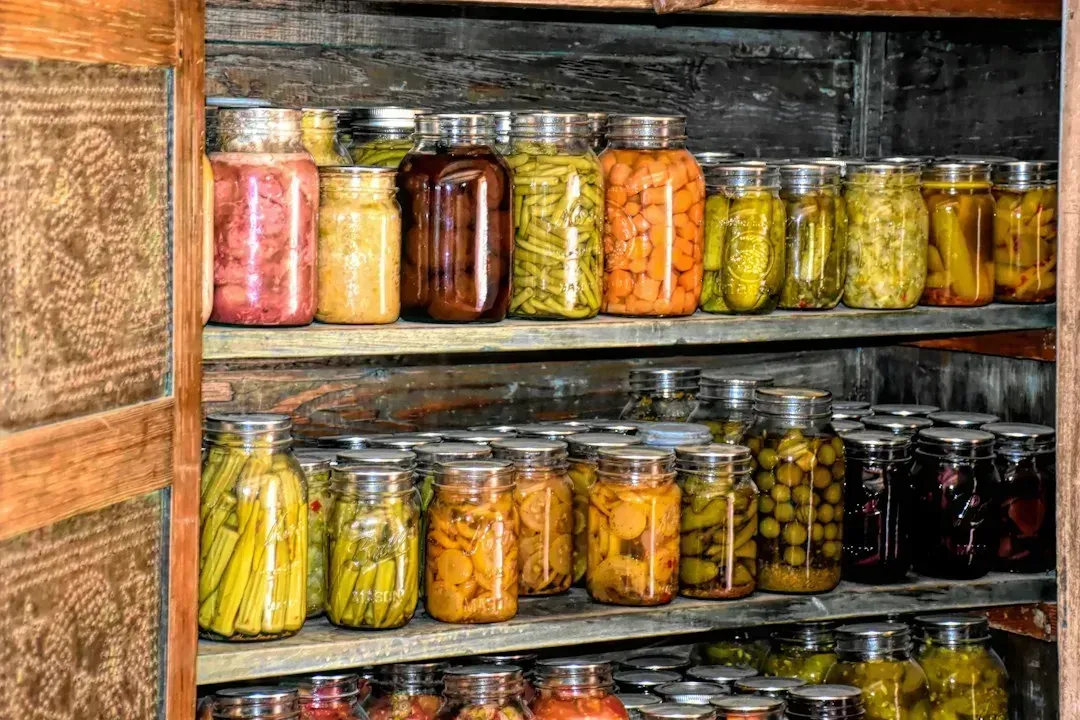
Root cellars and dedicated canning pantries reflect a generation that grew up closer to home food preservation, whether from rural upbringings or wartime rationing habits passed down by their own parents. Boomers often maintained shelves stocked with home-canned vegetables, jams, and preserves, treating the basement as a working extension of the kitchen. This wasn’t just nostalgia, it was genuinely practical for extending the shelf life of seasonal produce.
Home canning has seen a modest resurgence in recent years, but it remains a niche hobby rather than a mainstream necessity for most younger households. Grocery access, refrigeration, and food delivery have reduced the practical need for large-scale home preservation storage. Basements in newer construction are more often finished as living spaces or home offices than dedicated pantry and canning zones.
Attic Storage Reached By Pull-Down Ladders
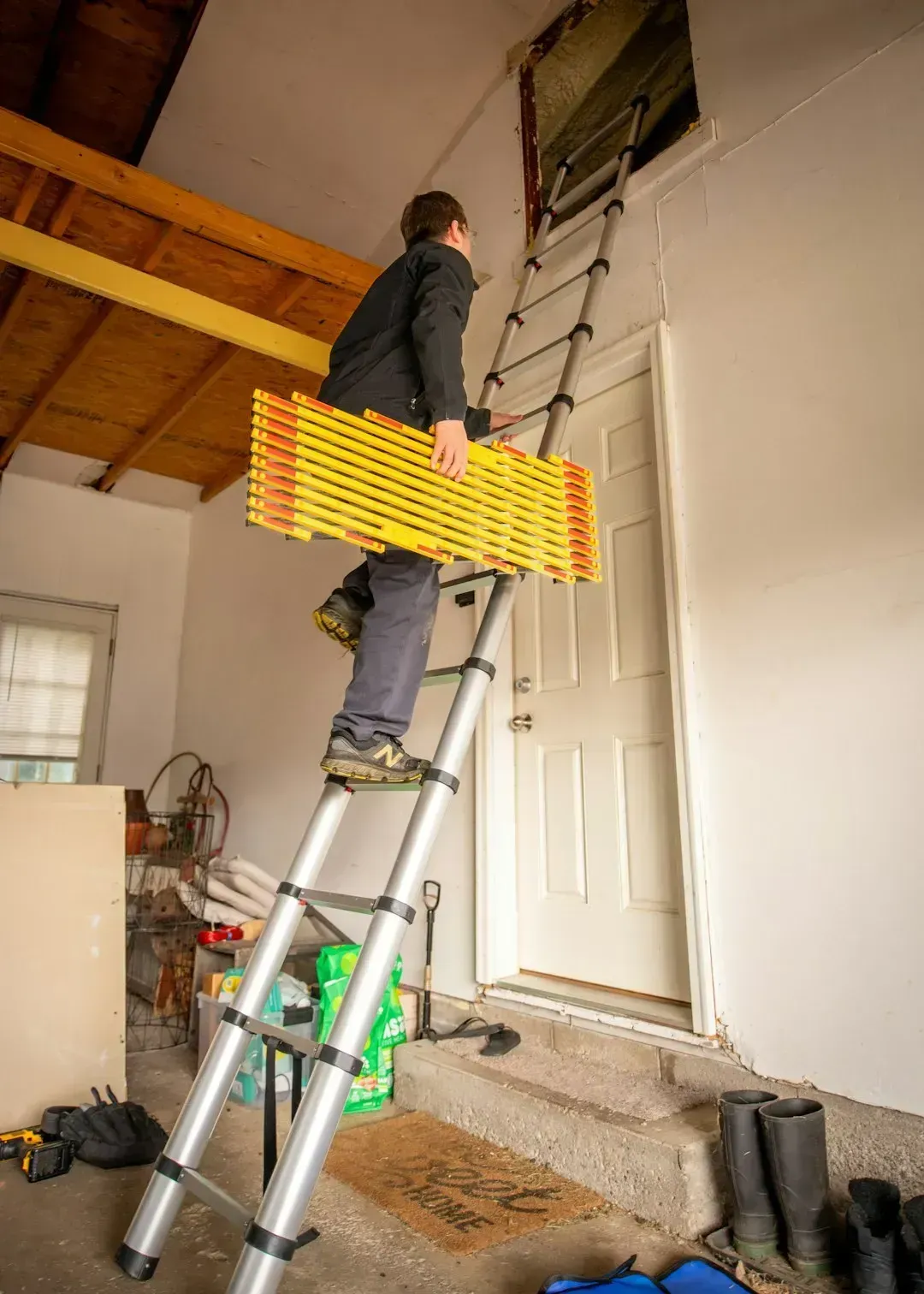
Pull-down attic ladders became common in mid-century homes as an affordable way to add storage without dedicating a full staircase to rarely used space. Boomers often filled these attics with holiday decorations, old furniture, and boxes of memorabilia accumulated over decades in the same house. The tight, unfinished space wasn’t comfortable, but it was cheap and out of the way.
Younger homeowners, especially those buying smaller or older homes, tend to avoid relying heavily on attic storage due to safety concerns and the physical difficulty of hauling items up narrow, steep ladders. Insulation and ventilation issues in unfinished attics can also affect stored items over time, damaging cardboard boxes or fabric. Off-site storage units or better-organized garages have become the preferred alternative for overflow items.
Deep Kitchen Drawers Stuffed With Unused Gadgets
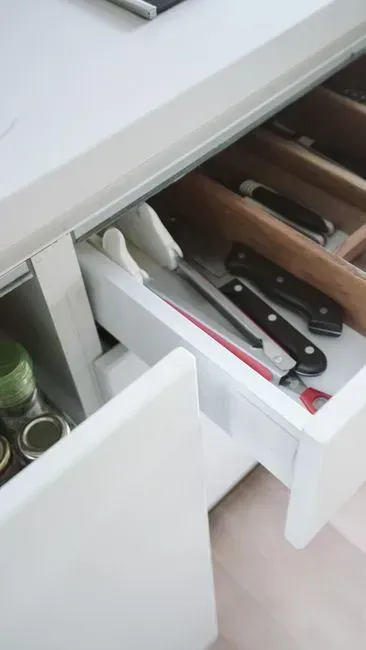
The classic “junk drawer” or deep utility drawer packed with old kitchen gadgets, rubber bands, and mismatched tools is a fixture in many boomer households. These drawers often accumulated single-use gadgets purchased over the years, from garlic presses to specialty slicers that rarely got used more than once or twice. The habit reflects a shopping era less focused on minimalism and more on having a tool for every possible task.
Younger homeowners, influenced by decluttering trends and smaller kitchen footprints in apartments and starter homes, tend to be more selective about kitchen tools. Drawer organizers and a preference for multi-use gadgets have replaced the impulse to keep every specialty tool on hand. Kitchen storage today leans toward efficiency, with an emphasis on keeping only what gets used regularly.
Formal Linen Closets Stocked For Guests
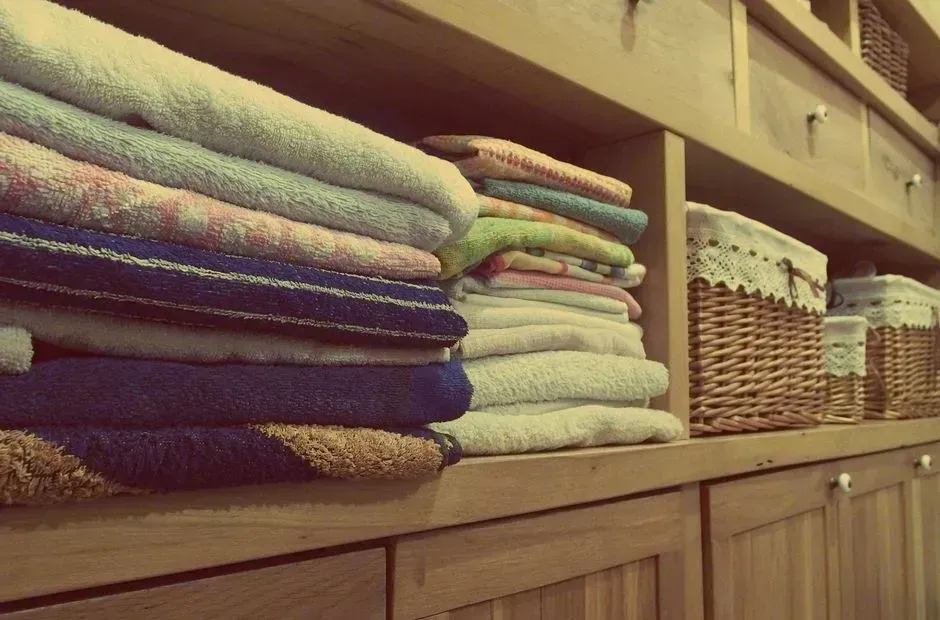
Formal linen closets, stocked with matching towel sets and extra bedding specifically reserved for houseguests, were once a standard feature of a well-run household. Boomers often maintained separate “good” towels and sheets that were rarely used but always kept ready, a habit tied to an era when hosting overnight guests was more common and more formalized. Linen closets were typically located centrally in the hallway, making them a fixture of the home’s layout.
Younger homeowners generally keep fewer duplicate sets of linens, partly due to space constraints and partly due to changing hosting habits, since fewer people host overnight guests as regularly as previous generations did. When extra bedding is needed, many simply pull from their everyday stock rather than maintaining a separate reserved set. This shift has made large dedicated linen closets feel excessive relative to actual household needs.
Sheds Full Of Rarely Used Yard Equipment
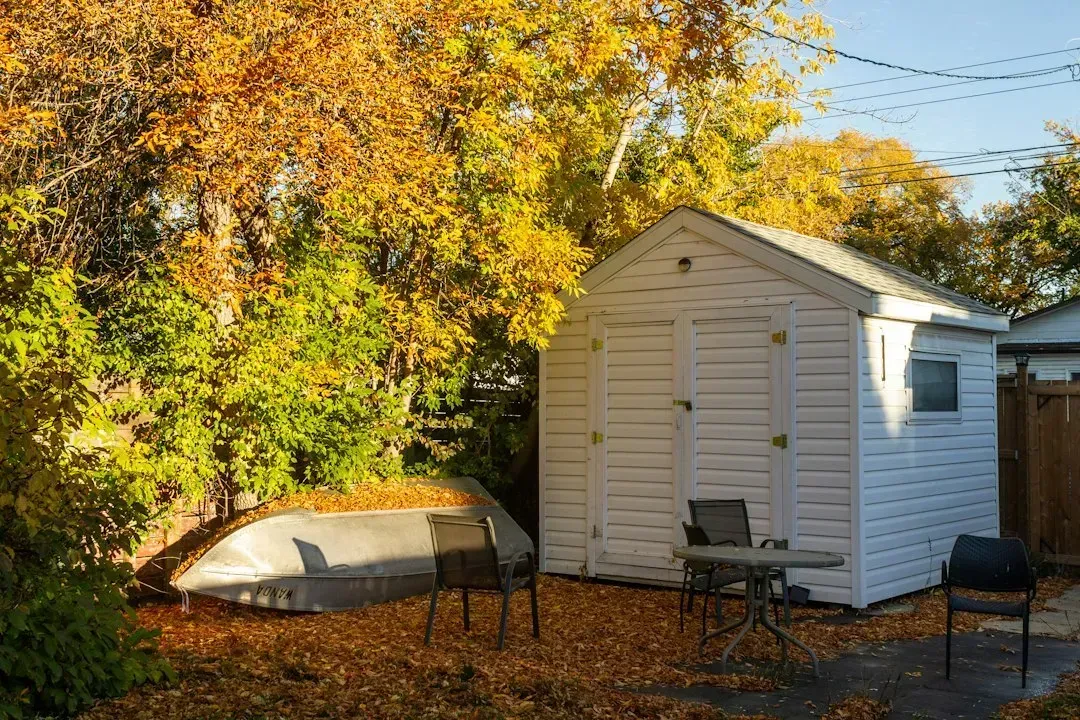
Backyard sheds packed with lawnmowers, edgers, tillers, and specialty yard tools were common among boomers who valued self-sufficient home maintenance and took pride in a well-kept lawn. Owning a full suite of yard equipment was tied to homeownership itself, a sign of taking care of one’s property without relying on outside help. Many of these sheds became storage for equipment used only a few times a year.
Younger homeowners increasingly favor smaller yards, shared equipment arrangements, or lawn care services over owning a shed full of specialized tools. Compact, multi-purpose equipment has also reduced the need for extensive storage, since fewer separate tools are required to maintain smaller outdoor spaces. Where sheds still exist, they’re more likely used for general storage than dedicated yard equipment.





Leave a Reply