
Before a candidate says a single word about their qualifications, a recruiter has already started forming an opinion. That’s not a myth or an exaggeration. It’s how human judgment works, and hiring professionals are trained, whether they realize it or not, to read a room fast.
The uncomfortable truth is that the interview often gets decided in its opening moments, long before the “tell me about yourself” question even lands. Understanding what recruiters actually clock in those first seconds can help candidates avoid sabotaging themselves without knowing it.
1. The clock becomes the first test

Timing says more than most candidates realize. Arriving late to an interview without proper communication signals poor planning and lack of respect for others’ time, making hiring managers question whether you’d be reliable for client meetings, project deadlines, or team commitments. It’s rarely about the minutes lost. It’s about what those minutes imply.
Oddly, showing up too early causes its own kind of friction. Arriving so early, more than 15 minutes, can disrupt the interviewer’s schedule, and appearing rushed or flustered even when technically on time doesn’t help either. The safest move is arriving a short window ahead and simply waiting nearby until it’s actually time.
2. The handshake still sends a signal

Even in an era of video calls and AI screening tools, the handshake hasn’t lost its symbolic weight in person. A weak or limp handshake might indicate a lack of confidence or assertiveness, while an overly aggressive handshake could suggest poor social awareness or overbearing behaviour, since a firm and professional handshake is typically expected.
Recruiters aren’t hunting for a perfect grip. They’re noticing whether a candidate seems present and self-assured or checked out and anxious. Nothing shows low confidence like a limp handshake, while a vice-like grip is overbearing, and good candidates present their hand confidently while smiling and look happy to be there.
3. Closed-off body language reads as closed-off attitude

Posture speaks before opinions do. Arm crossing is one of the most well-known red flags in interviews, implying that the interviewee is most probably confrontational, defensive, or arrogant. It’s a small gesture that carries an outsized message.
Hands matter too, in ways candidates rarely think about. Hiding hands is a well-known body language telltale sign that can signify dishonesty or deception, and sharp, jabbing gestures don’t do much better. Pointing or other intense hand gestures can represent an aggressive or angry nature, and working with someone who is easily irritable is rarely a pleasant experience.
4. Eye contact, or the lack of it, gets noted instantly

Eye contact remains one of the most heavily weighted nonverbal cues in the entire interview. Poor body language and non-verbal communication factor heavily into interview failures, with about 65% of rejections involving eye contact failures. That’s a striking number for something so small.
It’s not necessarily about staring someone down for the full conversation. Consistent eye contact is typically almost essential for a good impression, though it can be harder to maintain in a virtual interview, so it’s better to focus on whether a candidate is looking at roughly the same point throughout rather than getting distracted by other parts of the screen. Recruiters are watching for steadiness, not intensity.
5. Dress that misses the mark, in either direction

Wardrobe choices are read as a form of research and respect. Dressing inappropriately for an interview shows a lack of respect and understanding of professional norms, and while dress codes vary by industry, appearance should always demonstrate that the opportunity is being taken seriously.
Both extremes raise eyebrows. Wearing overly casual clothing for a professional role, like shorts or wrinkled shirts, is a concern, but so is dressing too formally for a casual workplace culture, such as a suit and tie at a startup. The goal isn’t perfection, it’s context awareness, showing that a candidate actually looked into the company before walking in.
6. Not knowing the company undercuts everything else

This one shows up in the data more than almost any other factor. Insufficient knowledge about the hiring company is cited as a reason candidates fail interviews in about 47% of cases. Recruiters can forgive a shaky answer here and there, but blank stares about basic company facts are harder to overlook.
The issue isn’t trivia recall. It’s what the gap implies about genuine interest in the role versus simply needing any job. A candidate who can’t speak to what the company actually does signals, fairly or not, that this opportunity wasn’t a priority worth an hour of preparation.
7. Rambling, interrupting, or dodging the actual question

How someone answers matters as much as what they answer. Recruiters notice if a candidate frequently cuts them off or answers before a question is finished, struggles to stay on topic, or provides vague answers to questions that require specifics, all of which can suggest a lack of focus, prioritization, or knowledge.
This pattern tends to compound as the interview goes on. A candidate who rambles through the first two questions rarely tightens up by question five. Recruiters read this as a preview of how that person will communicate with clients, teammates, or a manager under pressure.
8. Trash-talking a previous employer

Complaining about a past boss or company feels cathartic in the moment but almost never lands well. Openly criticizing former employers or colleagues during an interview may be an indicator of unsolved conflicts or a lack of accountability.
It’s a pattern recruiters have seen play out before, and it rarely improves once someone is hired. Culture risk shows up before day one, and candidates who badmouth past employers, dodge accountability, or mistreat coordinators will likely poison morale. Even a legitimately bad past job is safer described diplomatically.
9. Rudeness toward anyone in the building, not just the interviewer

Recruiters increasingly pay attention to how candidates treat receptionists, coordinators, and other staff, not just the person conducting the interview. About 53% of hiring managers see rude language or behavior as a red flag in potential hires. It’s a small window into how someone treats people who don’t directly influence their hiring decision.
This kind of behavior tends to be viewed as a preview rather than an anomaly. Someone dismissive to support staff during a 20-minute wait rarely becomes warmer once they have the job secured. Recruiters know this, which is why the observation window quietly starts before the “official” interview even begins.
10. Inconsistencies between the resume and the actual conversation
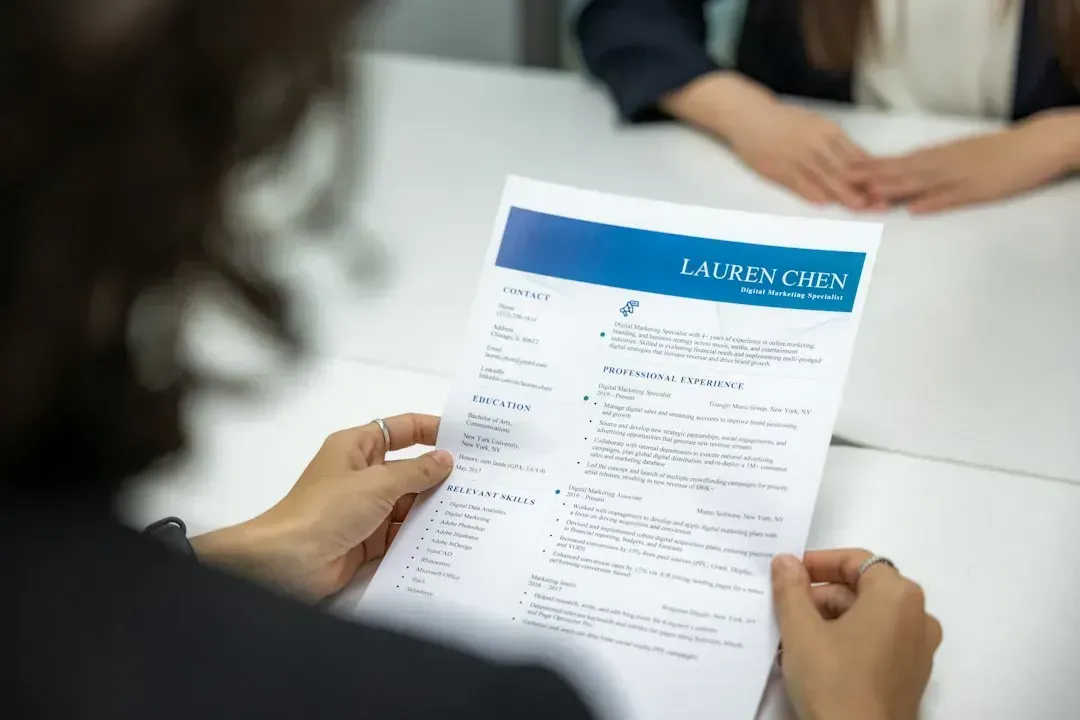
Nothing erodes trust faster than a mismatch between paper and person. Interviewers immediately catch a candidate when their answers and the content of their resume don’t relate. Once that thread starts to unravel, everything else the candidate says gets scrutinized harder.
Dishonesty consistently ranks as the single most damaging discovery a recruiter can make. The most concerning behavior from job candidates, by a significant margin, is dishonesty, with 63% of hiring managers saying they view it as the biggest red flag. A polished resume paired with a shaky, inconsistent explanation in person is one of the fastest ways to lose an offer that seemed locked in.
Final thoughts

None of these signals exist in isolation, and good recruiters know that nerves can mimic dishonesty and cultural differences can look like disengagement when they’re not. Still, patterns matter more than single moments, and the small things candidates overlook, punctuality, posture, preparation, tone, tend to add up quietly in the background of every interview. Walking in aware of what’s actually being noticed won’t guarantee an offer, but it removes a surprising number of unforced errors before the real conversation even starts.





Leave a Reply