
Some names just belong to a certain decade. Say them out loud and suddenly you’re back on shag carpet in front of a wood-paneled television, waiting for cartoons to start or begging a parent for a trip to the toy aisle. The 1980s produced an entire generation of cultural touchstones that never quite left, even if most of them faded from daily conversation once the decade ended.
What follows isn’t a random list of nostalgia bait. These are names that, if they ring a bell without needing an explanation, probably mean you grew up watching Saturday morning television, trading stickers at recess, or begging your parents for a specific toy at the mall. Let’s walk through them.
1. He-Man
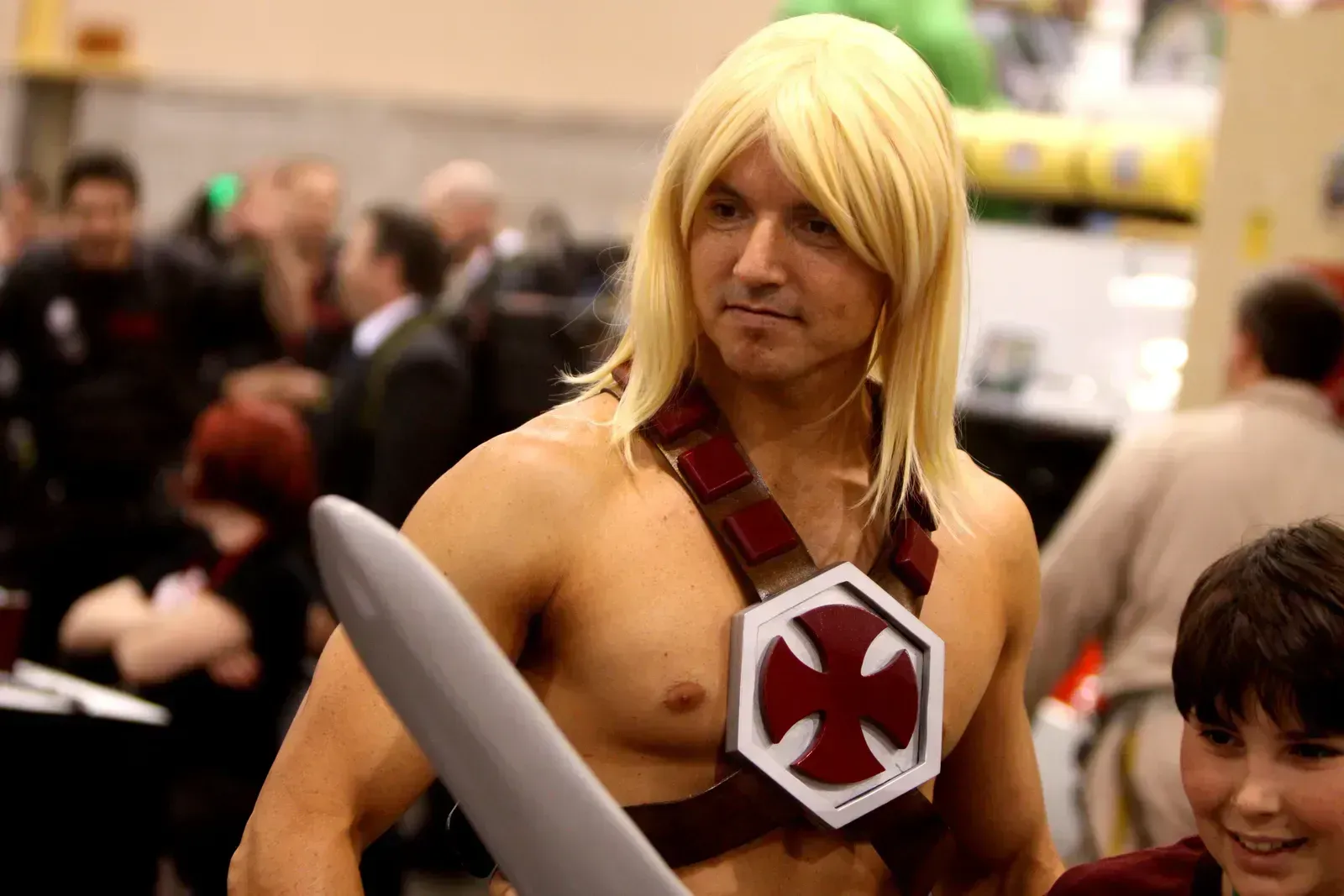
He-Man, full name Prince Adam of Eternia when he wasn’t holding his sword aloft, was the centerpiece of Mattel’s Masters of the Universe toy line and its accompanying cartoon. The animated series, produced by Filmation, ran from 1983 to 1985 and helped pioneer the toy-driven cartoon model that dominated children’s television for the rest of the decade. Kids who owned the action figures usually remember the oddly specific catchphrase about having “the power,” shouted right before he transformed from mild-mannered prince to muscle-bound hero.
The franchise wasn’t just a cartoon, it was a merchandising machine that included action figures, a Castle Grayskull playset, and eventually a widely mocked live-action film starring Dolly Dolly Dolly… actually starring Dolph Lundgren in 1987. That movie flopped commercially but somehow became a cult favorite decades later. Mattel has since revived the property multiple times, including a Netflix animated series, proving the character’s staying power well beyond his original run.
2. Alf

Alf, short for Alien Life Form, was a wisecracking puppet from the planet Melmac who crash-landed into a suburban garage and into American living rooms from 1986 to 1990. The sitcom followed the Tanner family as they hid the cat-eating extraterrestrial from government agents, blending sitcom family dynamics with sci-fi absurdity. Alf’s sarcastic one-liners and general disdain for household rules made him an odd but beloved fixture of NBC’s primetime lineup.
The show spawned an animated spin-off, a line of plush toys, and even a short-lived talk show hosted by the puppet himself. Alf’s popularity was strong enough that he appeared on magazine covers and in commercials well outside the confines of his own series. For kids who grew up in the late 1980s, the sight of that furry orange face is instantly recognizable, even if the plot details have long since faded.
3. Rainbow Brite
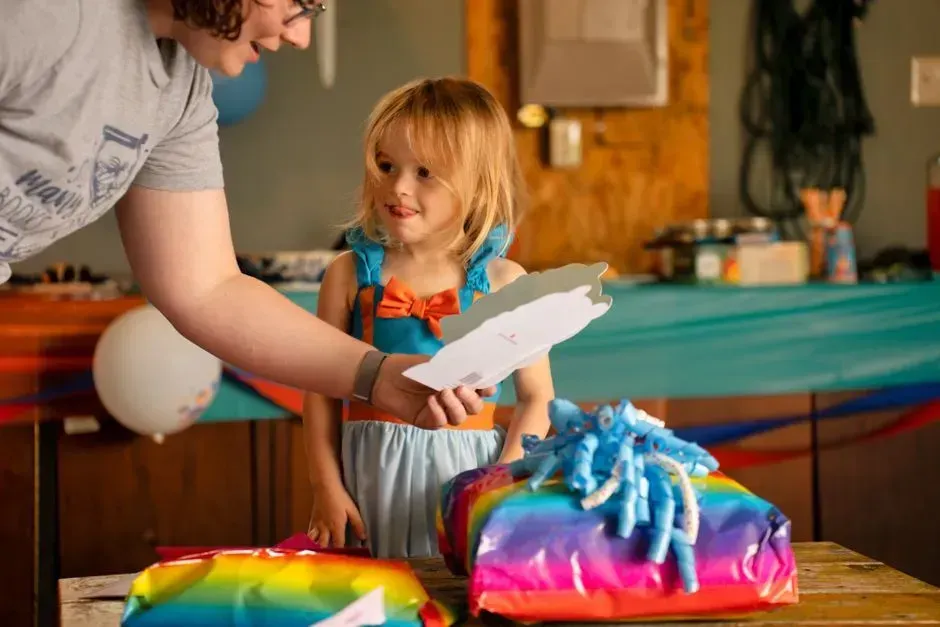
Rainbow Brite was a Hallmark-created character who starred in her own animated special and series, tasked with bringing color back to a world drained of it. She debuted in 1983 alongside a toy line from Mattel that included dolls, coloring books, and her horse companion Starlite. The character was aimed primarily at young girls and became one of several colorful, morally simple properties that defined children’s entertainment marketing in the era.
Rainbow Brite never reached the same commercial peak as contemporaries like My Little Pony, but she carved out a loyal following that has kept the brand alive through periodic revivals. Hallmark has re-released merchandise featuring the character over the years, aimed at adults who remember her fondly. The bright color palette and simple good-versus-gray-and-drab storyline remain instantly familiar to anyone who watched Saturday morning television in the mid-1980s.
4. Max Headroom
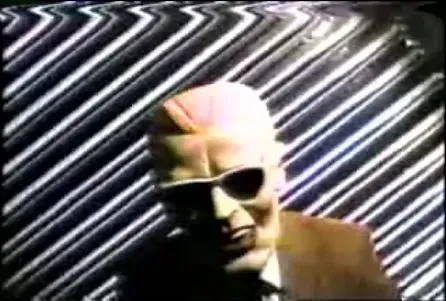
Max Headroom was a stuttering, computer-generated-looking talk show host character who became a genuine media phenomenon in the mid-1980s, despite actually being played by actor Matt Frewer under heavy prosthetic makeup. He first appeared in a 1985 British television film before crossing over into American culture through Coca-Cola commercials, an MTV video show, and his own short-lived ABC series. The character was framed as an artificial intelligence, tapping into early public fascination with computers and digital identity years before the internet became a household staple.
Max Headroom’s stilted speech pattern and glitchy visual style made him instantly parody-able, and he became something of a shorthand for “futuristic technology” in 1980s pop culture. His fame was fairly brief, with the American series canceled after just one season, but his image lingered in commercials and cultural references for years afterward. Anyone who remembers the jittery visual effect and clipped speech pattern almost certainly grew up during his brief but intense moment of fame.
5. Punky Brewster
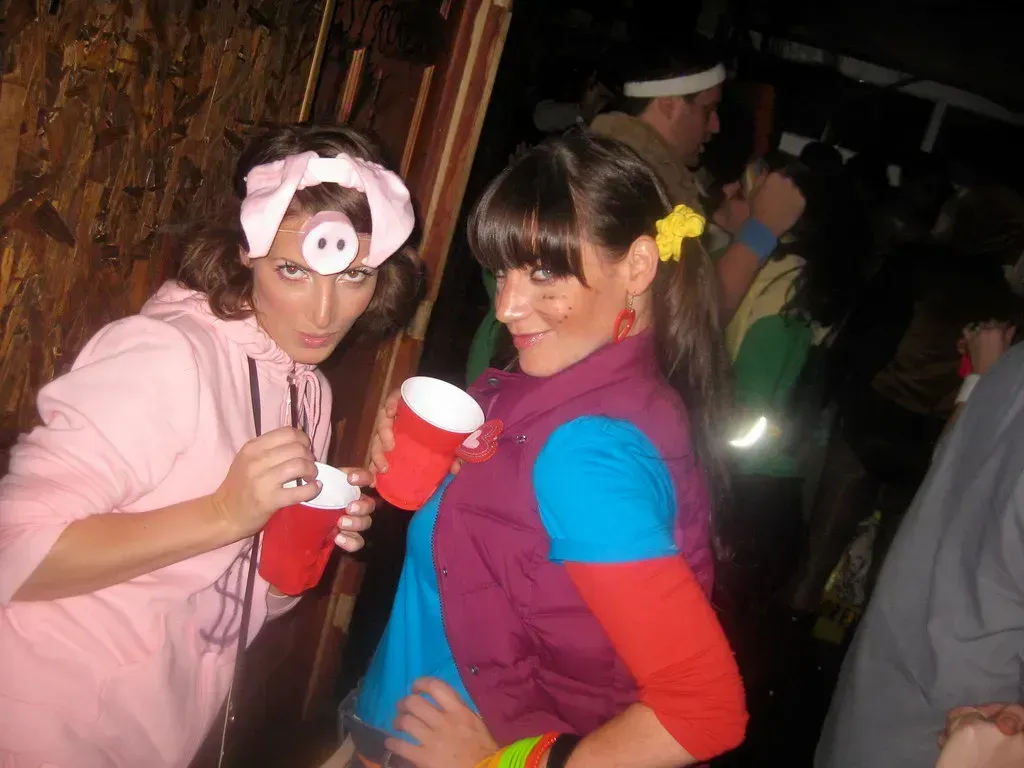
Punky Brewster followed a resourceful young girl raised by a foster parent after being abandoned by her mother, and the NBC sitcom ran from 1984 to 1988. Soleil Moon Frye played the mismatched-sock-wearing title character, whose optimism in the face of a difficult home situation made the show more emotionally layered than most kid-focused sitcoms of the time. The series tackled subjects like child abandonment and, in one notable episode, the dangers of children hiding in abandoned refrigerators, a public safety issue that was genuinely being discussed at the time.
The show’s mix of humor and social awareness made it stand out, and Punky’s fashion sense, mismatched shoes included, became recognizable enough to influence how other characters dressed on television. A reboot series aired on Peacock in 2021, bringing Frye back as an adult Punky, which introduced the character to a new generation while reminding original fans of the show’s earlier run. For those who watched the original broadcasts, the theme song alone is enough to trigger recognition.
6. Pee-wee Herman
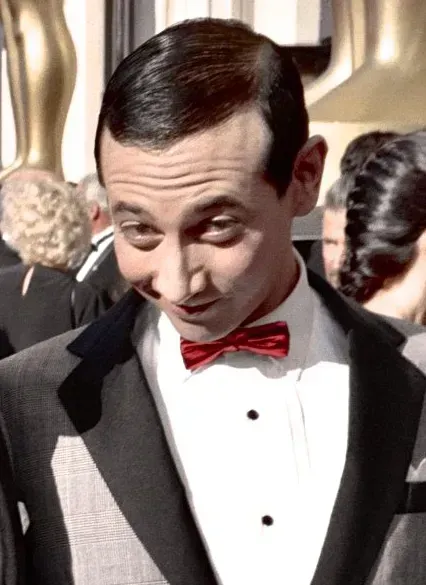
Pee-wee Herman, the man-child character created and performed by Paul Reubens, became a defining figure of 1980s children’s entertainment through the film “Pee-wee’s Big Adventure” in 1985 and the CBS series “Pee-wee’s Playhouse,” which ran from 1986 to 1990. The Playhouse set was famous for its surreal, brightly colored design filled with talking furniture and odd characters, giving it a visual style unlike anything else on children’s television at the time. Reubens built the character over years of stand-up performances before it found its widest audience through television and film.
The show won multiple Emmy Awards for its production design and creativity, a fairly unusual achievement for a children’s program at the time. Pee-wee’s popularity dipped sharply in 1991 following a highly publicized incident, though Reubens continued performing the character periodically for decades afterward, including a Netflix film in 2016. Paul Reubens passed away in 2023, which brought renewed attention to just how influential and unusual the character had been during his original run.
7. Teddy Ruxpin
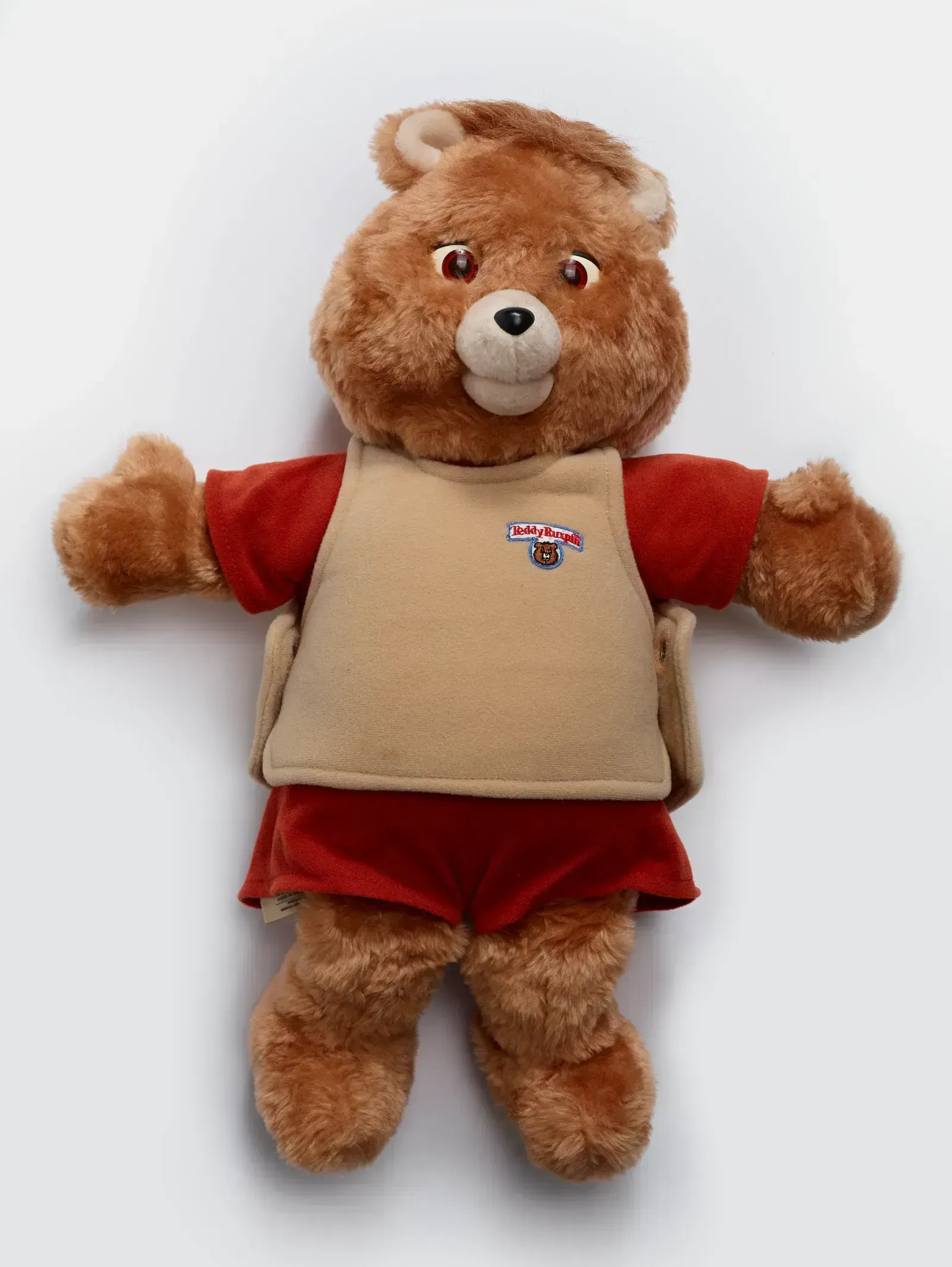
Teddy Ruxpin was an animatronic talking bear toy released in 1985 that used a built-in cassette tape player to synchronize the bear’s mouth and eye movements with recorded stories and songs. It became one of the best-selling toys of the mid-1980s, largely because the technology felt genuinely novel to kids who had never seen a stuffed animal that could “talk” and tell stories on its own. Worlds of Wonder, the company behind the toy, saw massive early success before financial troubles eventually led to bankruptcy by the end of the decade.
The bear came with an accompanying animated series and a line of storybook cassettes that expanded his fictional backstory involving the land of Grundo. Teddy Ruxpin has been revived multiple times since, including updated digital versions in the 2000s and 2010s, though none matched the cultural saturation of the original. For kids who owned one, the whirring sound of the cassette mechanism starting up is a very specific and very vivid memory.
8. Chuck E. Cheese
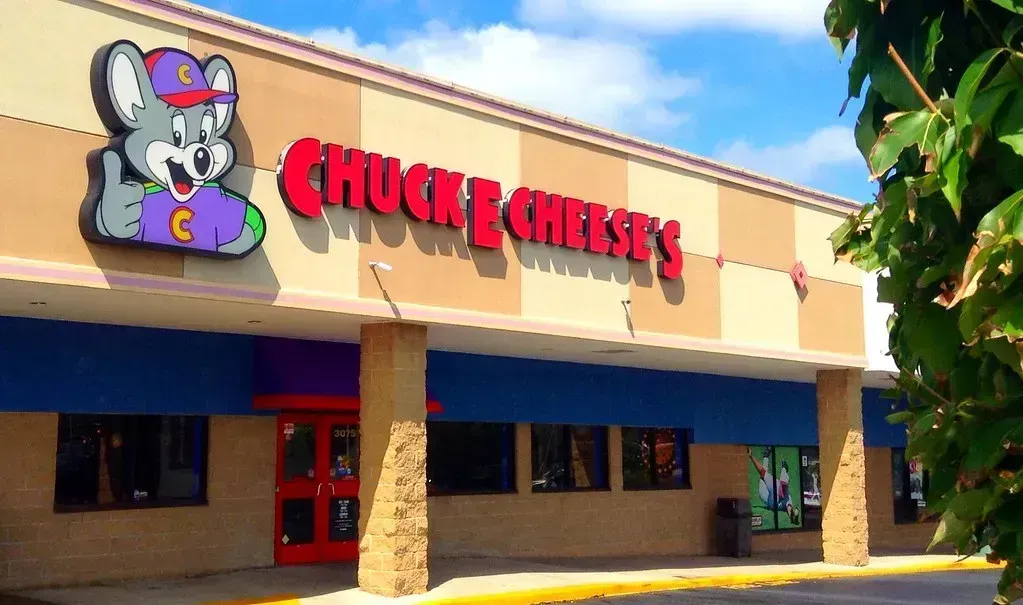
Chuck E. Cheese, the animatronic mouse mascot of the pizza and arcade chain, became a fixture of childhood birthday parties throughout the 1980s. The chain was founded in 1977 by Atari co-founder Nolan Bushnell, blending video arcade games with a family restaurant concept at a time when arcades were still a novelty for many families. By the mid-1980s, the animatronic stage shows featuring Chuck E. Cheese and his band of robotic performers had become iconic, if slightly unsettling to some children.
The company went through a rocky patch in the mid-1980s, including a brief merger with rival ShowBiz Pizza Place, which led to a period of brand confusion before Chuck E. Cheese ultimately became the dominant name. The animatronics were largely phased out at most locations by the 2010s in favor of digital entertainment and human costumed characters. Even so, the name still triggers immediate recognition for anyone who celebrated a birthday there during the decade the chain first found massive popularity.
9. Strawberry Shortcut… Strawberry Shortcake
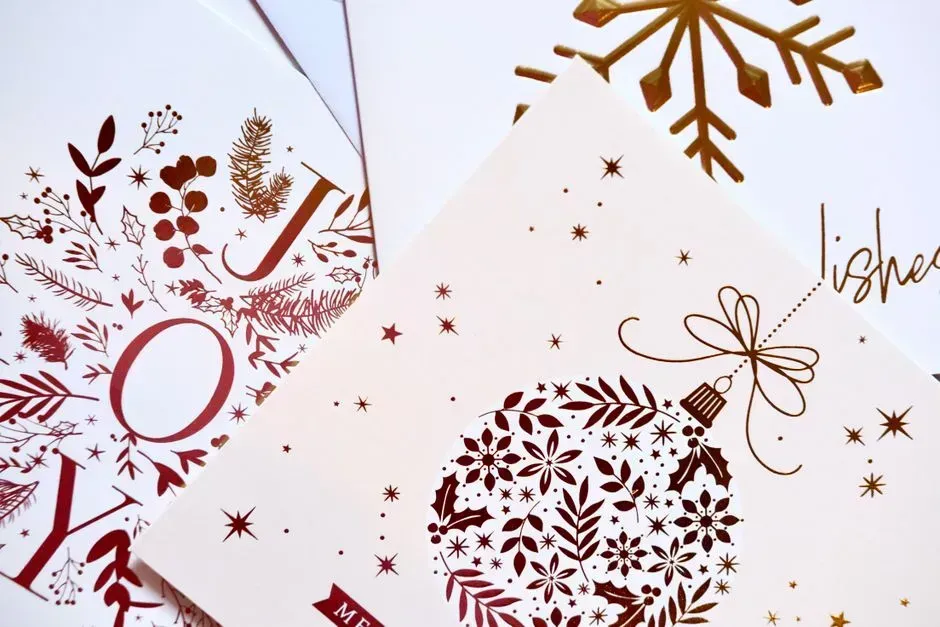
Strawberry Shortcake began as a greeting card character created by American Greetings before becoming a full toy, doll, and animated special franchise starting in 1980. The character and her scented doll friends, each named after a different dessert or fruit, were known for their distinctive smells built directly into the vinyl, a novelty that made the toys especially memorable to kids at the time. The franchise expanded quickly into television specials, comic books, and an extensive Kenner toy line throughout the early to mid-1980s.
Strawberry Shortcake’s popularity dipped by the late 1980s as toy trends shifted, but the brand has been revived multiple times since, including redesigned dolls in the 2000s and animated series updates as recently as the 2020s. The scented gimmick remains one of the most talked-about details among people remembering the original toys. For many, the smell of artificial strawberry is permanently, and a little strangely, associated with childhood nostalgia.





Leave a Reply