
Spend a week in a small Southern town and you’ll notice things that don’t quite show up in guidebooks. It’s not just the accent or the sweet tea, it’s the small rituals woven into everyday life that locals barely think about. Visitors, on the other hand, tend to stare a little.
These habits aren’t quirks for the sake of quirks. They come from generations of hospitality, faith, food traditions, and a slower pace that outsiders sometimes mistake for confusion. Here’s a closer look at seven of them.
1. Waving at Every Single Car That Passes

On rural roads throughout the South, drivers lift a hand, a finger, or sometimes just two fingers off the steering wheel to greet passing vehicles, even if they have no idea who’s inside. This isn’t a formal rule anywhere, but it’s practiced so consistently that locals do it almost automatically. It’s rooted in small-town life, where recognizing neighbors and being polite to strangers carried real social weight.
Newcomers driving through places like rural Georgia or Mississippi often assume the wave means the driver recognizes them, only to realize later it’s just standard courtesy. The habit tends to fade in bigger Southern cities like Atlanta or Charlotte, where traffic volume makes it impractical. Still, in smaller communities, skipping the wave can come across as oddly cold.
2. Saying “Bless Your Heart” in Almost Any Situation

The phrase gets used as sympathy, as gentle criticism, and sometimes as a polite way of saying someone did something not too bright, all depending on tone. Linguists who study Southern speech patterns note that context and delivery matter more than the literal words themselves. Outsiders often take it at face value and miss the layered meaning entirely.
It’s one of the clearest examples of how Southern communication leans on indirectness rather than blunt statements. Someone might hear it after sharing bad news, after describing a mistake, or after doing something mildly foolish, and each time it means something slightly different. Visitors frequently ask what it “really” means, and the honest answer is that it depends entirely on the situation.
3. Eating Dinner in the Middle of the Day
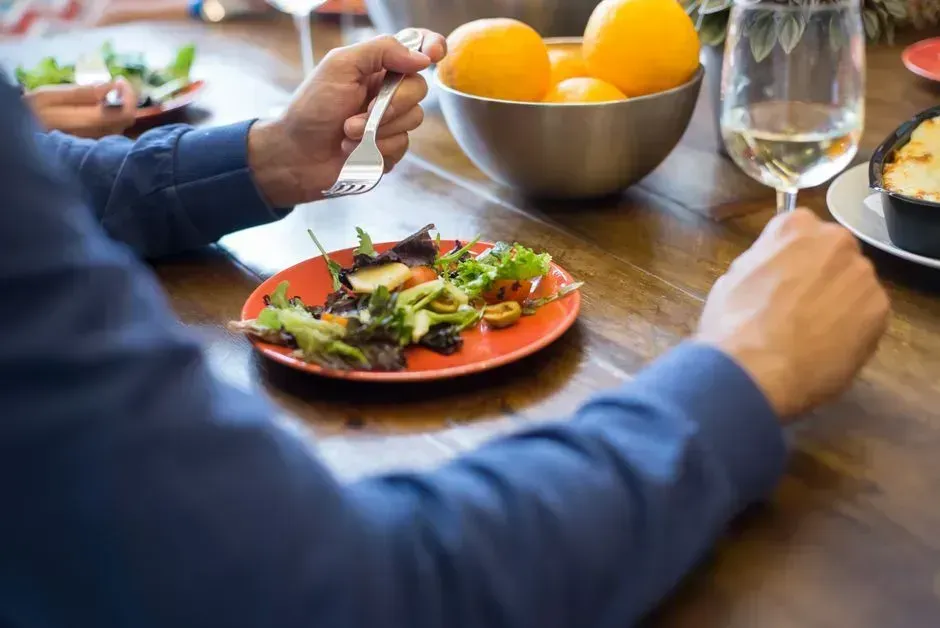
In many Southern households, especially in rural areas, “dinner” refers to the midday meal, while the evening meal is called “supper.” This isn’t outdated slang, it’s still actively used across parts of Alabama, Tennessee, Kentucky, and the Carolinas. The distinction traces back to agricultural schedules, when the largest meal was eaten after morning fieldwork, not in the evening.
Restaurants in small towns sometimes still list “dinner specials” that run from late morning through early afternoon, which can genuinely confuse travelers expecting an evening menu. Locals rarely think twice about it since the terminology gets absorbed early in life. For everyone else, it usually takes a mix up or two before the pattern clicks.
4. Putting Sugar in Basically Everything, Including Tea

Sweet tea isn’t just a beverage preference in the South, it’s practically a cultural marker, often brewed strong and sweetened while still hot so the sugar fully dissolves. Restaurants across states like South Carolina and Louisiana frequently serve it as the default drink, sometimes without even asking. Ordering plain iced tea in some diners can prompt a genuinely puzzled look from the server.
The sweetness habit doesn’t stop at tea either. Cornbread, baked beans, and even some savory dishes often carry a noticeable sugar element that isn’t as common in other U.S. regions. Visitors from areas with less sugar-forward cooking sometimes find the flavor profile surprising at first, even if they end up enjoying it.
5. Calling Grown Adults “Ma’am” and “Sir”
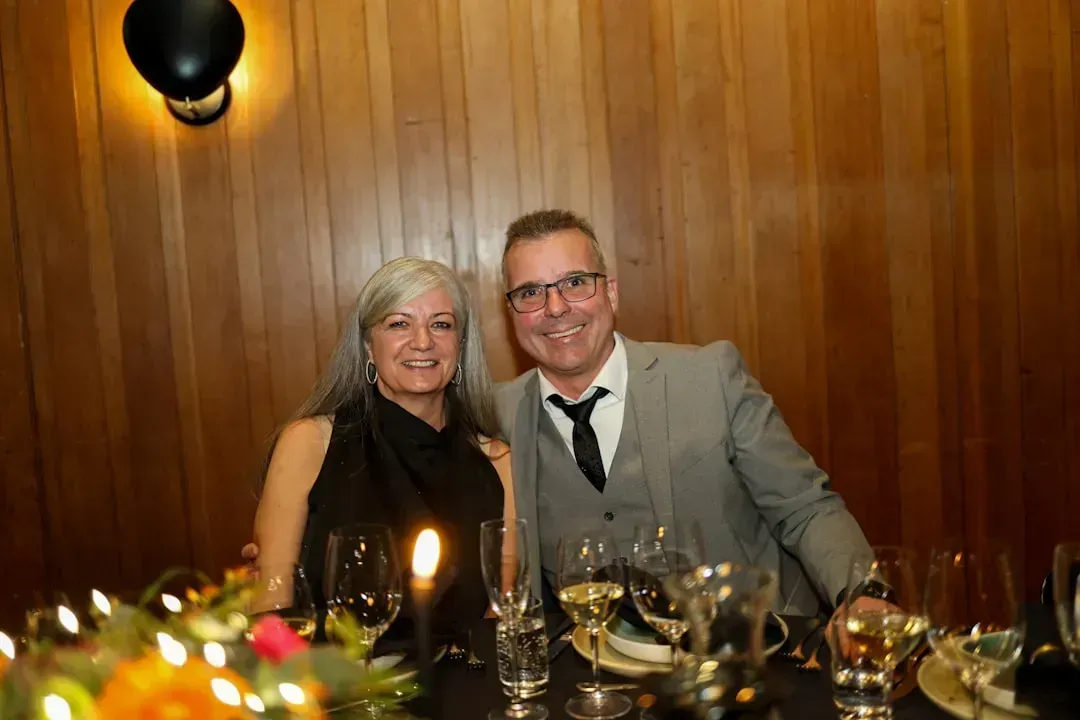
Using “ma’am” and “sir” isn’t reserved for elders or formal settings in much of the South, it’s common for children to address parents this way and for adults to use it with people their own age or even younger. Etiquette researchers point to this as a lingering marker of Southern respect-based speech patterns that trace back generations. It’s taught early, often before kids fully understand why.
People from regions where the terms feel overly formal sometimes assume they’re being mocked or that something’s wrong when they hear it directed at them. In reality, it’s usually just reflexive politeness. Southerners raised with the habit often keep using it well into adulthood, regardless of who they’re speaking to.
6. Asking “Where Do You Go to Church?” as Small Talk
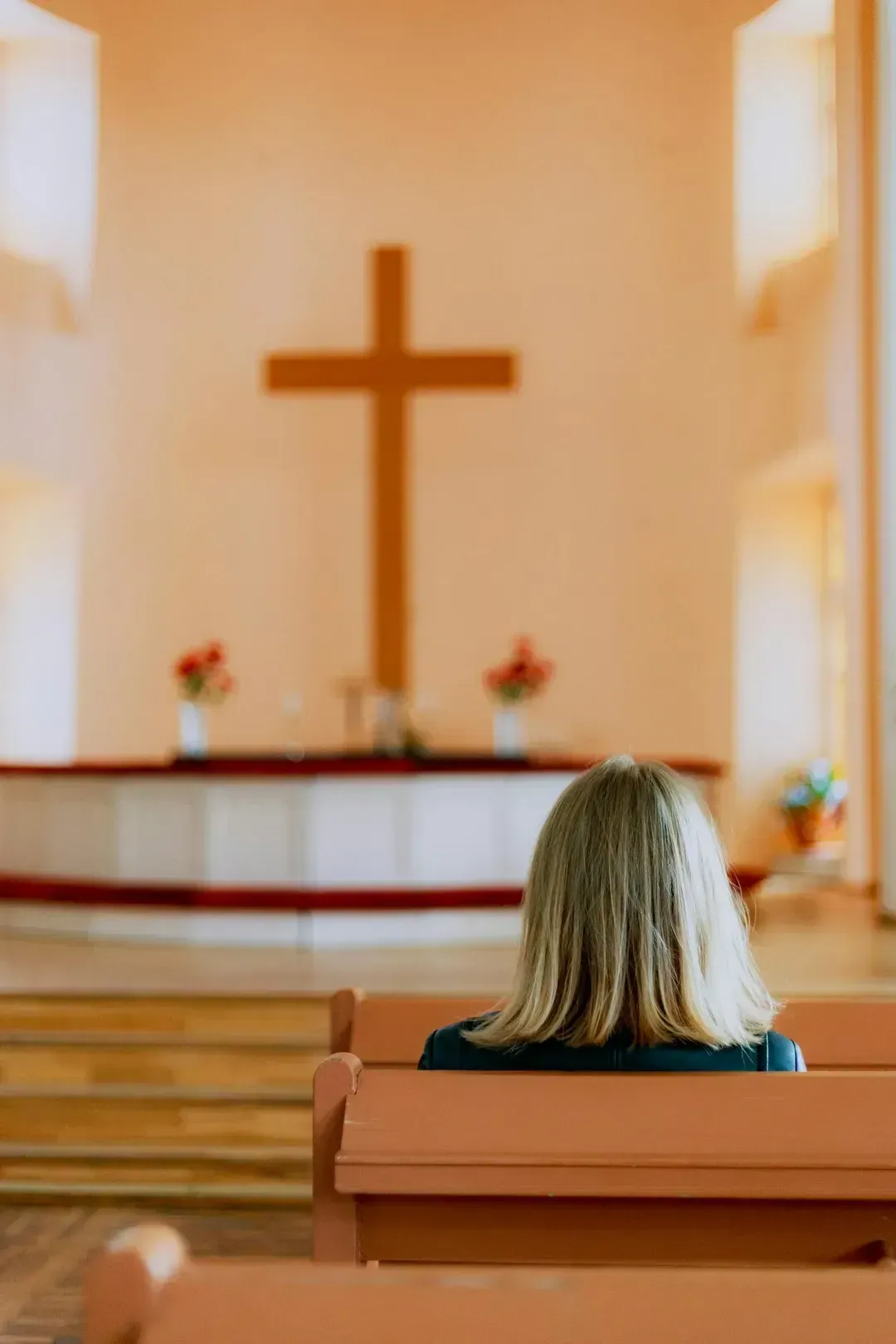
In many Southern communities, especially across the Bible Belt states like Mississippi, Alabama, and parts of Texas, asking about church attendance functions as a normal getting-to-know-you question, similar to asking about someone’s job. It’s less about theology and more about placing someone socially within the community. Pew Research data has consistently shown the South reporting higher rates of religious attendance compared to other U.S. regions.
For visitors from more secular parts of the country, the question can feel invasive or oddly personal for a casual conversation. Locals rarely intend it that way, though. It’s simply baked into how introductions happen in tightly knit, faith-centered towns.
7. Never Showing Up to a Neighbor’s House Empty Handed
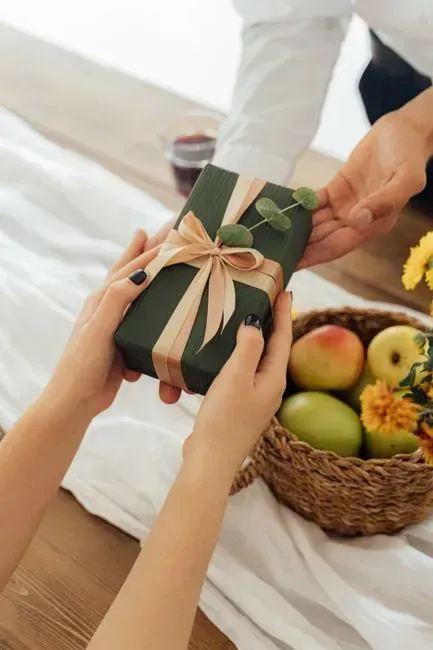
Bringing food, whether it’s a casserole, a pie, or a jar of homemade preserves, when visiting someone’s home, attending a funeral, or welcoming new neighbors is deeply ingrained across Southern culture. This tradition ties directly into the region’s reputation for hospitality, something sociologists studying Southern culture frequently cite as a defining regional trait. Showing up without anything can feel, to locals, like something’s missing, even if no one says so directly.
Outsiders sometimes find the expectation stressful, especially when they’re unaware it’s basically unwritten protocol. It’s not about the gift itself being extravagant, a simple homemade dish usually does the job. The gesture communicates care and effort, which matters more than what’s actually being carried through the door.
Southern habits like these aren’t really about confusing outsiders on purpose. They’re small, practiced expressions of a culture built around community, courtesy, and food, shaped over generations and still very much alive today.





Leave a Reply