
Language changes quietly. Nobody announces that a word has retired, and one day you notice you haven’t heard it in years. The 1940s were shaped by war, swing music and a fast changing home life, and the slang and everyday vocabulary of the decade reflect all of that.
Some of these words still turn up in old films, grandparents’ stories and vintage ads. Others have survived only in specific regions or in a handful of fixed phrases. Here are ten that once felt perfectly ordinary and now mostly don’t.
Jitterbug

In the 1940s, a jitterbug was both a dance and the person doing it. The word was tied to swing music and to fast partner dances such as the Lindy Hop. Dance halls and USO canteens were full of couples spinning and flipping to big band records.
Today the dance itself has a small, devoted following among swing revival fans. The word, though, now sounds like a costume party. Most people would say swing dancing instead, and they would probably mean something more specific.
Victory Garden
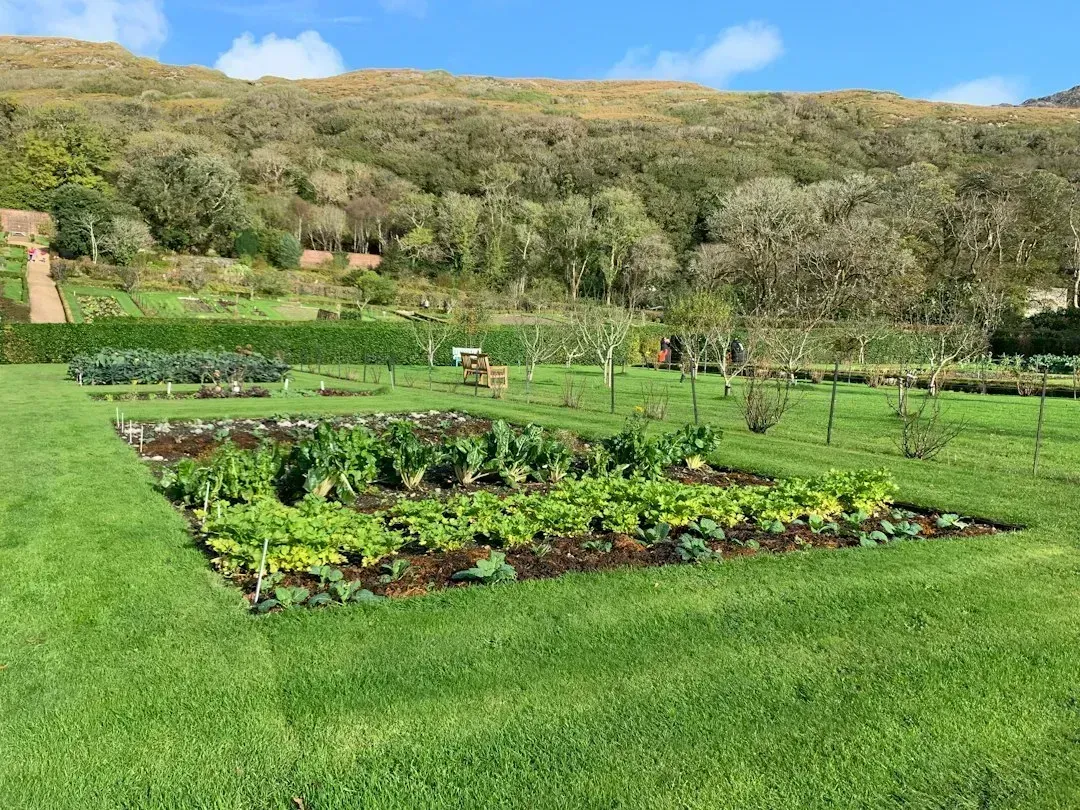
During World War II, Americans were encouraged to grow vegetables in backyards, vacant lots and even city rooftops. The point was to free up commercially grown food for troops and allies. Government estimates from the period put the number of victory gardens at around twenty million, producing a very large share of the nation’s fresh vegetables.
The phrase faded once the war ended and rationing eased. It occasionally returns during crises, and interest in home growing spiked again in 2020. Even so, most gardeners today simply say vegetable garden, and the patriotic label has mostly gone.
Hepcat
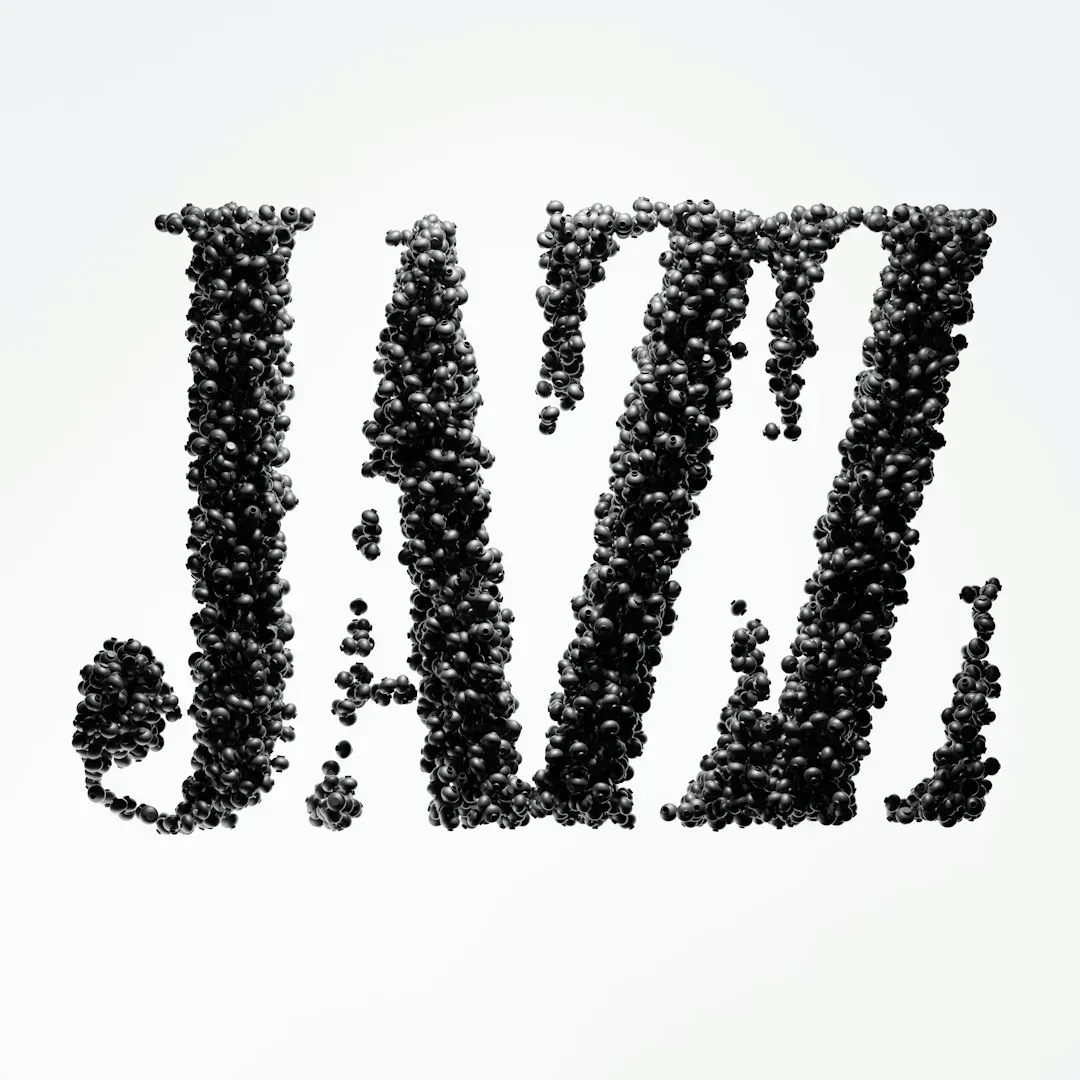
A hepcat was someone who was stylish, in the know and fluent in jazz. The term grew out of jazz and jive culture, and bandleader Cab Calloway helped spread it through his published glossary of jive talk in the late 1930s. By the 1940s it was a fairly common compliment.
The word was cool in its day, then became a joke about how outdated cool can get. Now it mostly appears in retro writing, jazz history and the occasional costume. Nobody calls a friend a hepcat without a wink.
Icebox
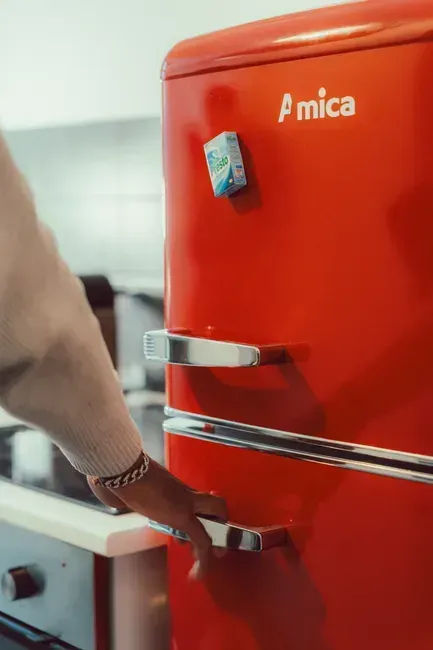
Early home refrigeration often meant an insulated cabinet cooled by a block of ice delivered to the door. As electric refrigerators took over through the 1930s and 1940s, many people kept the old name anyway. For years, icebox was simply what a lot of households called the kitchen appliance.
Eventually the vast majority of American homes owned a real refrigerator, and the older word slipped away with the iceman. You can still catch it from older relatives, and it survives in the term icebox cake. Otherwise it feels like a small piece of kitchen history.
Davenport
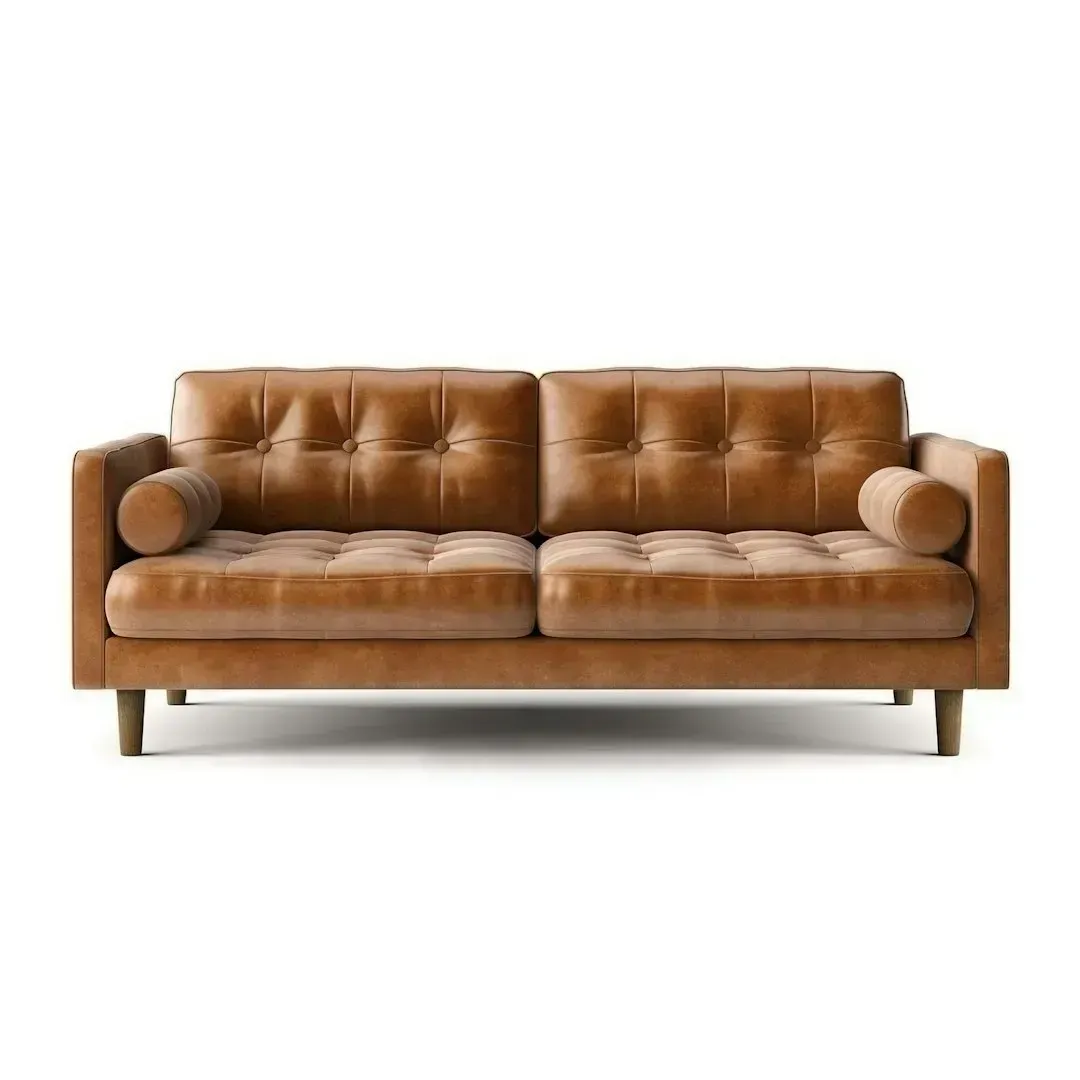
In mid century homes, a davenport was a large sofa, sometimes one that converted into a bed. The word was especially common in parts of the Midwest and Canada. Its exact origin is debated, though it is often linked to a furniture maker or a family name.
Most Americans now say couch or sofa, and davenport has become a regional curiosity. Linguists who study American dialects have long noted how couch and sofa spread at its expense. If you hear it today, there’s a good chance the speaker is older or from a particular part of the country.
Ration Book
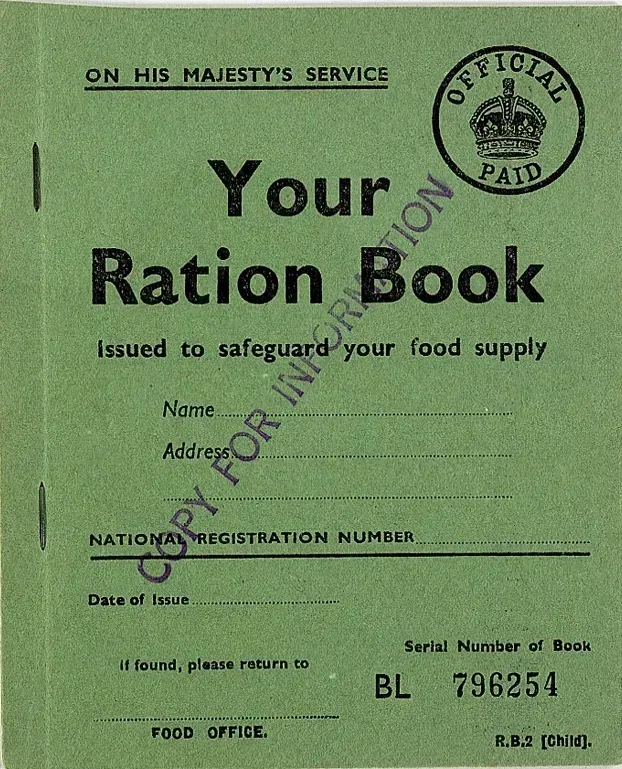
Few household items were as familiar in wartime America as the ration book. The government began issuing War Ration Book One in 1942, and it came with stamps that limited purchases of goods such as sugar, meat and fuel. Families had to plan shopping carefully, and the books were a daily reminder that the war reached every kitchen.
When rationing ended, the phrase largely went with it. Today people mostly meet the term in history lessons or museum exhibits. Words like stamps and points once carried specific meanings at the grocery counter that now need explaining.
Bobby Soxer

Bobby soxer described teenage girls in the 1940s who wore ankle socks and screamed for pop idols, with Frank Sinatra the best known example. The term even made it into a 1947 film title, The Bachelor and the Bobby Soxer. It captured a new and visible youth culture that marketers were only beginning to notice.
Later generations found their own labels, from teenyboppers to fans and stans. Bobby soxer slid into nostalgia because the fashion and the fandom it named were so specific. The word now feels like a snapshot of one particular moment in teenage life.
Jalopy
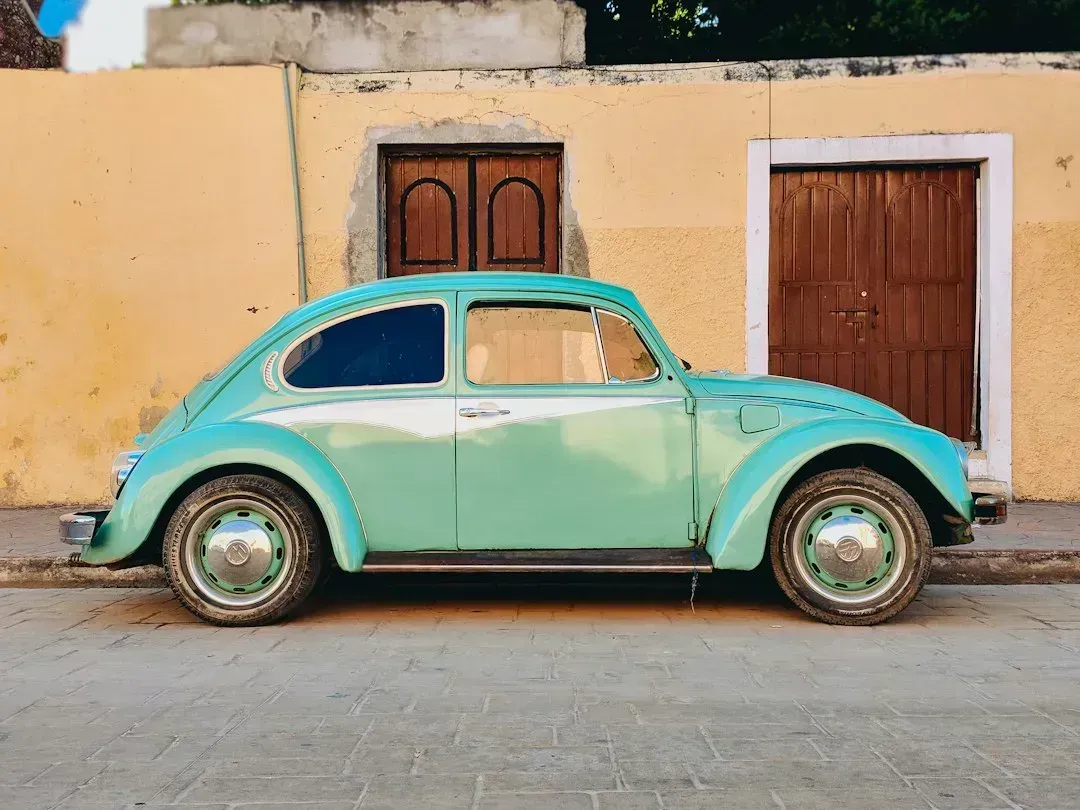
A jalopy was a battered, rattling old car. The word had been around since before the 1940s, but wartime made it more relevant. New car production for civilians was largely halted so factories could build military vehicles, which meant people kept aging cars running far longer than usual.
Affectionate and a little mocking, the term still pops up in cartoons and old movies. In daily conversation, people now say clunker, beater or junker. Jalopy has mostly retreated to a comic, old fashioned register.
Soda Jerk
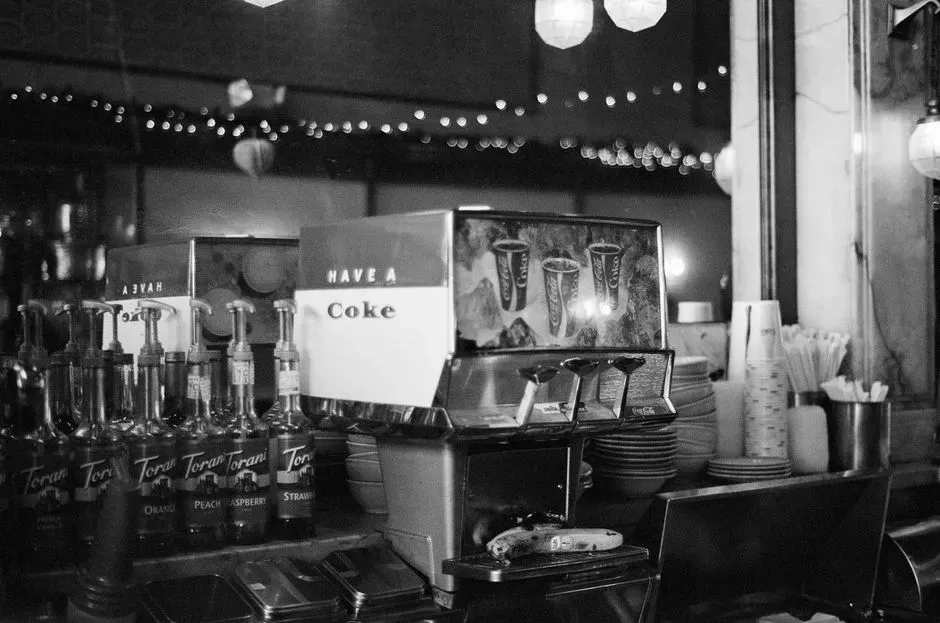
Drugstores and luncheonettes in the 1940s often had a soda fountain, and the person behind the counter was known as a soda jerk. The name likely came from the quick jerking motion used to pull the soda tap handle. It was a typical first job for many teenagers.
As fountains disappeared from drugstores and fast food took over, the job and the word faded together. Some retro ice cream parlors still use the term for atmosphere. Elsewhere, it sounds more like an insult than a profession, which is one reason it has dropped away.
Swell

Swell was an all purpose word of approval in the 1940s, meaning great, pleasant or excellent. A swell party, a swell guy and a swell idea were all perfectly normal things to say. It was cheerful and easy to use, which is partly why it was so common.
Slang tends to burn out quickly once it becomes widespread, and swell is a good example. Later words like cool, awesome and sweet replaced it in turn. Today it mostly appears in period dramas, or when someone is using it a little ironically.




Leave a Reply