
Romance gets most of its attention from the big moments: the surprise trip, the anniversary dinner, the carefully staged proposal. Ask couples what actually keeps them feeling close, and the answers tend to be quieter.
The gestures below come up again and again in relationship research and in what partners say they appreciate. None of them costs much. Most take less than a minute.
1. Saying Thank You for the Ordinary Stuff

Gratitude is one of the most consistent themes in relationship research. Research on gratitude suggests that feeling appreciated is closely tied to relationship satisfaction. That includes thanks for things your partner does every day, not only for special favors.
Everyday effort is easy to overlook. Feeling appreciated seems to matter, especially when everyday effort could otherwise become invisible. A quick thank you for cooking, driving, or handling a dull errand makes that effort visible again.
2. Sending a Midday Text

A short message in the middle of the day tells your partner they crossed your mind. An Open University study published in 2013 found that touching base during the day with a text message was among the simple actions that could support a lasting relationship. It doesn’t need to be poetic.
Something as plain as asking how a meeting went does the job. The point is attention, not eloquence. For couples who spend long stretches apart, these small check ins can matter even more.
3. Bringing Over a Cup of Tea or Coffee
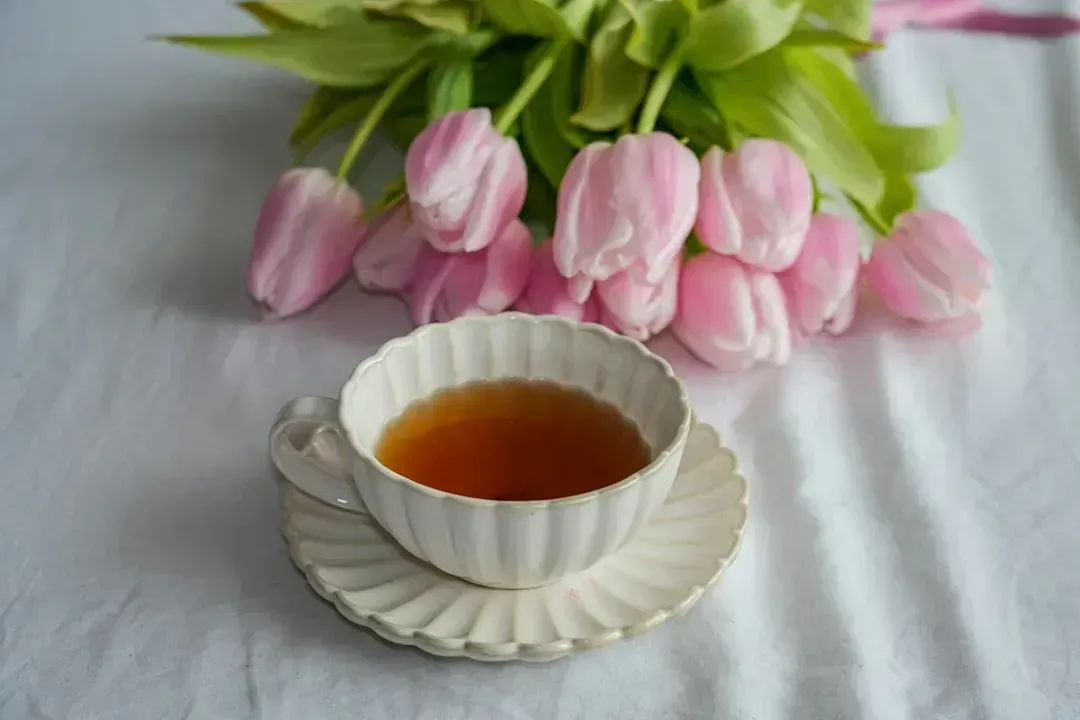
It sounds almost too small to count. Yet the same Open University research mentioned bringing your partner a cup of tea in bed as one of the simple actions tied to a long and successful relationship.
The drink isn’t really the gift. It’s the signal that someone thought about what you’d enjoy and acted on it. Swap in whatever your partner likes, whether that’s a latte, a glass of water, or a snack left on the desk.
4. Noticing and Answering Small Bids for Connection

Relationship researcher John Gottman describes these moments as bids for connection. He has described them as small bids, and couples tend to do better when those bids are noticed instead of repeatedly brushed aside. A bid might be pointing out a bird at the window or sighing after a rough day.
Responding can be as easy as looking up and saying something back. It takes a few seconds. Over months and years, those seconds add up to a sense of being heard.
5. Holding Hands or a Quick Touch in Passing

Physical closeness doesn’t have to be dramatic. Holding hands, touching somebody’s back when you walk past, and sitting close on the couch have been associated with relationship satisfaction.
Many people also point to the comfort of a hand on the shoulder during a stressful moment. It says something words sometimes can’t. Not everyone likes the same kind of touch, so it helps to learn what your partner actually enjoys.
6. Putting the Phone Down

Giving someone your undivided attention has become a rarer gift. There is now a research term for ignoring someone in favor of your phone: partner phubbing.
The findings aren’t flattering. Studies have linked it with worse relationship outcomes and with people feeling that their partner is less responsive to them. Turning the screen face down during dinner is a small habit with a clear message.
7. Doing a Chore Without Being Asked

Emptying the dishwasher, refilling the car, or taking out the bins before anyone mentions it all count. Therapists often describe this kind of help as an act of service, a way of showing care through action. It also lightens the mental load that tends to build up quietly in a household.
What people value is the initiative. When a partner has to ask repeatedly, the task can feel like a negotiation. When it’s simply done, it feels like being looked after.
8. Remembering the Little Details

Knowing which coffee order your partner prefers, or that they have a dentist appointment on Thursday, shows you’ve been paying attention. These details rarely look impressive from the outside. Inside a relationship, they carry weight.
Following up counts too. Asking how that appointment went turns a remembered fact into an act of care. It tells your partner their life matters to you beyond the headlines.
9. Listening Without Rushing to Fix Things

When someone shares a problem, the instinct is often to solve it. Many partners say they’d rather be heard first. Therapists who use emotion focused approaches stress that small gestures offer a way for partners to show care even when words are difficult to find.
A good starting point is to ask what would help most: advice or just company. That one question can prevent a lot of friction. It also shows respect for how your partner prefers to cope.
10. Saying I Love You on an Ordinary Day

The phrase hits differently when it isn’t tied to a birthday or a fight. The Open University research suggested that busy parents in particular can struggle to pause each day to say I love you or to do other small gestures that add up to relationship work.
Saying it at the door, on the phone, or over a sink full of dishes keeps it from becoming a formality. Some people prefer to show it rather than say it, which is fine. What matters is that the message actually reaches your partner in a form they recognize.
11. Protecting Time Just for the Two of You

Couple time tends to be the first thing to go when schedules fill up. The same research noted that parents are the least likely to make time for each other, which is understandable given the demands on them.
It doesn’t have to be a date night out. A walk after dinner or a regular coffee before the kids wake up can serve the same purpose. A different study line points the same way: couples who kept up high levels of joint activities, especially small daily ones, saw weaker declines in satisfaction over time.
12. Doing Small Acts of Kindness Regularly

A note on the mirror, a favorite snack from the shop, or a quiet offer to help can all brighten a day. Studies show that couples who regularly engage in acts of kindness and express gratitude toward each other tend to be more satisfied in their relationships. Regularity seems to matter more than scale.
Kindness also tends to be contagious inside a relationship. When you show appreciation or do something kind, your partner is likely to feel more valued and understood, which often leads to them reciprocating. That loop is what makes a small habit so powerful.





Leave a Reply