
Walk into almost any family home and you’ll find at least one object that nobody uses but nobody would dream of selling. A teapot, a folded blanket, a silver spoon wrapped in tissue. Many of these things began as wedding gifts.
Tastes change, and registries now lean toward air fryers and cash funds. Yet certain gifts keep moving from one generation to the next, mostly because they carry a story along with their function. Here are eight that families still hand down.
Fine China Sets
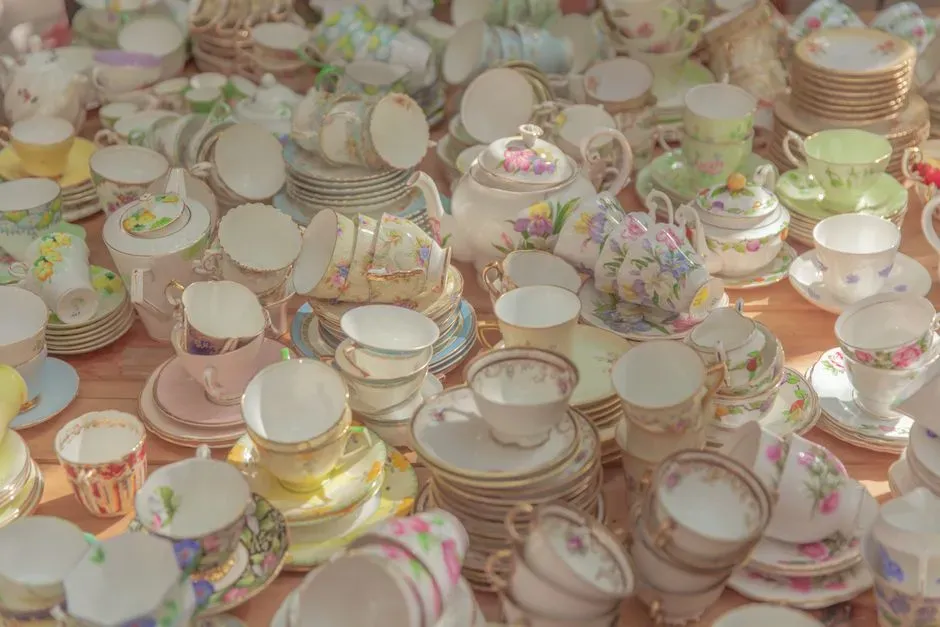
China is the classic example. Sets of porcelain dinnerware were long given at weddings because they were meant to last for decades, and many couples kept them for holidays and special meals. Bone china and porcelain are fired at high temperatures, which makes them durable enough to survive generations when handled with care.
Younger couples sometimes hesitate, since many older sets aren’t dishwasher or microwave safe, particularly pieces with metallic trim. Still, a single inherited teacup or serving platter often finds a place on a shelf or at the table. Families tend to split large sets among children rather than let them sit in one cupboard.
Handmade Quilts
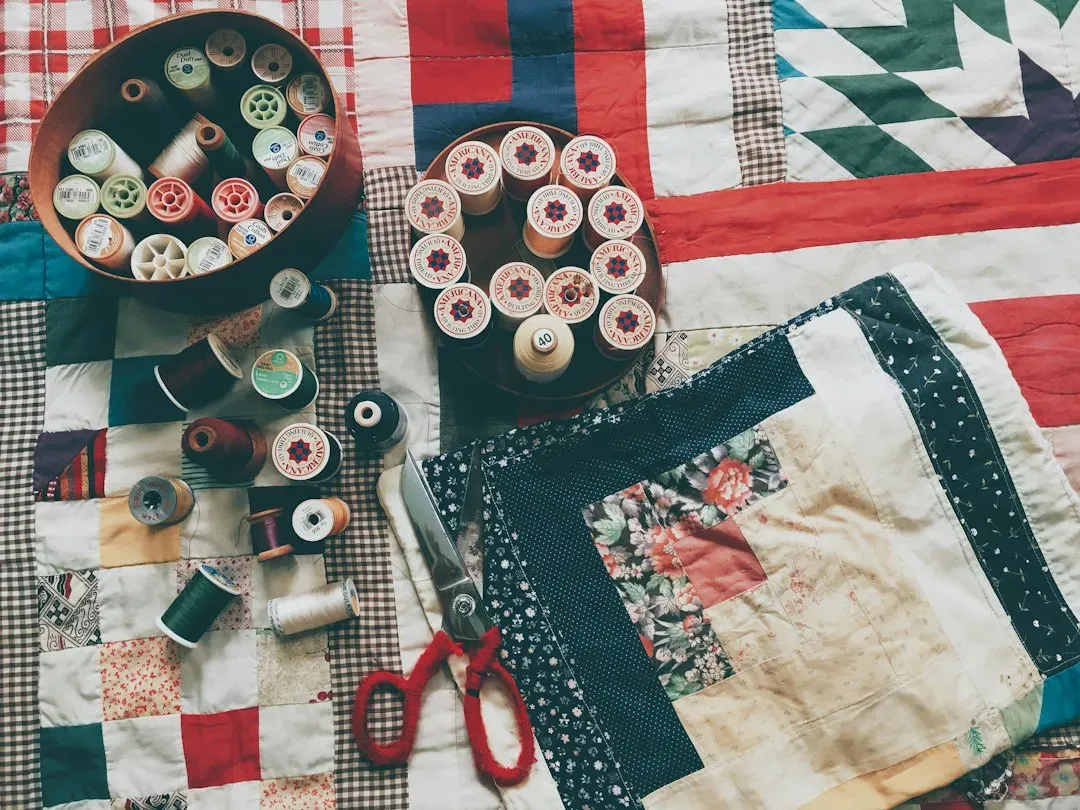
Quilts have a long history as wedding gifts in North America, where patchwork and appliqué traditions were often tied to marriage and family milestones. Some were made by a bride’s relatives or community, with each person contributing blocks or stitches. The result was a bed covering that doubled as a record of who cared about the couple.
Textile conservators generally advise keeping old quilts out of direct sunlight and storing them folded loosely or rolled rather than creased in plastic. Handled that way, a quilt can last well over a century. Many families now display them on a wall or a quilt rack instead of using them daily.
Sterling Silver Flatware
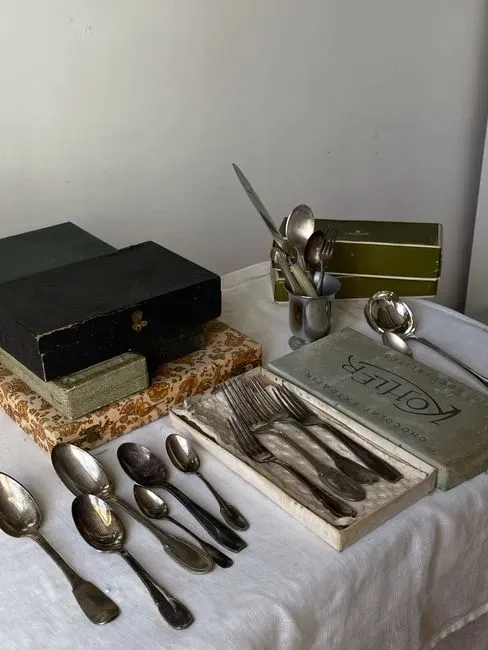
Silver flatware was once a staple of the bridal registry, often given piece by piece so a couple could build a full service over time. Sterling silver is marked as containing ninety two and a half percent pure silver, which is why it holds real material value as well as sentimental weight. That mix keeps it in many family inventories.
Tarnish is the usual complaint, though regular use actually helps keep it in check. Gentle polishing and dry storage in soft cloth are the standard recommendations. Even a mismatched drawer of inherited spoons can become a quiet piece of family history.
Crystal Glassware and Decanters
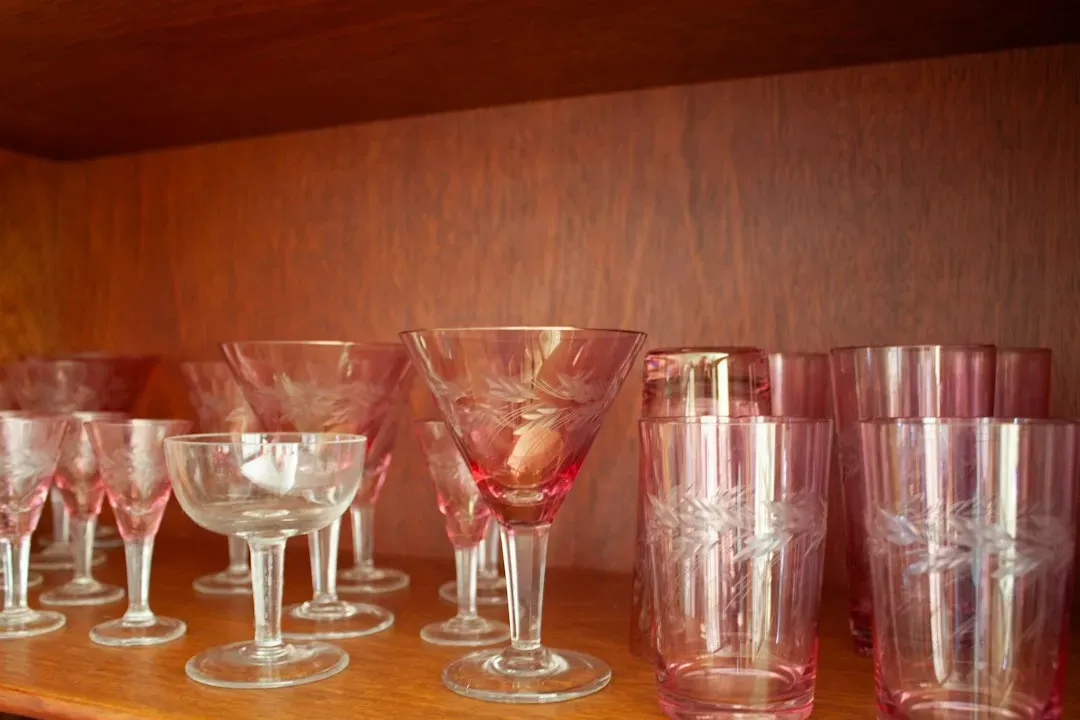
Cut crystal glasses, vases and decanters have long been a favorite wedding present, valued for the way they catch light. Traditional lead crystal contains lead oxide, which gives it brilliance and weight. Because of that content, many experts suggest using older pieces for short term serving rather than storing beverages in them for long periods.
Plenty of families keep a set for toasts at anniversaries and holidays. Hand washing is the safest approach, since heat and harsh detergents can cloud the surface over time. A single inherited champagne flute often ends up used at the next wedding in the family.
Family Bibles and Heirloom Books
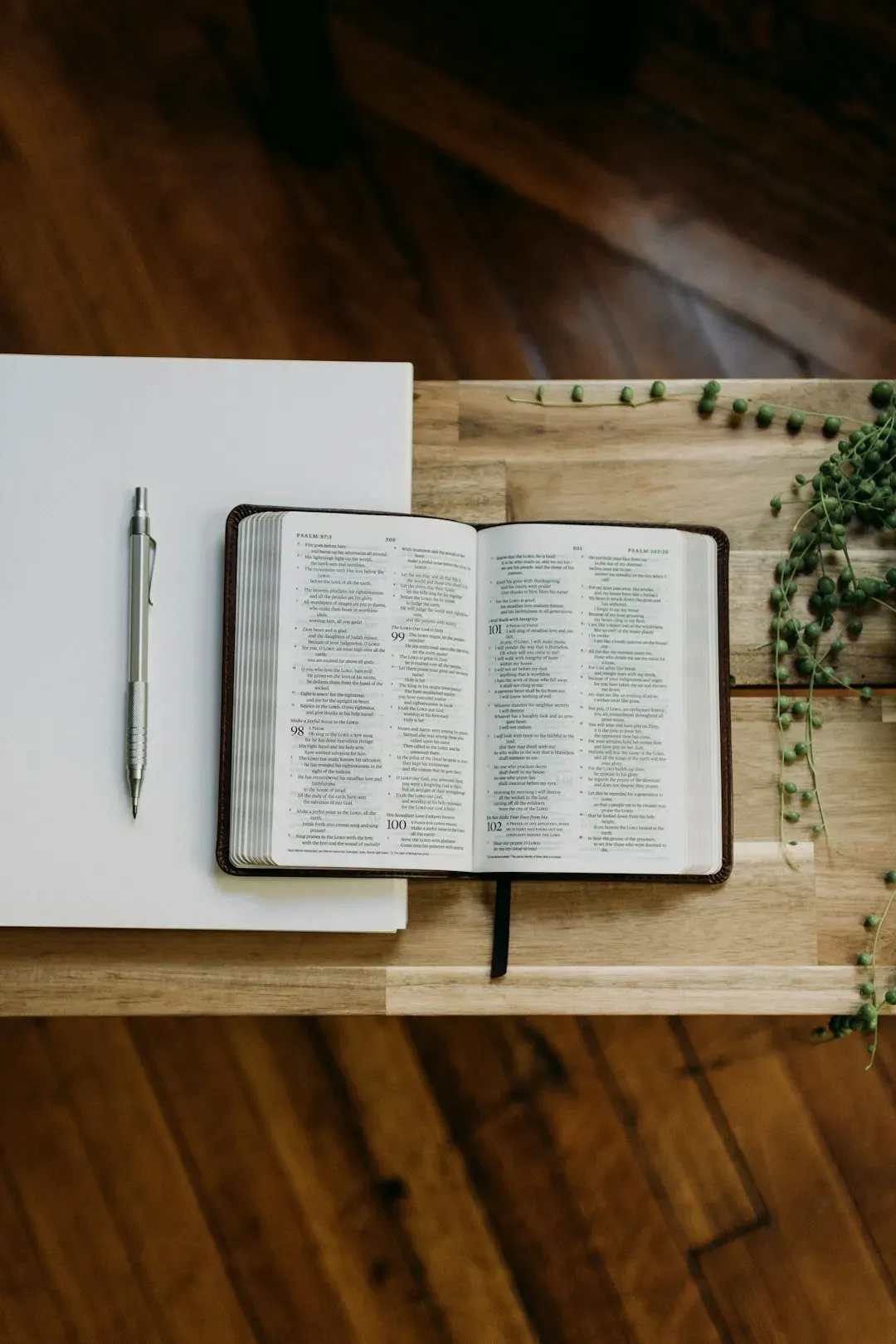
In many Christian families, a Bible was given to newlyweds, with a page in the front for recording births, marriages and deaths. Those handwritten entries turn an ordinary book into a genealogy source. Researchers tracing family trees still treasure them for exactly that reason.
The same idea carries into other traditions, including cookbooks, poetry volumes and prayer books inscribed by relatives. Acid free boxes and stable, cool storage help slow paper decay. Even when the faith or habit has faded, the handwriting alone makes the book worth keeping.
Embroidered Linens and Tablecloths
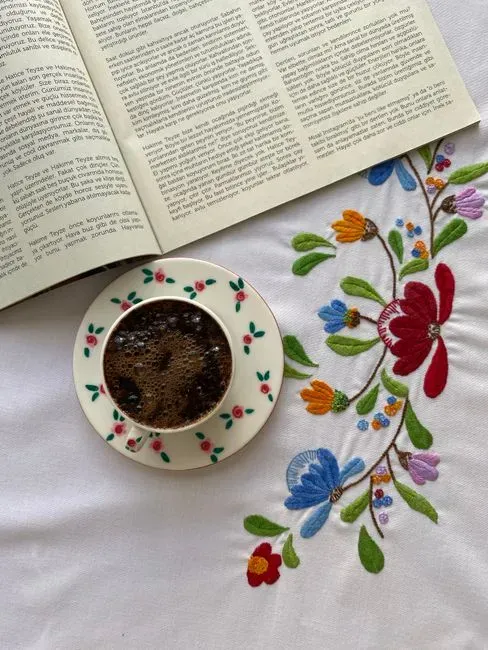
Hand embroidered table linens, pillowcases and towels were a traditional part of a bride’s trousseau in many European cultures. A hope chest filled with such items was often assembled for years before a wedding. Monograms were common, so a piece could be traced to a specific family line.
These textiles can yellow or stain over time, but gentle washing and careful storage often rescue them. Many families now bring out an old tablecloth only for big meals. It’s a small ritual, though one that tends to spark stories about who stitched it.
Jewelry and Gemstone Pieces
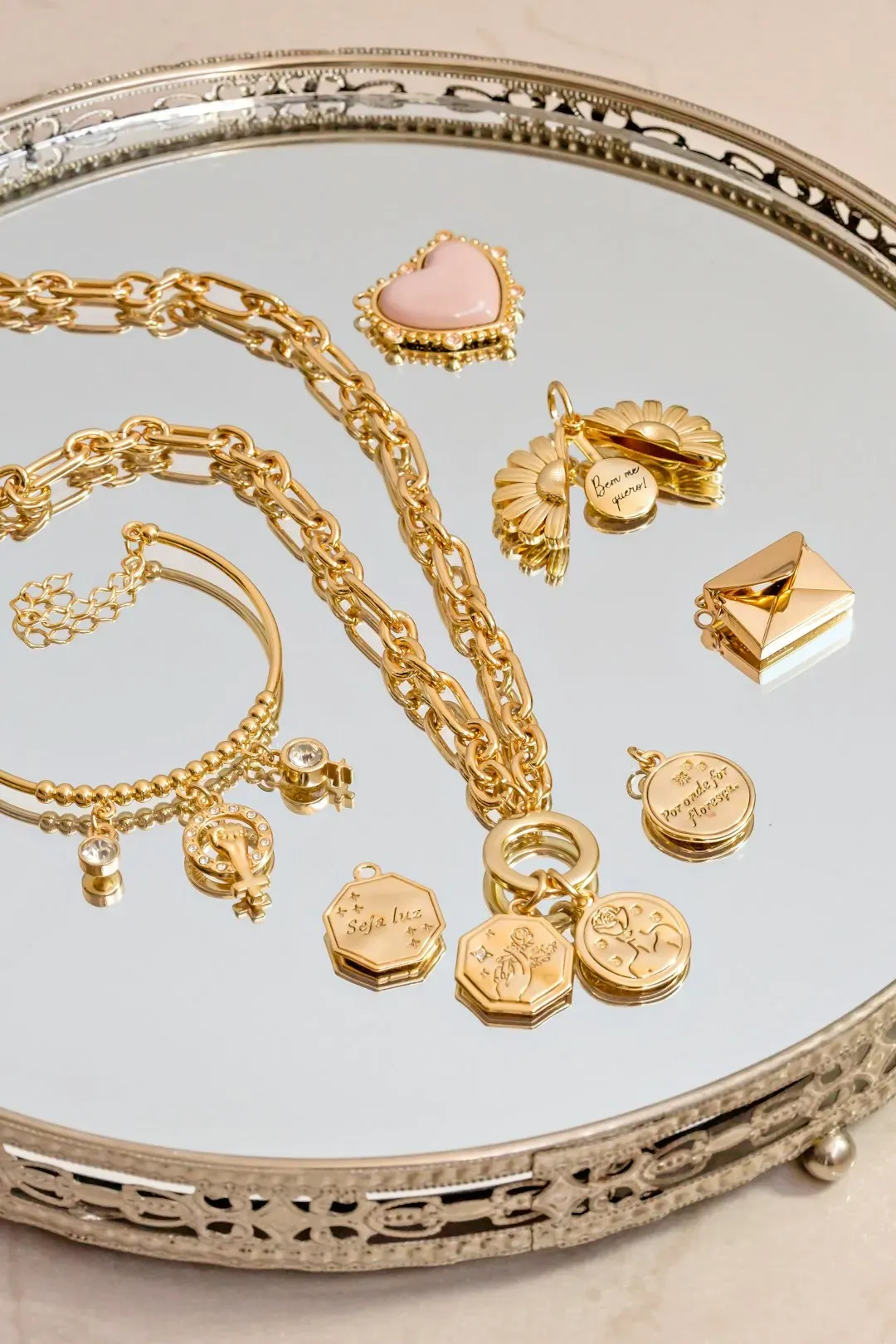
Brooches, pearl necklaces, watches and rings are among the most commonly passed down wedding gifts. Unlike many objects, jewelry can be reset, resized or reworked, so a grandmother’s stone might end up in a new engagement ring. Pearls, meanwhile, are often given on the wedding day itself, a custom many families still follow.
Appraisal and insurance matter here, because a piece’s market value may differ sharply from its emotional value. Jewelers can also check clasps and settings before an old piece is worn again. Passing it on with a note about its origin keeps the history from slipping away.
Cookware and Cast Iron Skillets
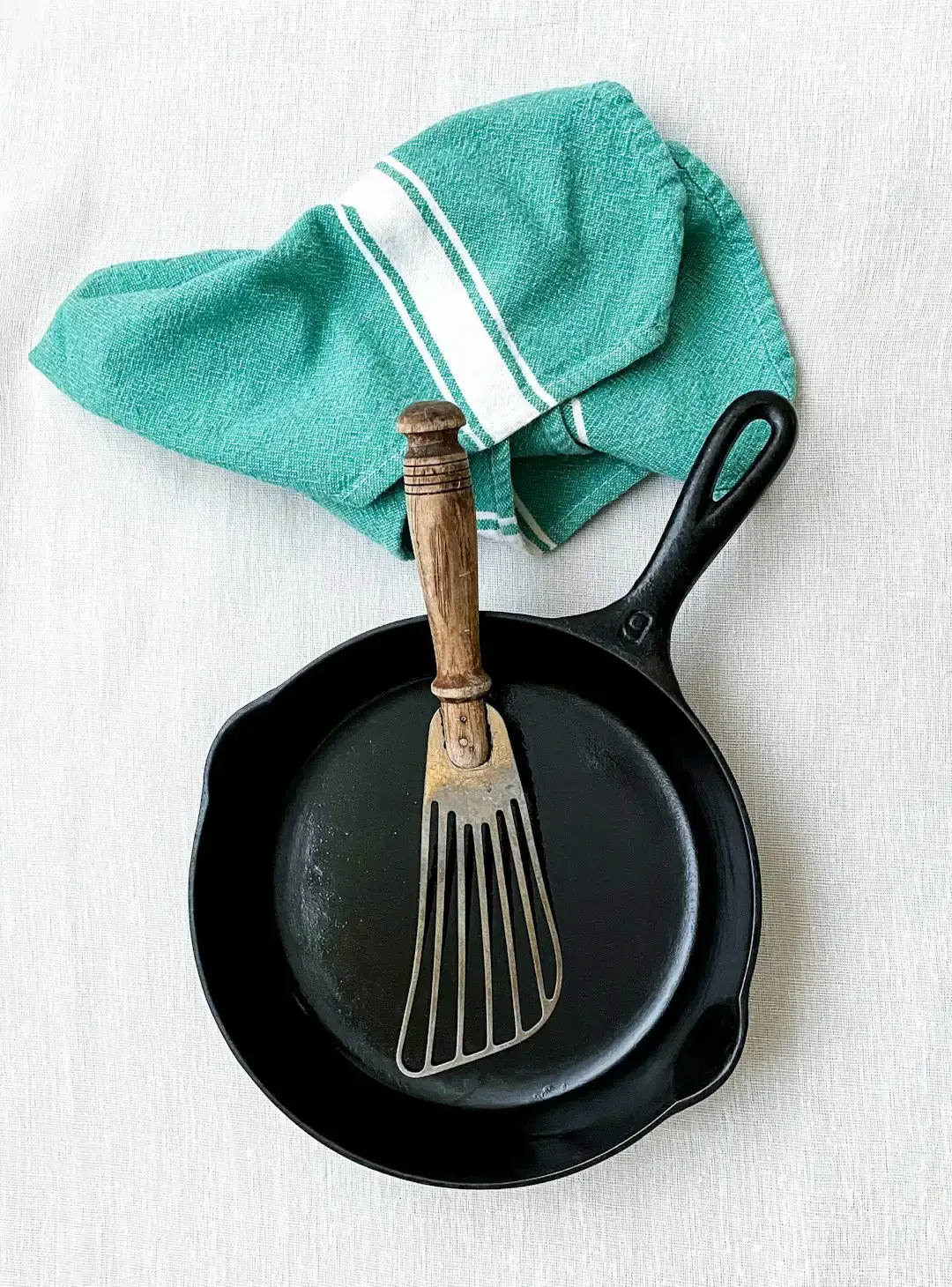
Not every heirloom is delicate. Cast iron skillets and enameled Dutch ovens are sturdy enough that they often outlive the people who bought them, and a well seasoned pan can be restored even after decades of neglect. Many cooks prefer older skillets because their surfaces were often machined smoother than some modern pre seasoned pans.
These pieces are practical gifts that actually get used, which may be why they endure. Wiping, drying and lightly oiling the pan after cooking is the standard care routine. Handing one to a newly married grandchild is an easy way to pass along a recipe as well.




Leave a Reply