
Ask your grandparents what a relationship was supposed to look like, and you’ll probably get a clear script. Date, get engaged, marry, and let the family handle the details. Plenty of couples today still like parts of that script, but many are quietly editing it.
Recent surveys from wedding platforms, family researchers and dating studies point to the same drift. The data is mixed and not every survey is nationally representative, so it’s best read as a set of signals, not a verdict. Here are nine expectations that appear to be losing their grip.
The Bride’s Family Paying for the Wedding
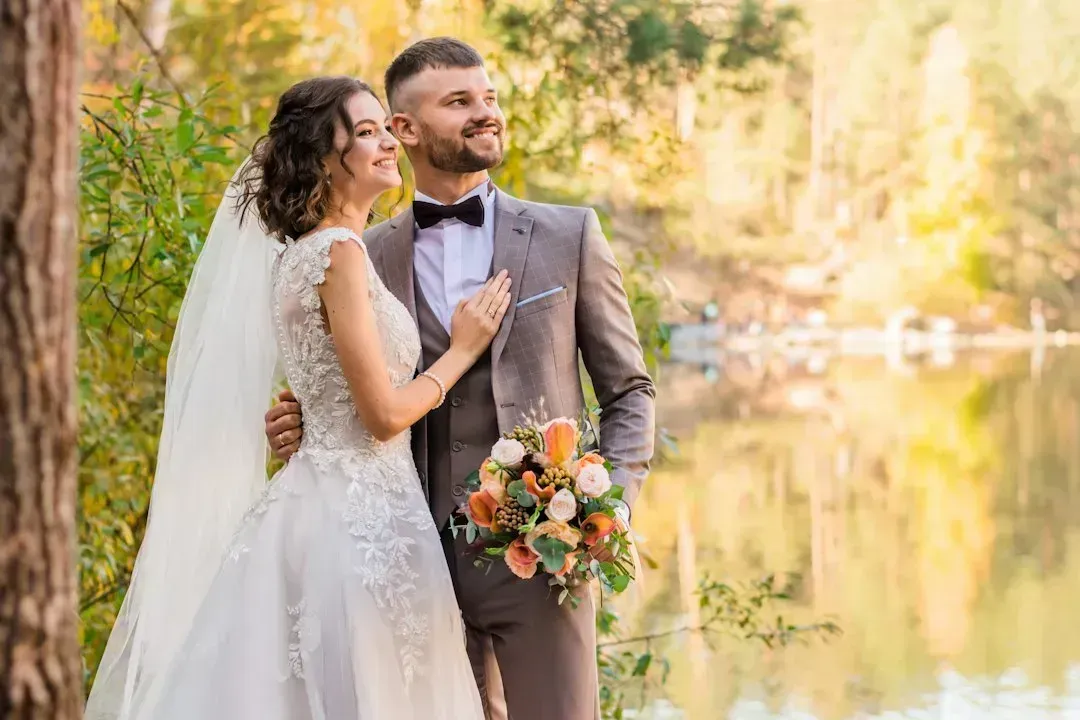
For generations, the bride’s family footing the bill was treated as the default. Zola surveyed close to 6,000 couples getting married in 2025, and the results show that assumption wearing thin.
Just under one third of couples (31%) said they want to move away from the expectation that the bride’s family should pay the entire bill. That’s a minority, but a sizable one. It suggests many couples now see a wedding as a shared project, funded in whatever way fits their families.
Getting Married in a Religious Ceremony
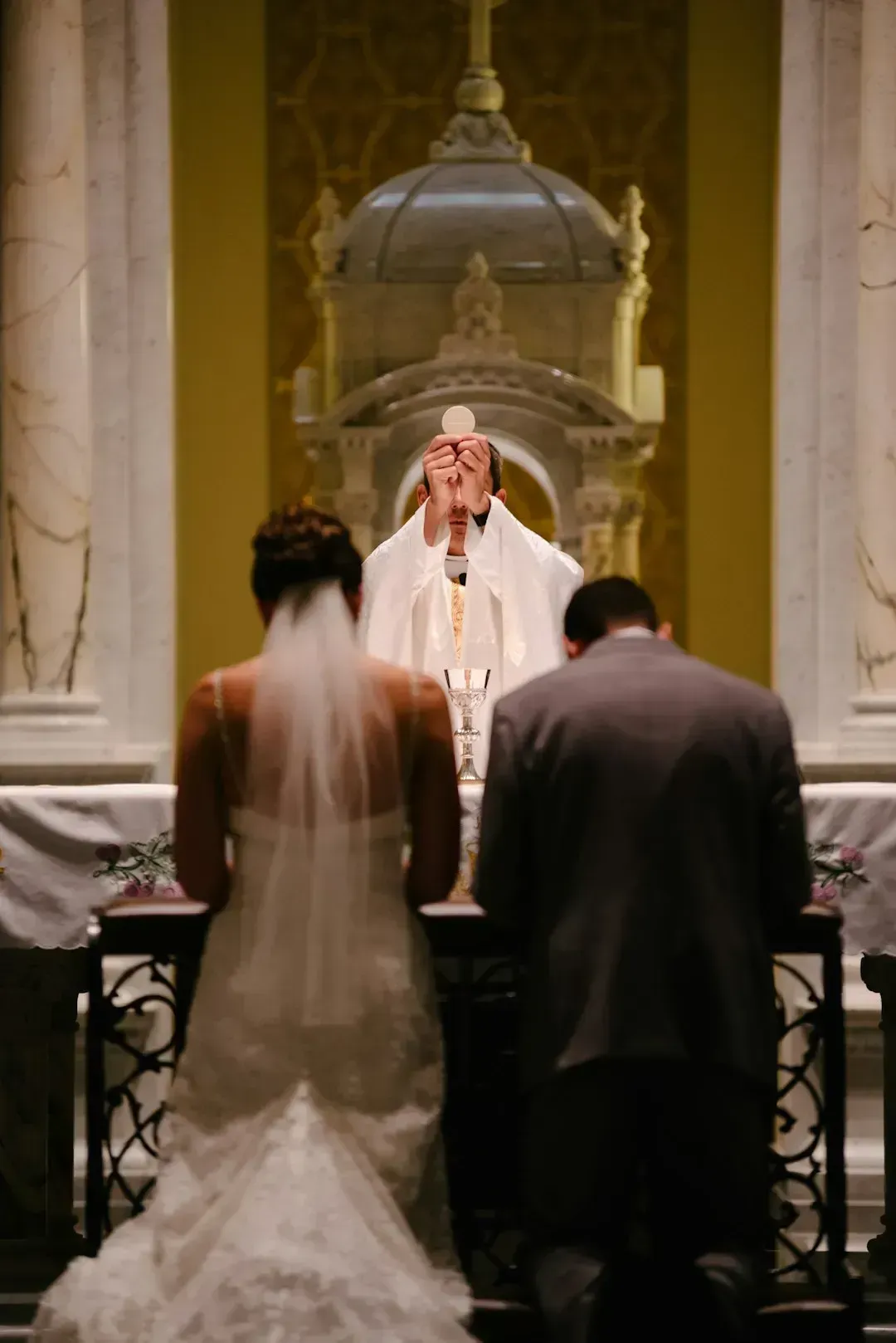
A religious service used to be the assumed setting for a wedding. That’s loosening. Zola found that about a third of couples (32%) chose religion free ceremonies in 2025, up from just over a quarter (28%) the year before.
Going secular doesn’t mean going without meaning. Couples are still building their values into vows and even their choice of vendors. The ritual is staying, while the institutional wrapper is optional.
Accepting Every Wedding Invitation
Social obligation has long shaped who shows up to what. Couples seem tired of it, at least when they’re on the receiving end of an invite. Zola’s survey found that the vast majority of couples (91%) wish it felt more acceptable to decline a wedding invitation.
It’s a small shift, but a telling one. Couples are pushing back on the idea that relationships and milestones must be performed for an audience, whether that means guest lists or RSVPs. Budgets and time matter, and honesty about both is becoming more welcome.
Waiting Until Engagement to Move In Together

The old order was clear: marry first, share a home second. Surveys now suggest most people see it differently. A dating trends report found that 78% of men and 71% of women believe couples should live together before getting engaged.
In plain terms, that’s nearly four in five men and about seven in ten women. The same report reads this as continued movement away from rigid traditional timelines. Living together is increasingly treated as a practical test, not a scandal.
Men Always Making the First Move
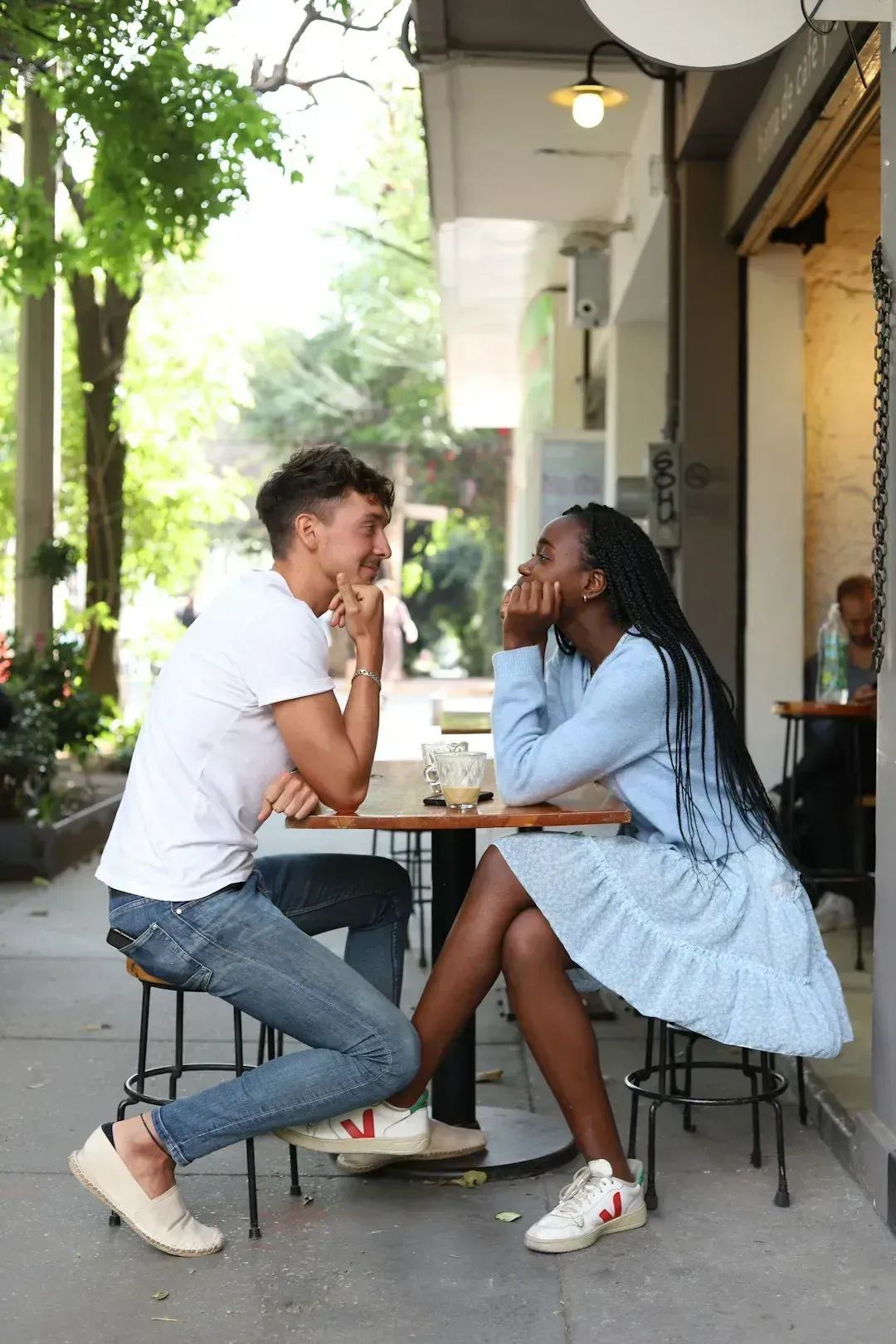
This one hasn’t vanished, which makes it interesting. The same report found that 37% of women believe men should always make the first move, while only 22% of men agree. So the expectation is stronger among women than among the men it supposedly applies to.
Many men said initiating should be split evenly, or fall to whoever is more interested. The shift is uneven, and the gap between what each side expects may explain some awkward early dates. Still, the idea of a fixed script for who speaks first is clearly fading.
Marriage as the Automatic Destination

Marriage remains a goal for many young adults, though it’s no longer a given. The Institute for Family Studies drew on the 2025 National Dating Landscape Survey, a nationally representative sample of 5,275 unmarried young adults ages 22 to 35.
Among those whose dating could lead to marriage, about six in ten (61%) definitely expected to marry, while a quarter (25%) said maybe or didn’t know. The report also describes dating lives as temporally disconnected from marriage expectations. Dating, for many, has become its own thing rather than a path with a fixed endpoint.
Exclusivity Being Assumed Without a Conversation

Not long ago, being exclusive was simply understood. Some recent coverage argues that’s changing. A Deccan Chronicle review of an Indian relationship survey says exclusivity can no longer simply be assumed, and must now be negotiated by both partners.
That survey covered respondents in Indian cities, so it can’t speak for every country. Its findings on emotional connections outside a primary relationship, and on online flirting, were notable. They hint at why more couples are choosing to spell out boundaries instead of trusting unspoken rules.
Believing There’s Only One Person for Life

People still want a partner for the long haul. Yet fewer are sure that it will be one person. An EliteSingles survey found that 85 percent wanted a life partner, but only 45 percent thought having just one was possible.
That’s a gap between hope and realism, with the survey’s authors pointing toward serial monogamy. It was reported by YourTango, and the original survey is not recent, so treat the numbers as indicative. The broader point holds, since a relationship ending no longer reads as a failure of the whole idea.
Women Handling Most of the Household Work
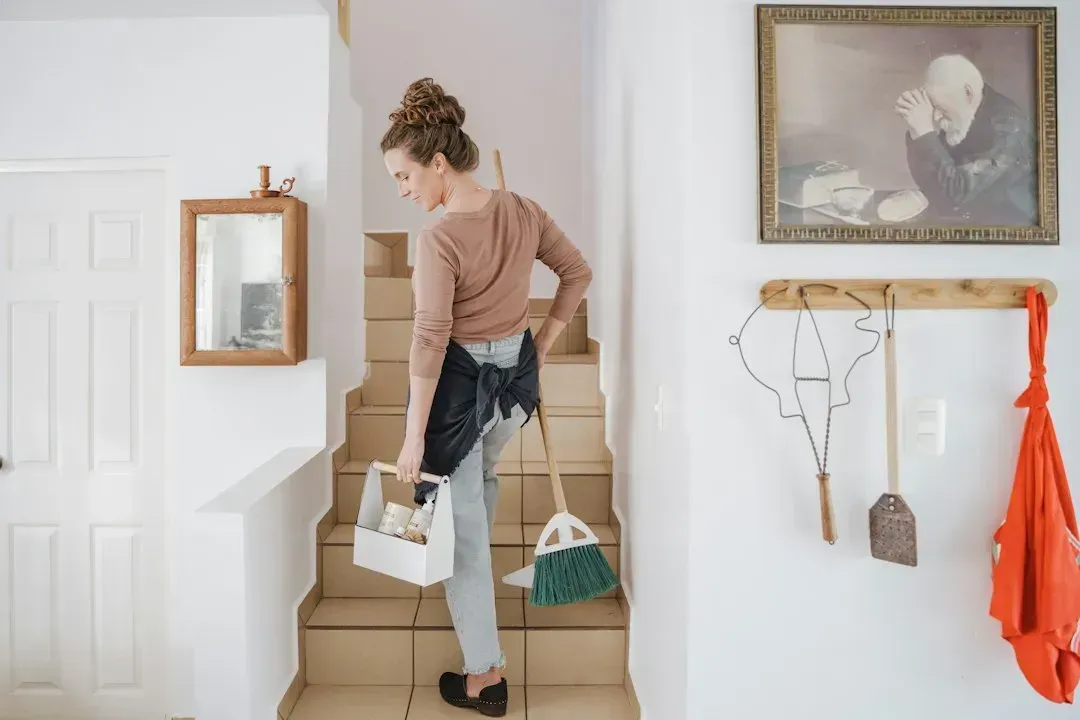
The division of chores is one of the oldest assumptions in the book. A roundup citing a 2020 Gallup poll noted that women still do most chores in heterosexual marriages, though more couples are insisting on an equal split. The source is a secondary summary, so the original poll is worth checking.
The same piece points to a clear change in parenting, noting that fathers today spend three times as much time on childcare each week as fathers did in 1965. Progress is real but incomplete. Couples are now more likely to treat housework as a negotiation rather than a default.





Leave a Reply