
A cooler in the back seat feels like a safe bet, at least for the first hour. After that, the ice starts to melt and the car heats up in the sun. Every stop for gas, a bathroom break or a view makes the cooler lid open again.
Agencies like the USDA and the FDA give consistent advice for long drives. Perishable food shouldn’t sit out for more than two hours, or one hour when the temperature is above 90 degrees Fahrenheit. Cold food should stay at 40 degrees or below. Some foods carry far more risk than others once those limits are tested.
Raw Chicken and Other Raw Meat
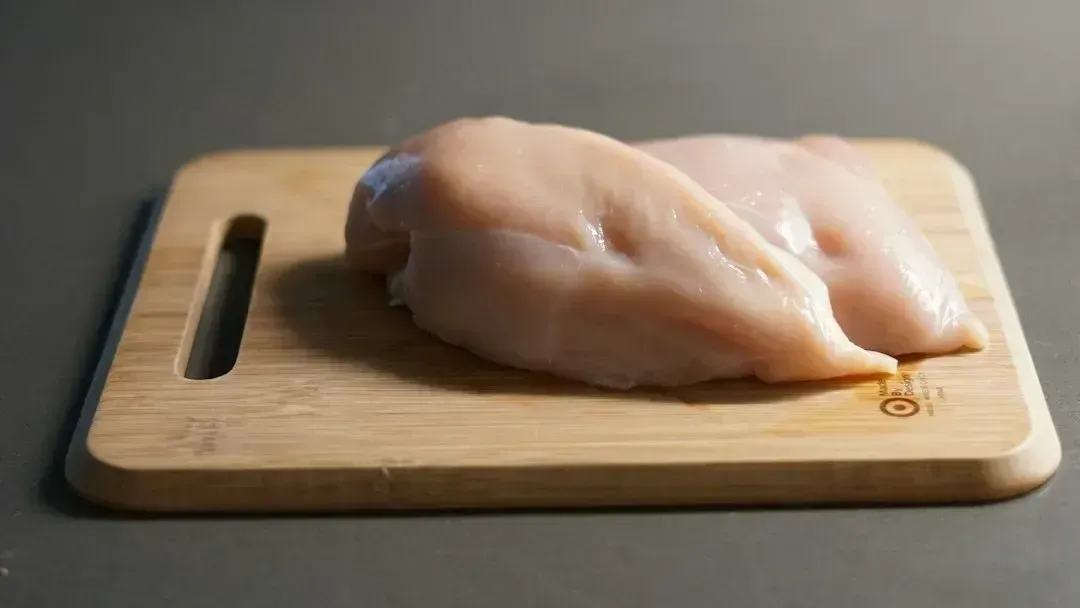
Raw poultry is a common carrier of Salmonella and Campylobacter, and the USDA treats it as one of the highest risk items in any kitchen. On the road, a leaking package can drip onto sandwiches, fruit or drinks in the same cooler. Even a small amount of juice is enough to spread bacteria.
If you really must bring raw meat, freeze it solid first and seal it in a leakproof bag at the bottom of a separate cooler. Otherwise, buy it at your destination. Food safety guidance also warns against marinating meat at room temperature, so a pre-trip marinade in the car isn’t a good plan either.
Deli Meat Sandwiches Packed Hours Ahead

Sliced deli meats can carry Listeria, a bacterium that, unlike many others, can keep growing at refrigerator temperatures. The CDC says pregnant people, adults over 65 and people with weakened immune systems face the greatest risk of serious illness from it. For them, the advice is to heat deli meats until steaming or avoid them.
A sandwich made at 6 a.m. and eaten at noon has had plenty of time to warm up. Soft bread also holds moisture, which helps bacteria along. If sandwiches are a must, pack the meat separately in a well iced cooler and assemble at the picnic table.
Cooked Rice and Pasta Leftovers
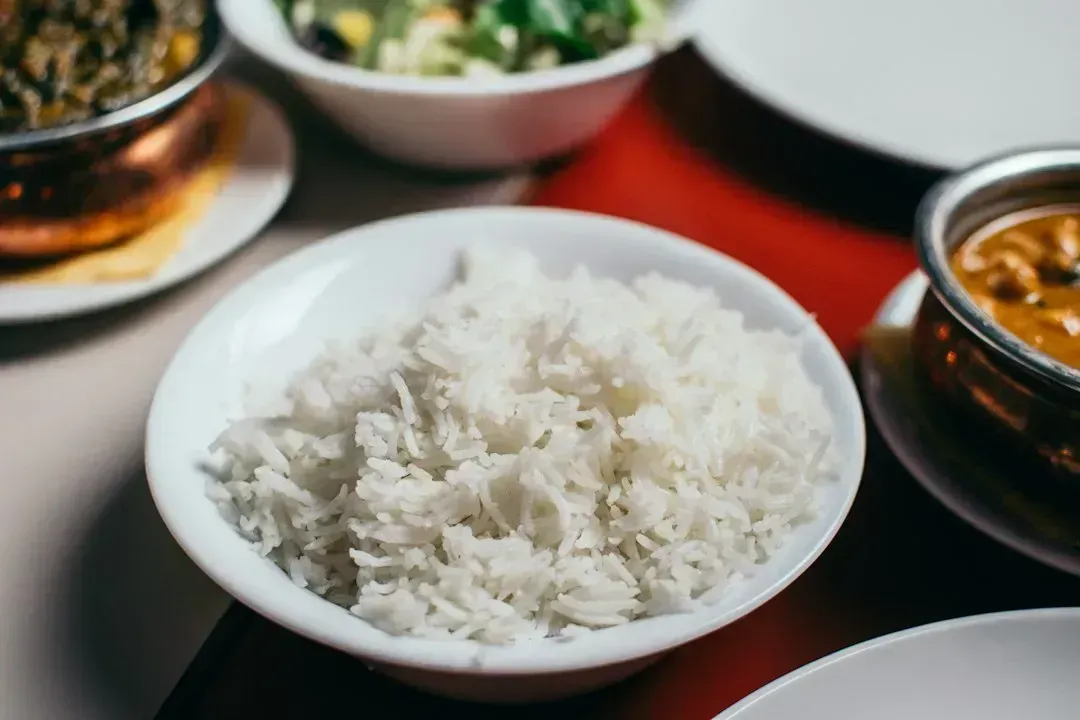
Rice looks harmless, yet the CDC and the UK’s National Health Service both flag it for a specific reason. Raw rice can contain spores of Bacillus cereus that survive cooking. If cooked rice sits at warm temperatures, those spores can grow and produce toxins that reheating doesn’t destroy.
Leftover pasta can behave in a similar way when it’s left out too long. Cooked grains and noodles should be cooled quickly and refrigerated soon after cooking. A container of last night’s fried rice riding in a warm car is exactly the situation to avoid.
Precut Melon and Fruit Salad
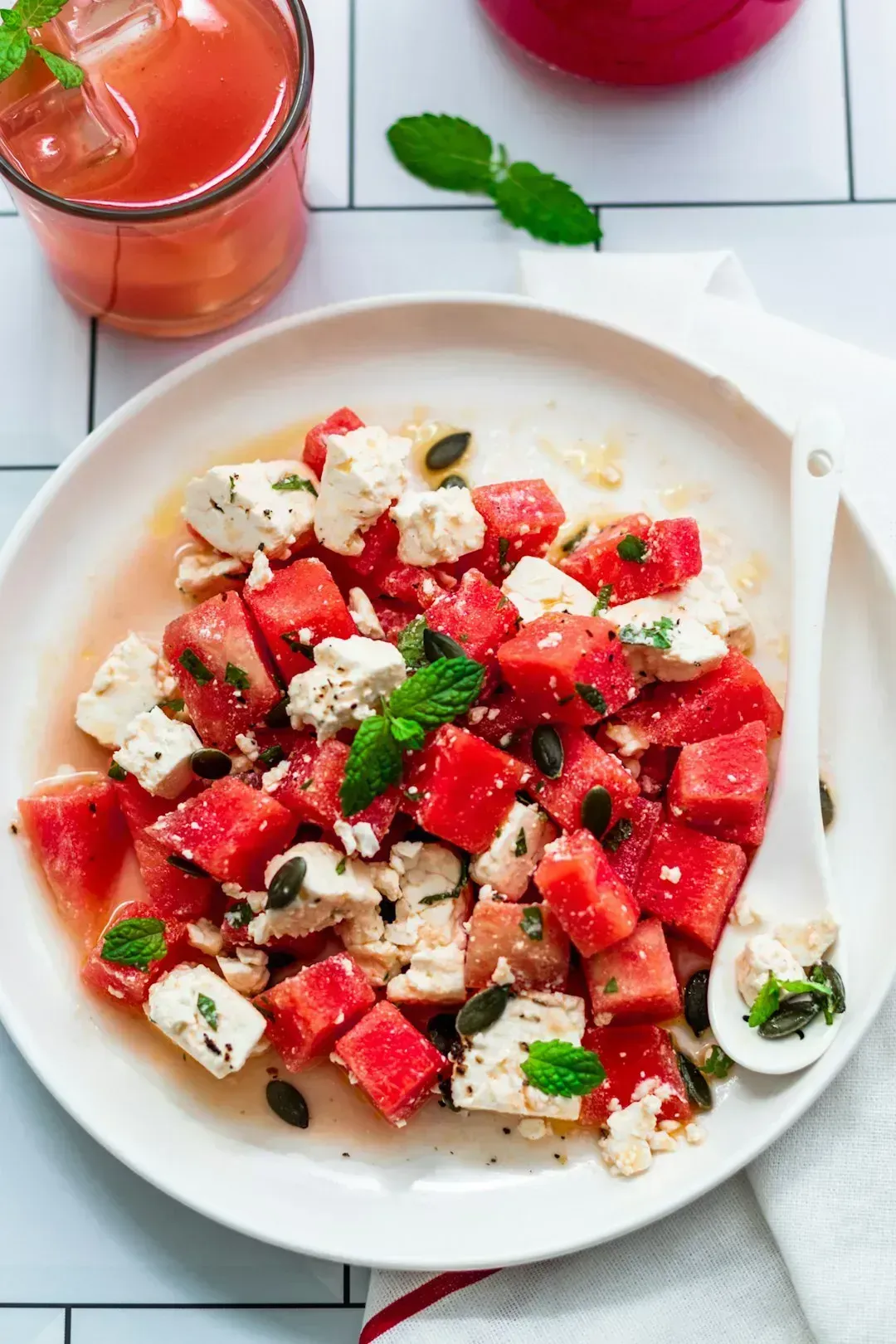
Whole melons have a rind that protects the flesh, but slicing breaks that barrier. Cantaloupe has been linked to several major outbreaks of Salmonella and Listeria in the United States, and the FDA advises refrigerating cut melon. Its high water content and natural sugars give bacteria a friendly place to grow.
Cut fruit left in a warm car can pass the two hour limit before you notice. A safer approach is to bring whole fruit like apples, bananas and oranges, which travel well without refrigeration. If you want melon, cut it at your stop and keep it cold until then.
Soft Cheeses and Dairy Products
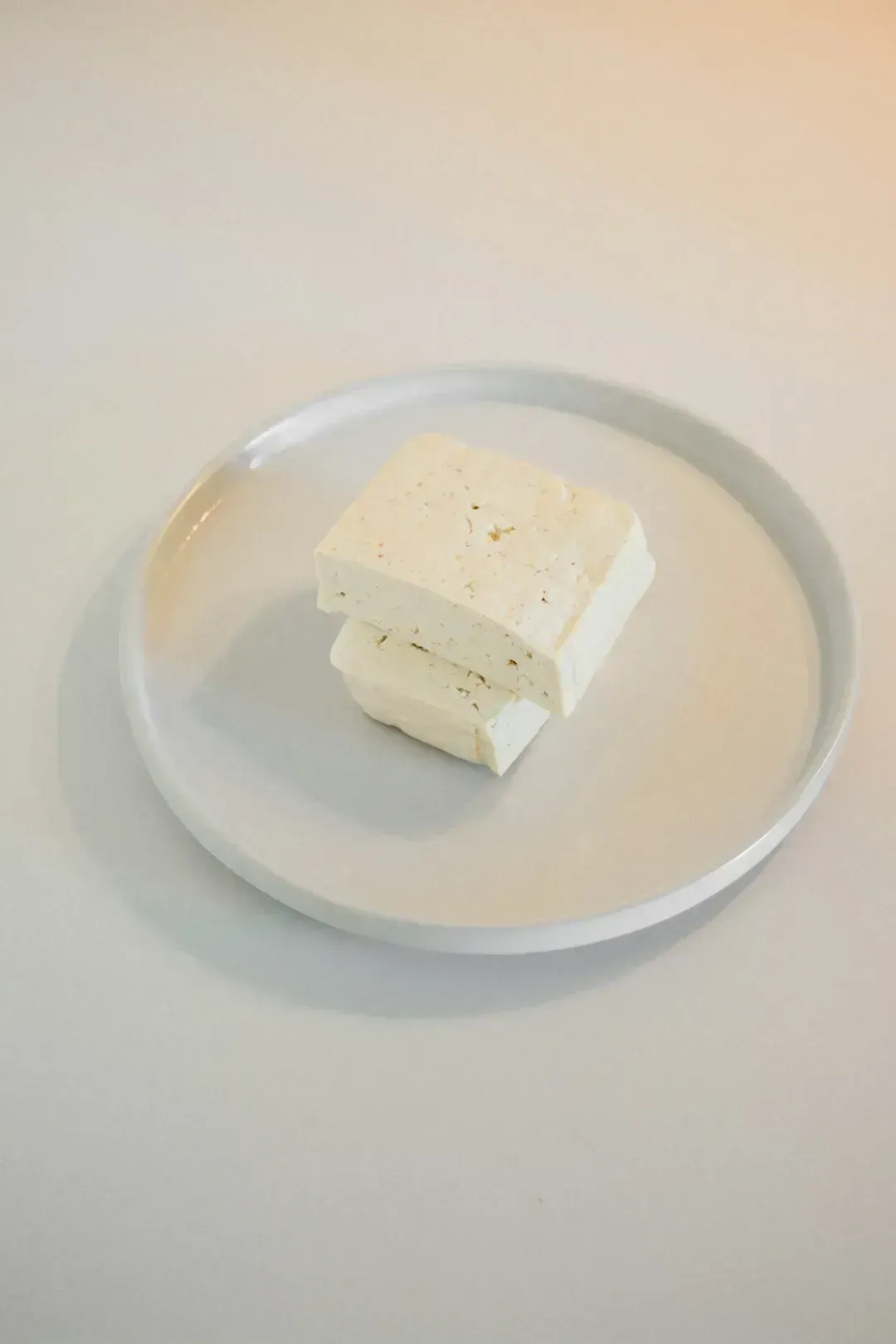
Milk, yogurt, cream cheese and soft cheeses such as brie, feta and queso fresco all need steady refrigeration. Soft cheeses made with unpasteurized milk are a known Listeria concern, and the FDA recommends pregnant women avoid them. Even pasteurized dairy spoils quickly when it’s left at warm temperatures.
Hard cheeses are a different story, since they hold up much better for short periods without chilling. For a long drive, small sealed packs of hard cheese are a more sensible choice. Keep yogurt and milk in the coldest part of the cooler or leave them at home.
Boiled Eggs and Egg Salad
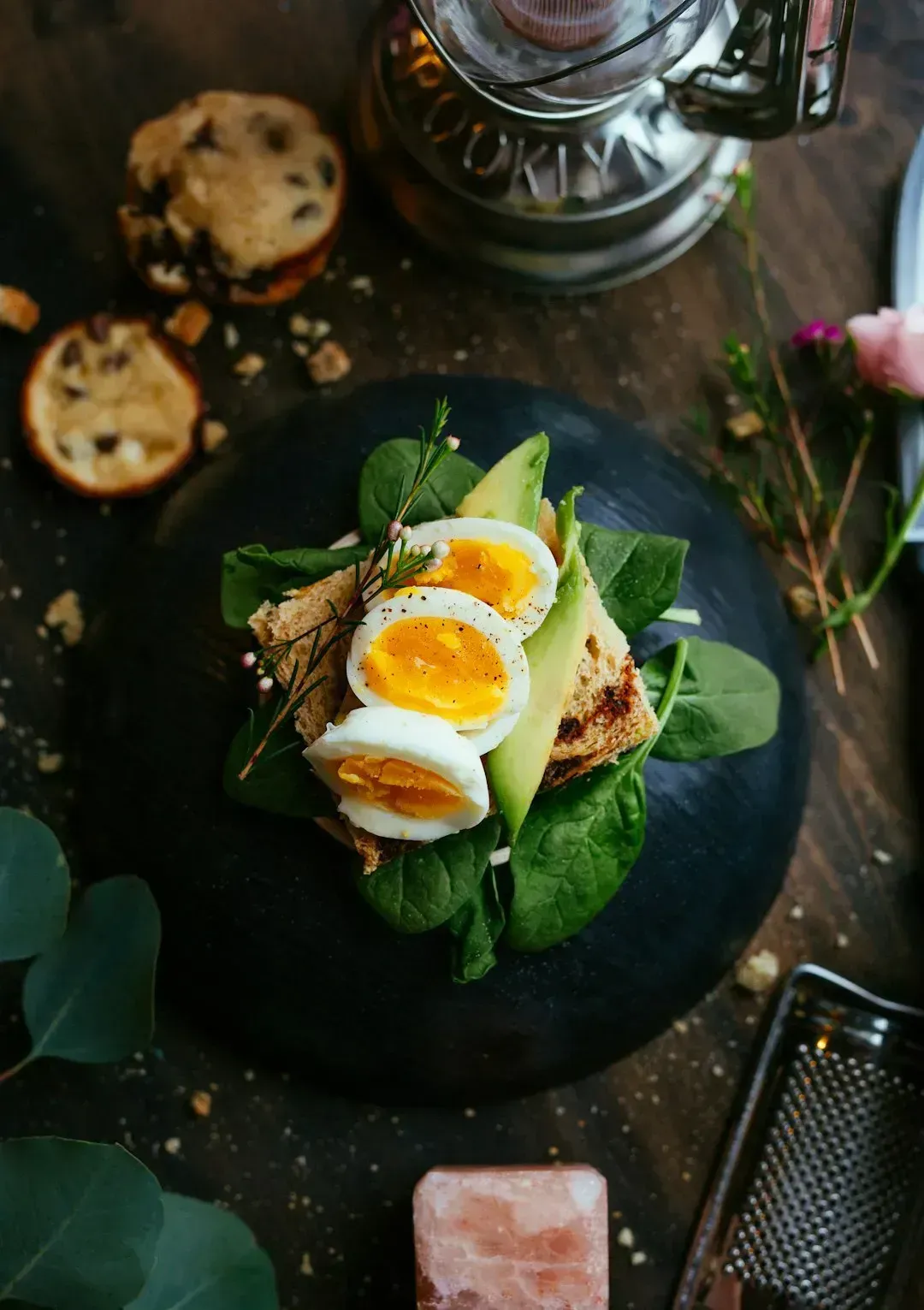
Boiled eggs seem like a classic travel snack, but the USDA includes them in the perishable group. Once cooked, an egg loses some of its natural protective coating, and it should be refrigerated and eaten within about a week. Left in a warm car, it follows the same two hour rule as other perishables.
Egg salad is a bigger risk, since it combines chopped eggs with dressing and handling. Salmonella is the main worry with eggs in general. If you pack them, keep them on ice until you’re ready to eat, and toss any that have been out too long.
Creamy Pasta and Potato Salads
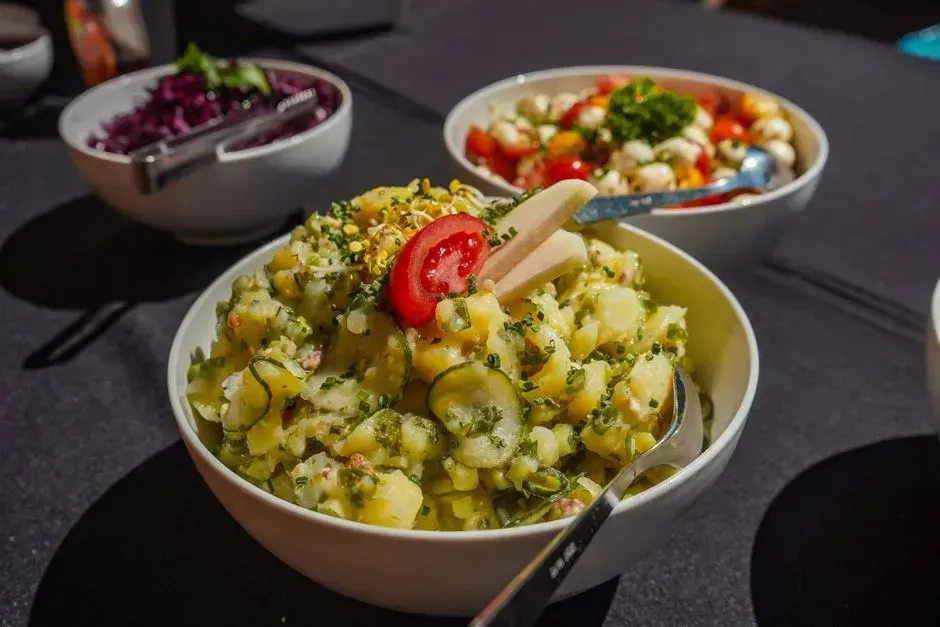
Picnic salads are the usual suspects at summer gatherings, and food safety agencies often single them out. They’re typically made in large batches, handled a lot and packed with ingredients like eggs, cooked potatoes or pasta. Those ingredients give bacteria both moisture and nutrients to work with.
Commercial mayonnaise gets blamed more than it deserves, because it’s acidic. The real trouble is usually the temperature and the time the salad spends out of cold storage. In a cooler that’s barely cold, a large bowl of potato salad warms slowly in the middle, which can hide how long it has been in the danger zone.
Takeout Fried Chicken and Rotisserie Birds
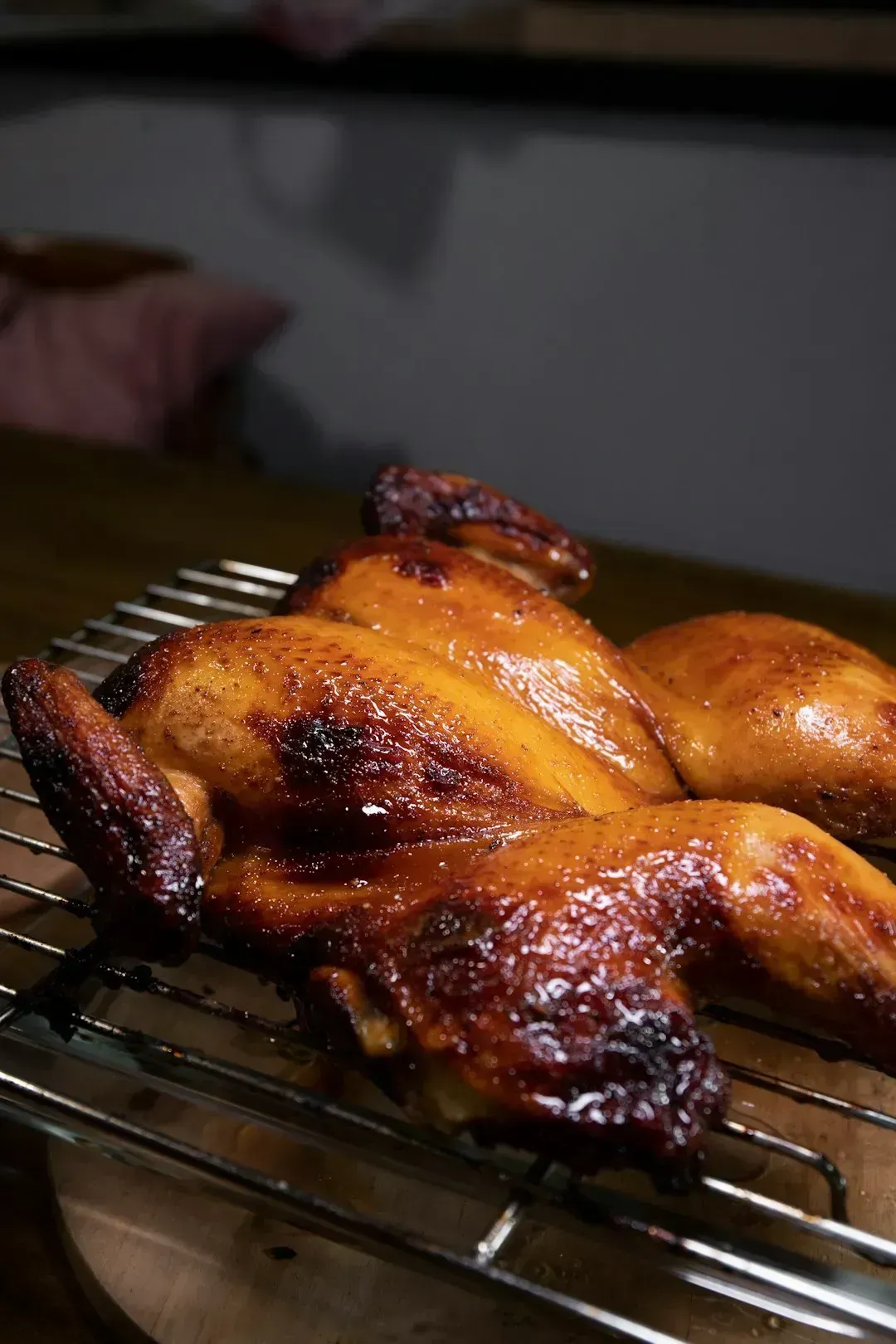
A hot rotisserie chicken from the grocery store is a tempting road trip meal. The USDA advises that cooked food should be kept hot at 140 degrees or above, or cooled and refrigerated within two hours. A chicken in a plastic dome on the passenger seat will drop out of the safe hot range fairly fast.
Leftover restaurant meals follow the same rule. If a meal has been sitting in a bag in the car while you run errands, it’s no longer a good candidate for the road. Eat it right away, or chill it quickly and reheat it to 165 degrees before eating.
Raw or Lightly Prepared Seafood
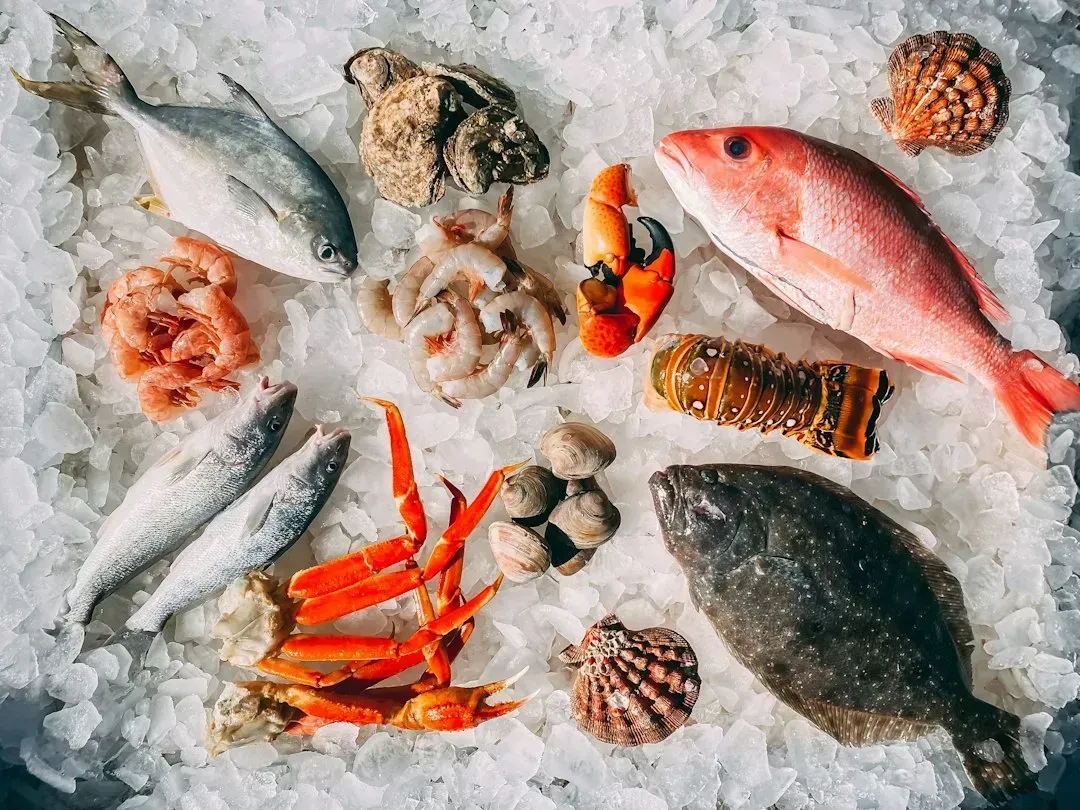
Sushi, ceviche, raw oysters and cooked shrimp salad all depend on tight temperature control. The FDA notes that raw shellfish can carry bacteria such as Vibrio and viruses like norovirus, and warm temperatures make the risk worse. Cooked seafood also spoils quickly, so it needs the same cold storage as other perishables.
Grocery store sushi packed into a cooler may look fine hours later, even when it isn’t. Smell and appearance aren’t reliable tests for safety. For long drives, shelf stable options like canned tuna pouches or crackers with nut butter are safer, and an unopened pouch can be eaten without refrigeration.





Leave a Reply