
Most price comparisons point the same way. The Bureau of Labor Statistics reported that grocery prices rose 2.2 percent over the twelve months ending in August 2026, while restaurant prices rose 3.4 percent. Eating out keeps getting pricier, and home cooking is usually the cheaper option.
Usually isn’t always, though. Promotions, bulk pricing and the hidden cost of buying a full set of ingredients for one meal can flip the math in a few specific cases. Here are six where the restaurant, club or diner tab can come in lower.
Warehouse Club Rotisserie Chicken
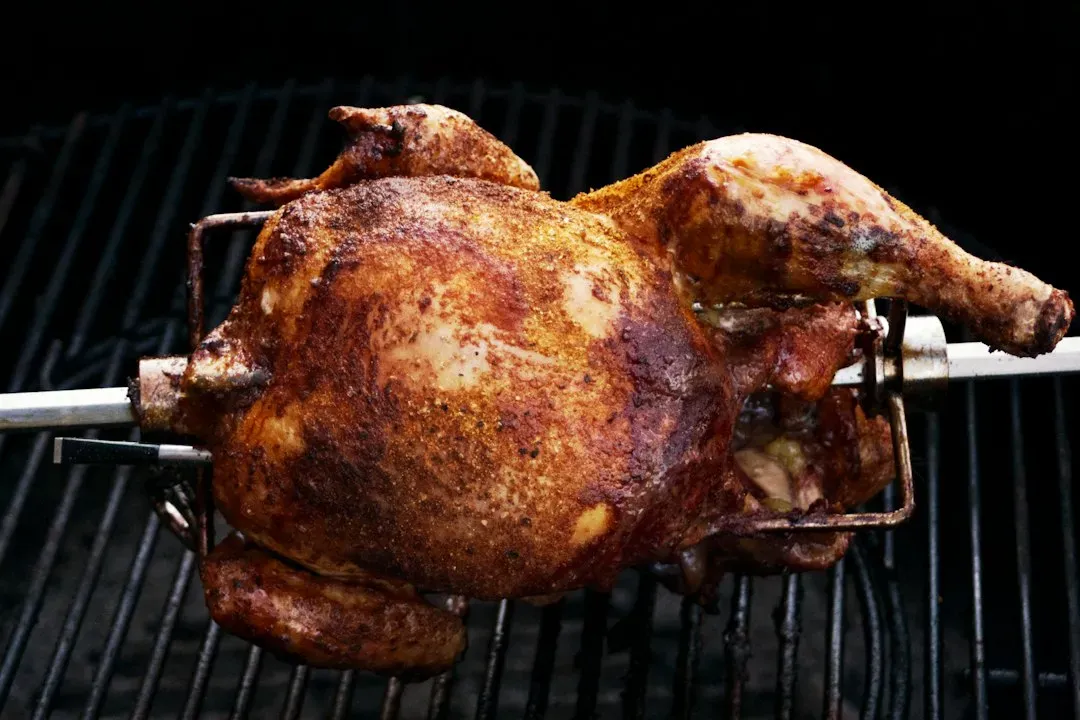
It’s the classic example. Costco’s rotisserie chicken is priced at $4.98, though club prices like that are often loss leaders. A raw whole chicken, seasoning, oil and the oven time often add up to about the same or more.
Strictly speaking, this is prepared food rather than a sit down restaurant meal. Still, it replaces a home cooked dinner, and it gives you leftovers for sandwiches, soups and salads. The low price is a hook to get you through the door, which is worth remembering when you’re filling the cart.
Fast Food Value Meal Deals
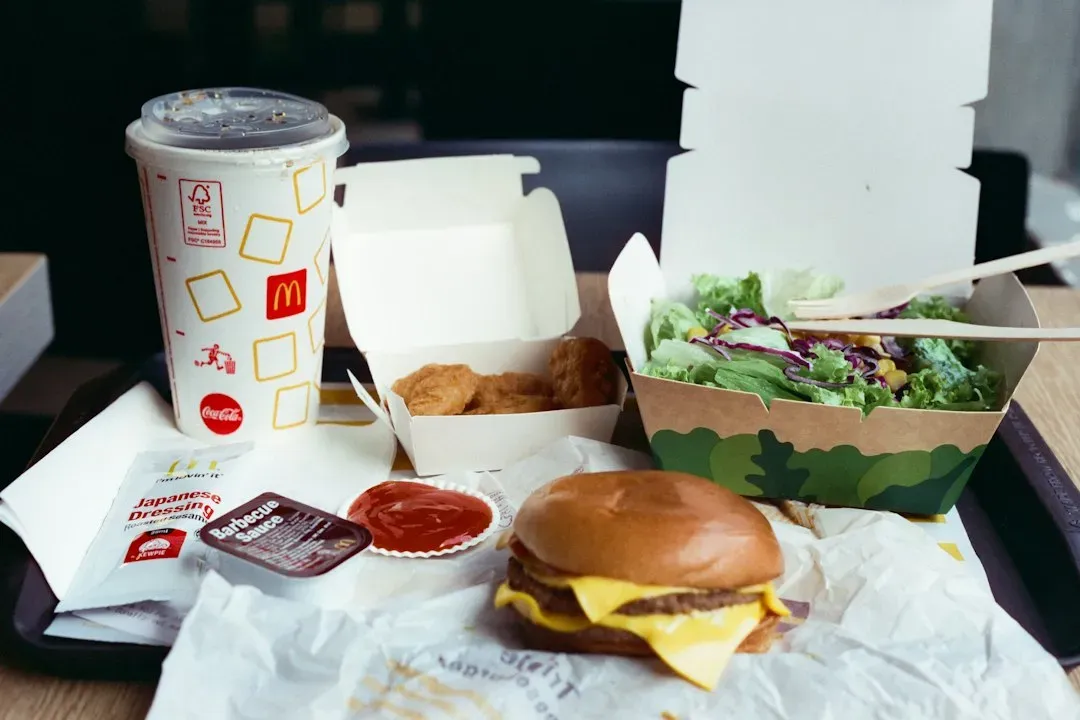
Chains have been competing hard on price. Fast food chains have been fighting what some call the value wars throughout 2024 and into 2025. The results show up on the menu board.
For example, both Wendy’s and McDonald’s offer $5 meal deals that include about $10 worth of food, saving around 50% compared to buying each item individually. A burger, fries, nuggets and a drink would take real effort to assemble at home for that price. Bear in mind that these deals change often and vary by location and app, so check the current offer before you count on it.
Taco Specials Under a Dollar
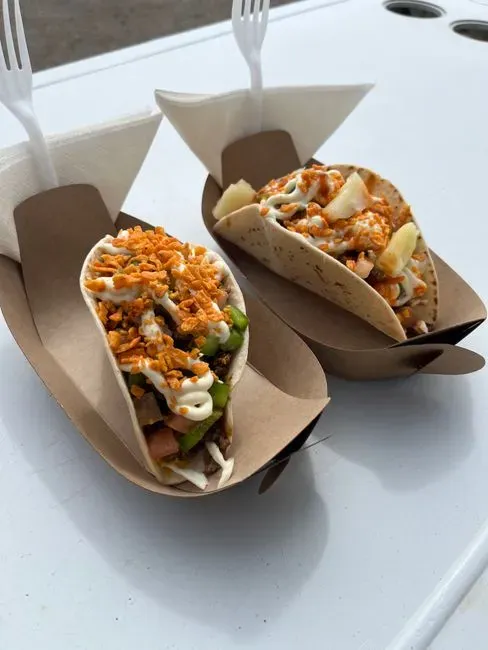
Tacos are a good test of the single serving problem. Taco chains frequently run promotions where tacos cost less than a dollar each. At home, you’d need tortillas, meat, cheese, produce and salsa, all bought in quantities far larger than you need.
The gap is clearest for small households. For one or two people eating a couple of tacos each, the grocery store trip costs far more than the restaurant tab. If you’re feeding a big family or prepping a week of meals, the balance shifts back toward your own kitchen.
Cheap Hot Dogs at Clubs and Convenience Stores

This one is almost too simple. Warehouse clubs and convenience stores often sell hot dogs for very low prices, sometimes just one or two dollars fully dressed. That includes the bun and the toppings.
Buying a package of hot dogs, buns, mustard, relish and onions for a quick lunch means paying for far more food than you’ll eat that day. The savings are real if you only want one or two. Once you’re feeding several people from a single pack, cooking at home pulls ahead again.
Restaurant Lunch Specials for Cuisines You Rarely Cook
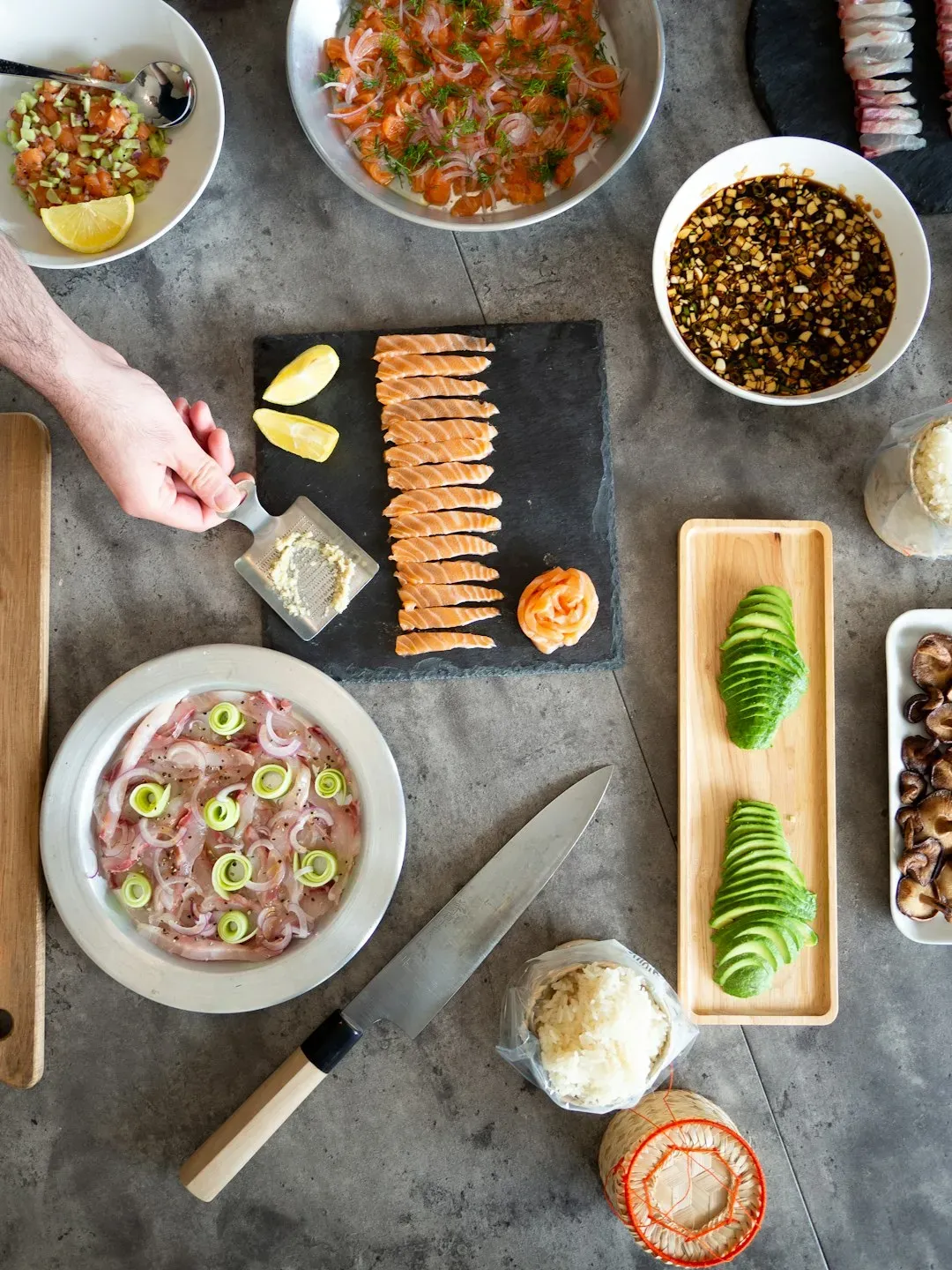
Pantry costs are the sneaky part of cooking unfamiliar food. For someone who occasionally craves Asian food but doesn’t cook it regularly, restaurant lunch specials offer better value than stocking an entire Asian pantry and potentially wasting ingredients. Think fish sauce, specialty chilies, curry paste and rice vinegar.
Those items can sit half used for months. If you plan to cook the cuisine often, the pantry pays for itself over time. For a one time craving, a lunch special is the more economical choice.
Senior Portions at Diners
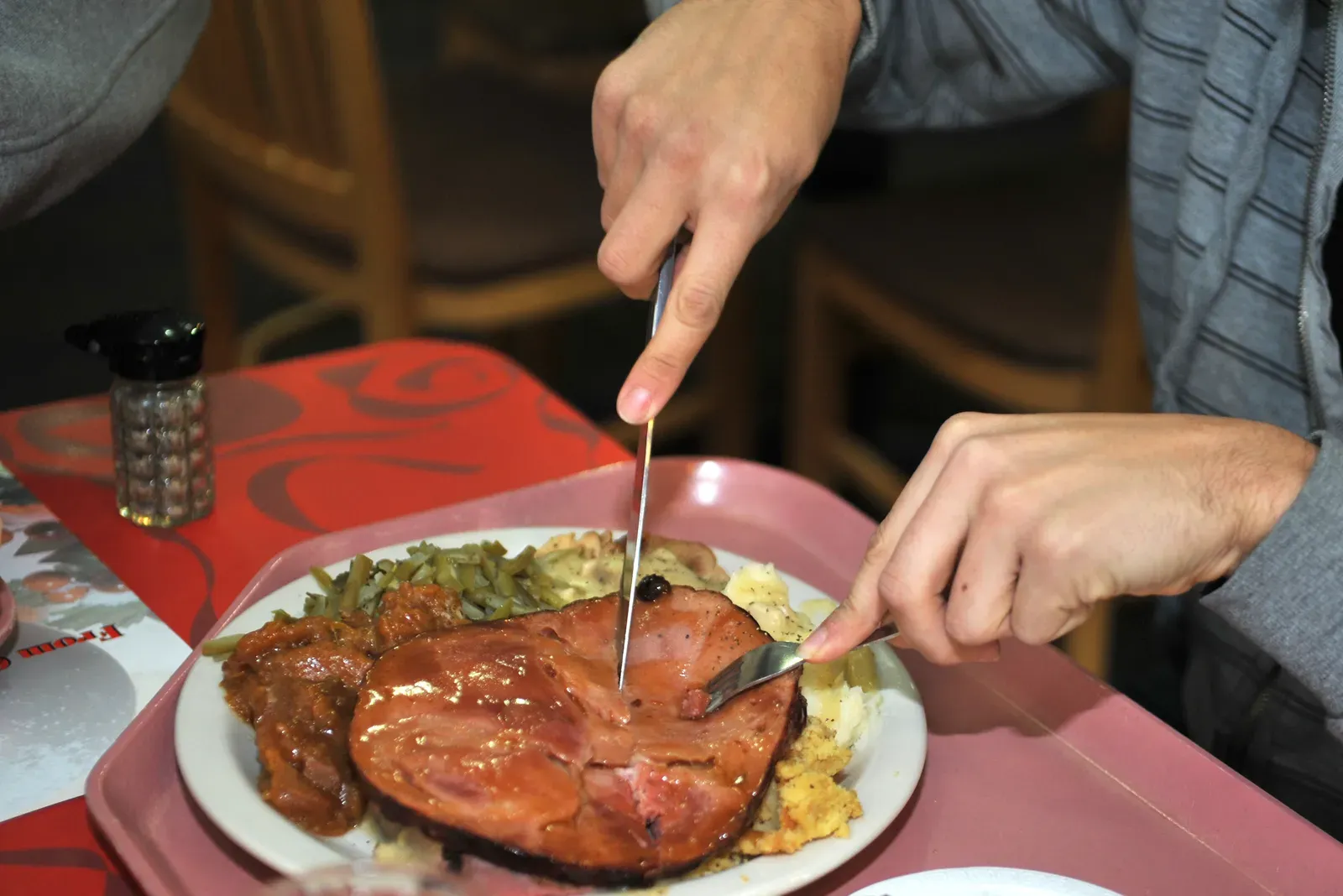
Some restaurants price for particular customers. Restaurants targeting specific demographics with heavily discounted meals create situations where eating out genuinely costs less than cooking at home. Diners are a good place to look.
According to one roundup, senior portions at diners often run five to six dollars for complete meals. A plated entree with sides at that price is hard to beat at the grocery store, especially for one person. Eligibility rules and menus differ from diner to diner, so ask before you order.





Leave a Reply