
Most of us have looked at a menu, picked something that sounded great, and felt let down by the first forkful. Sometimes the problem is taste. Other times it’s the bill, the portion, or the uneasy feeling that the kitchen cut a corner.
This list isn’t about snobbery or hating certain foods. It focuses on dishes where the risks, hidden costs, or usual letdowns are well documented by food safety agencies and common restaurant practice. Here are nine orders worth a second thought.
Raw Oysters at a Place That Doesn’t Specialize in Them
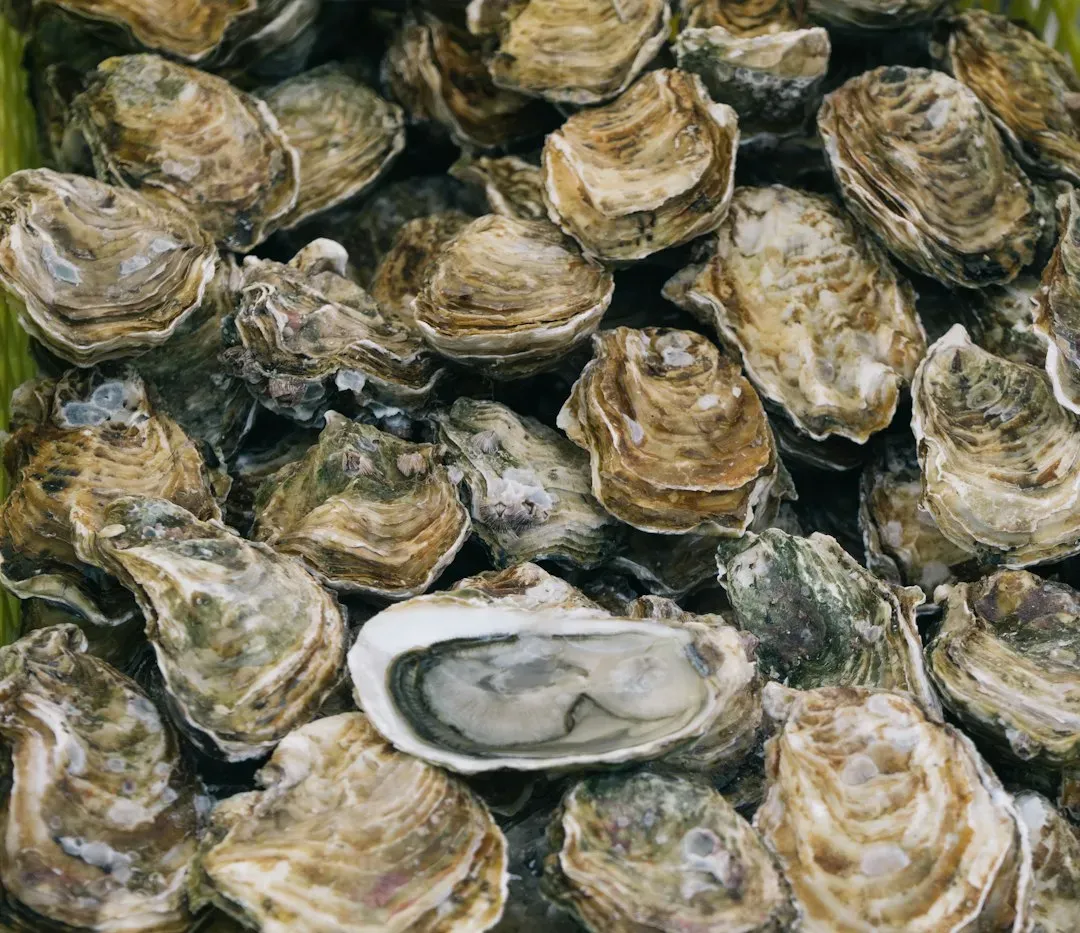
Raw oysters can be wonderful at a busy oyster bar with fast turnover. Elsewhere, they’re a gamble. The CDC notes that raw shellfish can carry Vibrio bacteria, and it advises people with liver disease or weakened immune systems to avoid eating them raw.
Oysters filter water as they feed, so whatever is in that water can end up in the shell. Warm months raise the concern, since Vibrio thrives in warmer coastal water. If a restaurant sells oysters as a side note, ask how they’re stored and where they came from.
A Burger Ordered Rare or Medium Rare
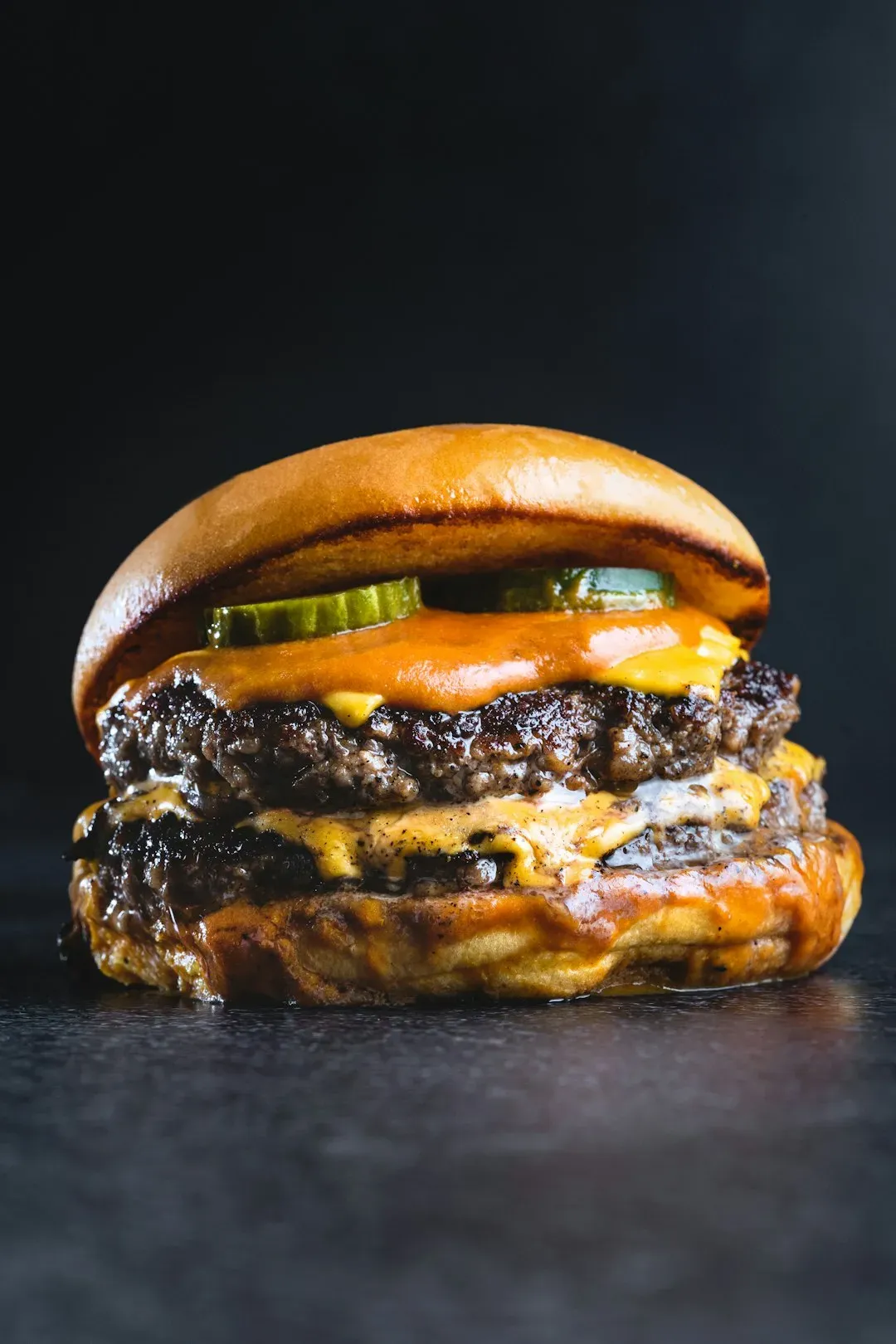
A steak and a burger aren’t the same thing. With whole cuts, bacteria mostly sit on the surface and get seared away. Grinding beef mixes that surface through the entire patty.
The USDA recommends cooking ground beef to an internal temperature of 160 degrees Fahrenheit, a level that kills E. coli. Many restaurants will still cook a burger pink on request, often with a menu warning about raw or undercooked food. If you order one and regret it later, that warning is the reason.
Raw Sprouts on a Sandwich or Salad
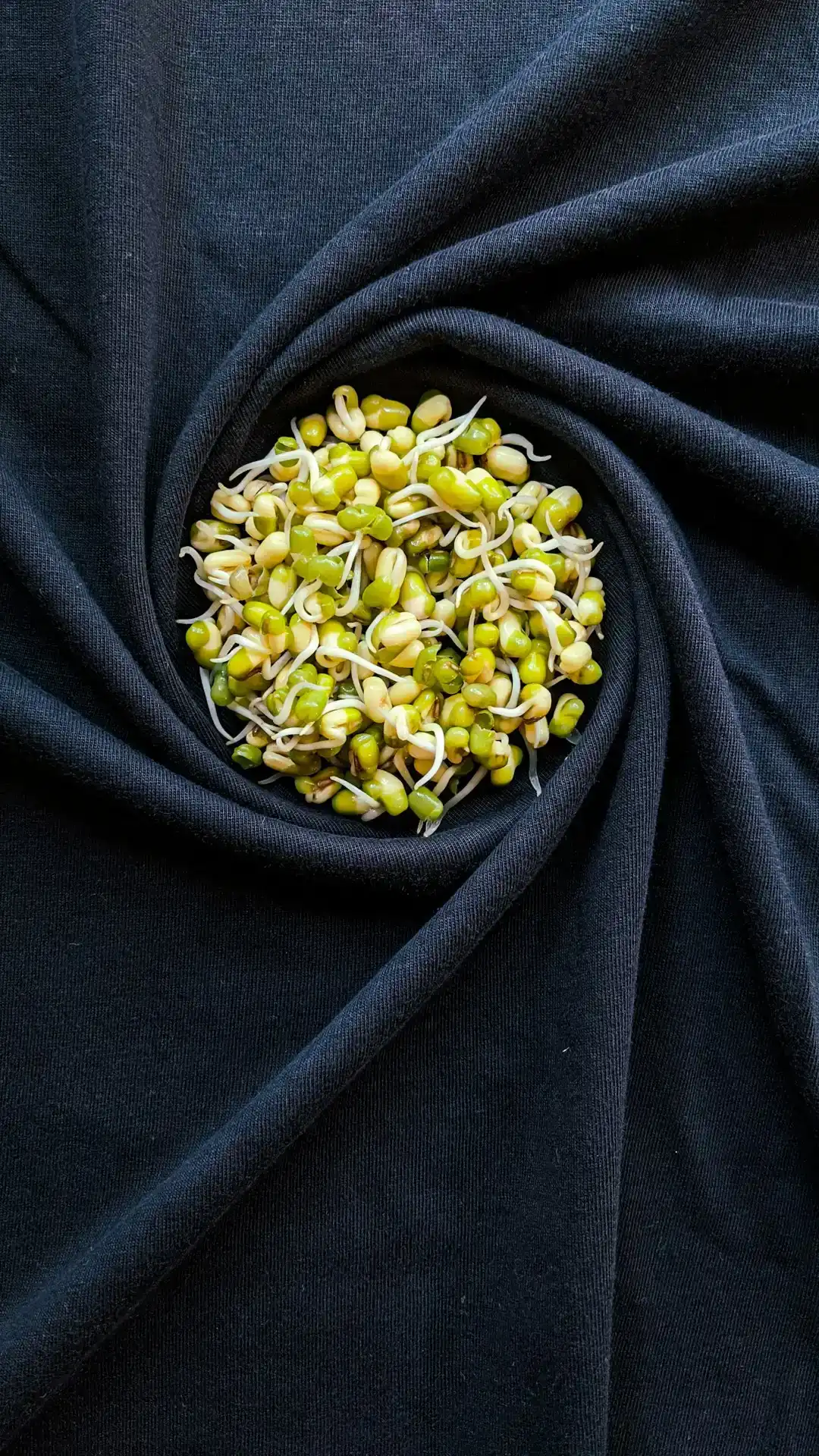
Sprouts look healthy and often come as an easy add on at sandwich counters. Yet the FDA has long warned that they’re a higher risk food. The warm, humid conditions needed to grow them are also ideal for bacteria like Salmonella and E. coli.
Washing doesn’t reliably fix the problem, because contamination can start inside the seed. The FDA advises children, older adults, pregnant women, and people with weak immune systems to avoid raw sprouts. Cooking them is the safer route, though few places serve them that way.
Eggs Benedict With Hollandaise
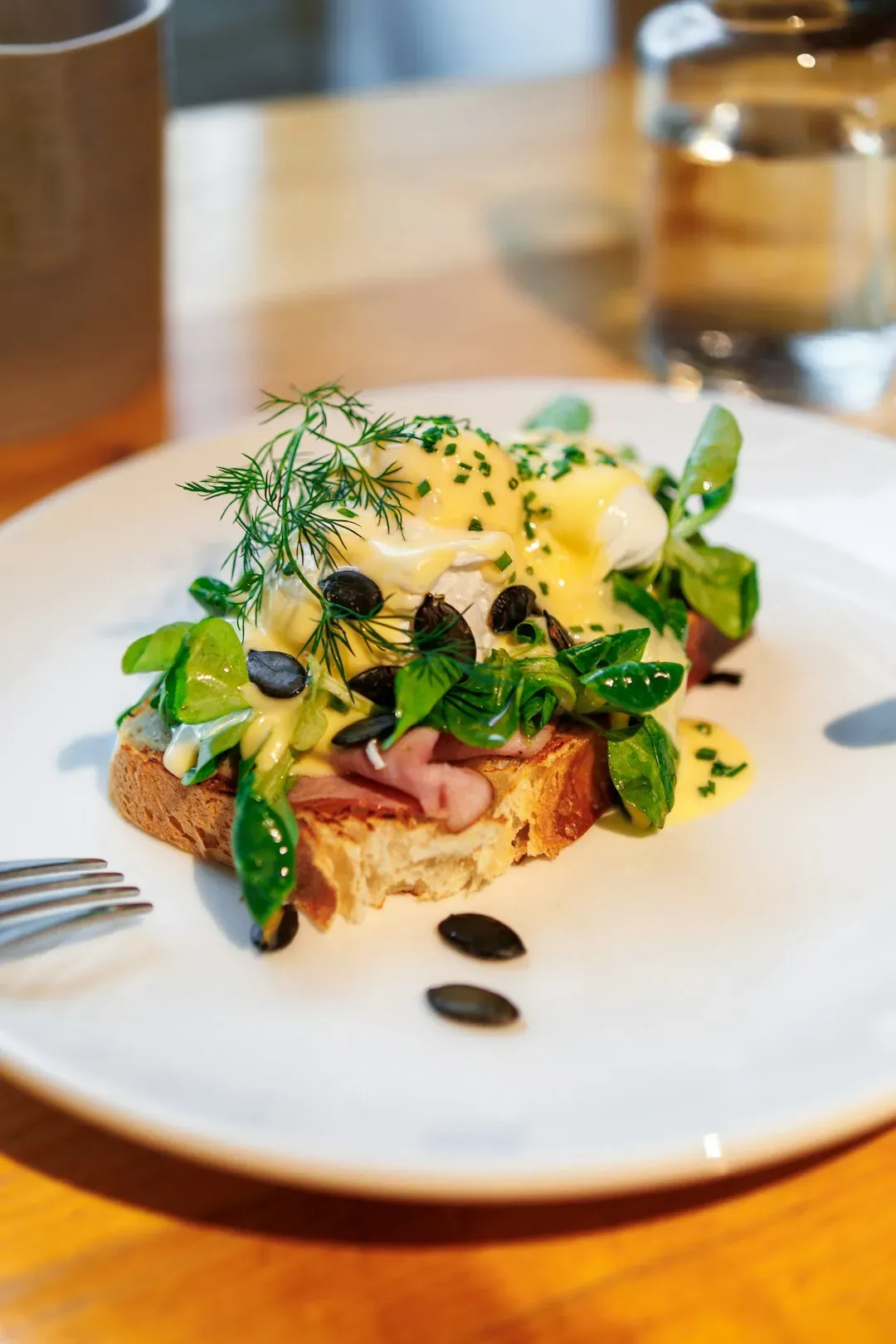
Brunch classics can hide an awkward problem. Traditional hollandaise is made with egg yolks that are only gently heated, and the sauce often sits warm for a long stretch during service. That combination makes the food safety side tricky.
The USDA says eggs should be cooked until the yolk and white are firm to reduce the risk of Salmonella. Many restaurants use pasteurized eggs for sauces, which is a sensible fix. It’s fair to ask your server, particularly if you’re pregnant or feeding someone vulnerable.
Market Price Lobster Without Asking the Number
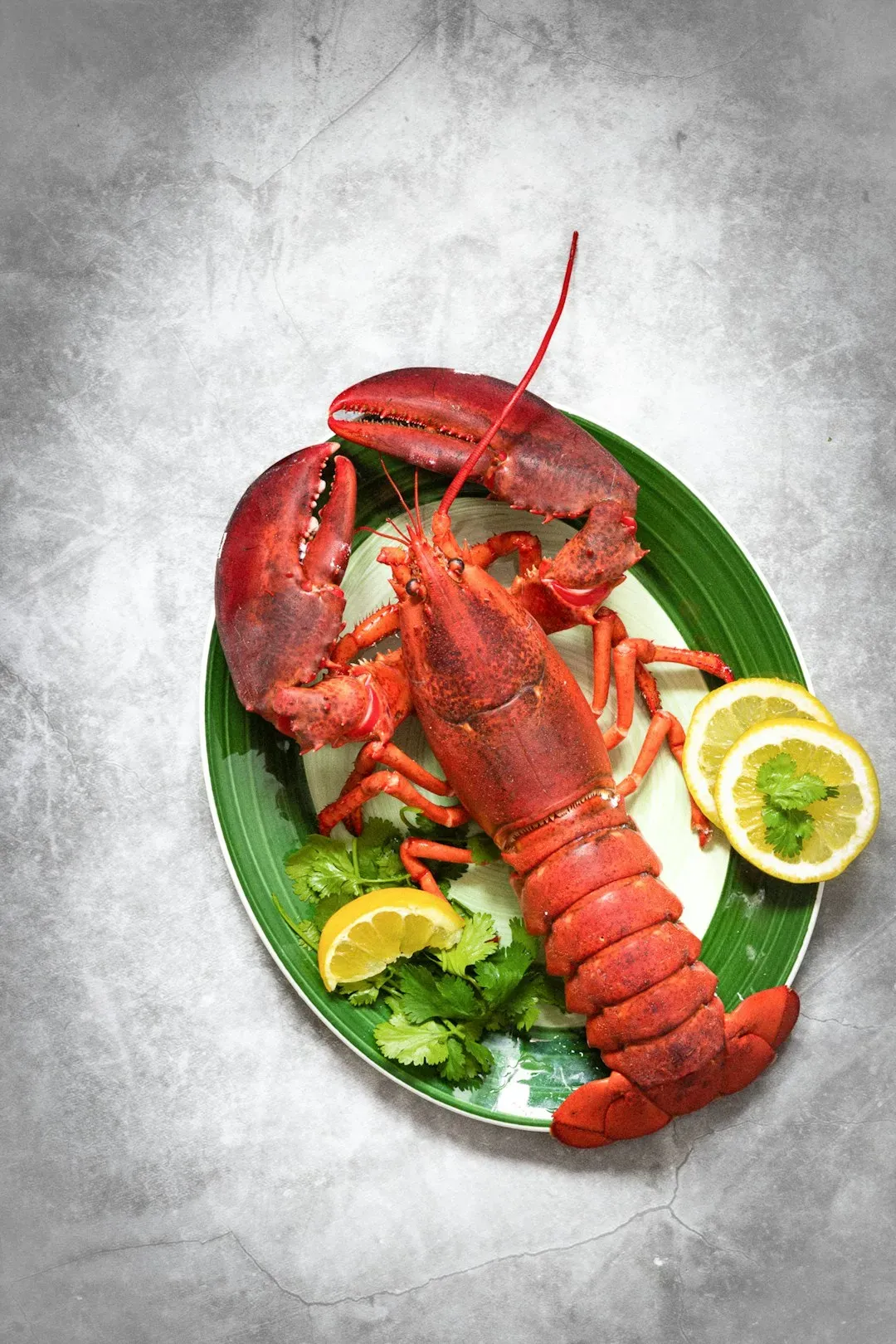
This one hurts the wallet rather than the stomach. Market price means the cost changes with supply, and the menu won’t tell you the figure. Diners sometimes learn it only when the check arrives.
Asking the price before you order is completely normal, and good servers expect it. Lobster is also sold by weight in many places, so a bigger one can raise the total quickly. A quick question beats an unpleasant surprise.
Food Sitting Under a Heat Lamp at a Buffet
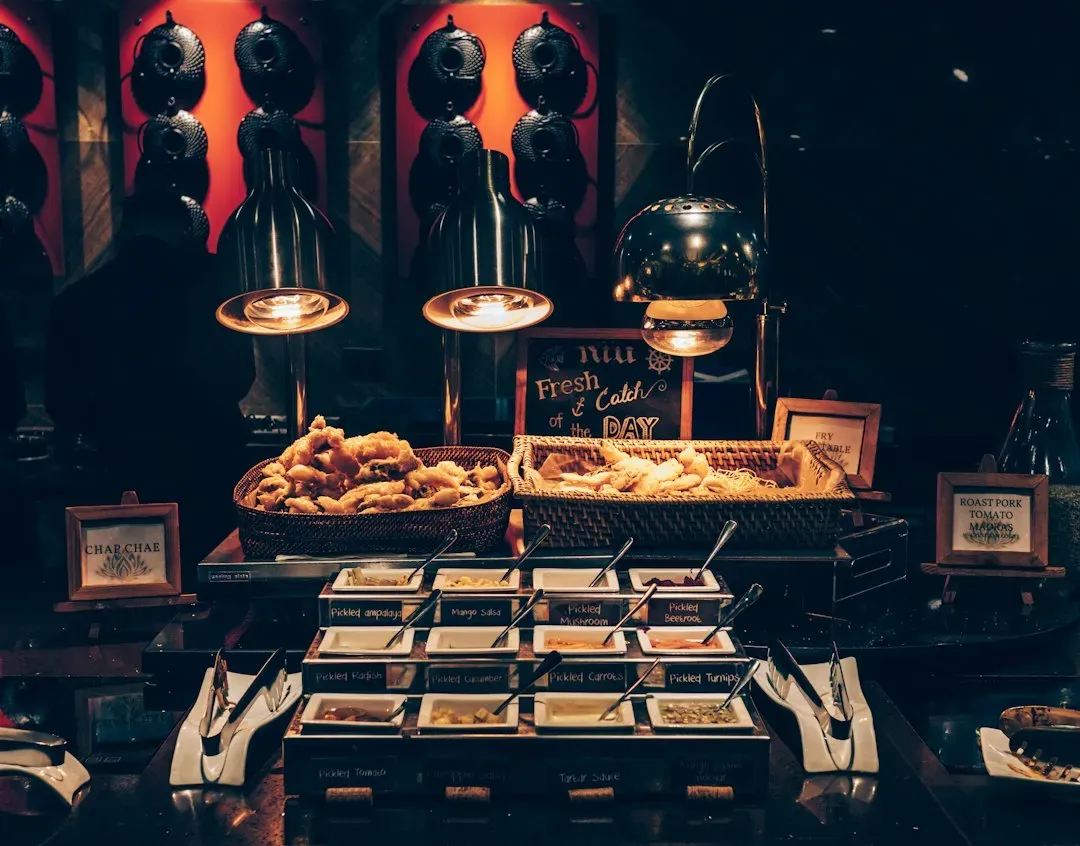
Buffets are tempting because of the variety. Still, the food has to be kept hot or cold the entire time it’s out. The USDA calls the range between 40 and 140 degrees Fahrenheit the danger zone, where bacteria multiply quickly.
Perishable food shouldn’t sit in that range for more than two hours, or one hour when it’s very hot outside. Look for steam rising from hot dishes and cold items that are truly chilled. If a tray looks dried out or lukewarm, skipping it is the easy call.
Bargain Sushi With Little Turnover
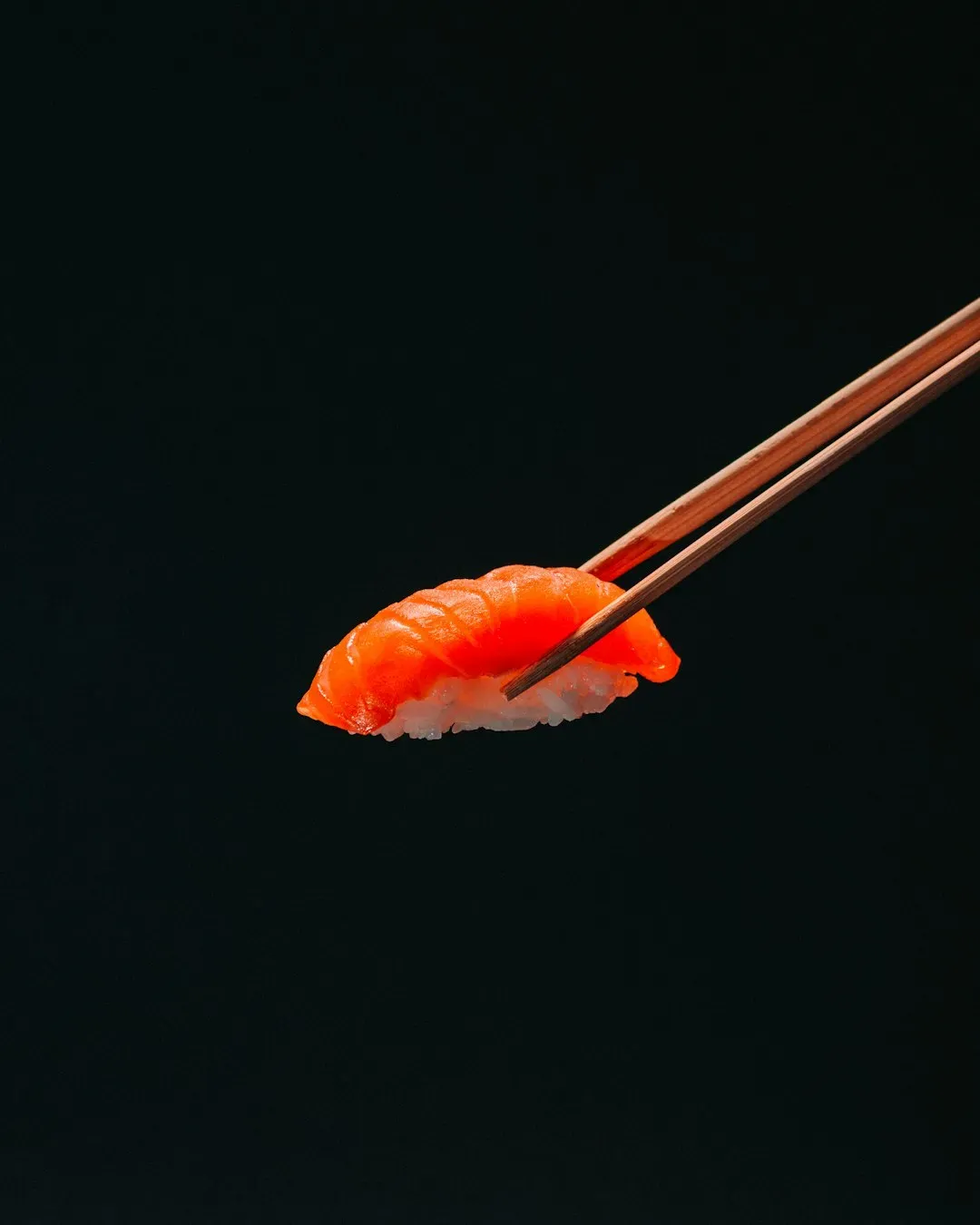
Good sushi depends on fish handled carefully from start to finish. When the price looks too low, or the restaurant is nearly empty, that handling deserves some skepticism. Raw fish held at the wrong temperature can cause illness.
The FDA has guidance on freezing certain fish to kill parasites before it’s served raw, and reputable restaurants follow it. You can’t see that process from your seat. Choosing a busy, well reviewed sushi spot is a practical way to improve your odds.
The Giant Fried Appetizer Meant for the Table
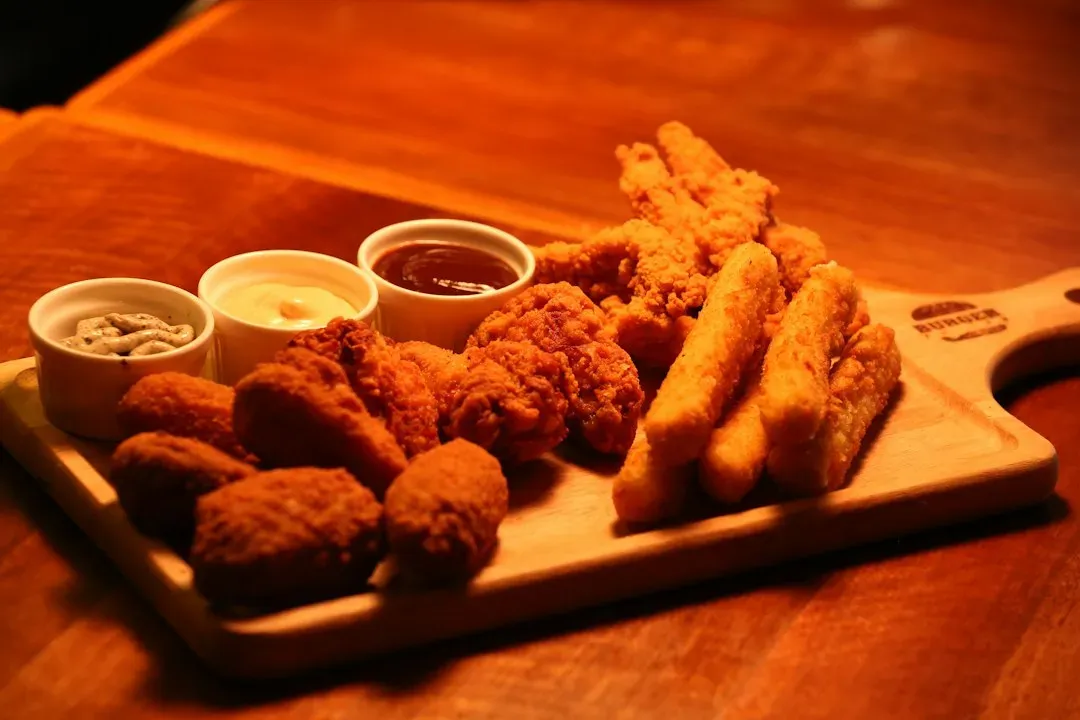
Oversized fried starters, like a whole fried onion or a loaded nacho tower, make a fun centerpiece. They also tend to be extremely heavy. Restaurant nutrition information, where chains publish it, often shows a single appetizer carrying a large share of a day’s calories.
The real regret usually comes from the main course arriving after everyone has filled up. If you do order one, split it among more people than you think necessary. Otherwise, the entrée you actually wanted goes mostly untouched.
A Salad That’s Healthier in Name Only
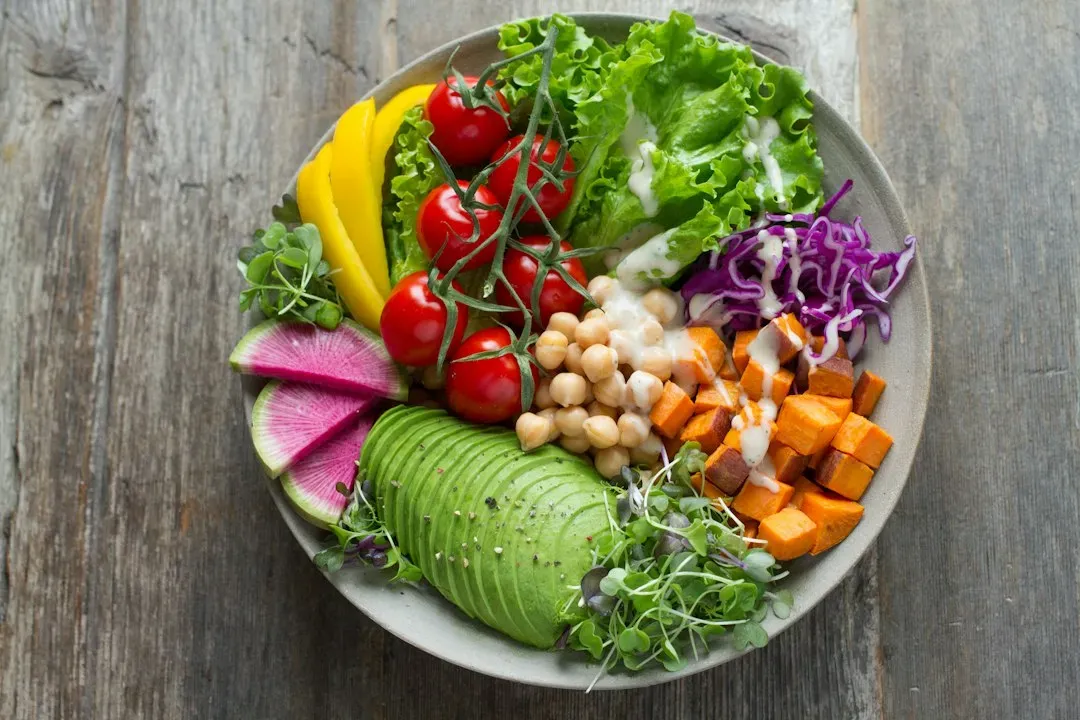
A salad can be a smart choice, but a restaurant version often includes fried chicken, candied nuts, cheese, croutons, and a creamy dressing. Those extras can push it well past a burger in calories and sodium. Many chains post nutrition details online, so you can compare before you order.
Simple changes help. Ask for dressing on the side, choose grilled over fried protein, and go lighter on the crunchy toppings. That way the salad does what you expected when you picked it.





Leave a Reply