
Most trips come with a checklist and a clock. You rush from one landmark to the next, then collapse into a flight home feeling like you need another holiday. Some places quietly refuse to play along.
In these countries, long lunches are normal, strangers chat easily, and nobody seems bothered if a plan slips by an hour. Here are eight where the pace of daily life suits anyone who wants to loosen their grip on the schedule.
Portugal: Long Lunches and Easy Afternoons
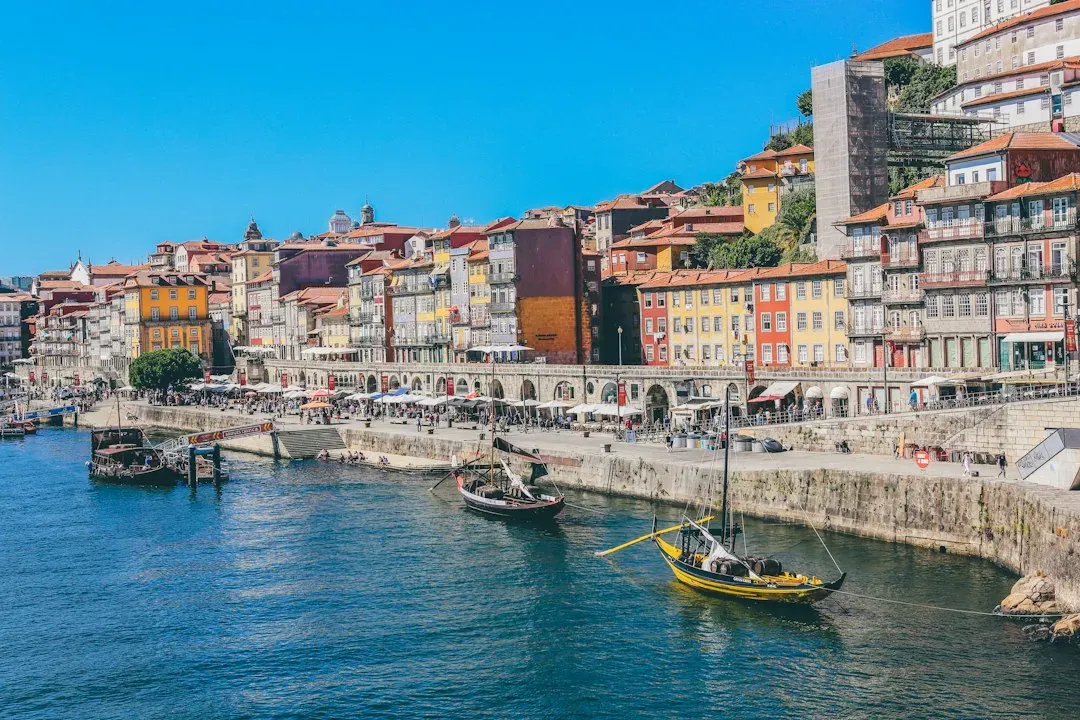
Portugal has become one of Europe’s favorite places to slow down, and it isn’t hard to see why. Cafés fill up at midmorning, and a simple espresso with a custard tart can stretch into a lazy hour. Lunch is often the main event of the day, not something squeezed between meetings.
The country is also consistently placed among the most peaceful nations in the world by the Global Peace Index. Even in Lisbon and Porto, the hills and tram routes encourage a gentler walking speed. Smaller towns along the Alentejo and the Algarve coast are quieter still.
Costa Rica: The Pura Vida Mindset
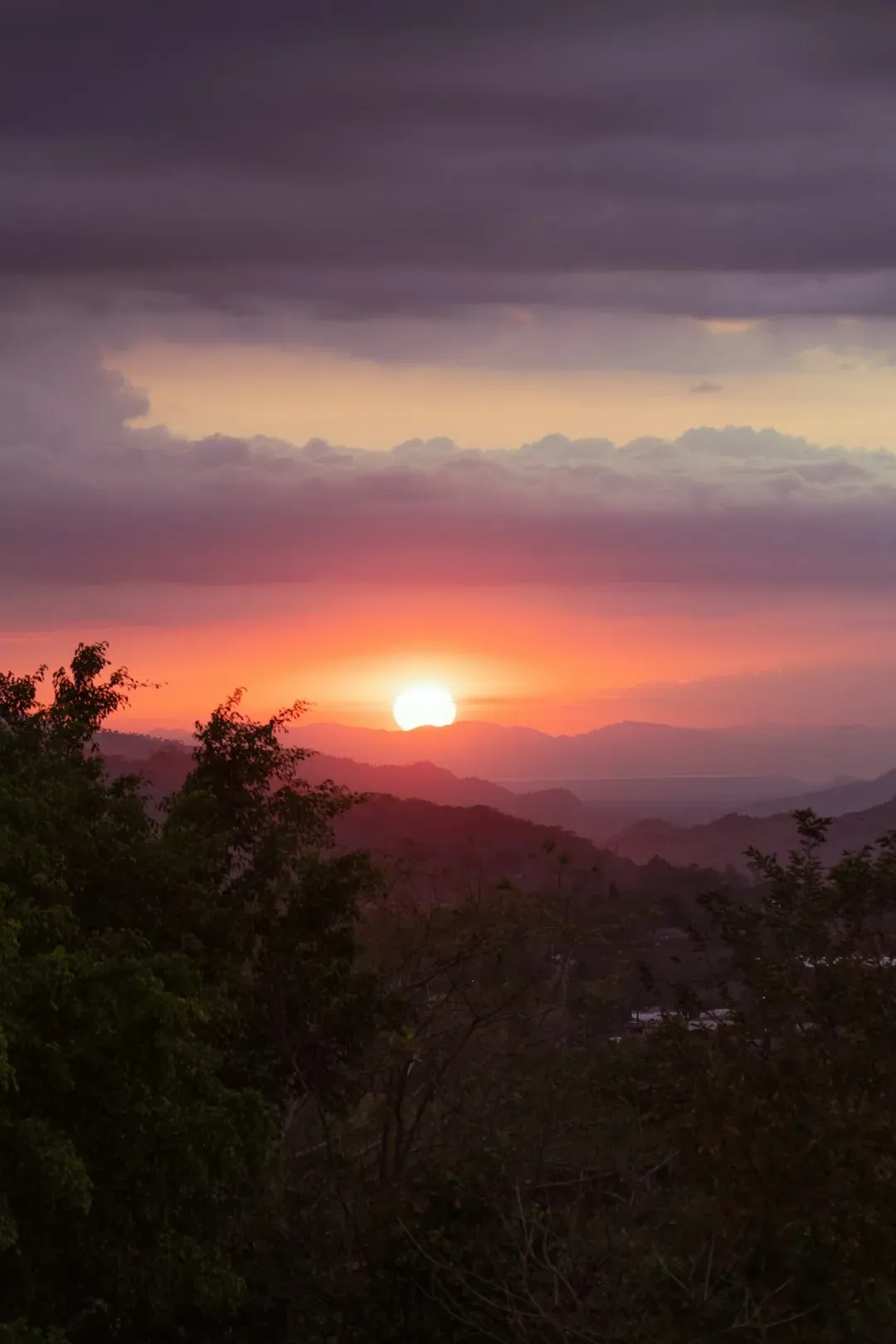
Pura vida translates roughly to pure life, and Costa Ricans use it as a greeting, a thank you and a shrug all at once. The phrase sums up a national attitude that favors contentment over hurry. It’s hard to stay stressed when the person at the fruit stand is in no rush either.
The country abolished its standing army in 1948 and has put that savings toward education and health care. The Nicoya Peninsula is also recognized as one of the world’s Blue Zones, where people are known for living unusually long lives. Rainforest walks, volcano hot springs and quiet beach towns fill the days.
Bhutan: A Kingdom That Measures Happiness
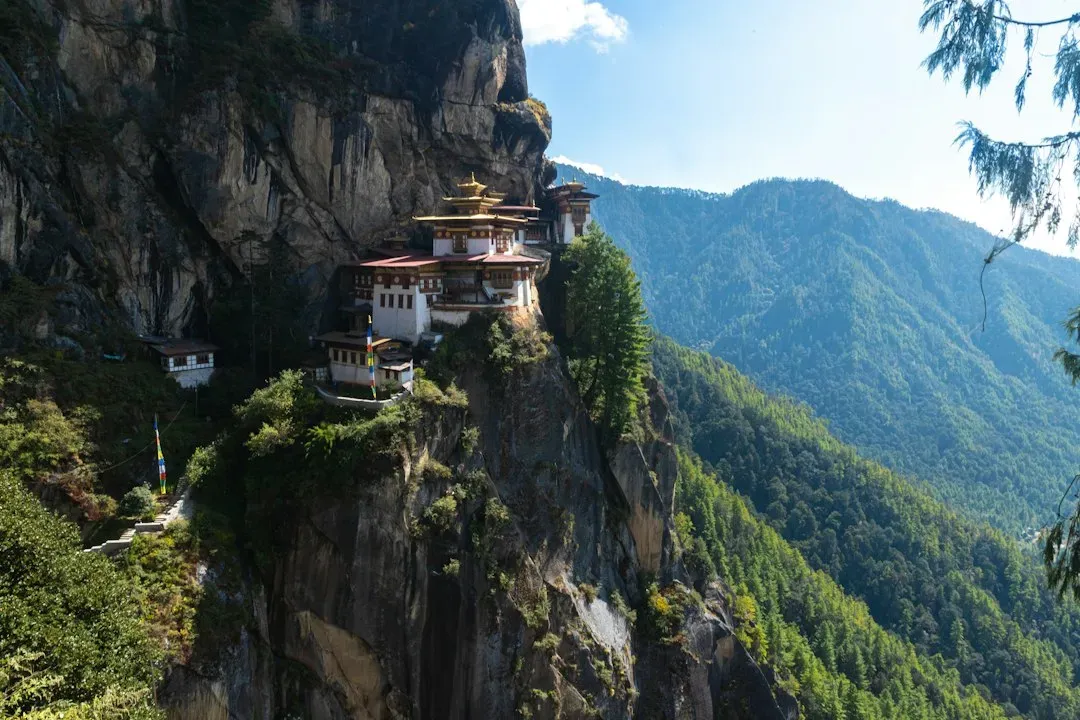
Bhutan is famous for Gross National Happiness, a guiding idea that puts wellbeing alongside economic growth. The Himalayan kingdom keeps tourism intentionally limited, so you won’t find crowds at its monasteries or mountain trails. Travel there is arranged through licensed operators, which keeps the experience unhurried and organized.
Visitors pay a sustainable development fee, which the government lowered to one hundred US dollars per night for a period running into 2027. Days tend to revolve around temple visits, farmhouse meals and long walks, such as the trek up to Tiger’s Nest Monastery near Paro. Mobile screens fade into the background fast.
Laos: Life Along the Mekong
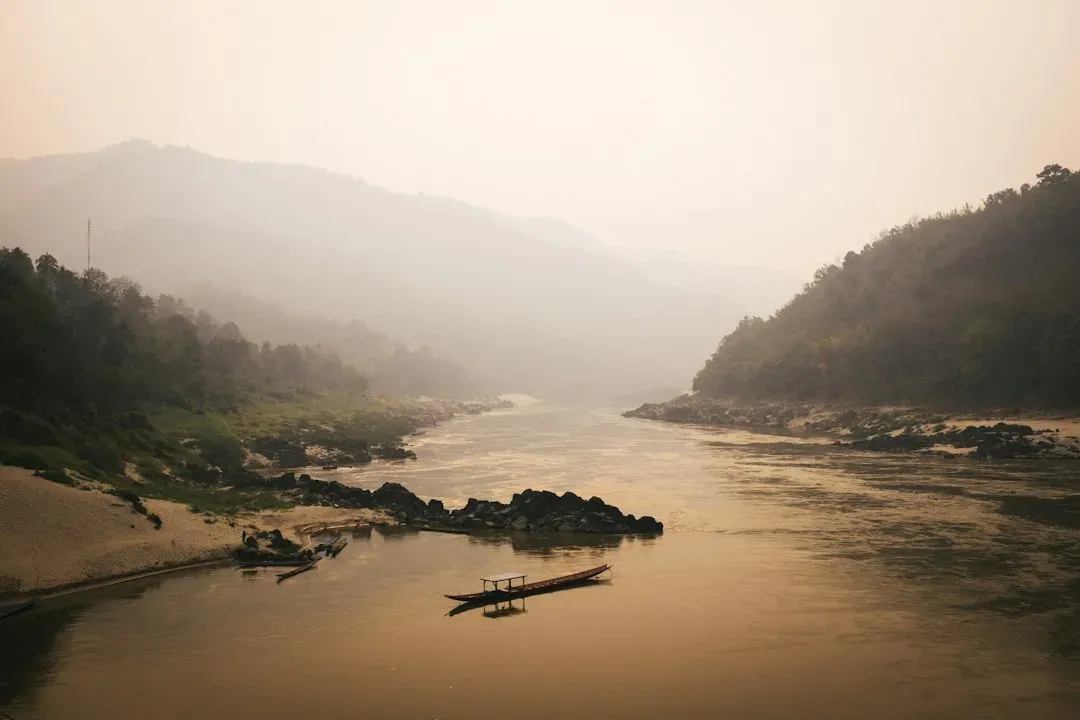
Laos is often described as the quietest corner of Southeast Asia. Luang Prabang, a UNESCO World Heritage town since 1995, wakes up to monks collecting alms at dawn and winds down with sunsets over the Mekong. Nothing about the rhythm feels forced.
Travelers can drift down the river by slow boat, wander night markets or swim beneath the turquoise tiers of Kuang Si Falls. The Laos China railway, opened in late 2021, now makes getting between Vientiane and Luang Prabang quick. Even so, the towns themselves remain refreshingly unhurried.
Uruguay: South America’s Calm Cousin
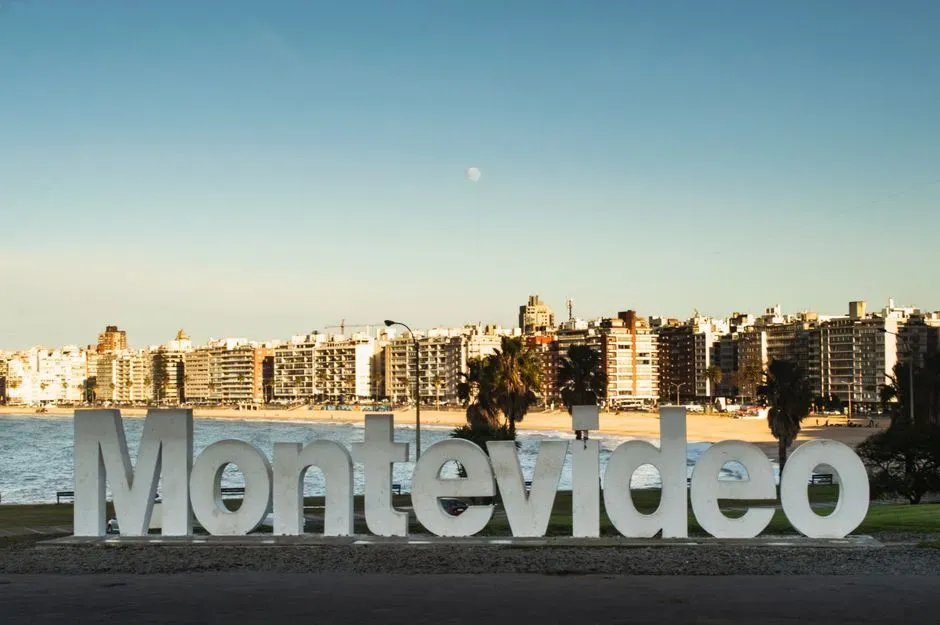
Uruguay doesn’t shout for attention, and that’s part of the charm. Locals stroll the Montevideo waterfront with a thermos tucked under one arm, sipping mate as the afternoon fades. The Economist Intelligence Unit has classed it as a full democracy, a rare label in Latin America.
Beyond the capital, beach towns like Cabo Polonio, which has no paved roads and limited electricity, offer proper disconnection. Punta del Este gets busy in summer, but off season the coast belongs to fishermen and sea lions. Beef, wine and sunsets do the rest.
Fiji: Running on Fiji Time
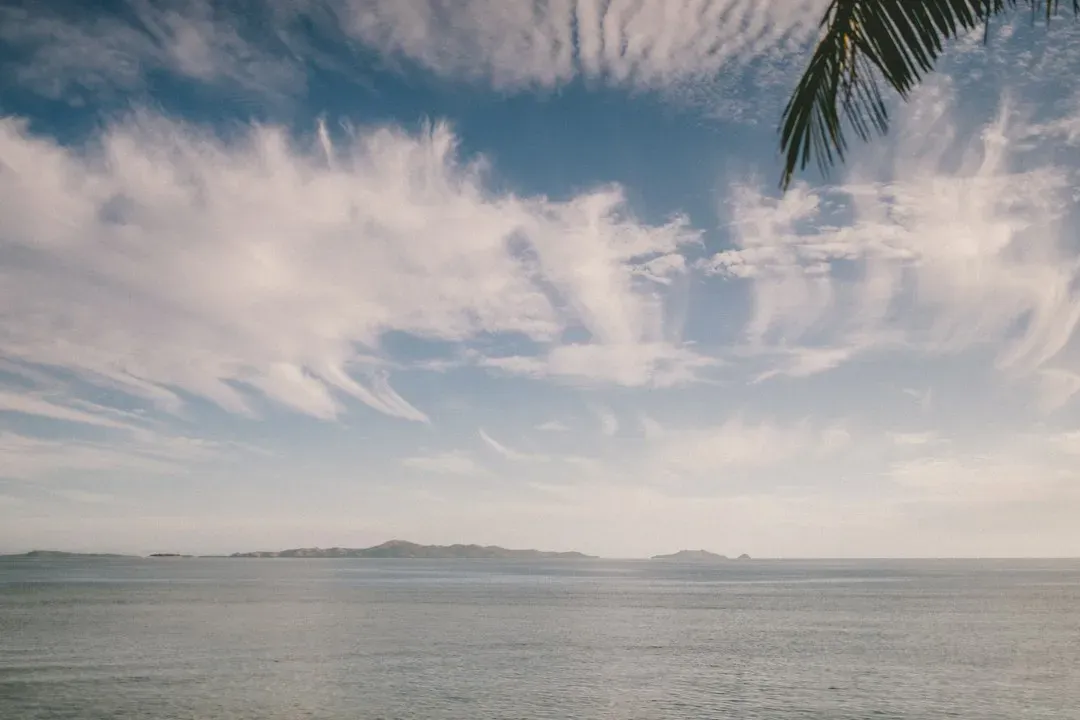
Fiji has its own informal clock, and locals joke about it with good humor. The greeting bula is shouted cheerfully from boats, resorts and village paths, setting a warm tone from the moment you land. Schedules bend easily here.
The archipelago has more than three hundred islands, so quiet beaches are never far away. Village visits often include a kava ceremony, a shared ritual that invites guests to sit, listen and stay a while. Snorkeling and reef walks fill the gaps between meals.
Iceland: Calm in a Dramatic Landscape
Iceland looks wild, yet daily life there feels remarkably steady. The country has topped the Global Peace Index every year since 2008, and its small population of roughly four hundred thousand people keeps things personal. Few places feel so spacious.
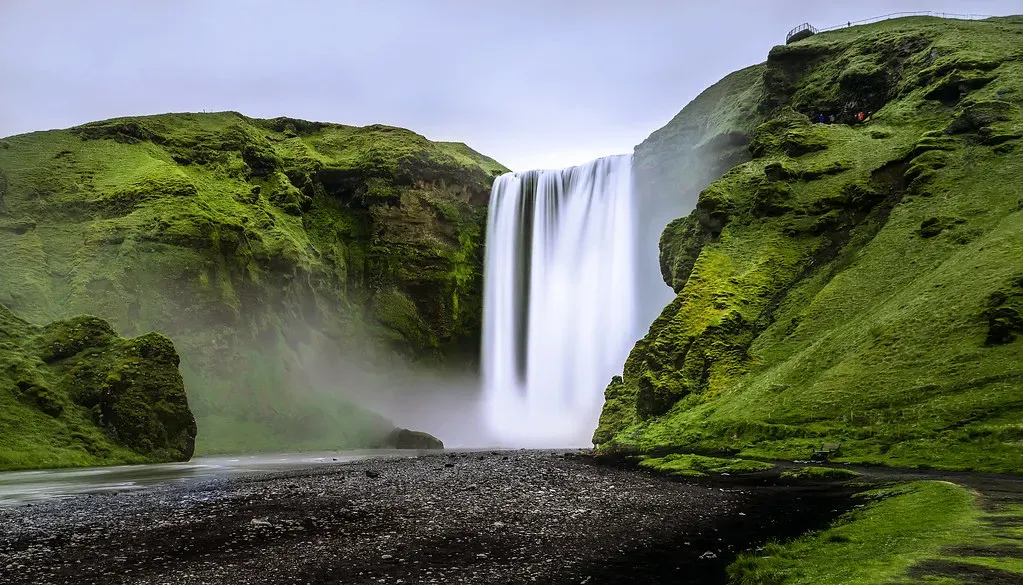
Geothermal pools are a social habit, and locals soak in them to unwind after work. Driving the Ring Road at your own pace, stopping at waterfalls and black sand beaches, suits the country best. Summer brings near endless daylight, while winter brings a good chance of northern lights.
New Zealand: Space, Nature and Good Manners
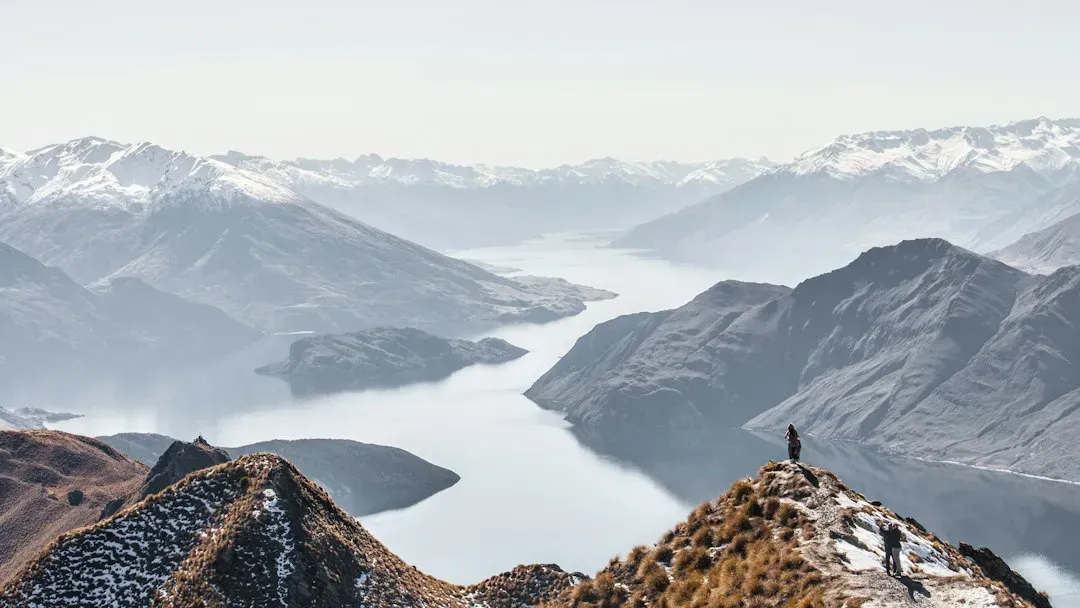
New Zealand has about five million residents spread across two main islands, so open space is part of the deal. Hiking tracks, called tramping locally, range from short coastal walks to multiday treks through mountains and forest. Strangers tend to be friendly without being pushy.
Small towns like Kaikōura, Wanaka and Havelock North reward travelers who linger rather than rush. Many visitors pick up a campervan and let the weather set the route. It’s a country that rewards having a loose plan.

Leave a Reply