
Rankings of national wealth change depending on who runs the numbers and which measure they use. Nominal GDP per capita, purchasing power parity, World Bank figures and IMF projections all shuffle the order a little. This list uses the IMF’s nominal 2026 projections for the nine highest-ranking countries, as compiled in the October 2026 data.
Gross domestic product per person is a measure of output, not of what a typical household earns or owns. Tiny financial hubs and countries with big multinational operations can score very high on it. Each stop below pairs the country’s figure with what a visitor can actually see and do there.
Liechtenstein: A Principality You Can Cross in an Afternoon
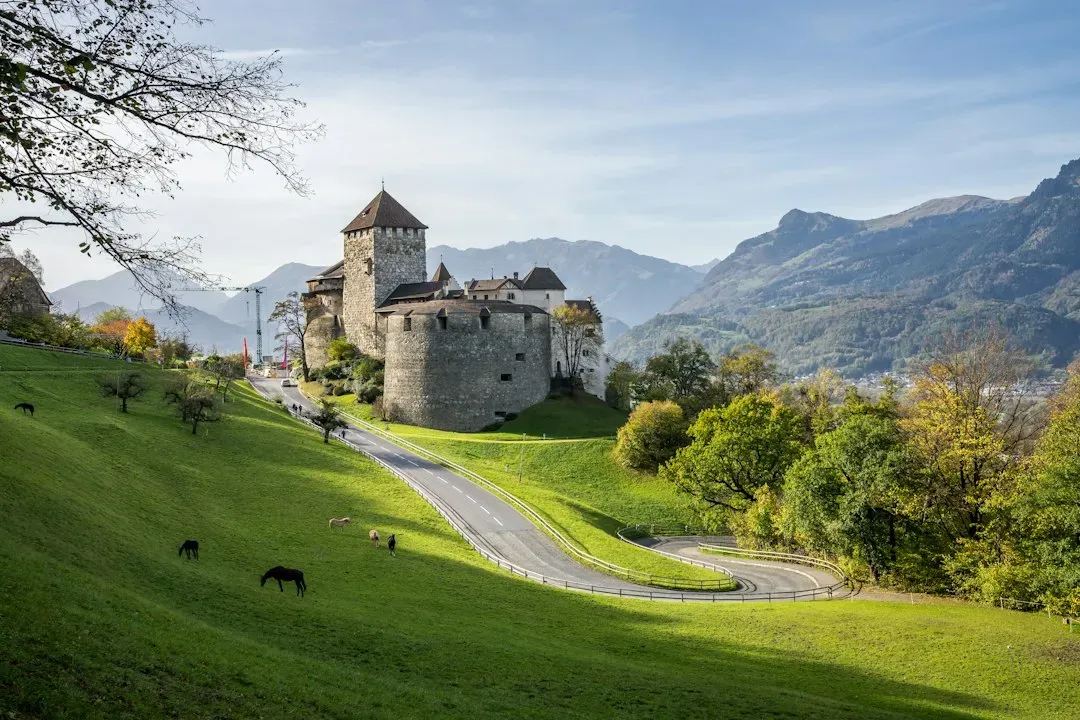
Liechtenstein sits on top of the table. Its GDP per capita is about $230,417 in 2026, according to an IMF projection. Finance and high-tech manufacturing drive that wealth.
For a visitor, the scale is the appeal. The capital, Vaduz, is walkable, and it has a handful of art museums and a castle overhead that serves as the prince’s residence and isn’t open to the public. The country has no airport, so most people arrive by train or bus from Switzerland, and the Swiss franc is the currency. Hiking trails and the small ski area of Malbun are the main draws outside the capital.
Luxembourg: Fortress Views and Free Buses
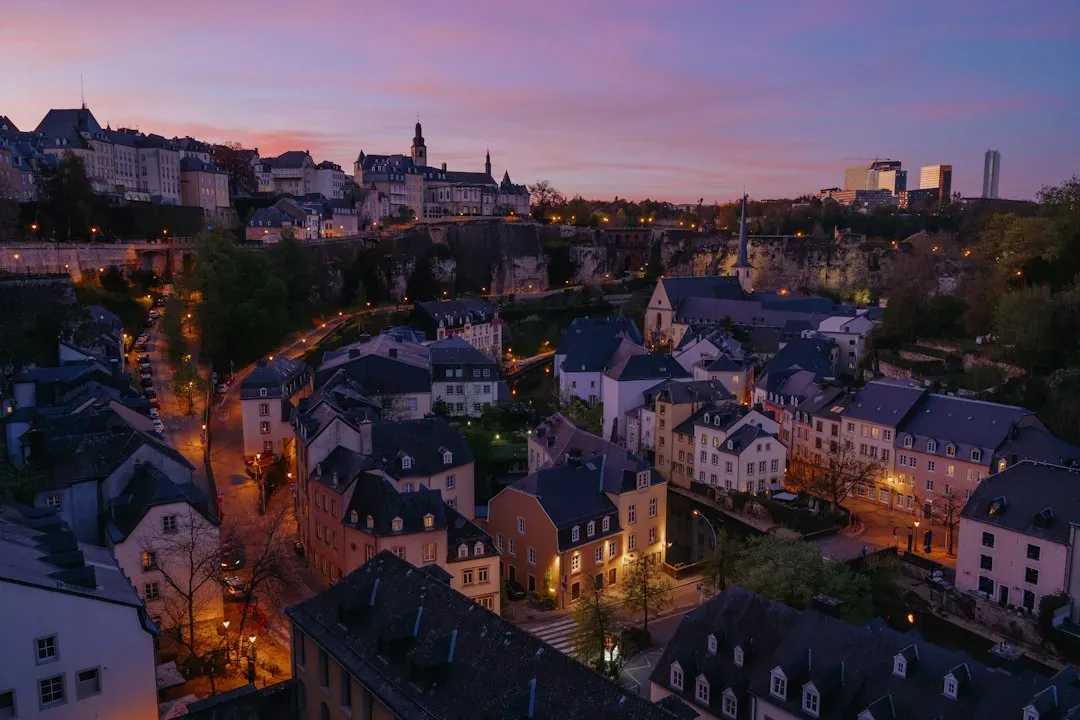
Luxembourg is second on the same list. The IMF puts its 2026 figure at about $155,733. The source of this wealth is its role as a global financial center, with banking and investment funds at the core.
Luxembourg City is built across a deep gorge, and the old fortifications and the Bock Casemates are the classic sights. Public transport has been free nationwide since 2020, which makes getting around cheap even if hotels and restaurants aren’t. The Moselle wine valley and the forests of the Mullerthal region reward a short day trip. The euro is the currency.
Ireland: Big Corporate Numbers, Small Country Charm
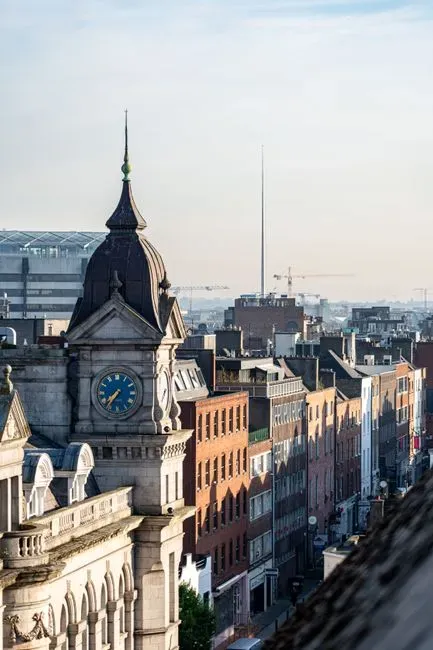
Ireland ranks third. The IMF’s 2026 figure is about $127,837. That is driven by tech and pharma multinationals and foreign direct investment. Because those corporate profits inflate output, the number says more about the economy’s structure than about everyday prosperity.
Visitors tend to notice the landscape rather than the balance sheets. Dublin offers Trinity College’s Book of Kells and the Guinness Storehouse, while the west coast delivers the Cliffs of Moher and the Wild Atlantic Way. The Ring of Kerry and the Dingle Peninsula suit slow road trips. Driving is on the left, and the currency is the euro.
Switzerland: Alpine Scenery at Alpine Prices
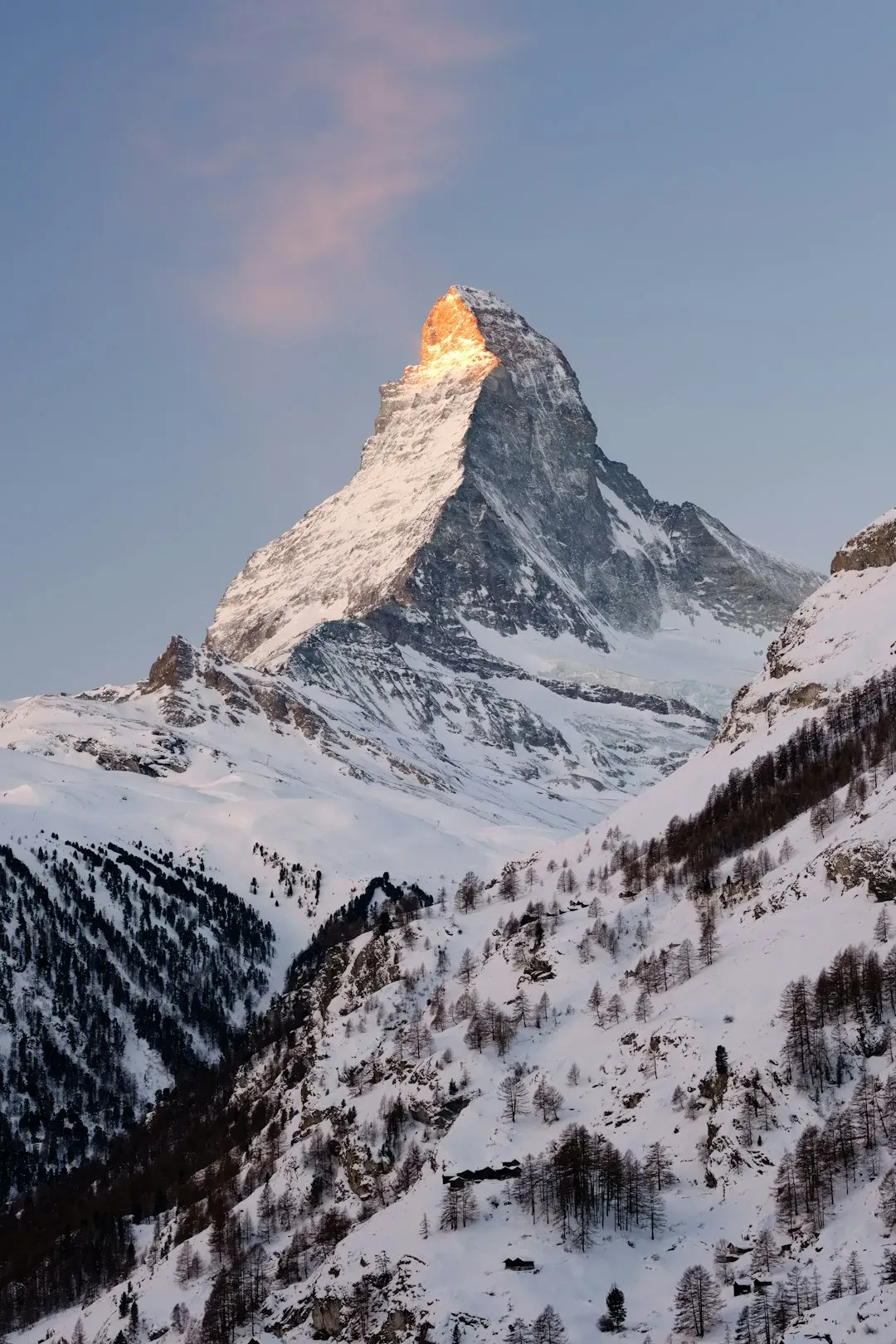
Switzerland follows in fourth place. The IMF’s 2026 projection is roughly $124,478. Banking, investment and high-value industries underpin it.
Travelers should expect high prices for meals, lodging and mountain railways. A Swiss Travel Pass covers most trains, buses and boats and gets discounts on many mountain lifts. Classic stops include Zermatt below the Matterhorn, the Jungfraujoch railway in the Bernese Oberland, and lakeside Lucerne. Zurich and Geneva work well as city bases.
Norway: Fjords Funded by Oil
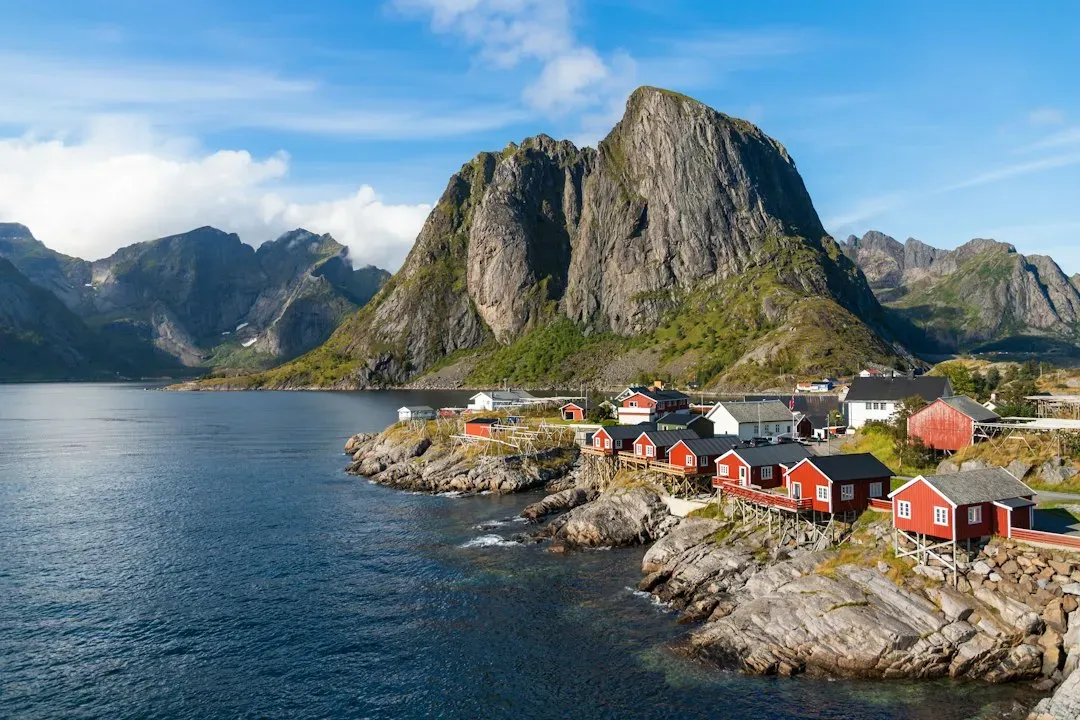
Norway ranks fifth. The IMF puts its 2026 GDP per capita at about $115,188. Oil and gas resources are the main source of that energy wealth.
The headline attraction is the western fjord country. Geirangerfjord and Nærøyfjord are both on the UNESCO World Heritage list, and ferries and scenic rail routes from Bergen make them reachable without a car. Farther north, Tromsø is a popular base for northern lights trips in winter and midnight sun in summer. Norway is not in the EU, and the currency is the Norwegian krone.
Singapore: A City State Built on Trade
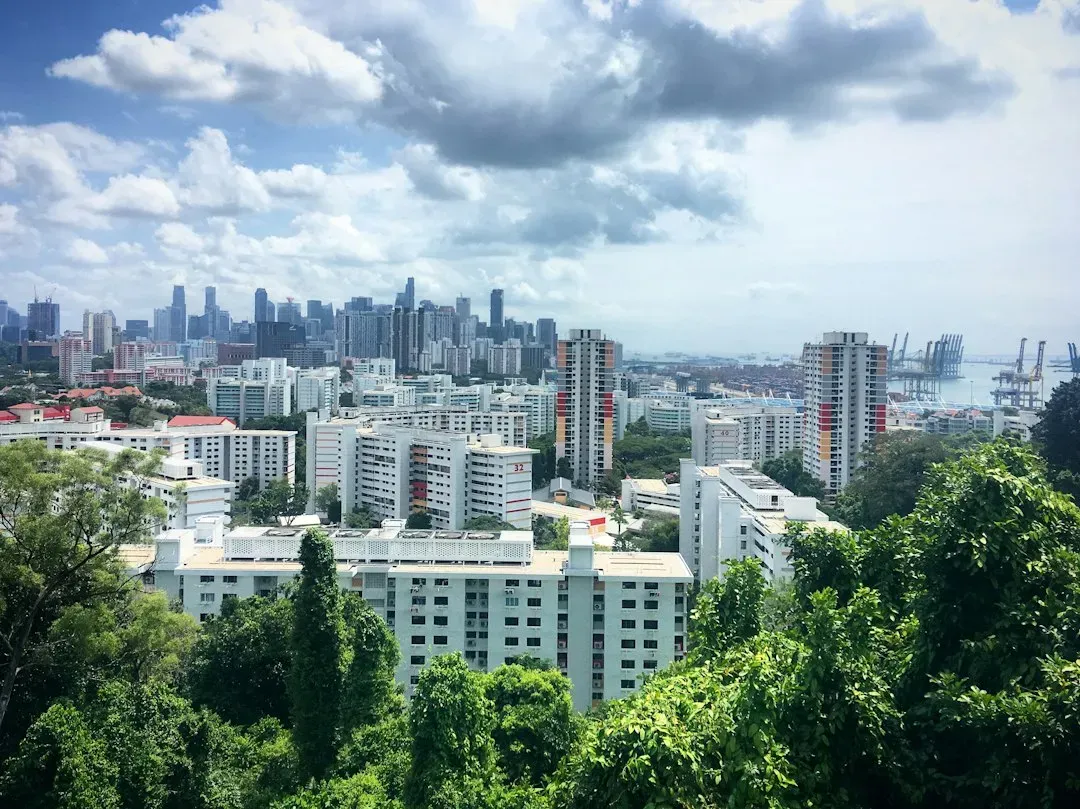
Singapore comes sixth. The IMF’s 2026 figure is about $109,117. Its economy rests on finance and its position as a global trade hub.
It’s an easy first stop in Southeast Asia. Changi Airport is a major connecting point, and the MRT metro reaches most attractions. Gardens by the Bay, the Singapore Botanic Gardens and neighborhoods like Little India and Chinatown fill a few days. Food is a highlight, and the hawker centres serve full meals at modest prices compared with restaurants.
Iceland: Volcanic Landscapes and a Small Population
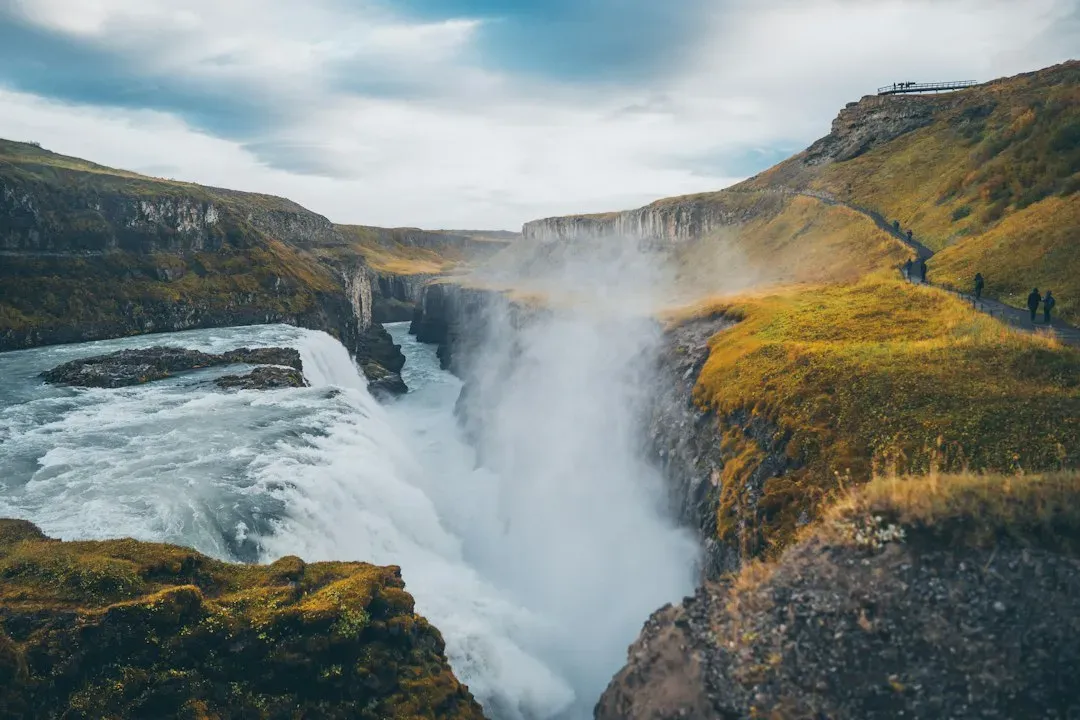
Iceland takes seventh. The IMF’s 2026 projection is about $107,464. Its small population, renewable energy and tourism help explain the high figure.
Most visitors begin with the Golden Circle near Reykjavik, which includes Thingvellir National Park, the Geysir area and Gullfoss waterfall. The Ring Road circles the island and takes about a week to drive properly. Geothermal pools, from the Blue Lagoon to smaller local spots, are a staple. Weather can change fast, and winter driving needs care.
United States: Eighth by Output, First for Variety
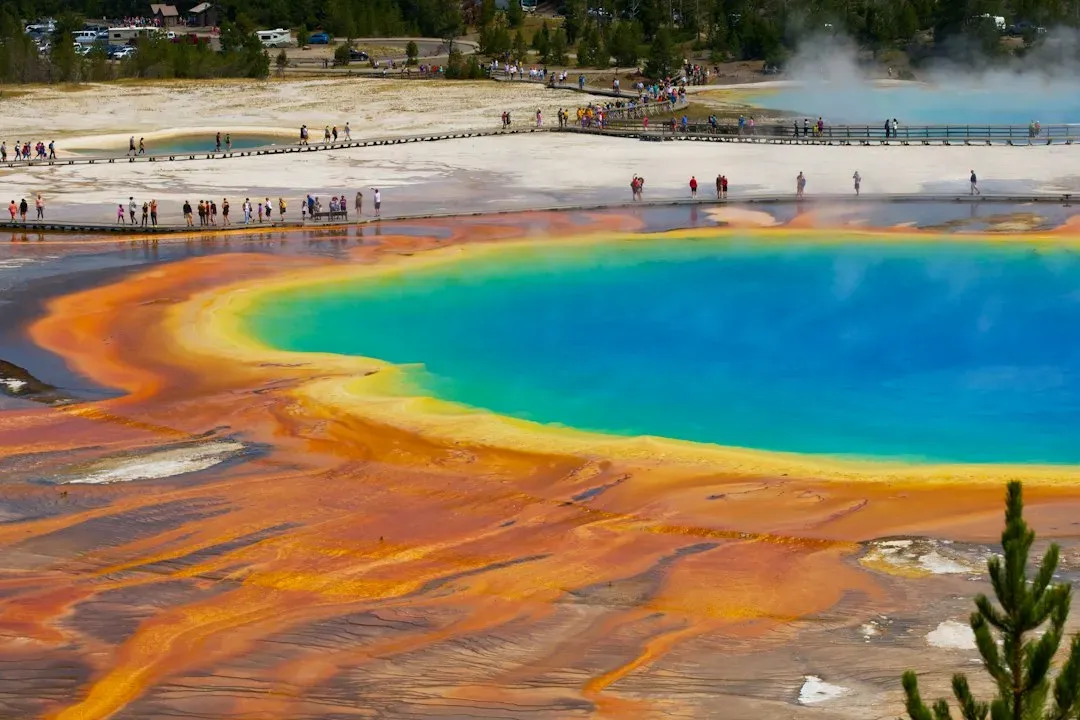
The United States holds eighth place. Its IMF projection for 2026 is $95,212. That makes it the largest economy on the list by far, even though it ranks below several much smaller ones per person.
The scale of the country is what shapes a trip. The National Park Service manages 63 national parks, and Yellowstone, established in 1872, is the oldest. Cities such as New York, Chicago and San Francisco each offer very different itineraries. Distances are long, so most travelers pick one region rather than trying to see everything.
Denmark: Design, Bikes and Short Distances
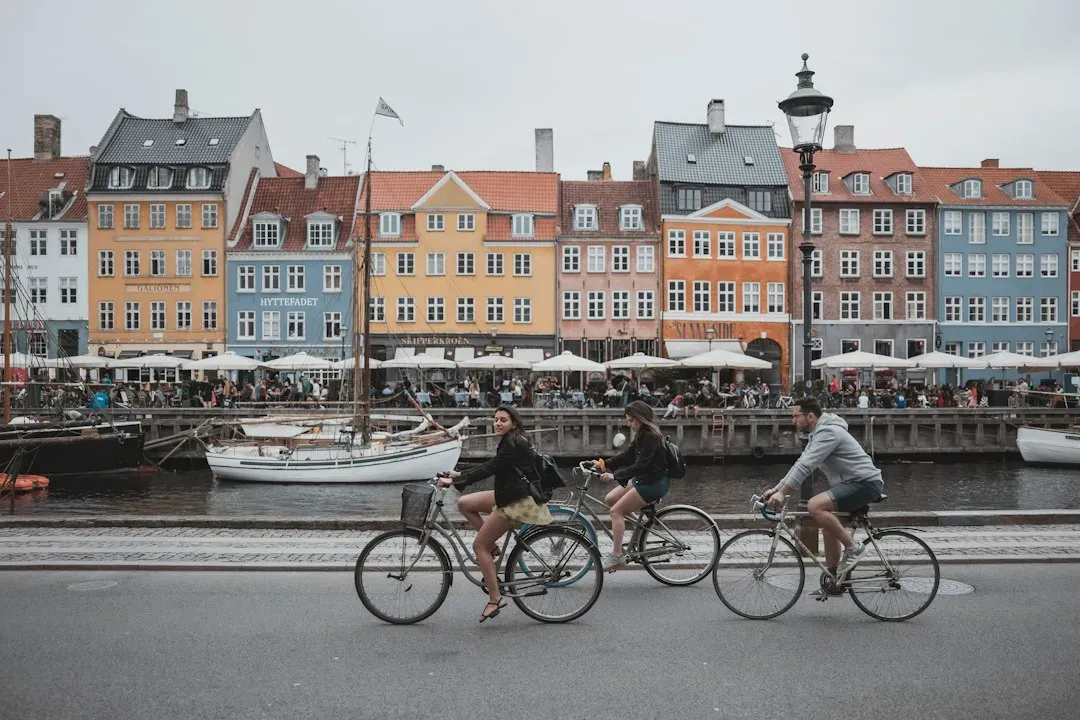
Denmark rounds out the nine. The IMF’s 2026 figure is about $82,714. That’s the lowest of this group, though still far above the global average.
Copenhagen is compact and bike friendly, with Nyhavn harbor, the Tivoli Gardens amusement park and a strong food scene. Outside the capital, Roskilde’s Viking Ship Museum and the castle at Helsingør are easy day trips by train. Denmark is in the EU but keeps its own currency, the Danish krone. Cards are accepted nearly everywhere.
Practical Notes for Planning
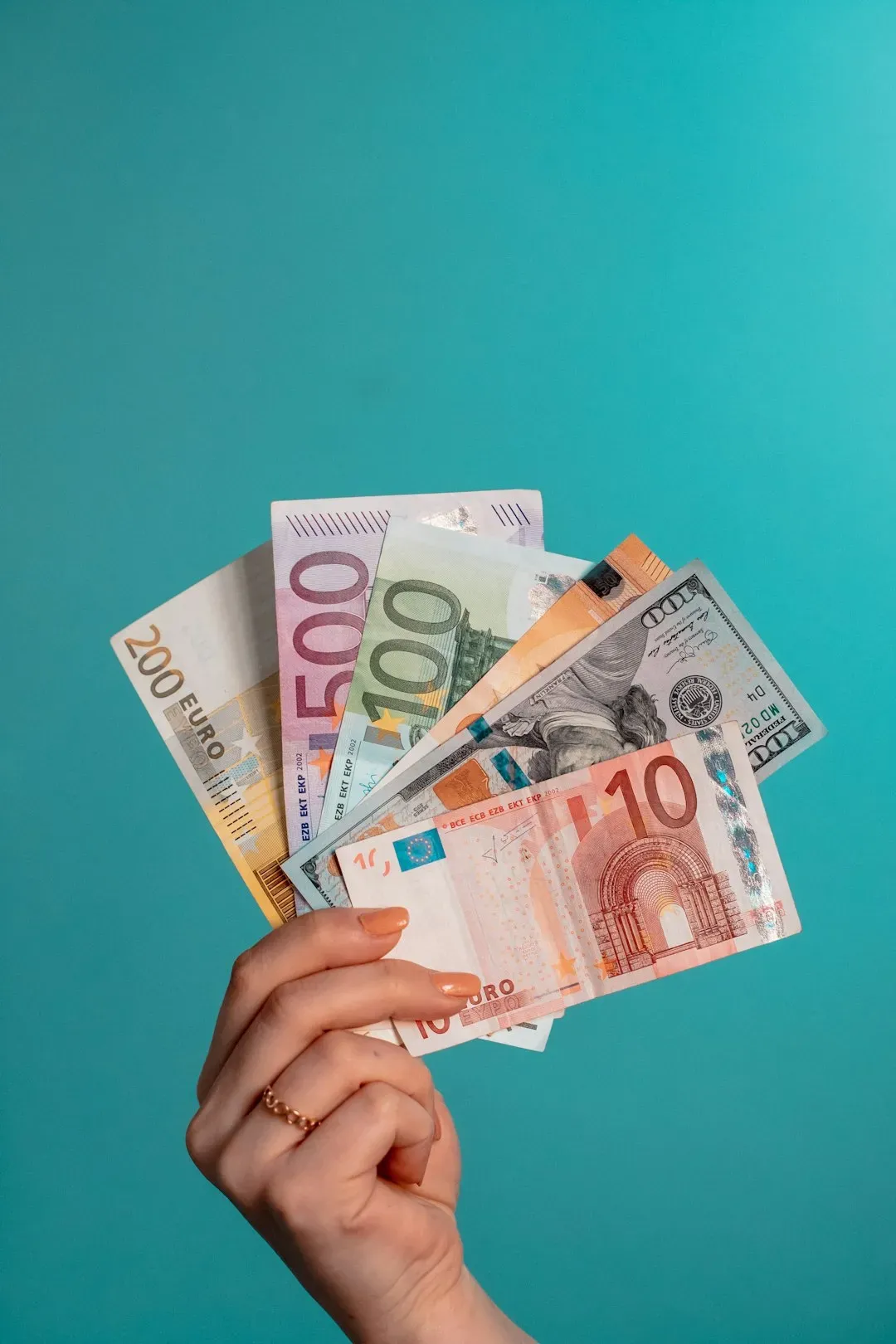
Only some of these countries use the euro: Luxembourg and Ireland do. Switzerland and Liechtenstein share the Swiss franc, while Norway, Iceland, Denmark, Singapore and the United States each have their own currency.
Prices in Switzerland, Norway and Iceland run high by most travelers’ standards. Singapore and the United States offer wider ranges depending on where you stay and eat.

Leave a Reply