
A second passport can change where you can live, work, study and travel without a visa. Yet the rules behind it vary widely from one country to the next, and they have shifted more than a few times in recent years.
Below are eleven countries that generally accept dual citizenship and five that restrict or effectively prohibit it. Laws change and exceptions are common, so check the official government source before making any legal move.
United States

The United States doesn’t require citizens to choose one nationality. Since the Supreme Court decided Afroyim v. Rusk in 1967, the government can’t strip someone’s citizenship against their will for acquiring another one. Naturalizing Americans are asked to renounce prior allegiances in the oath, but in practice this doesn’t force them to give up their original passport.
There is a cost to consider, though. The US taxes citizens on worldwide income wherever they live, so Americans abroad still file returns. For many dual nationals that paperwork is the real price of holding the passport.
Canada

Canada has permitted dual citizenship since its Citizenship Act took effect in 1977. Applicants for naturalization don’t have to renounce another nationality, and Canadians who take a second one generally keep theirs too. The main condition is that your other country must allow it as well.
Canada’s rules on passing citizenship to children born abroad have been under reform in recent years. If you’re thinking about descent claims, look at the current Immigration, Refugees and Citizenship Canada guidance rather than older summaries.
United Kingdom
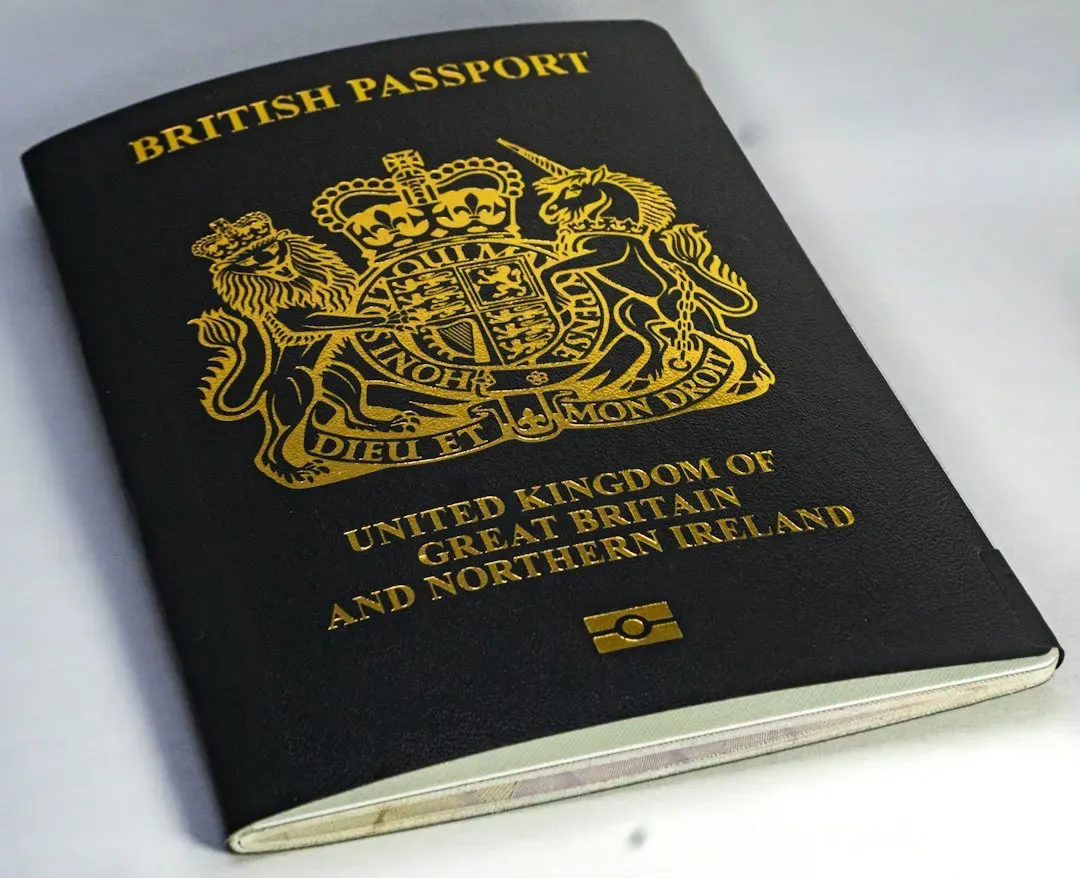
The UK accepts dual and multiple nationality, and has for a long time. Becoming a British citizen doesn’t require you to give up your previous citizenship, though the other country’s law decides whether you can keep it. British citizens who acquire another nationality don’t lose their British status.
Naturalization generally requires years of lawful residence, a language test and the Life in the UK test. Applicants should also be aware that fees and residence rules have been revised recently, so the current Home Office page is the place to confirm details.
Ireland
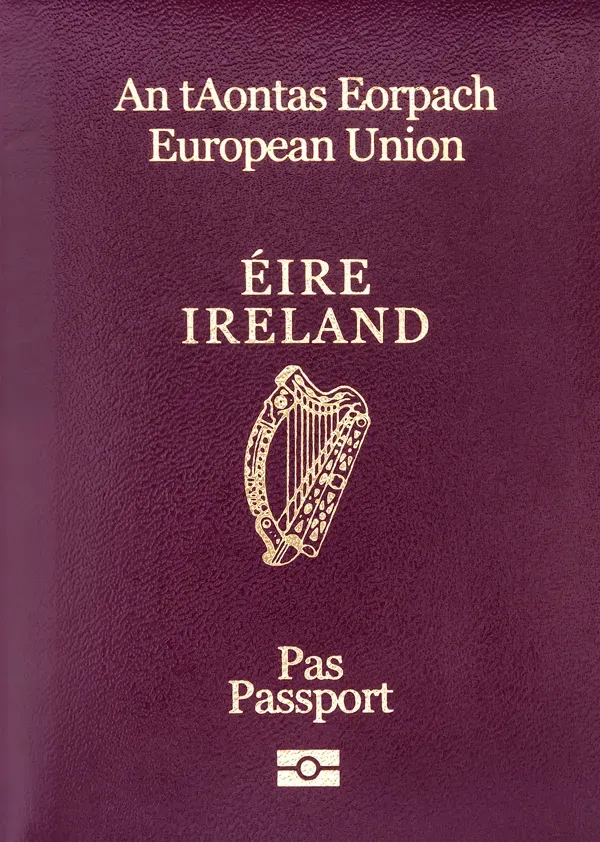
Ireland allows dual citizenship without fuss, and it’s well known for its citizenship by descent. A person with an Irish grandparent born on the island of Ireland can usually register through the Foreign Births Register. This has made the Irish passport popular with people in the US, Britain and Australia.
Naturalization by residence is also possible, and it doesn’t demand renouncing another nationality. An Irish passport brings European Union citizenship, which includes the right to live and work across the bloc.
Australia

Australia lifted its old restriction in April 2002, which means Australians no longer lose citizenship by acquiring another one. Before that change, many people had to choose. Today, naturalized citizens aren’t asked to give up their original nationality either, as far as Australian law is concerned.
Australian citizenship can also be gained by descent if a parent was a citizen at the time of birth. As with other countries, you’ll want to check what your second country says, since some of them won’t allow you to keep a foreign passport.
France

France recognizes dual nationality and doesn’t make naturalized citizens renounce their previous one. French citizens who acquire another nationality keep their French status unless they formally request otherwise. This makes France a common choice for people from North Africa, Europe and beyond.
Naturalization usually follows several years of residence, along with proof of language skills and integration. Recent changes have tightened some of the language and civic requirements, so applicants should read the current official requirements carefully.
Italy

Italy permits dual citizenship, and the country is famous for its citizenship by descent, known as jure sanguinis. In 2025 the government reformed this route and limited many claims to people with a parent or grandparent born in Italy. That was a notable tightening for descendants who had counted on more distant ancestors.
Anyone considering an application should treat older guides with caution. Rules and consulate procedures have been shifting, and the current official instructions matter more than anything written before the reform.
Mexico

Mexico has allowed dual nationality since a constitutional reform in 1998. Mexicans by birth can hold another nationality and cannot have their Mexican nationality taken away. Children born abroad to Mexican parents can often claim Mexican nationality as well.
Naturalization is a different story, since the process involves its own conditions around foreign allegiances. If you’re pursuing it by residence rather than by birth or descent, confirm the specifics with a Mexican consulate.
Brazil

Brazil doesn’t generally require its citizens to give up nationality when they acquire another. Brazilians who become citizens elsewhere can typically keep their Brazilian status, particularly when the other country requires it for residence or equal rights. Naturalization in Brazil doesn’t normally demand renouncing your birth nationality either.
Brazil also grants citizenship to children born to Brazilian parents abroad under certain registration conditions. The mix of birthright rules and registration steps means families should keep their documents in order.
Germany

Germany used to restrict dual citizenship for most non-EU applicants, but a major reform took effect on June 27, 2024. It now allows naturalized citizens to keep their previous nationality in general. Germans can likewise acquire another citizenship without having to seek special permission first.
The reform also changed residence requirements for naturalization, with the standard period shortened from eight years to five. Faster timelines for exceptionally well integrated applicants have been discussed, so check current federal rules for your situation.
Portugal

Portugal accepts dual citizenship and doesn’t ask applicants to renounce another nationality. Citizenship can come through residence, marriage, descent or, in some cases, Sephardic Jewish ancestry, though the last route was tightened in recent years. A Portuguese passport grants EU citizenship rights.
Portugal’s nationality law has been the subject of reform proposals that would lengthen residence requirements. Since the situation has been moving, anyone applying should confirm the present rules with official Portuguese sources.
China
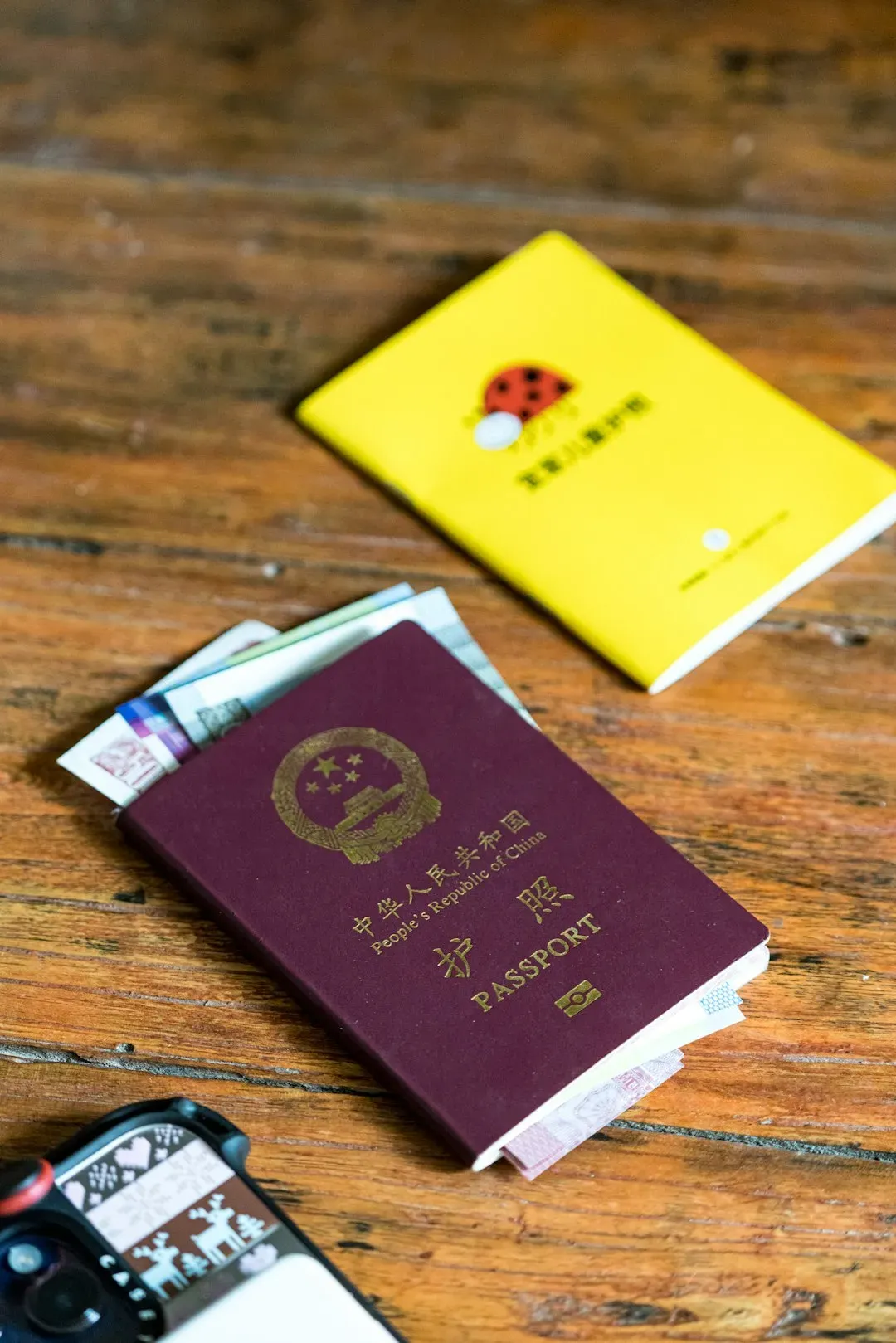
China’s Nationality Law doesn’t recognize dual nationality. A Chinese citizen who settles abroad and acquires foreign citizenship automatically loses Chinese nationality under the law. Special rules apply in Hong Kong and Macau, and these are handled differently from the mainland.
For people of Chinese descent, this matters when moving abroad or applying for another citizenship. In practice, enforcement and documentation questions can get complicated, so legal advice is worth the money.
India
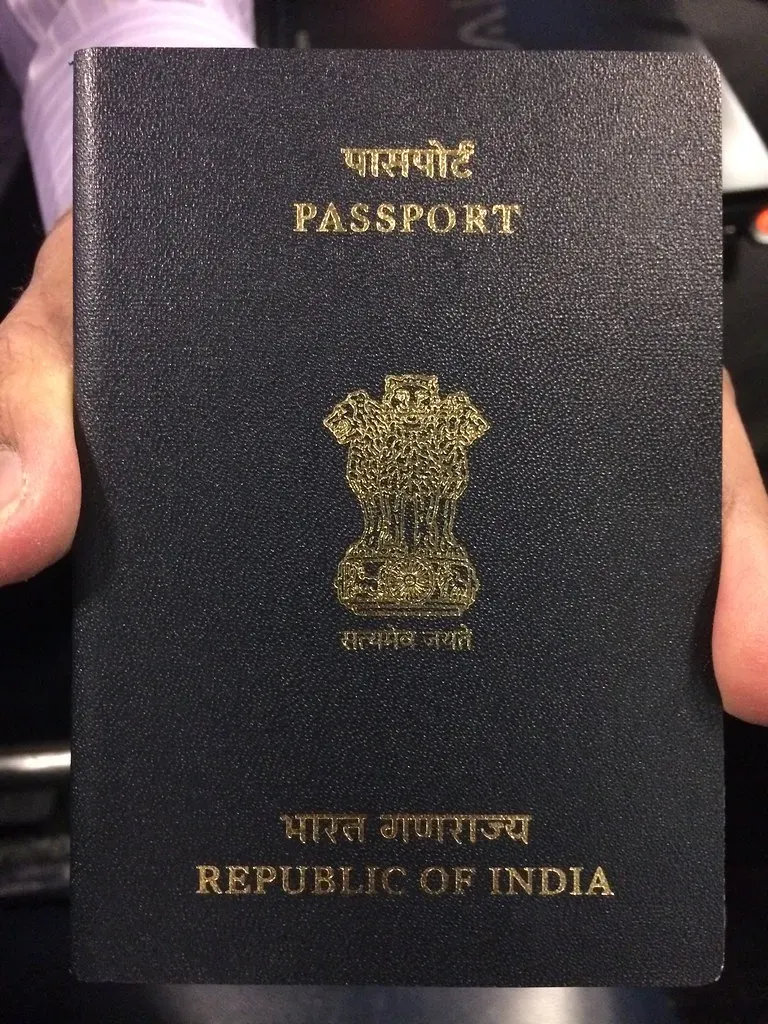
India doesn’t allow dual citizenship. Under the Citizenship Act of 1955, an Indian citizen who voluntarily acquires another nationality loses Indian citizenship. This is a firm rule rather than a loosely enforced one.
The government created the Overseas Citizen of India card for people of Indian origin who live abroad. It offers long term visa free travel and residence rights, but it isn’t citizenship and doesn’t carry voting rights.
Japan

Japan’s Nationality Act requires people who hold more than one nationality to choose one. Those who became dual nationals before turning twenty must choose by age twenty two, and those who became dual after twenty must choose within two years. Japan doesn’t formally recognize multiple citizenship.
The law relies on people declaring their choice and the government has rarely stripped anyone of nationality by force. Even so, the rule is still on the books, and it shapes decisions for Japanese families living overseas.
Singapore

Singapore doesn’t permit dual citizenship. Citizens who acquire another nationality can lose their Singaporean one, and those who are naturalized are expected to renounce their former citizenship. Children born with two nationalities typically have to choose by adulthood.
National Service obligations apply to male citizens and permanent residents, which adds another layer for families with sons. For people moving to Singapore, the passport decision is a real tradeoff and deserves planning.
Indonesia
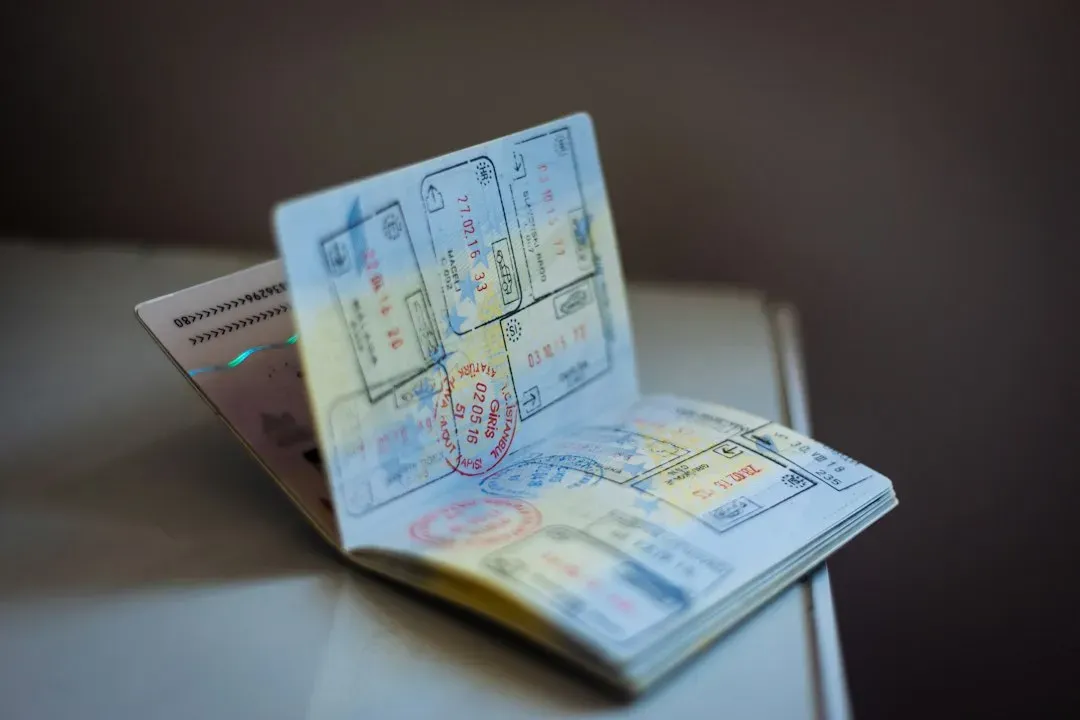
Indonesia follows a single citizenship principle for adults. A law passed in 2006 gives limited dual nationality to certain children, such as those born to mixed nationality parents, until they reach adulthood and must choose. Adults who voluntarily take another citizenship generally lose Indonesian citizenship.
Indonesia has debated options for its diaspora, including special residency arrangements for people of Indonesian origin. Those are not the same as dual citizenship, so anyone affected should check with the Indonesian authorities directly.

Leave a Reply