
Some design mistakes are obvious the moment you walk into a room. Others take a trained eye to spot. After more than a decade of working inside people’s homes – seeing every possible combination of furniture, lighting, and color – certain choices keep appearing again and again, and they rarely improve with age.
The frustrating thing isn’t that people make these mistakes. It’s that many of them are so easy to avoid once you know what to look for. Interior design trends come and go, and while some stand the test of time, others quickly overstay their welcome – and several once-popular home décor styles are now making spaces look outdated or impractical. Here are the seven decor choices that still make a room look like it’s trying too hard, or not hard enough.
The Rug That’s Just Too Small
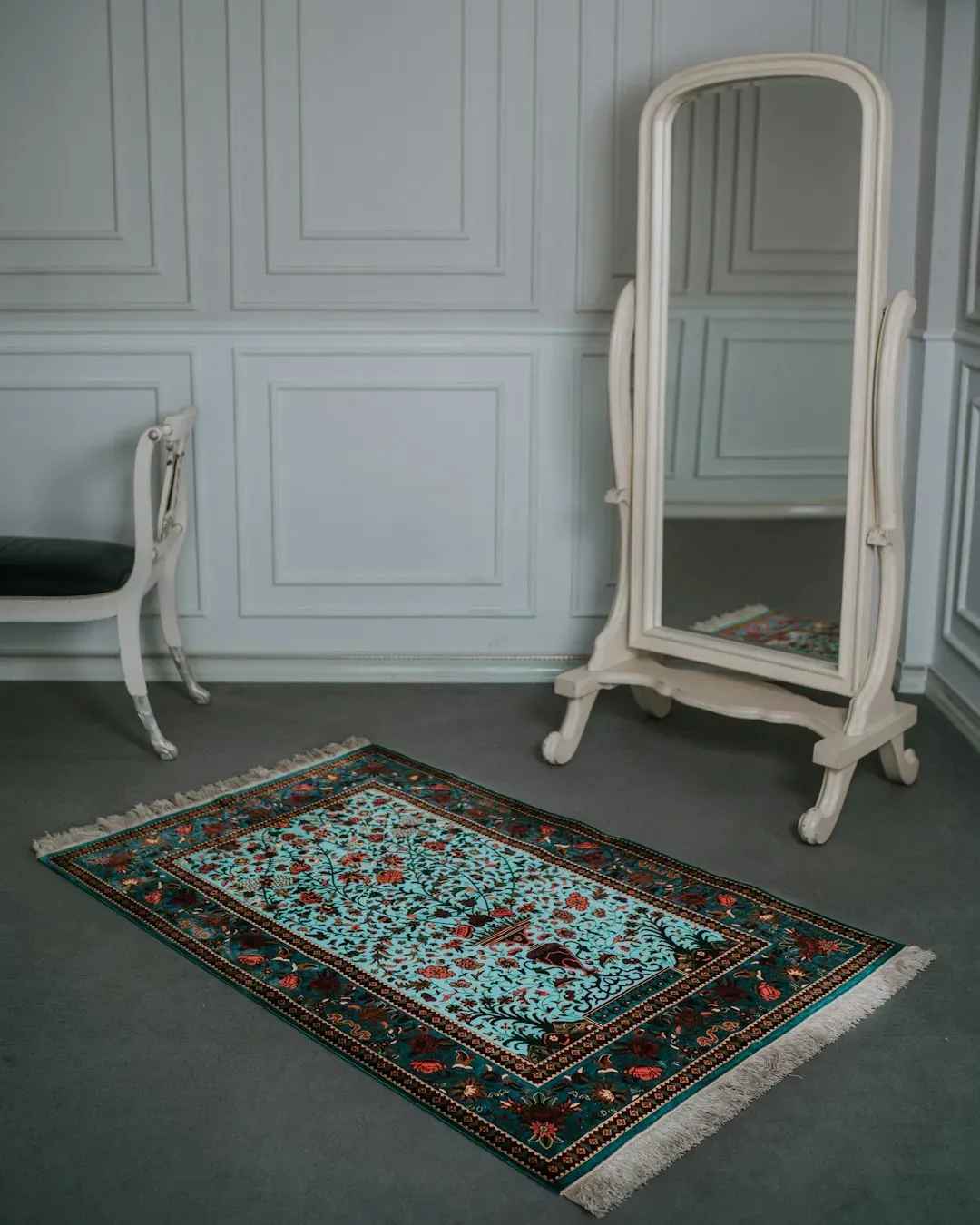
One of the most common rug size mistakes is choosing a rug that is too small for the space – small rugs often float in the middle of the room without connecting furniture pieces. It sounds like a small thing, but the visual impact is significant. A rug that doesn’t anchor the seating area makes even expensive furniture look disorganized and cheap.
Undersized rugs tend to look a little sad and lost, and fail to ground a room. A good rule of thumb is to choose a rug that’s large enough to extend underneath all four feet of the furniture in the room, or at least beyond the front feet of larger pieces like sofas and armchairs. Standard living rooms typically need at least an 8-by-10-foot rug, while larger spaces might require 9-by-12 or even 10-by-14 options. When in doubt, go larger than you think you need.
The Mass-Produced Faux-Rustic Look
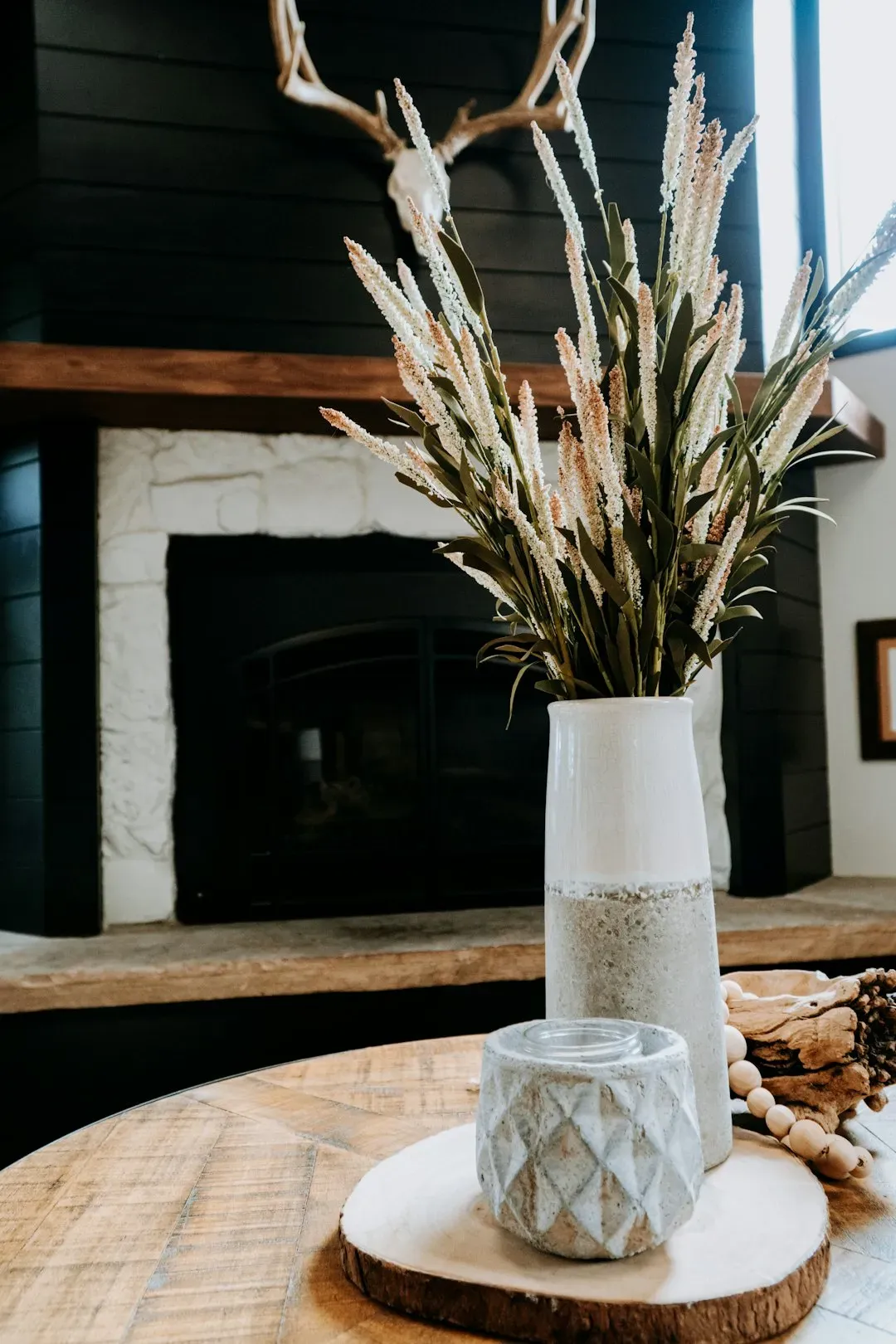
The faux-distressed, mass-produced farmhouse aesthetic – characterized by artificially aged furniture and mass-produced rustic décor – has been widely used, but designers say it has run its course. Factory-distressed finishes on new furniture, “Gather” signs from big-box stores, and mason jars wired to fake barnwood panels all share the same problem: they mimic authenticity instead of having any. Rooms built around this aesthetic tend to feel like a stage set rather than a lived-in home.
The rustic aesthetic can be stunning when it draws from authentic craftsmanship or naturally aged materials. The proliferation of faux rustic pieces, with their factory-distressed finishes and synthetic materials, feels forced and lacks the charm of genuinely aged or handcrafted furniture. Stepping away from mass-produced signs is the right move – instead, look for subtle ways to incorporate character, like vintage-inspired ceramic vases or handwoven baskets.
Neon Lights in Living Spaces

Neon lights have been a favorite for adding a playful, vibrant touch to interiors, but designers say they often cheapen the overall aesthetic. Neon lights had their moment, but they’ve started feeling more like college dorm décor than a considered design choice. The appeal is understandable – they’re affordable, they photograph well, and they’re easy to install. The problem is that they rarely age gracefully inside a home.
A neon sign placed in a kitchen, bedroom, or living room almost always dominates the visual energy of the space in a way that works against cohesive design. There’s a broader shift toward more thoughtful and intentional interiors rather than stocking up on everything you see trending on social media. Neon is a decorative shortcut, and rooms that rely on shortcuts tend to show it quickly.
The Over-Staged Shelfie
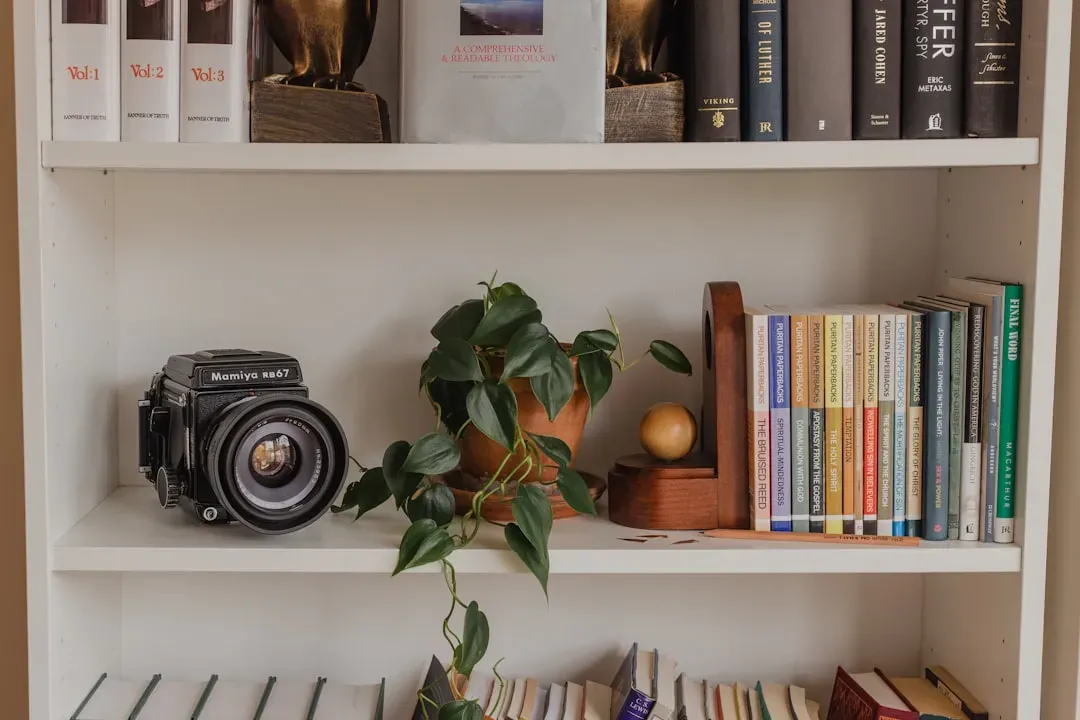
Perfectly curated shelves with backward books, abstract sculptures, and untouched candles have been a staple of modern home décor, but designers argue they make homes feel more like showrooms than real spaces. You’ve seen it everywhere: shelves styled to within an inch of their lives, where nothing looks like it’s ever been touched, moved, or actually used. It photographs beautifully and feels completely hollow in person.
Shelves should feel lived-in. Mixing books you actually read, vintage pieces, and meaningful objects results in the best-styled shelves – those that look like they’ve come together over time rather than being arranged for a photoshoot. The distinction matters because guests can feel the difference between a home that’s styled and a home that’s inhabited. Aim for the latter.
All-Gray Everything
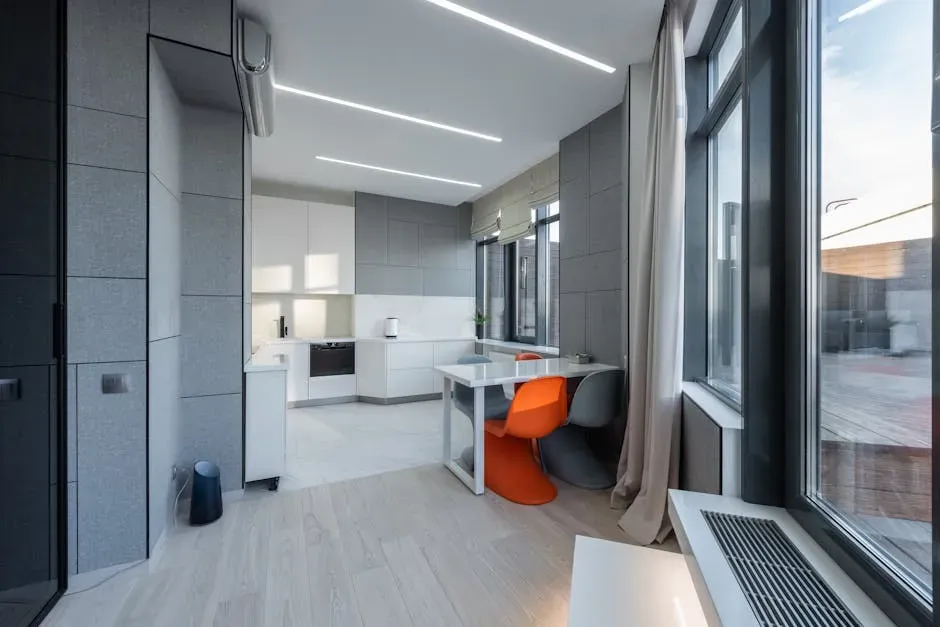
The grays have overtaken homes, from gray painted walls to gray flooring, furniture and more. Gray, particularly in heavy doses, can feel cold and dreary, and it runs counter to the latest trends that are all about warmth and color. The gray-on-gray palette had a real moment through the late 2010s into the early 2020s, and the logic made sense at the time. It felt modern, sophisticated, and easy to coordinate. A decade later, it mostly feels dated.
The gray flooring craze continues to cool. Surging in popularity from 2018 to the early 2020s, the look can now make spaces feel cold and washed out. Warm, natural wood tones are taking over, seeking to connect interiors more to nature. Homeowners are shifting towards richer, earthier tones and more dynamic textures to create spaces that feel warmer and more personal. If gray is already throughout your home, introducing texture and warm accents can make a meaningful difference without a full renovation.
Barn Doors That Don’t Belong
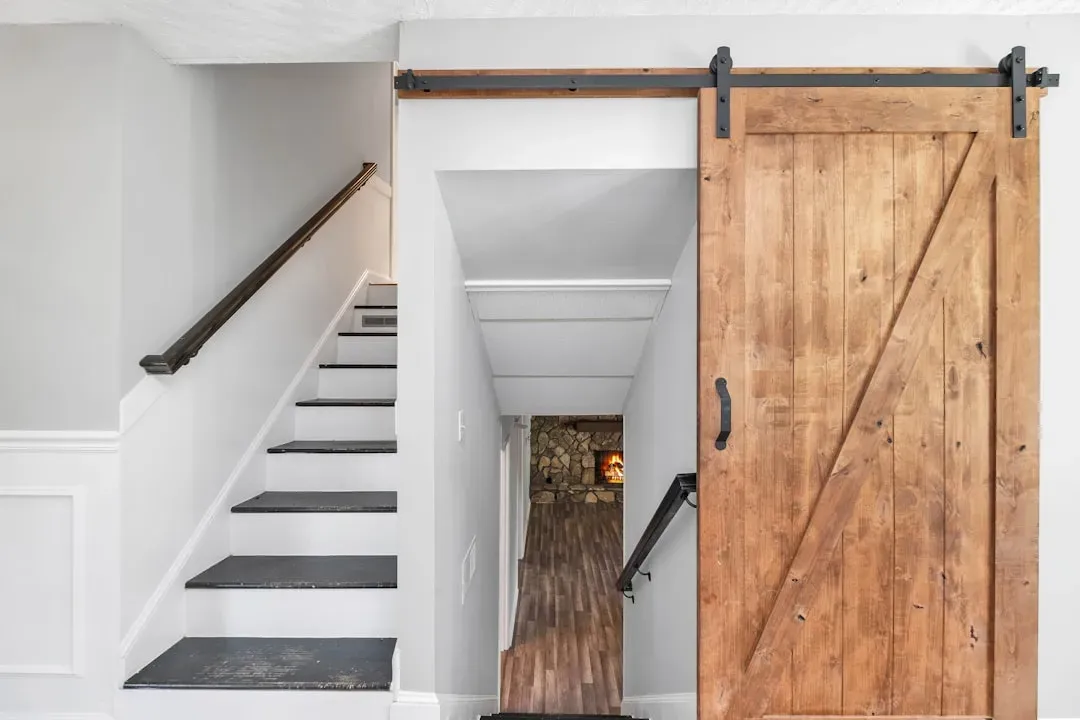
Sliding barn doors became a staple of modern farmhouse decor, but designers argue they are impractical and often misplaced. They looked great in the context of the Fixer Upper era, and they solve certain space-saving problems elegantly. The issue is that they migrated into nearly every architectural style – urban apartments, contemporary condos, coastal homes – where they simply have no logical context. The aesthetic mismatch is hard to ignore.
Barn doors are only suitable for actual farmhouses, and they’re impractical, noisy, and offer little privacy. Barn doors are going out of fashion as they are more difficult to combine with other elements, because they’re so rustic that it’s difficult to layer in pieces that aren’t country- or homestead-inspired. Pocket doors, French doors, or even a simple well-hung traditional door will serve a contemporary space far better.
Single-Source, Matching-Everything Furniture Sets
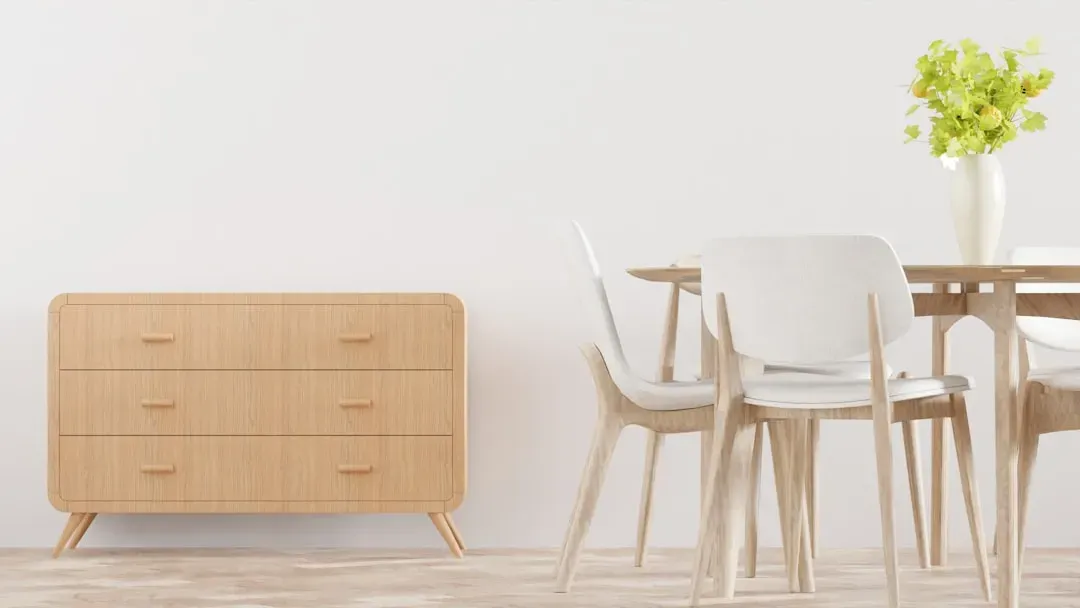
The era of cheap, mass-produced and quick-to-assemble furniture has largely gone. Consumers are growing more conscious and have realized that powdered wood held together with glue won’t last as long as real wooden furniture. Homeowners are now ditching the “everything new” mindset, opting instead for durable vintage finds, upcycled pieces, and furniture investments that will last. Rooms furnished entirely from one catalog page tend to have a flatness to them that no amount of cushions or rugs can fully fix.
A matchy color palette and fully matched furniture is a dated approach. Mixing and matching styles adds depth and interest to a space. Rather than buying two matching white sofa chairs and the wooden coffee table with black metal legs that everyone has, there is a push to find unique pieces that can’t be duplicated. Having a mass-produced, copy-pasted room no longer feels inspiring. The rooms that hold up over time are usually the ones that feel like they were assembled gradually, with intention, not purchased all at once.
The thread connecting all seven of these choices is the same: they prioritize the look of a magazine photo over the feel of an actual home. Design trends serve as a reflection of collective tastes and aspirations, but not every trend is meant to last. While some become enduring classics, others fade away as quickly as they arrived. The advice is to focus on quality and timelessness, and to incorporate trends sparingly, using them as accents rather than the foundation of your design. A home that looks considered tends to outlast one that just looks current.


Leave a Reply