
There’s a quiet art to making guests feel genuinely welcome, and it has surprisingly little to do with expensive furniture or spotless countertops. The details that shape a guest’s experience are often the ones hosts overlook entirely: the furniture arrangement that cuts off conversation, the lighting that flatters no one, the guest room stuffed with the host’s own belongings. Good hosting starts well before anyone rings the doorbell.
Interior designers and etiquette experts have documented these patterns for years, and the consensus is remarkably consistent. Certain design habits signal self-consciousness, indifference, or simply a room planned for the person who lives there rather than the people passing through. Here are the ten habits that thoughtful hosts tend to avoid.
1. Filling the Guest Room with Personal Clutter
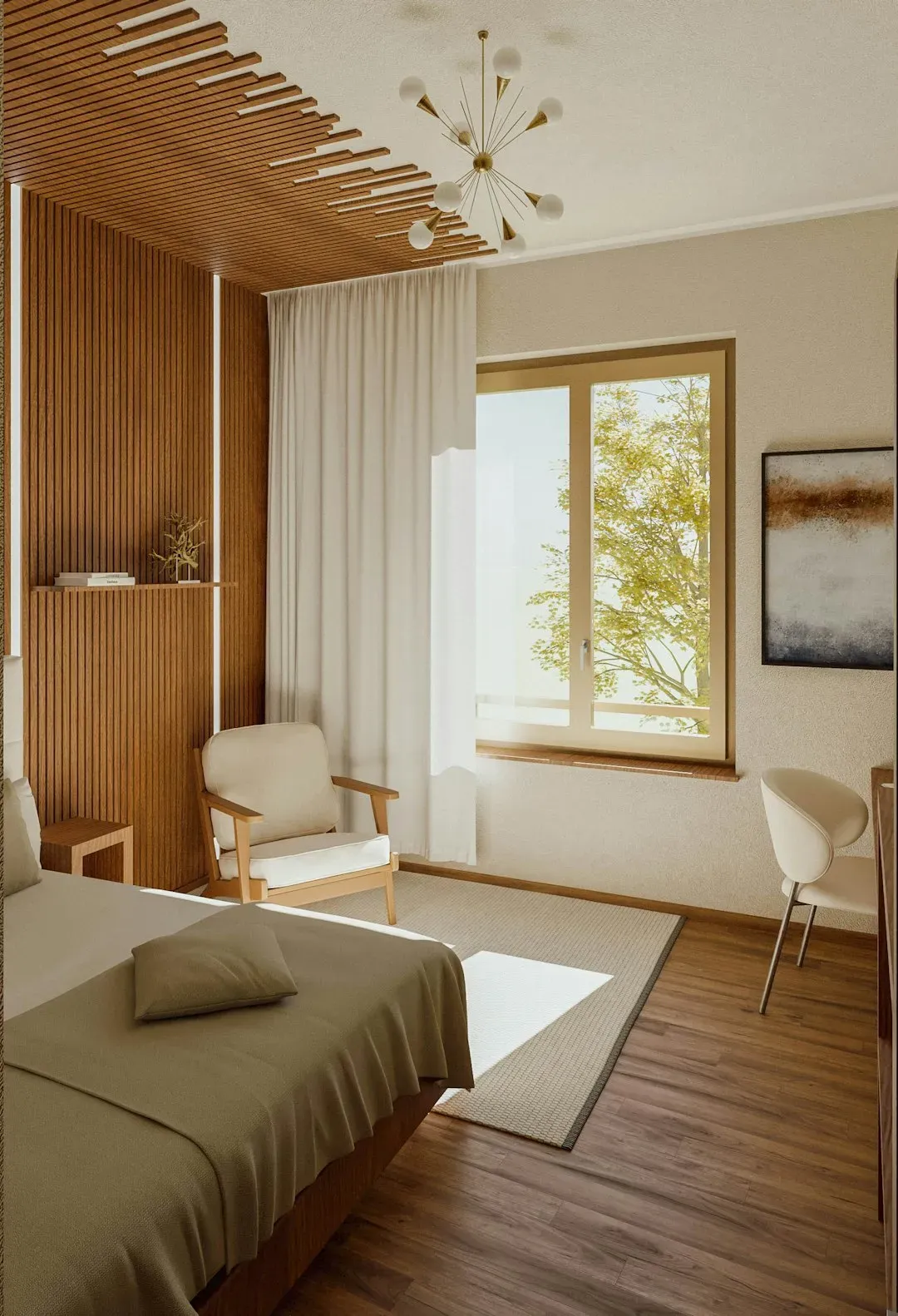
One of the biggest mistakes people make when designing a guest room is filling it with too much of their own stuff. Nothing makes a guest feel more awkward than feeling like they’re encroaching on the host’s personal space. A guest room should feel like a retreat. That means keeping sentimental trinkets, excess storage boxes, and personal memorabilia out of the picture.
Avoiding an overload of personal items like family photos or sentimental objects is key, because these can make guests feel like they’re intruding on a private space rather than enjoying a retreat designed with their comfort in mind. The goal is a room that feels prepared and welcoming rather than borrowed and provisional.
2. Relying Solely on Harsh Overhead Lighting
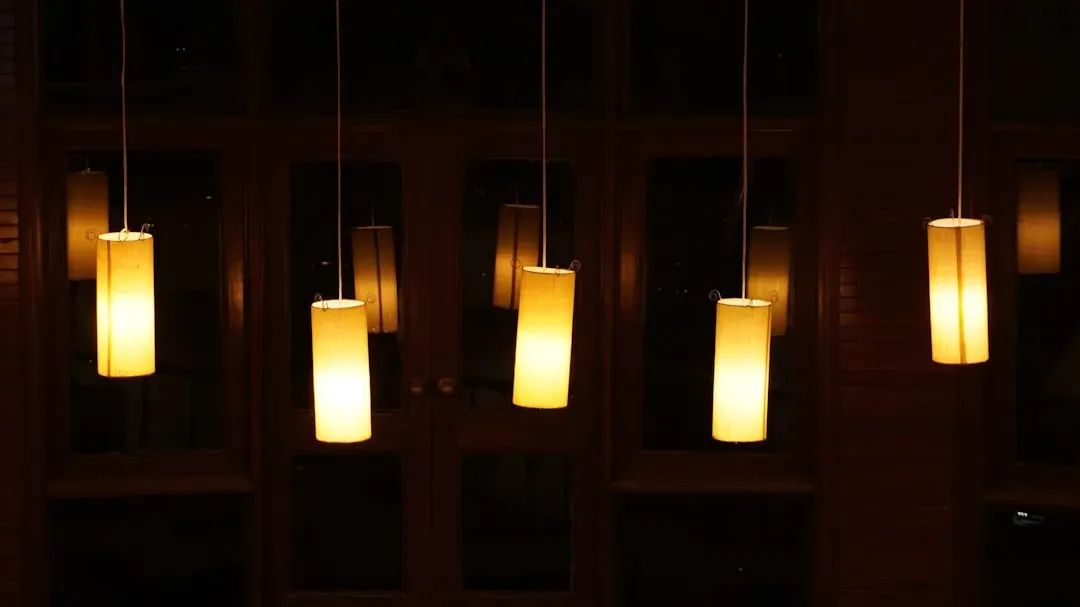
Overhead lights can be harsh, especially when guests are winding down in the evening. Adding a table or floor lamp gives them control over the room’s atmosphere, allowing for softer and more relaxing light. It’s a simple addition that makes a big difference in creating a welcoming, calming space. Lighting is one of those things guests feel before they consciously notice it.
Known for its stark, sterile tendencies, recessed overhead lighting has no place in a well-considered hosting environment. Notoriously unflattering, built-in downlights or flushmounts might be practical, but they’re also indicators of a home that’s stuck in the past. Layered lighting, which involves multiple light sources at different levels, creates the kind of atmosphere where guests can actually relax. Ambient, task, and accent lighting work best together to provide both functionality and warmth.
3. Leaving No Surface Space for Drinks or Plates
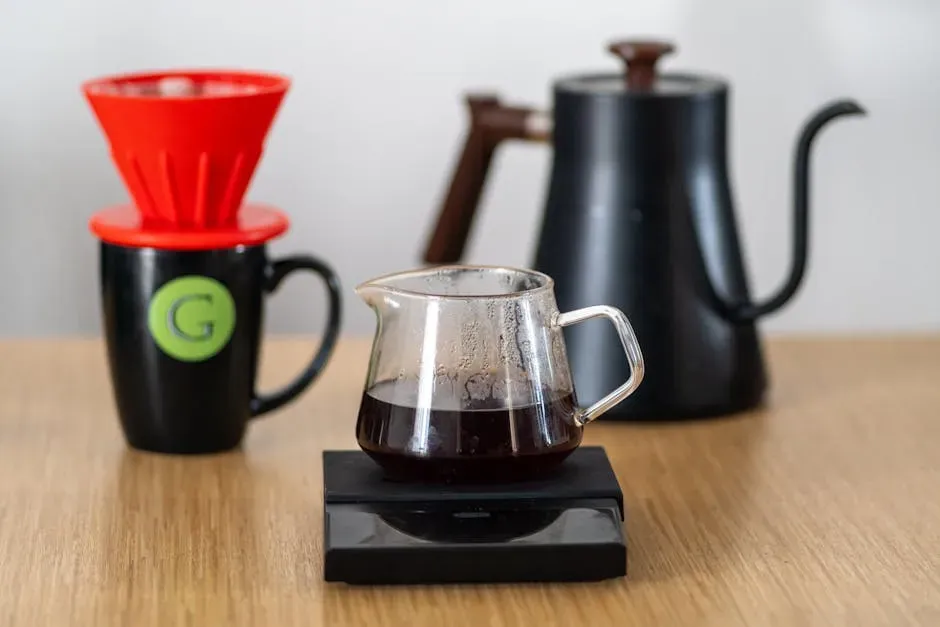
There should be appropriate places for guests to rest glasses and plates. If coasters, placemats, or tablecloths are needed to protect furniture, a host should plan for that in advance. It’s vital that guests can easily help themselves to a snack or drink if needed. A room without accessible surfaces quietly tells guests they’re not supposed to get too comfortable.
If there isn’t a large coffee table, pulling smaller side tables from around the house and placing them next to couches is a practical fix. It takes two minutes and removes the quiet anxiety of a guest holding a glass with nowhere to set it down for the next two hours.
4. Arranging Furniture That Kills Conversation
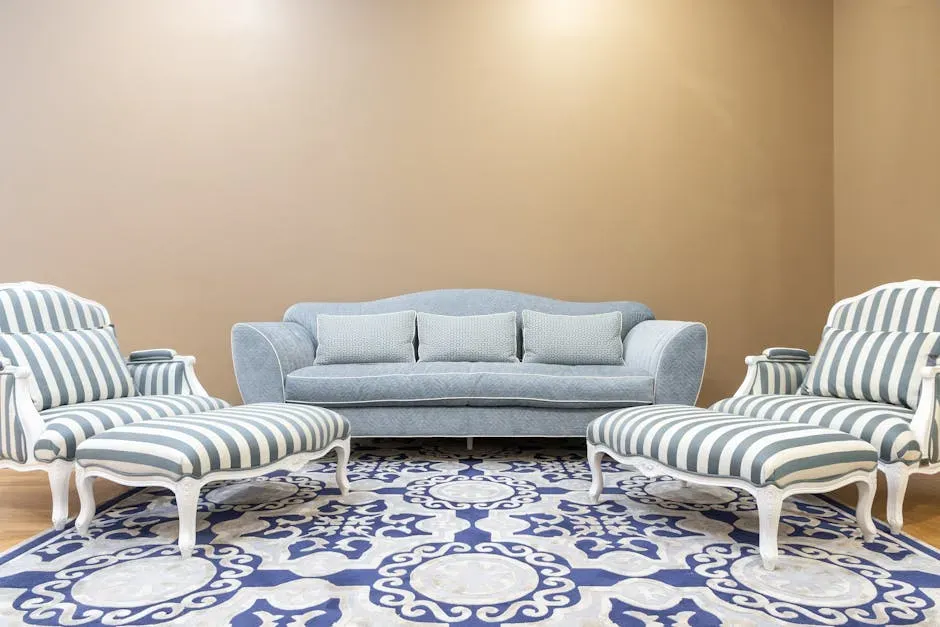
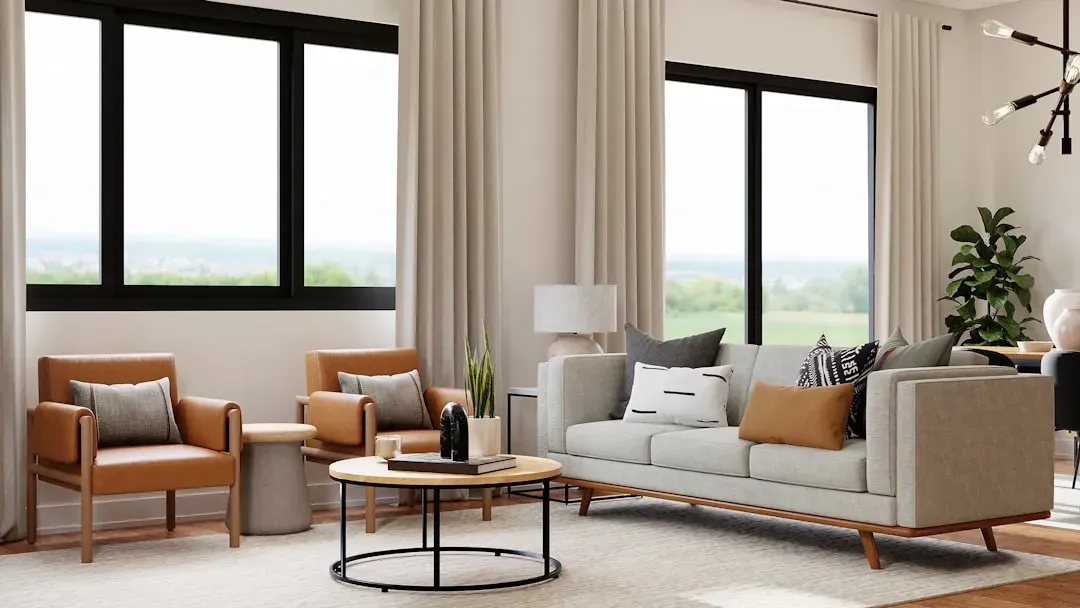
Awkwardly arranged furniture is one of the most common and impactful design mistakes in a host’s home. When seating faces a television, points toward walls, or scatters guests around a room without any clear center, conversation becomes effortful rather than natural. The layout of a room tells people how they’re expected to use it.
Comfortable seating requires pieces big enough to accommodate however many guests are being entertained. A mix of both sofas and chairs is key to making sure everyone gets a seat, and an array of floor cushions can provide both comfort and additional seating when necessary. Seating that runs out, or that forces guests to perch at awkward angles, is a design failure that no amount of decoration can fix.
5. Using a Rug That’s Too Small for the Room
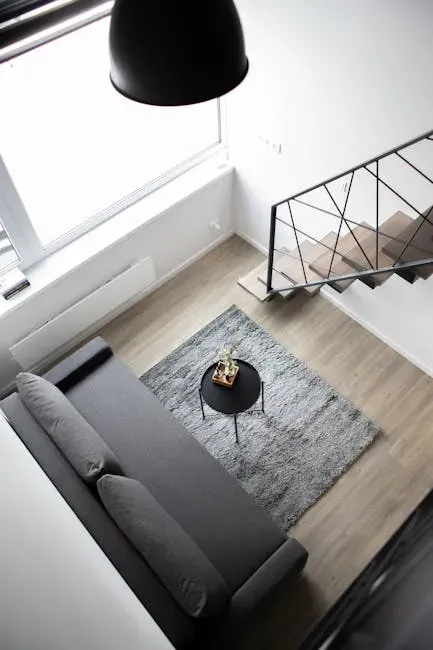
Designer Erin Gates makes one thing clear: tiny area rugs need to go. This design faux pas is still all too common. Making sure most furniture rests on the rug is important, and a bigger rug will actually make a space feel larger too. A rug that floats under only the coffee table while chairs sit on bare floor looks unresolved and can actually make guests feel less settled.
If a rug is too small, chairs will feel uneven or wobbly when in use, distracting guests from what matters. A too-small rug also makes any space look smaller and incomplete. It’s one of the most affordable fixes in interior design and one of the most consistently ignored.
6. Turning On the Television During Social Gatherings
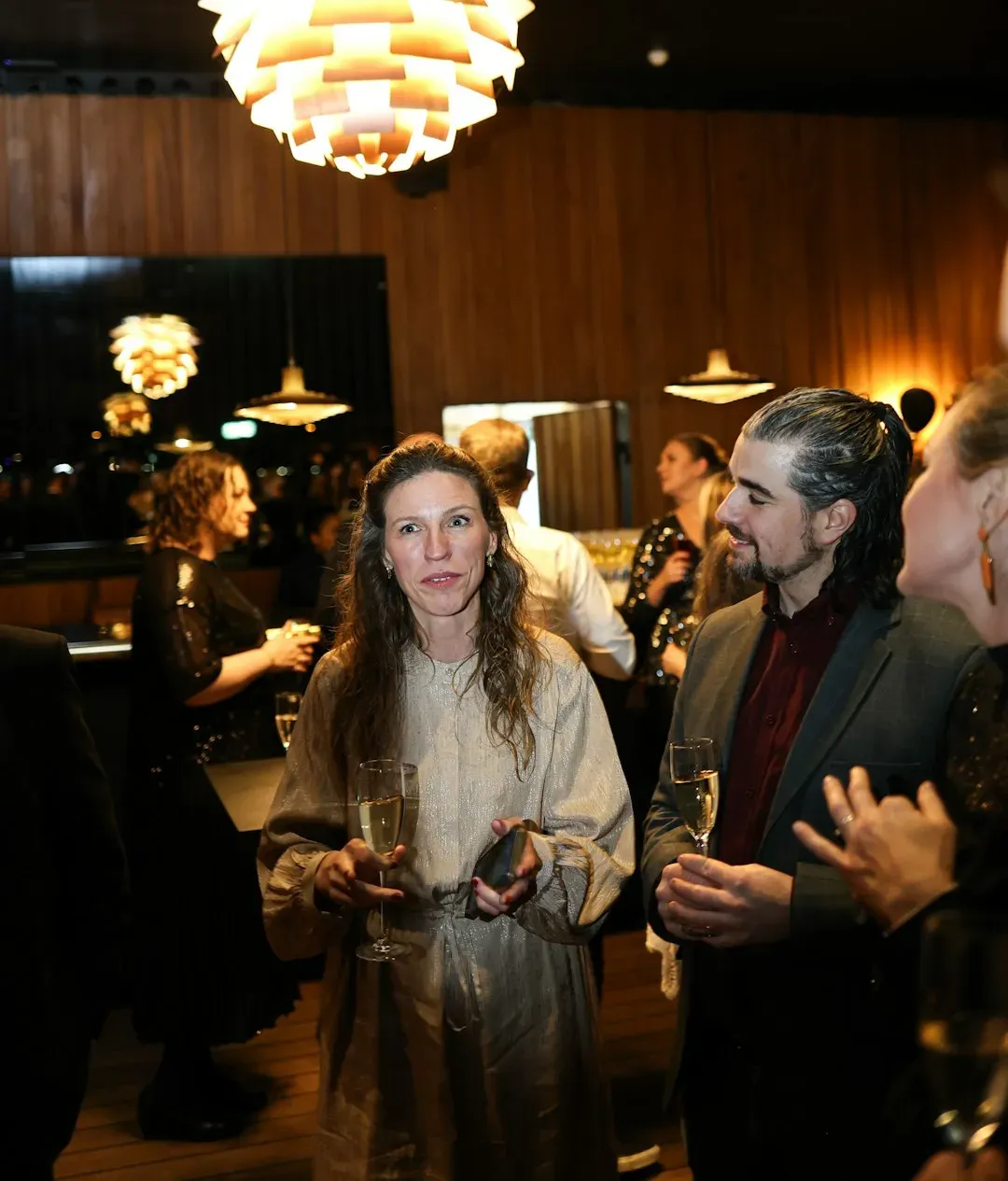
Unless a gathering is centered around the television in some way, like a Super Bowl watch party or a movie night, turning the TV on at all is a mistake. It takes away from the conversation and the intimacy of the get-together. Even muted, a screen in the corner draws eyes and subtly communicates that the space isn’t fully committed to the people in it.
Music can add ambiance to a gathering, but it can also create distraction. For a sit-down conversation-type event, music volume should be low enough that people can converse without shouting. The design of the sound environment matters just as much as the visual one. A thoughtful host sets both.
7. Overdoing the “Perfect” Theme at the Expense of People
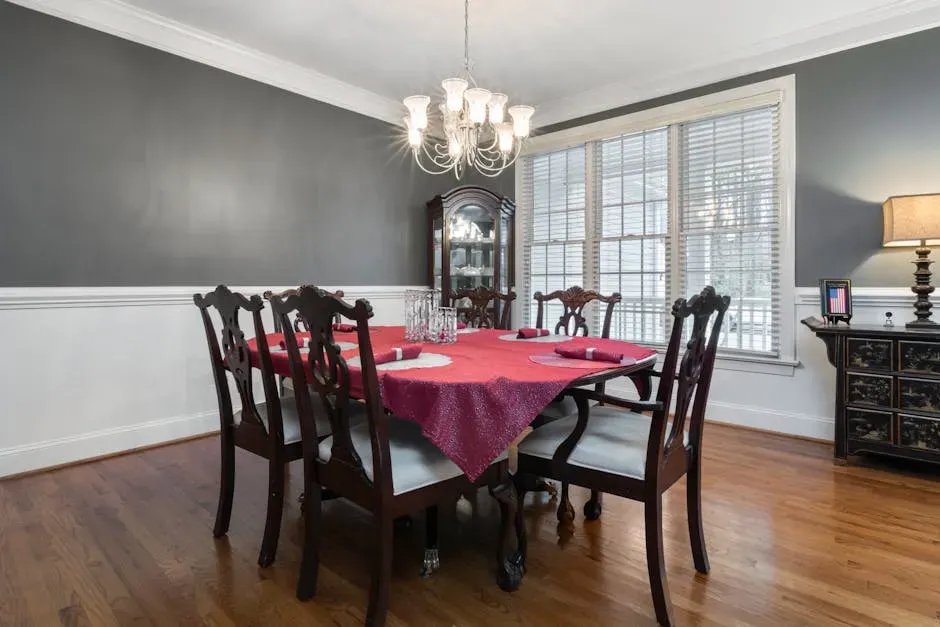
One of the biggest hosting issues is overdoing the “perfect” concept. When hosts get too locked into a theme, they can forget the actual point of the night: the people. A room that’s been staged to the inch, with every object aligned and every candle coordinated, often feels more like a showroom than somewhere guests can breathe freely.
Unless it’s a black-tie event, going overboard with fancy table settings, rigid arrangements, and strict visual rules can make guests feel extremely uncomfortable. If people are afraid to put their glasses down without a coaster, no one will ever be able to relax. Design should serve people, not the other way around.
8. Neglecting Comfortable and Sufficient Seating
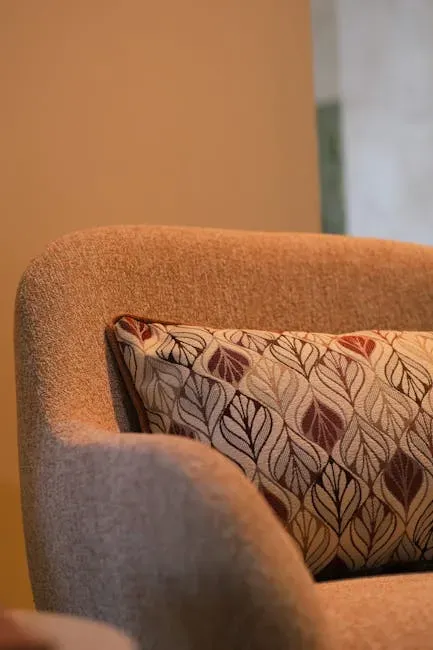
If chairs, sofas, and beds lack adequate support, guests will have an unpleasant experience. Poor furniture placement also creates cluttered or inefficient layouts, making spaces feel cramped or unwelcoming. Polite hosts think beyond aesthetics and ask a simpler question: will everyone who walks through the door actually have somewhere comfortable to sit?
It doesn’t matter how beautiful dining chairs look if no one actually wants to sit in them. While a beautiful but statuesque piece of furniture can be tempting, practicality is paramount when buying seating. Comfort matters especially for hosts who love to entertain. Stylish discomfort is still discomfort, and guests remember how their back felt long after they forget what the cushions looked like.
9. Skimping on Bedding and Towels for Overnight Guests
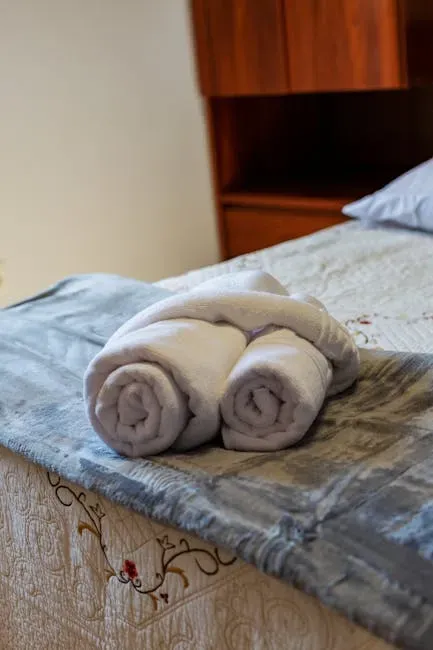
Skimping on bedding layers is a real comfort issue for overnight guests, especially in cooler months. Layering the bed with a sheet, quilt, duvet, and a cozy throw lets guests adjust according to their warmth preference. This way, guests are never left hunting for extra blankets. It’s a small effort that sends a clear message: someone actually thought about you before you arrived.
Towels are an often-overlooked element of guest comfort. Providing two of each type, including body towels, hand towels, and washcloths, means guests won’t have to request more or worry about running out. A well-stocked bathroom is a subtle but significant way to show hospitality. These practical touches cost very little and mean a great deal.
10. Apologizing for the Home’s Design Instead of Hosting
Perhaps the most relatable hosting mistake is apologizing for one’s home or decor. Guests notice far less than hosts think and don’t want to spend the evening reassuring them. They came for connection, not a home inspection. A host who constantly draws attention to what’s missing or imperfect shifts the mood from relaxed to apologetic, which makes everyone slightly uncomfortable.
Running a gathering like a tight schedule and constantly checking on everyone also works against the evening. Guests don’t want to feel supervised and will usually speak up if they need something. A relaxed host sets the tone faster than any tablescape ever could. Confidence in your space, whatever its imperfections, is one of the most disarming things a host can offer. The rooms guests remember warmly aren’t always the most polished ones.


Leave a Reply