
Something shifts when you stop commuting. At first it’s just the time you get back, the two hours a day that used to vanish into train seats and traffic. Then, slowly, a larger question emerges: if you can work from anywhere, why are you still paying a premium to live somewhere that doesn’t actually suit you? Everything changed after 2020. Companies realized that offices aren’t always necessary, and people discovered they could live where they truly want to be.
Remote work has turned out to be a long-term shift that gives professionals more freedom to choose where they live. In fact, the vast majority of workers want to work remotely at least some of the time, and nearly two thirds would even take a pay cut to do so, according to a 2024 report by StrongDM. The cities on this list are the ones where remote workers, consistently and across surveys, say they feel the difference most. Not just productive, but genuinely better.
1. Lisbon, Portugal
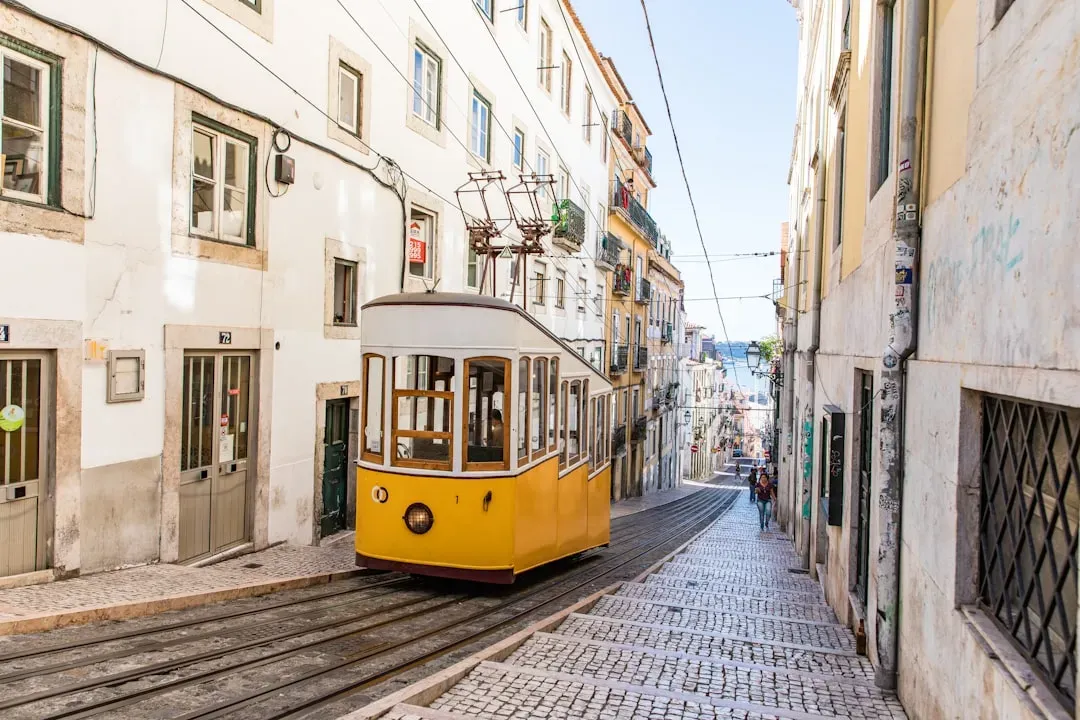
Lisbon has rapidly transformed into a global hotspot for digital nomads, solidifying its place as one of the best cities for remote workers. The city offers a magnetic blend of old-world charm, a vibrant tech scene, and an enviable quality of life, all at a cost that remains competitive for Western Europe. The Atlantic light, the trams, the neighborhood bakeries open at seven in the morning – these aren’t minor details. They’re the texture of a daily life that feels rich without being exhausting.
Being a well-developed western city, Lisbon offers high-quality internet, plenty of people speaking English, and a good number of coworking spaces. It offers great quality of life with good vibes and a mild climate, as well as being well-connected to the rest of the continent and beyond. Portugal has been a go-to destination for digital nomads for years, and in 2026 it remains one of the most appealing countries in Europe for remote workers, known for its mild climate, safety, welcoming culture, and high quality of life.
2. Chiang Mai, Thailand

Chiang Mai has been one of the world’s most established digital nomad hubs for more than a decade. Reliable internet, an active remote-work community, and a relatively low cost of living continue to make it one of the easiest places to base yourself while working online. The Nimman neighborhood in particular has become a kind of urban village for remote workers, lined with coworking spaces, laptop-friendly cafes, and the kind of street food that makes going back to a desk actually appealing.
Chiang Mai has been ranked the most affordable city in the world for digital nomads living on a monthly budget of $2,000, according to a February 2026 report. The northern Thai city allows remote workers to spend less than $1,000 on rent and living costs, leaving an estimated $1,021 in disposable income, more than any other city surveyed. The city’s cultural heritage is rich, with more than 300 temples, bustling markets, and festivals like Yi Peng and Songkran offering constant immersion.
3. Medellín, Colombia
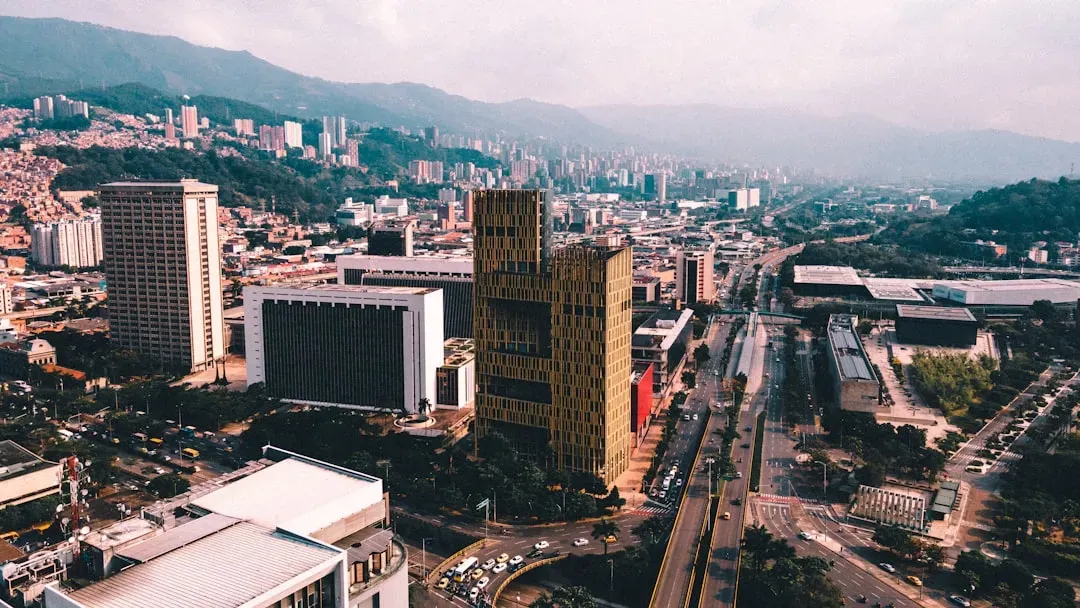
Medellín, Colombia has become one of the top destinations for digital nomads, thanks to its year-round spring-like climate, affordable cost of living, and strong remote work community. The city sits in an Andean valley at around 1,500 meters elevation, which gives it the endlessly cited “city of eternal spring” climate – comfortably warm, rarely humid, reliably pleasant. Known for this temperate climate year-round, the community is thriving with plenty of meet-ups and social events.
In 2025, this vibrant metropolis continues to attract digital nomads at an astonishing rate, with approximately 8,300 remote workers arriving each month, seeking the perfect blend of affordability, lifestyle, and connectivity. Medellín’s metro system, the only one in Colombia, connects seamlessly with cable cars that climb the mountainsides, providing both practical transportation and stunning views. This integration makes the entire city accessible without needing a car, a significant advantage for digital nomads.
4. Barcelona, Spain
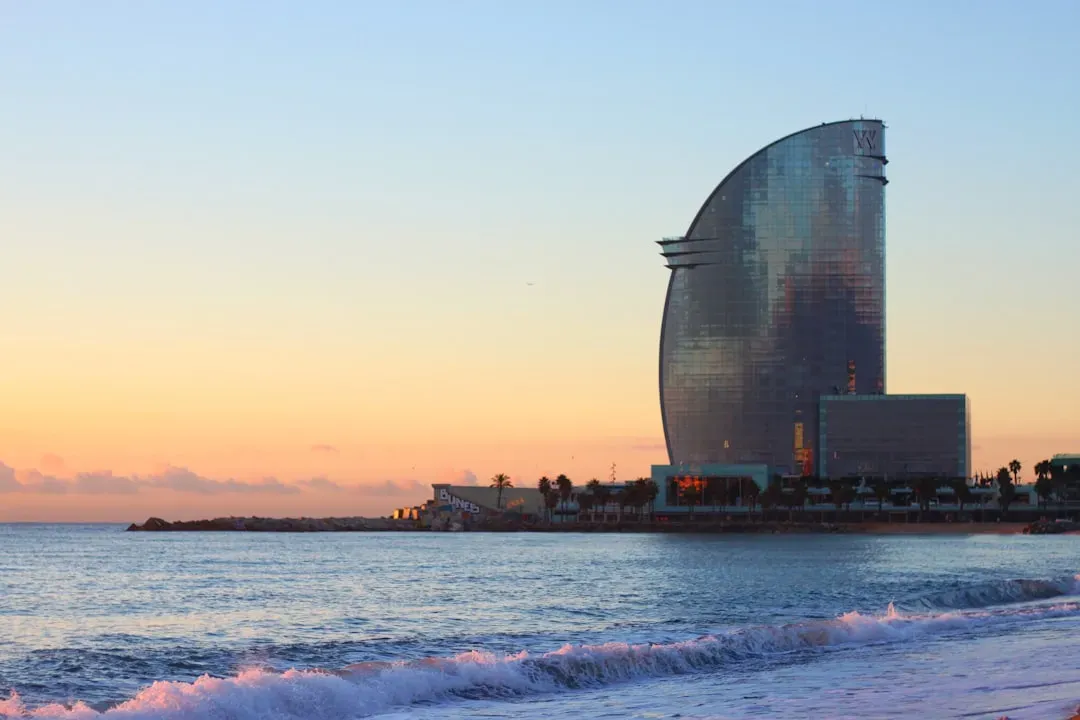
Barcelona presents a compelling mix of Mediterranean lifestyle and cosmopolitan energy, making it a perennial favorite among the best cities for remote workers. The city offers world-class urban infrastructure, a vibrant cultural scene, and beautiful beaches, all connected by reliable high-speed internet. Its appeal is rooted in the seamless blend of professional ambition with a relaxed, sun-drenched quality of life.
Spain offers a lifestyle that’s hard to beat for remote workers, with its warm climate, diverse cities, excellent healthcare system, and strong work-life balance. What truly sets Spain apart is its well-defined digital nomad visa, introduced as part of the country’s Startup Act. This visa gives remote professionals a clear legal pathway to live in Spain while working for foreign companies or running an online business. Barcelona’s Poblenou district, once industrial, has quietly become one of the most productive creative quarters in southern Europe.
5. Tbilisi, Georgia
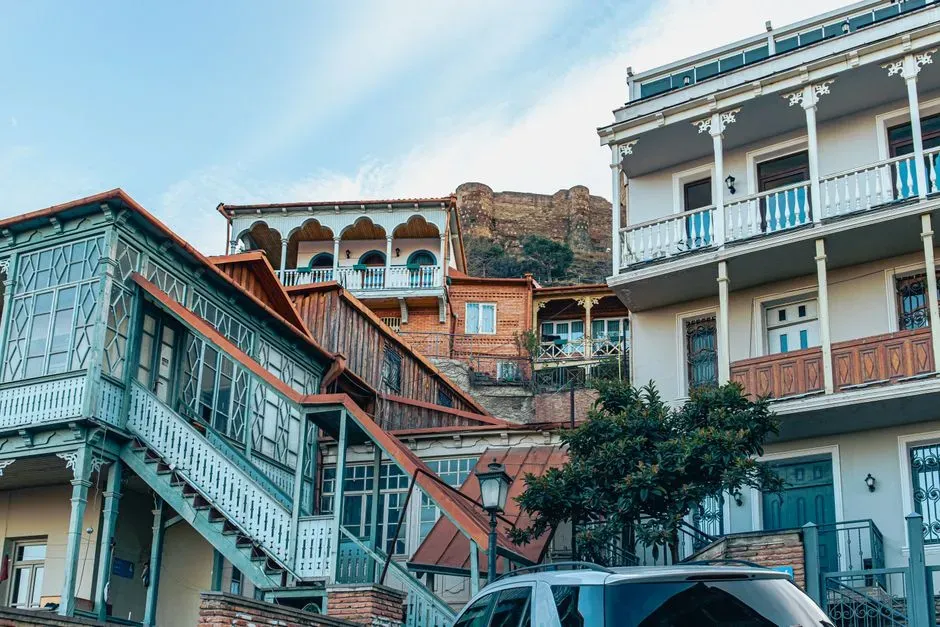
Tbilisi has become one of the easiest cities to start life abroad. It’s warm, friendly, and affordable. Plus, it’s easy to find housing and adapt, even for those relocating long-term for the first time. The old city is genuinely beautiful, with carved wooden balconies hanging over winding streets, and the food scene – khinkali, churchkhela, natural wine from the Kakheti region – is quietly one of the great underrated culinary traditions in the world.
Internet speeds run at 50 to 100 Mbps, faster in the center. The country offers visa-free stays of up to one year, with a “Remotely from Georgia” program also available. Located in the heart of the Caucasus, Tbilisi stands out for its visa-free extended stay, affordable prices, and strong sense of community. For remote workers who want something genuinely different from the standard nomad circuit, this city consistently rewards the decision.
6. Tallinn, Estonia
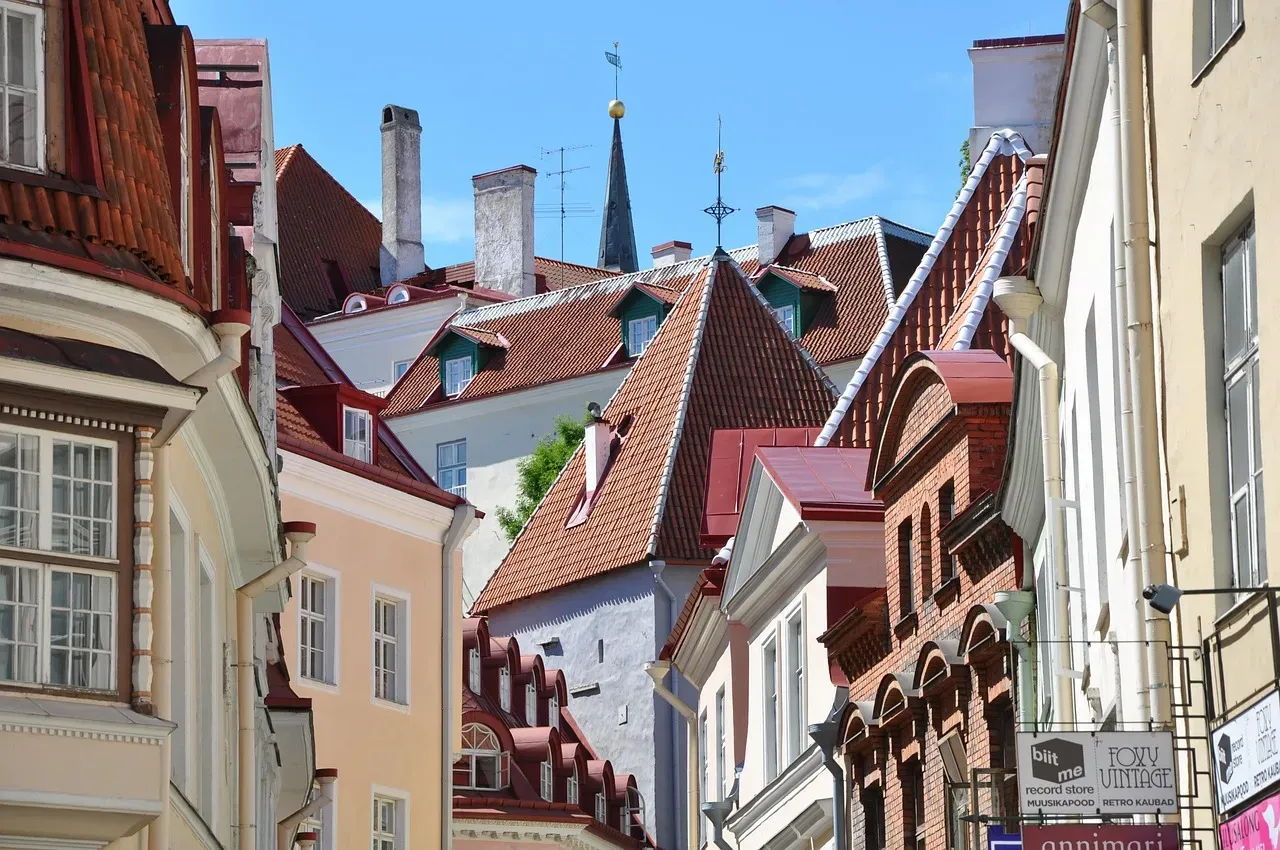
Tallinn offers an enchanting combination of old-world fairytale charm while being one of the most digitally advanced countries in the world. Estonia’s e-residency program is a pioneering project which, combined with its easy visa, makes it one of the top countries for digital nomads. Tallinn is also one of the safest cities in Europe while being affordable by continental standards.
Tallinn is a small city perched along the Baltic Coast and boasts a fairytale vibe in a neat little affordable package. Estonia feels very young, fresh, and forward-thinking. All the while, at its heart, is the capital – one of the best preserved medieval cities in the world. Tallinn beautifully blends old-world charm with a modern outlook. Winters are long and cold, which is worth knowing in advance. Summer, though, is mild and luminous in a way that surprises most first-time visitors.
7. Athens, Greece

Athens is one of the best European cities for digital nomads for those looking for a mix of grunge, culture, weather, and food. The city has plenty of beach options just a short train, bus, or ferry ride from the centre. Offering reliable high-speed internet, affordable cost of living, and easy access to great food, Athens offers everything from world-class museums to a vibrant cultural scene while still having that laid-back Mediterranean vibe. Plus, it has that year-round sunshine Southern Europe is famous for, so you can get your laptop out and work from a trendy rooftop café even in winter.
The cost of living remains notably lower than most Western European capitals, and Greece’s digital nomad visa, introduced in recent years, has made extended stays straightforward. The city’s density also works in its favor – neighborhoods like Exarcheia and Koukaki offer everything within walking distance, which matters more than people expect once the novelty of having no commute wears off.
8. Kuala Lumpur, Malaysia
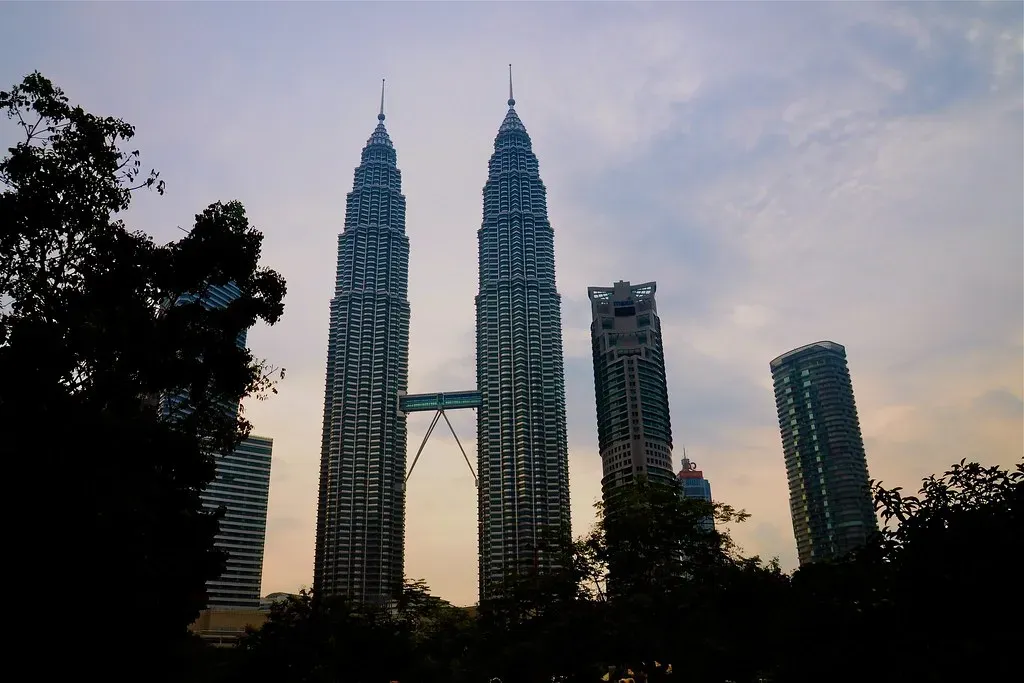
Malaysia’s Digital Nomad Visa offers remote workers a straightforward pathway to living in one of Southeast Asia’s most sophisticated and affordable countries. Kuala Lumpur delivers a world-class urban experience – modern coworking spaces, outstanding food, excellent healthcare, and seamless connectivity – at a fraction of the cost of comparable cities in the West. The country’s political stability, English proficiency, and cultural diversity further strengthen its appeal as a long-term nomad base.
KL tends to be overlooked in favor of flashier Southeast Asian destinations, which is arguably its greatest advantage. The infrastructure is genuinely excellent – reliable fiber internet, an efficient metro system, malls with serious coworking floors, and hospitals that international remote workers use without hesitation. Nearby Penang has also emerged as a top-tier destination for remote workers, offering an exceptional blend of affordability, rich cultural heritage, and modern infrastructure. The island, particularly its UNESCO World Heritage capital George Town, presents a unique proposition: a low cost of living combined with a high quality of life.
9. Dubai, UAE
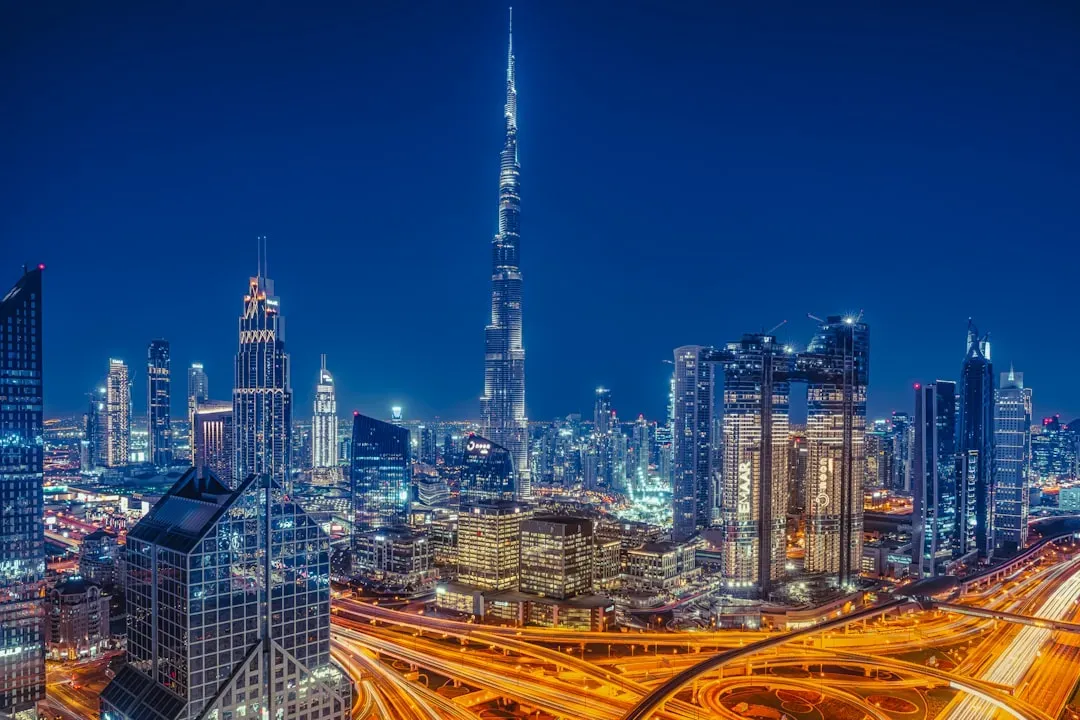
The United Arab Emirates, and especially Dubai, has quickly risen as one of the most attractive destinations for digital nomads, thanks to its world-class infrastructure, zero personal income tax, and modern lifestyle amenities. The UAE was ranked among the top destinations globally for remote workers, reflecting its strong pull as a base for professionals seeking both comfort and opportunity while working abroad in 2025 and 2026.
The country’s Virtual Working Programme allows individuals to live in the UAE while employed abroad, with access to one of the most connected, modern, and cosmopolitan cities in the world. Zero income tax, exceptional infrastructure, and a strategic time zone bridging East and West make it a top-tier choice for high-performing professionals. The cost of living is higher than most cities on this list, but for remote workers earning in dollars or euros, the financial math often makes sense.
10. Penang, Malaysia
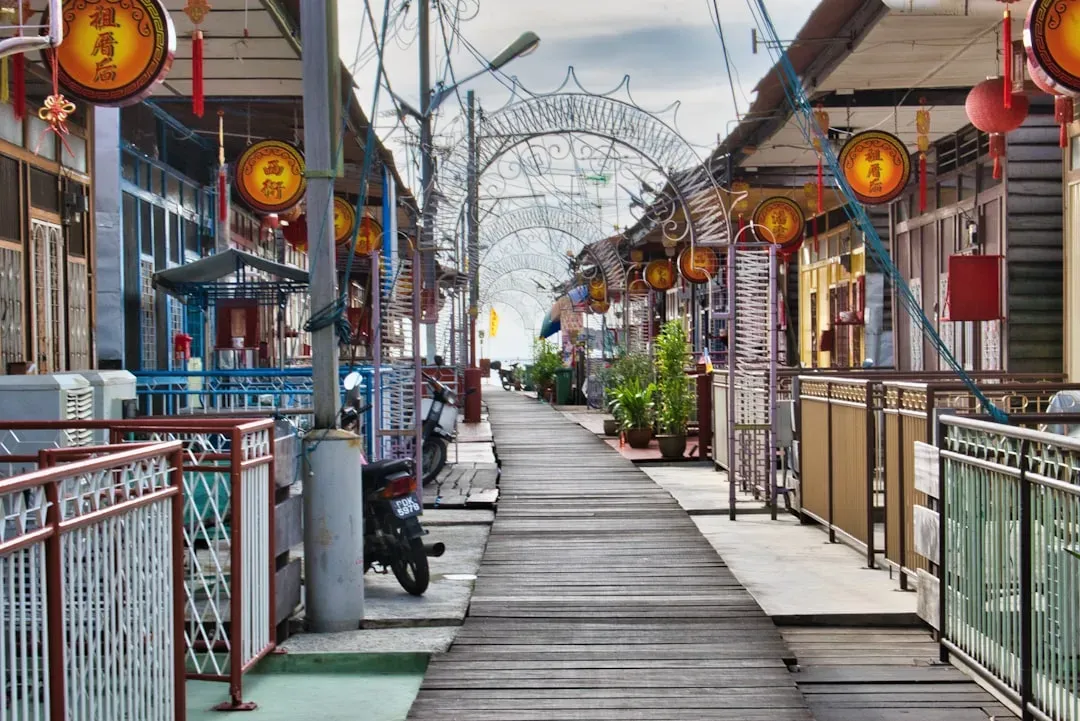
Penang has emerged as a top-tier destination for remote workers, offering an exceptional blend of affordability, rich cultural heritage, and modern infrastructure. The island, particularly its UNESCO World Heritage capital George Town, presents a unique proposition: a low cost of living combined with a high quality of life. Its multicultural tapestry of Malay, Chinese, and Indian influences creates a vibrant, welcoming atmosphere that makes it one of the best cities for remote workers in Southeast Asia.
George Town is also one of the finest street food cities anywhere on earth, which turns out to matter more to daily quality of life than most relocation guides acknowledge. The pace is slower than Kuala Lumpur, the streets are more walkable, and the local expat and nomad community has grown steadily without yet tipping into the overrun status that sometimes plagues more famous destinations.



Leave a Reply