
There’s a moment that happens to a lot of Americans somewhere in Europe. They’re sitting at a café in the afternoon light, watching life move at a different tempo, and they think: why am I going back? It’s not quite culture shock in reverse. It’s something quieter. A slow realization that another place might fit better.
Europe’s major cities still reign supreme when it comes to American travel preferences, but Americans are gradually getting more adventurous with their choices. What’s changed is the depth of commitment. Visiting is one thing. Staying is another. More and more Americans are doing both, drawn by cities that offer something the U.S. often can’t: walkability, history, affordable healthcare, and a pace of life that doesn’t feel like a race.
London: The Comfortable Gateway That Becomes a Trap (In the Best Way)

For the second year in a row, London is the most popular European destination among Americans travelling overseas during the festive season. The UK capital’s mix of winter lights, concerts, parties and world-class museums makes it a reliable favourite, especially for short trips. That reliability is a big part of the appeal. There’s no language barrier, the cultural references are familiar, and the city is staggering in scale.
According to ForwardKeys’ analysis, London remained one of the top four destinations from summer 2024, projected to stay among the most popular choices for US travellers in 2025. What surprises first-time visitors is how quickly London stops feeling foreign. The city is enormous and endlessly layered, with neighborhoods that feel like entirely separate worlds. Many Americans who plan a two-week stay find themselves extending it by months.
Paris: Still the One That Rewires You

Paris is officially the most visited city in Europe, narrowly having overtaken London in recent years, while France remains the most visited country in Europe overall. That dominance is no accident. Paris is genuinely singular in the way it presents culture, architecture, food, and daily life as a unified whole. You don’t consume Paris; you absorb it.
Americans crossing the pond have long preferred the United Kingdom first, with France taking the runner-up spot in overall European destination rankings. For Americans who stay longer, the city’s initial intimidation tends to give way to deep affection. The café culture alone rewires how people think about leisure. The French concept of taking time seriously changes most visitors in some way.
Rome: Where History Is Just the Backdrop

History, religion, and rich Italian culture collide in Rome, making it a must-visit for Americans craving deeper travel experiences. Between the Colosseum, the Vatican, and pizza on most corners, Rome feels like a movie set come to life. The remarkable thing about Rome is that its ancient ruins aren’t museum pieces. They’re just there, embedded in a living city, next to a pharmacy or a noisy intersection.
Italy boasted roughly two and a half million American visitors in a recent year, placing it firmly among the top European destinations for U.S. travelers. Those who fall hardest for Rome tend to be people who weren’t expecting to. They arrived for a few days and found themselves researching apartments. The food is part of it, obviously. So is the slower rhythm of evenings, long dinners, and the Italian art of doing nothing productively.
Lisbon: The City That Feels Like a Secret That’s Already Out

Whether living in Lisbon, Porto, Cascais or the Algarve, many Americans quickly adapt to the relaxed pace of life and strong community atmosphere that Portugal is known for. Lisbon, in particular, has a quality that’s hard to describe precisely. It’s a capital city that still feels human in scale. The hills are steep, the tiles are everywhere, and the Atlantic light makes everything look slightly golden in the afternoons.
Lisbon is rapidly emerging as a European tech and startup hub, particularly attractive for professionals in technology, fintech, and creative industries. That’s drawn a younger wave of Americans who aren’t just retirees looking for sun. Portugal consistently ranks in the top ten of the Global Peace Index, and violent crime is extremely rare, even in Lisbon and Porto at night. For Americans accustomed to navigating a more anxious urban environment back home, that combination of vibrancy and safety hits differently.
Barcelona: Culture, Coast, and the Life You Keep Postponing
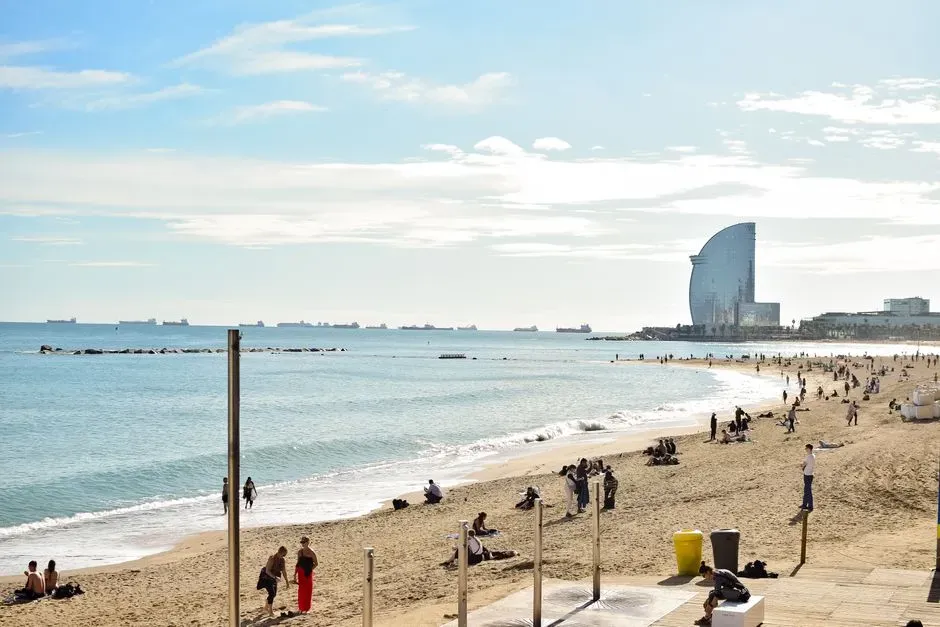
Madrid, Barcelona, Seville and Bilbao all boast large English-speaking expat communities, while the coastal city of Valencia is quickly gaining traction as a coveted spot, having ranked first in InterNations’ 2024 Quality of Life Index. Barcelona, though, occupies a special place in the American imagination. It’s the city that offers both beach and architecture within the same afternoon, where Gaudí’s buildings feel genuinely alien and the food market on Las Ramblas is a destination in itself.
More than 45,000 Americans are currently living in Spain, making it one of the most popular European destinations for U.S. citizens. Barcelona is where a significant portion of them land first. With a warm climate, accessible healthcare, affordable living, and stable society, Spain attracts retirees, remote workers, digital nomads, and investors alike. The city’s energy is hard to replicate. Dinner at nine in the evening is just a normal Tuesday.
Porto: The Understated Rival That Wins You Over Quietly

Living in Porto offers a slightly slower pace of life than Lisbon while maintaining all the benefits of a major city. Known for its architecture, food scene, riverside atmosphere, and growing creative community, Porto has become increasingly popular among expats looking for a more affordable alternative to Lisbon. It’s a city where the differences between neighborhoods are felt rather than explained. The wine cellars across the river in Vila Nova de Gaia, the bookshops, the azulejo tile facades.
Berlin and Porto are each expected to climb in rankings of American-visited European cities, driven by forecast visitor growth of around nine percent for Porto. That momentum is visible on the ground. The cost of living is more affordable than in busy Lisbon, and a two-bedroom apartment in Porto can range considerably depending on neighborhood and proximity to the city center. Americans drawn to the idea of Portugal but priced out of Lisbon’s central neighborhoods increasingly find that Porto gives them more, for less.
Amsterdam: The City That Treats You Like an Adult
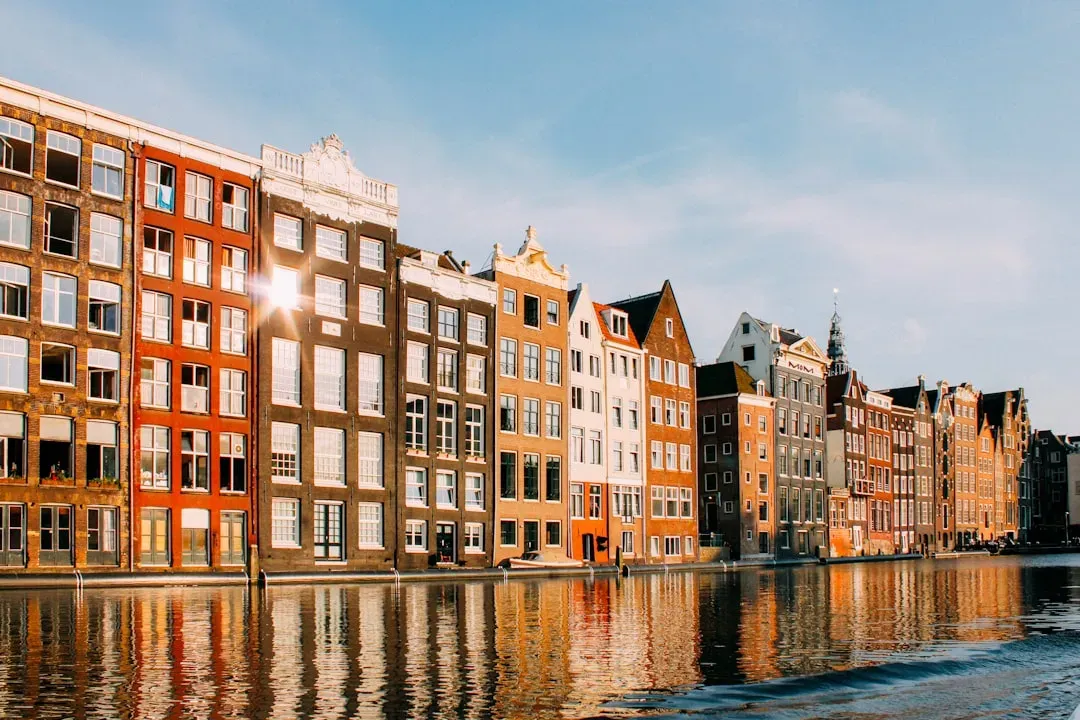
With its storybook canals, walkable neighborhoods, and welcoming vibe, Amsterdam is high on the list for Americans. It’s easy to navigate, filled with museums, and has a laid-back atmosphere that makes it great for first-time or solo travelers. There’s something about Amsterdam that feels fundamentally different from American urban life. The cycling infrastructure, the canal houses leaning at slight angles, the general assumption that you can figure things out without constant signage.
Amsterdam is especially popular with international crowds, with its picturesque canals, historic architecture and relaxed vibe drawing a large international community, while robust expat communities also exist in larger cities such as Rotterdam and Utrecht. For Americans who stay, the country offers excellent public transportation, widespread English, and an entrepreneur-friendly environment. The DAFT visa allows Americans who are self-employed to live and work in the Netherlands by registering a business and depositing a modest sum into a business bank account.
Vienna: The Livable City That Rarely Disappoints
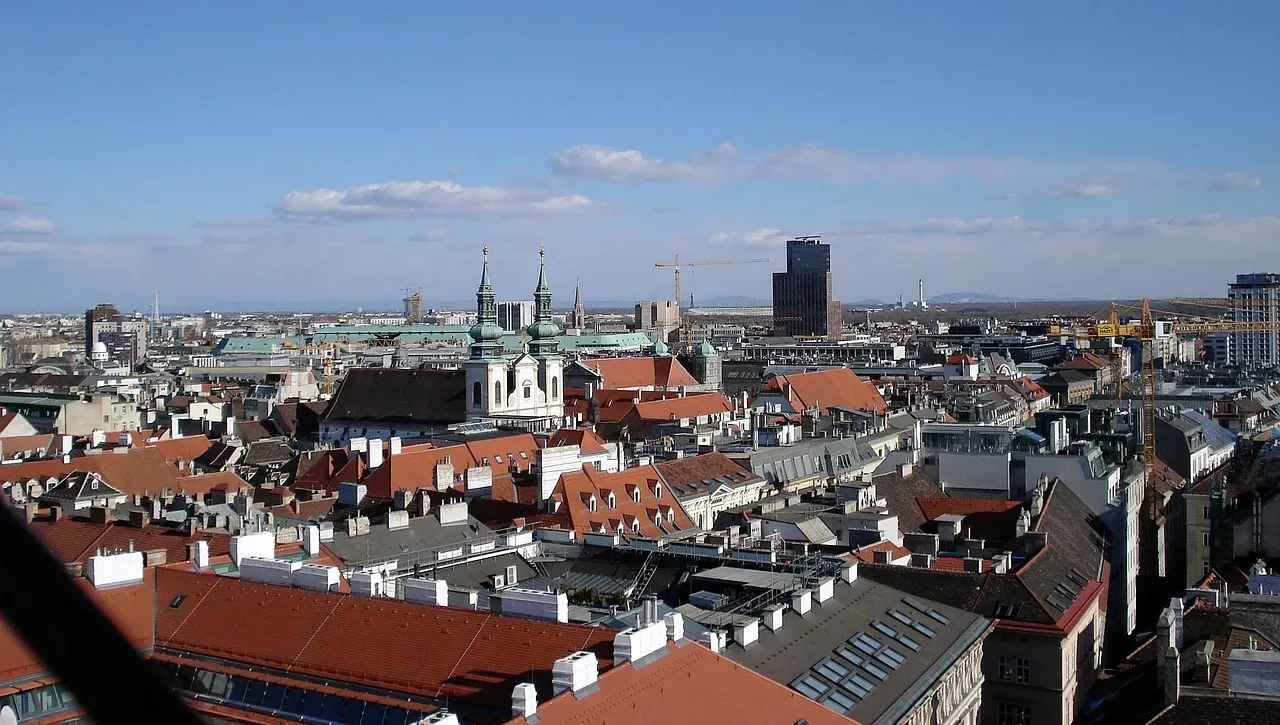
Vienna is constantly a top contender for the most livable city in Europe, so it’s no surprise it’s a major tourist destination. Vienna’s mix of Art Nouveau, Gothic, and Baroque architecture makes it one of the most beautiful cities in the world. What Americans often find surprising is how functional it all is. The beauty isn’t ornamental. Vienna is a city where the coffee houses double as working spaces, the public transit is superb, and the opera is genuinely affordable.
Vienna has gained significant ground in American travel rankings, with Americans discovering its historical Christmas markets, classical music concerts and proximity to some of the best ski resorts in Europe. Cities like Zurich, Vienna, and Helsinki consistently rank among the safest in the world, with low crime rates and strong infrastructure, topping 2026 lists alongside Copenhagen and Oslo. For Americans who want European grandeur with German efficiency and a Viennese sense of pleasure, this is often the city that converts skeptics into devotees.
Florence: The City That Rated Highest of All

Florence was the best-rated European city by readers of a major U.S. travel magazine in 2024, scoring over 90 out of 100 points. Cities were rated based on sights, landmarks, culture, food, friendliness, shopping, and value, and Florence topped them all. That’s a remarkable result for a mid-sized Tuscan city competing against capitals that have airports ten times its size.
Italy offers a deeply rooted way of life that prioritizes family, food, and beauty. It’s a destination for Americans seeking culture, connection, and countryside. The quality of life, access to healthcare, and affordability in southern regions make Italy an ideal place to settle down. Florence specifically delivers that in concentrated form. The Uffizi, the Arno at dusk, leather workshops a street away from Renaissance piazzas. It’s a city that converts visitors into romantics, often permanently.
Copenhagen: The Rising Star With Staying Power
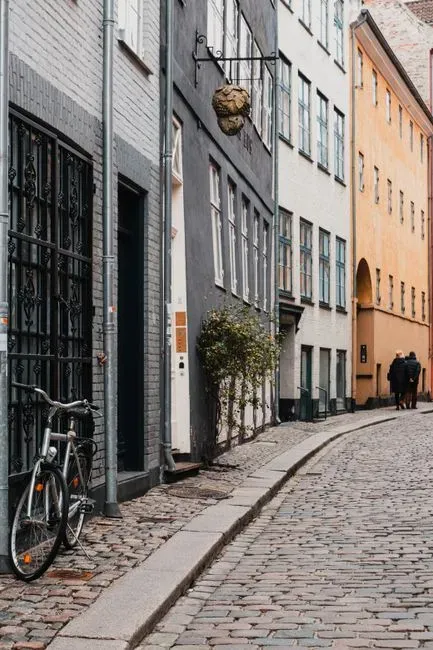
Copenhagen has entered the top twenty of American travel rankings, and while Americans often know Denmark’s capital as the home of the Little Mermaid, it’s also a magnet for food lovers, boasting several of the world’s most acclaimed restaurants, with a cosy side of Nordic winter charm. What the city offers beyond the food scene is a kind of civic calm that Americans find genuinely startling. Clean streets, excellent design, reliable infrastructure, and a society that functions with a quiet confidence.
Helsinki and Copenhagen are predicted to attract significantly more US tourists, with Helsinki seeing notably strong forecast growth in American arrivals. The Nordic countries are no longer just bucket-list destinations. The Netherlands ranked sixth in Gallup’s 2024 World Happiness Report, and the broader Scandinavian region performs similarly well. For Americans willing to deal with higher prices, Copenhagen offers something increasingly rare in major cities: the sense that a place is genuinely working.
What all these cities share, beyond the obvious draws of history and food, is a quality of life that begins to feel irreplaceable once you’ve tasted it. According to the 2024 Global Peace Index, most European nations rank within the top 40 most peaceful countries in the world, and for many Americans, this contrast underscores Europe’s reputation for safer, more predictable living environments. That’s not a minor detail. It’s the thing people keep mentioning when asked why they stayed.





Leave a Reply