
There’s a certain romance to a century-old home with original crown molding, wide-plank floors, and a porch that looks like it was designed for slow Sunday mornings. It’s the kind of property that makes people abandon their spreadsheets and trust their feelings. That pull is real, and it’s also where the trouble usually starts.
What buyers rarely see coming isn’t the renovation itself – it’s the financial layers that sit quietly underneath it. Owners often underestimate the hidden challenges that can significantly impact project budgets. While the charm and character of an older property are undeniable, renovating it requires careful planning, specialized knowledge, and an understanding of the unexpected costs that tend to emerge along the way. Here are six of the most financially painful surprises waiting behind those beautiful old walls.
The Foundation and Structure Problem Nobody Warned You About
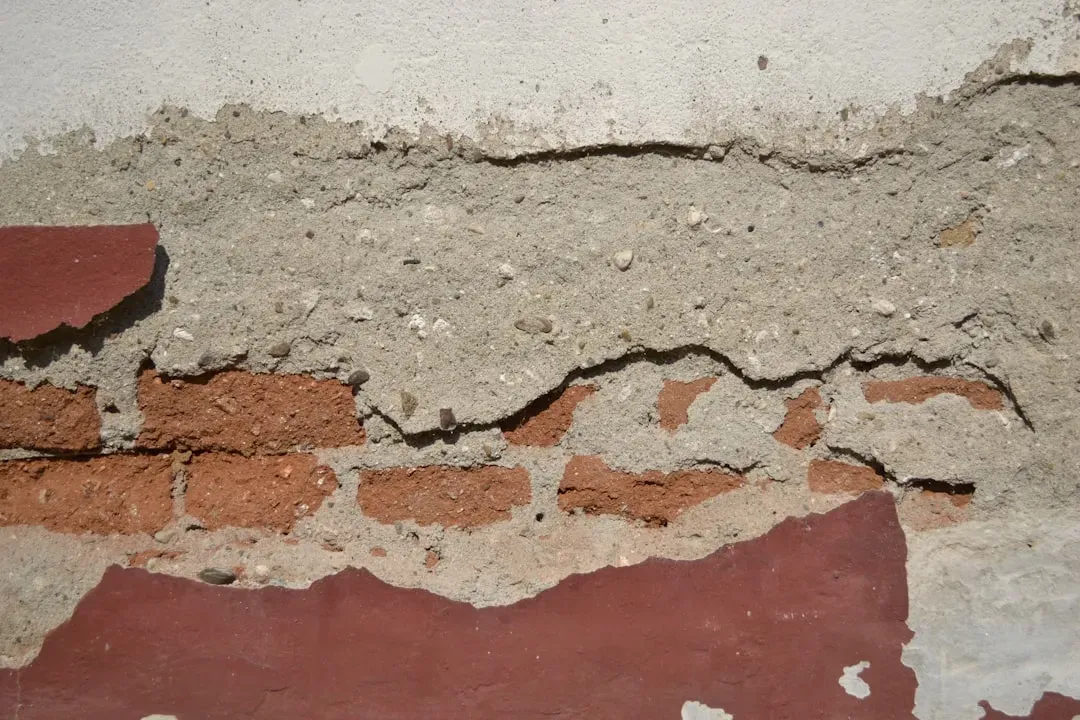
Before any cosmetic changes, the integrity of the home’s foundation and structure must be assessed. Many older homes were built on stone foundations or with less robust framing by today’s standards. Signs of issues include sagging floors, visible cracks in plaster, or uneven door and window frames. These clues can look charming in listing photos. In reality, they’re red flags pointing toward expensive work.
Addressing foundation problems can be one of the most significant expenses in a historic renovation, ranging anywhere from ten thousand to fifty thousand dollars for localized repairs, and potentially well over one hundred thousand dollars for extensive full foundation replacement or stabilization. Hidden damage behind walls or beneath floors is a frequent discovery in historic renovations. These structural surprises – which can include issues like rot, foundation problems, or inadequate framing – may add twenty to thirty percent to your original budget.
The Hazardous Materials Bill That Shows Up After You’ve Already Closed

Older homes may have asbestos, lead paint, or structural issues that aren’t apparent until work begins, potentially adding thousands to your budget. For homes built before 1978, this isn’t a remote possibility – it’s practically guaranteed. Pre-1978 homes with lead paint often have asbestos too. Both require containment and hazmat disposal. The two problems frequently travel together, which compounds the cost.
During lead removal abatement, it’s common for a professional to discover asbestos, water damage, insect infestations, and radon gas. The cost to remove asbestos by the best asbestos removal companies will add to the overall bill. Standard homeowners insurance does not cover any kind of lead remediation, focusing instead on sudden, unpreventable events like fires and theft. Many insurance companies will specifically exclude lead paint removal, since it tends to be an expensive and unavoidable project. That means every dollar of this work comes straight out of your pocket.
Historic District Permits: The Slow, Expensive Layer of Red Tape
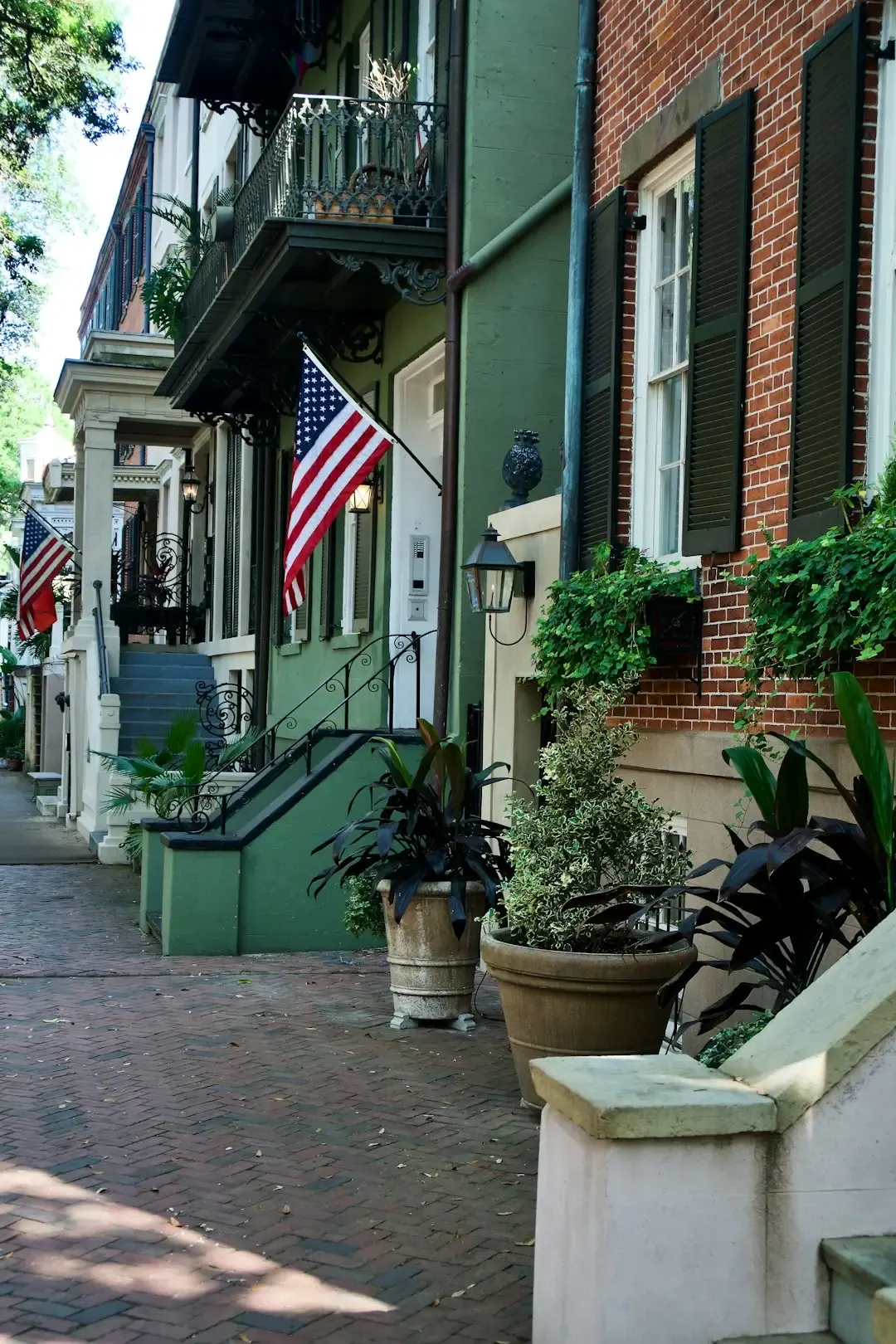
Buying a home inside a designated historic district means accepting that you don’t fully control your own renovation. Historic homes often come with strict regulations. Local ordinances may dictate renovation standards. Homeowners should become familiar with these guidelines. Failing to comply can lead to costly fines and setbacks. Something as routine as replacing a window can require architectural drawings, material samples, and a formal review board meeting.
Depending on the property’s location, it may be subject to local or state historic preservation laws. This often requires preservation consultant fees, special permits, and multiple plan reviews. For homes in certain heavily regulated areas, extensive oversight is common, adding ten to fifteen percent to overall costs and potentially delaying construction by several months. Navigating the permit process without a clear roadmap can result in costly delays, rejected applications, or even fines. Those delays aren’t just annoying. They carry a real dollar cost every single day.
The Carrying Costs That Keep Draining Money While You Wait

Most buyers budget for the renovation. Far fewer budget for the months they spend paying for a property they can’t live in yet. Renovation delays have real costs: carrying costs on a mortgage or construction loan, lost rental income on an investment property, temporary living expenses if you have vacated the property, and materials price changes if delays push procurement into a different cost environment. These aren’t edge cases – they’re common for historic projects.
Historic renovations typically run six to twelve months, versus three to six for a standard renovation. Historic review adds two to six months upfront. Renovation delays have real costs: carrying costs on a mortgage or construction loan, temporary living expenses if you have vacated the property, and materials price changes. If you have a construction loan with an interest reserve, every day of delay is using that reserve. If you are paying a mortgage on a property you are not living in, every day of delay is paying for nothing.
Specialized Labor and Historically Accurate Materials Cost Significantly More

Historic homes, especially, may be more costly to fix. For one thing, you’ll need to invest in historically accurate materials to maintain the house’s integrity. You’ll also need to pay for specialized labor and undergo stricter permitting procedures. A standard contractor who’s never worked with plaster walls, old-growth timber, or period-specific millwork can do more damage than good – and their mistakes cost extra to fix.
Historical renovation projects typically range between one hundred and three hundred dollars per square foot, depending on the scope and complexity. This means total project costs often fall between one hundred fifty thousand and four hundred fifty thousand dollars for a standard-sized home. Materials and labor costs are still elevated. Inflation may have cooled since the pandemic, but home renovation prices remain high. Lumber, roofing materials, and skilled labor all come at a premium. When you add the historic specificity requirement on top of that, the gap widens further.
The Budget Overrun That Was Always Going to Happen

Even experienced renovators consistently spend more than they plan when dealing with historic properties. The 2024 Renovation Survey from Houzz found that nearly four in five homeowners said their final costs were higher than what they had originally planned. The average overrun was twenty-seven percent. That’s not the result of carelessness – these people did plan ahead. They got inspections, hired professionals, and made detailed budgets. The extra costs happened anyway.
Approximately a third of major issues discovered during renovation were not identifiable during the pre-purchase inspection. Not because the inspector was incompetent, but because the issues weren’t visible or accessible without invasive investigation. There are always hidden surprises: unforeseen structural damage, lead paint, asbestos, or previous questionable repairs by less scrupulous owners. Always allocate a contingency fund of at least fifteen to twenty percent of your total project budget. For a project estimated at two hundred thousand dollars, that means having an extra thirty thousand to forty thousand dollars readily available. Historic fixer-uppers don’t just require a contingency fund. They tend to consume it entirely.




Leave a Reply