
Tulsa, Oklahoma
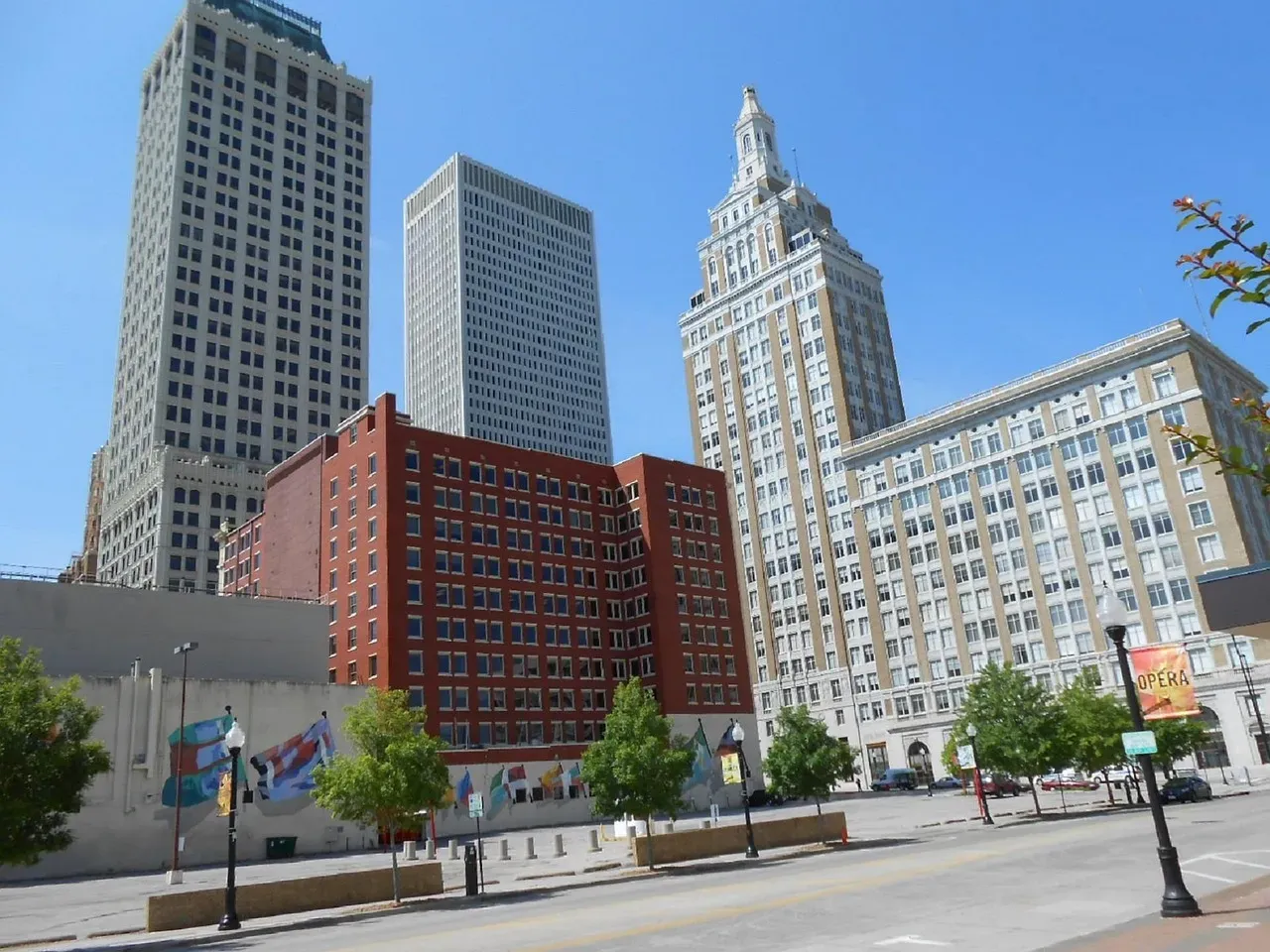
Tulsa has quietly become one of the more compelling relocation stories in the country. Tulsa is arguably the most surprising city in America right now, with a median home price under $185,000 and a median rent of roughly $900 for a one-bedroom, making it one of the last truly affordable cities with genuine urban amenities. That kind of pricing is almost unthinkable in most metro areas with a comparable arts and food scene.
Part of the reason Tulsa keeps showing up on relocation lists is deliberate recruitment. The Tulsa Remote program, which pays qualifying remote workers $10,000 to relocate, has brought thousands of high-earning professionals, fueling restaurant openings, art galleries, and a renovation wave in neighborhoods like the Brady Arts District and Kendall-Whittier. For a single adult, monthly costs in Tulsa run around twenty-seven eighty a month, with median home prices sitting near one eighty-five thousand, roughly half the national median.
Pittsburgh, Pennsylvania
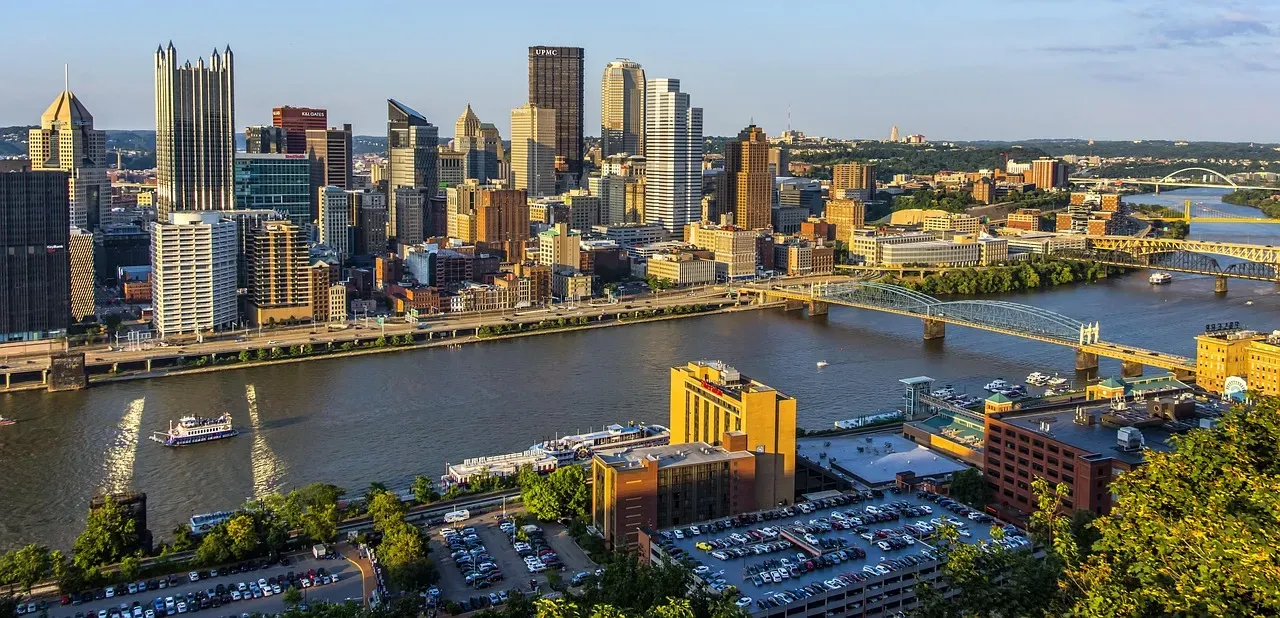
Pittsburgh doesn’t get talked about the way Austin or Nashville do, but the numbers make a strong case for it. Pittsburgh is the most affordable big city in 2026, with a median home price of $250,000, which is more than $150,000 less than the national median. That’s a significant gap for a city with real universities, hospital systems, and a genuinely revitalized downtown core.
What Pittsburgh offers isn’t a boomtown feel so much as stability. The former steel city has spent years rebuilding its economy around healthcare, robotics, and education, and the housing math hasn’t caught up with that transformation yet. For buyers priced out of larger East Coast cities, that lag is exactly the opportunity.
Detroit, Michigan
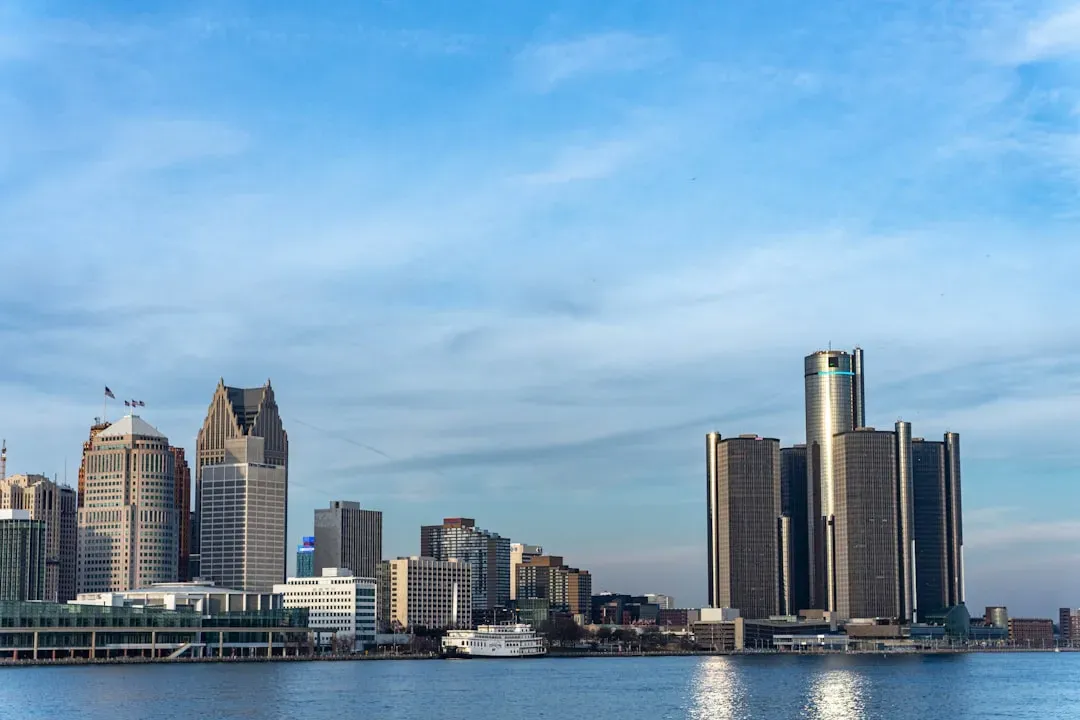
Detroit’s reputation still lags behind its actual affordability profile. Detroit is the most affordable major city in the U.S., with the typical local spending just 24% of their income on housing compared to 36% nationwide. That’s a meaningful cushion for anyone trying to build savings instead of handing most of a paycheck to a landlord.
Detroit’s downtown and Midtown corridors have seen real reinvestment over the past several years, with restored buildings, new restaurants, and a growing arts presence. The city carries a complicated history, and pockets of it still show the effects of decades of population loss. Still, for people willing to look past outdated assumptions, the combination of low housing costs and cultural depth is hard to match.
Buffalo, New York
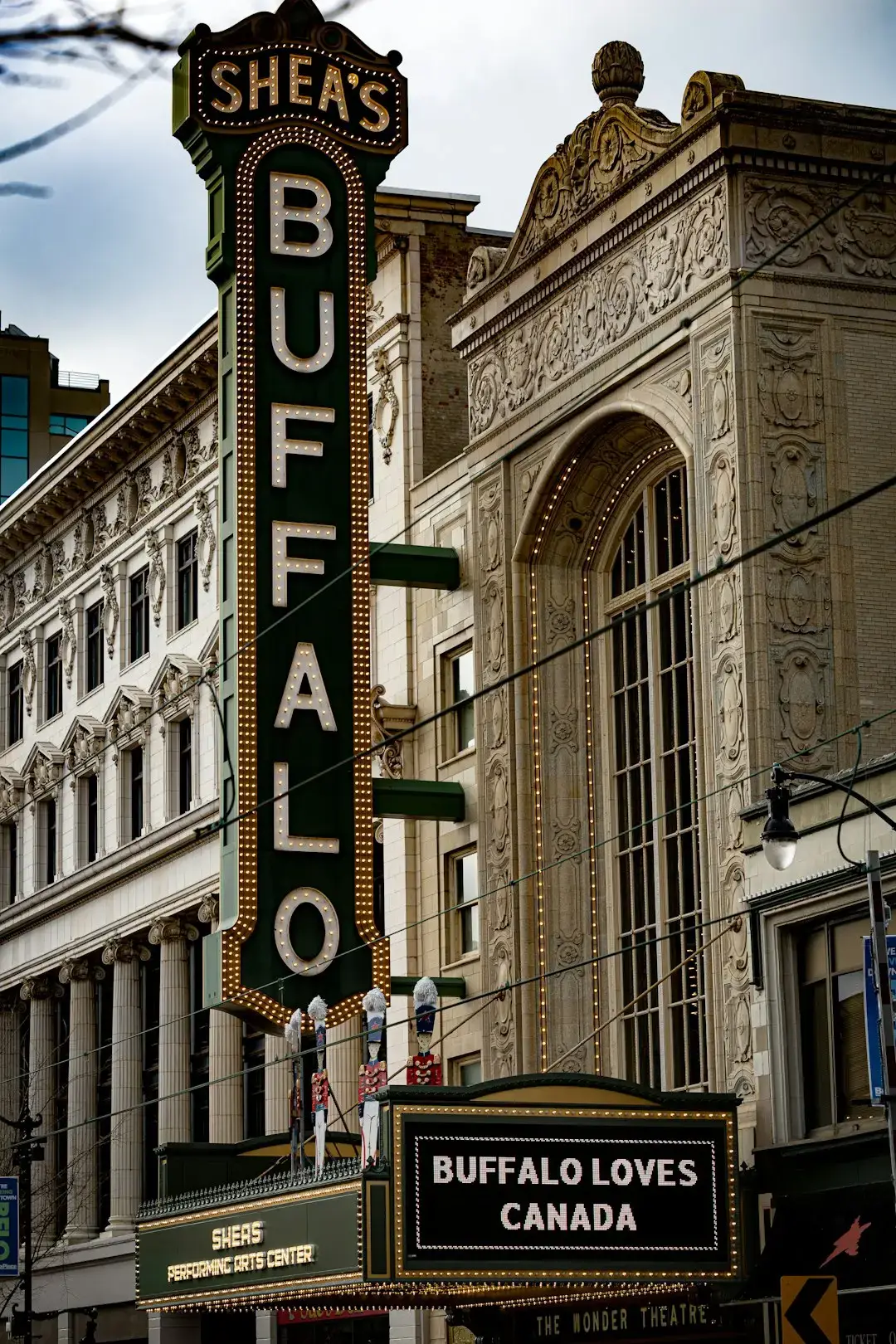
Buffalo tends to get filed under “cold winters” and not much else, which undersells what the city actually offers. Housing there runs well below both state and national norms, and the gap is large enough to change what someone can afford without changing their income. Nickel City, as locals call it, has held onto affordable pricing even as much of Upstate New York has crept upward.
The city’s architecture, its Frederick Law Olmsted-designed park system, and its proximity to Niagara Falls give it more going for it than the stereotype suggests. Winters are genuinely long, and that’s worth being honest about upfront. For people who don’t mind snow, the tradeoff in cost of living is substantial.
Cedar Rapids, Iowa
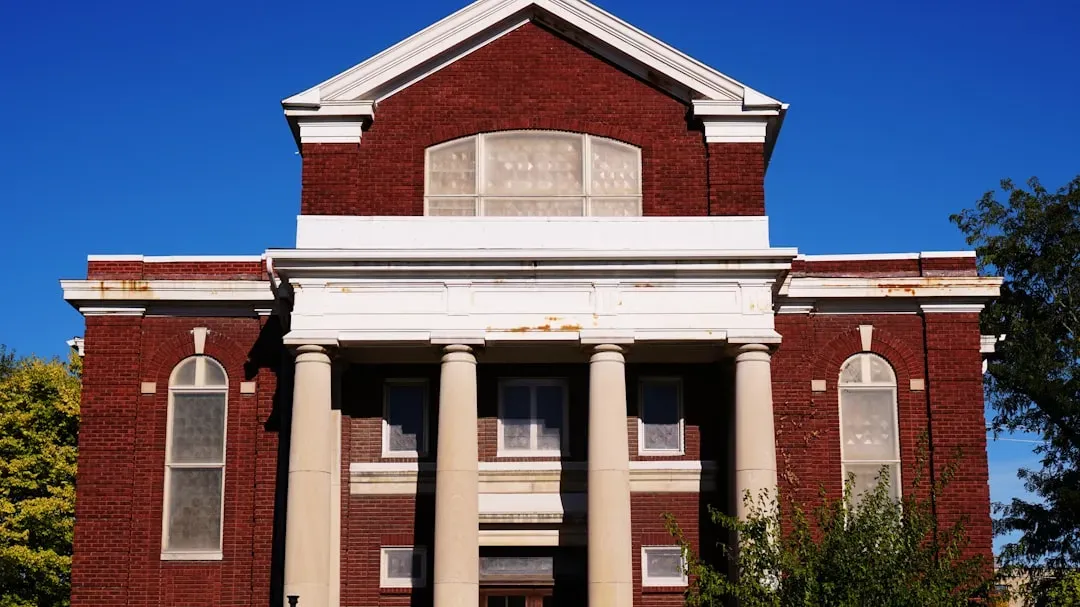
Cedar Rapids rarely comes up in relocation conversations, yet it ranks respectably on national livability measures. Sitting at No. 60 in the Best Places to Live list and No. 15 for medium-sized cities is Cedar Rapids, also known as the City of Five Seasons. The nickname refers to the extra season locals claim they get thanks to an unusually short commute, which frees up time most city dwellers never get back.
The affordability picture here is striking. The city scored in the top 2% in the value category due to its affordability, with home prices well below the national average at $174,452 compared with $370,489 nationally. It’s also, somewhat unexpectedly, the largest corn-processing city in the world, playing a major role in the agricultural economy.
Columbus, Ohio
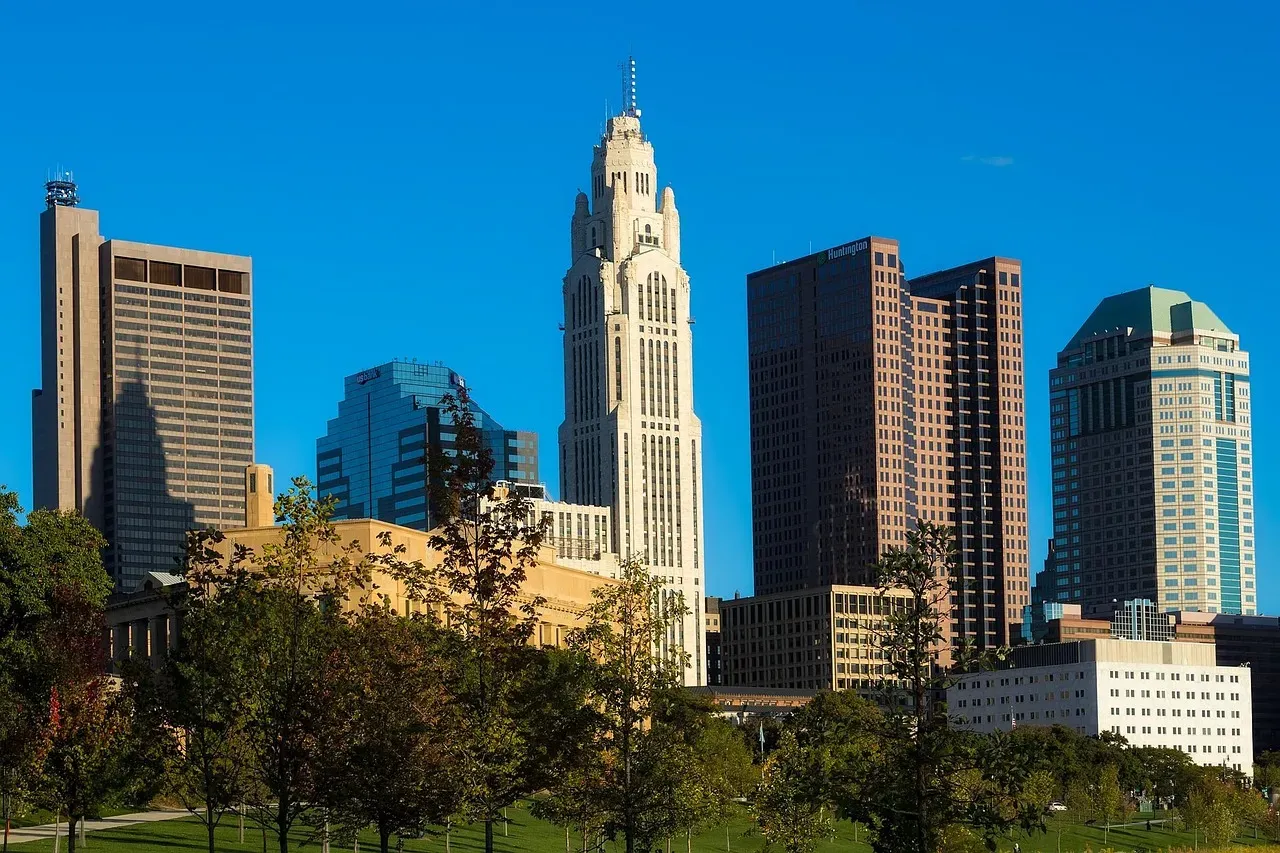
Columbus is an odd case of a city that’s simply too big to still be called underrated, yet somehow remains exactly that. Columbus is the 14th-largest city in the United States and somehow still underrated, with a 2024 population that exceeds 950,000, making it larger than San Francisco. Most people outside the Midwest would guess that backward.
The economic momentum behind Columbus is tied to one enormous project. Intel’s $28 billion chip manufacturing complex under construction in nearby New Albany, Ohio, is projected to create 7,000 direct jobs, and that demand will push wages up without instantly wrecking rents. On the housing side, the median home price in Franklin County hovers near $255,000, with neighborhoods like Clintonville, Merion Village, and Grandview Heights offering renovated craftsman homes in the $250,000 to $380,000 range.
Boise, Idaho
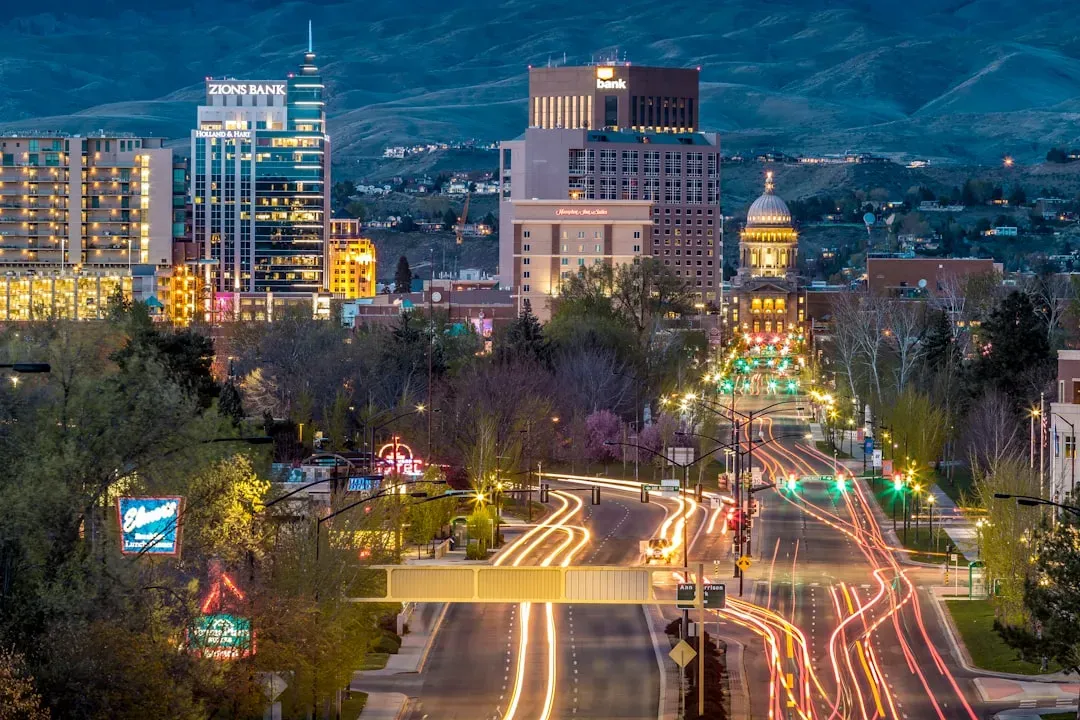
Boise has been “discovered” more than once, yet it still doesn’t get the credit its numbers deserve. Idaho is the #2 fastest-growing state by percentage, behind only South Carolina, and Boise as the state’s largest city captures the majority of that growth. The pull isn’t a mystery once you look at what’s on offer.
Boise pairs outdoor access with real job stability. The city’s appeal includes outdoor recreation access to the Sawtooth National Recreation Area, Bogus Basin ski area, and the Boise River Greenbelt within city limits, along with a technology job market anchored by Micron Technology and HP, and housing that remains meaningfully cheaper than comparable Pacific Northwest cities like Seattle and Portland. A compact, walkable downtown ties the whole package together in a way that larger tech hubs rarely manage anymore.
Tucson, Arizona
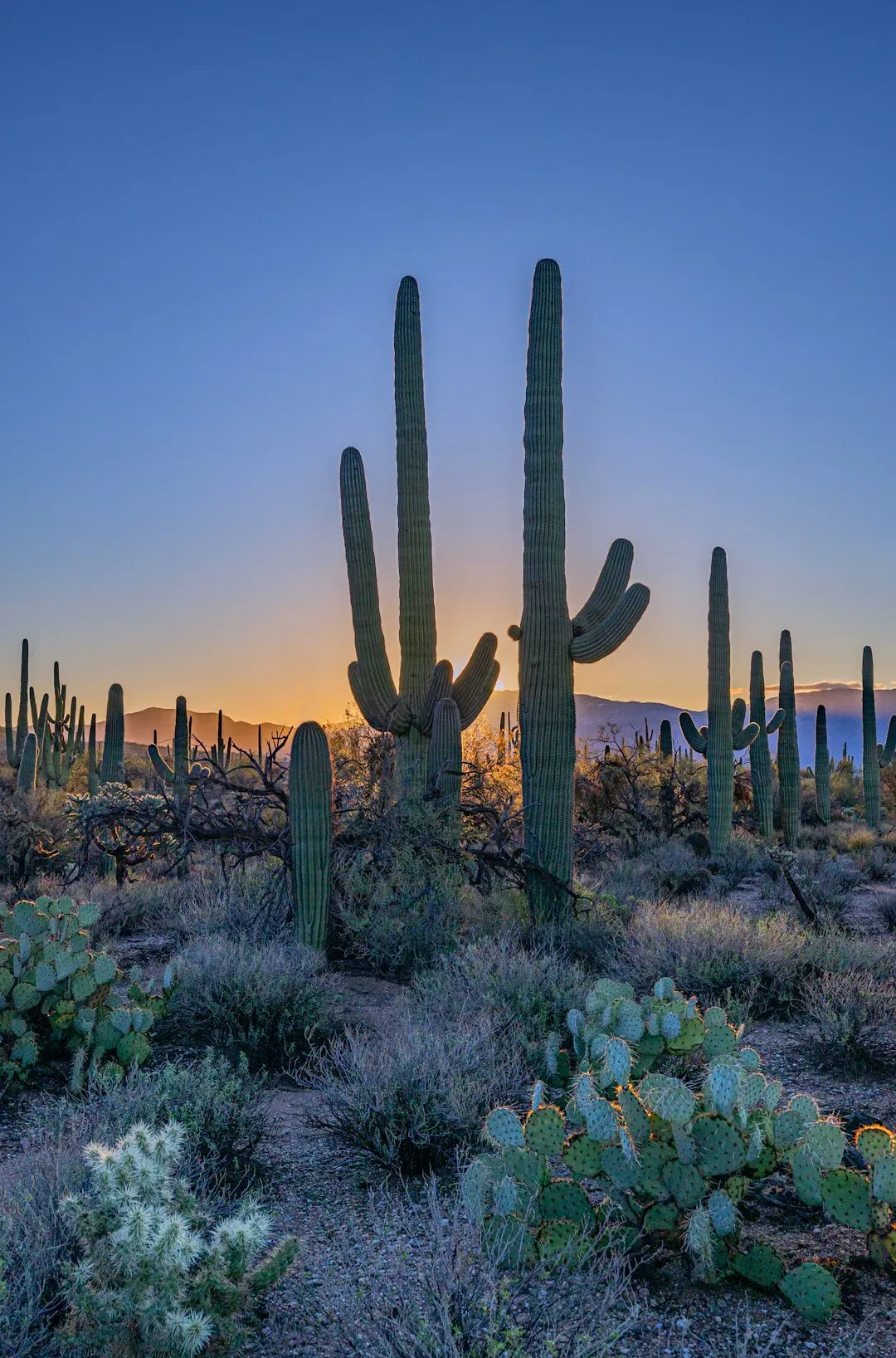
Tucson lives in the shadow of Phoenix and Scottsdale, and that shadow has done it a disservice. Often overshadowed by Phoenix and Scottsdale, Tucson is a desert gem with soul, surrounded by mountains and steeped in Native American and Mexican history, offering incredible outdoor experiences and some of the best food in the country. Few cities its size can claim that combination.
Tucson’s food credentials aren’t casual bragging either. It’s actually the first UNESCO City specifically for Gastronomy in the U.S., and the city’s Sonoran cuisine can’t be beat. Hikers can head to Sabino Canyon or Mount Lemmon for cooler air, and the desert setting gives the city a visual character that flatter, more generic sprawl cities simply don’t have.




Leave a Reply