
There’s a particular kind of restlessness spreading across the country right now. More Americans than at any point in recent memory are quietly researching places with clean air, affordable homes, and trails that don’t require a waiting list. The Mountain West is leading this shift, with Montana and Idaho recording the largest increases in move-in-to-out ratios among all 50 states heading into 2026. It’s not a coincidence. It’s a reckoning with the cost and pace of urban life.
As remote work continues to reshape migration patterns, more professionals are leaving expensive urban centers for suburban and rural areas that offer lower living costs and better quality of life, with states like Colorado, Arizona, and Tennessee becoming hubs for remote workers due to their affordability, outdoor amenities, and growing infrastructure. The towns on this list sit right at the edge of that wave. They’re genuinely beautiful, still genuinely affordable, and just starting to attract the kind of attention that tends to change places forever.
Salida, Colorado: The Arkansas River Town That Remote Workers Found First
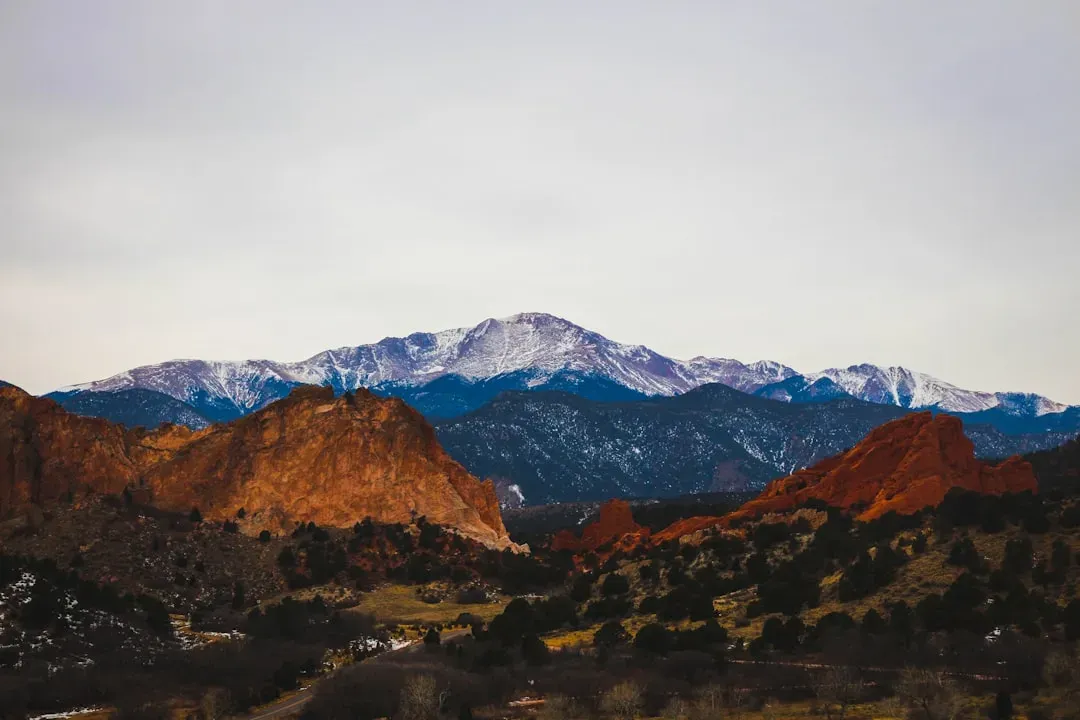
Salida is a cozy mountain town located where the Arkansas River runs from the valley into Bighorn Sheep Canyon. It is small but not tiny, and offers an excellent climate, with great outdoor activities including rafting and history tours, plus easy access to hot springs at nearby Poncha Springs. The downtown is a working one, full of independent coffee shops, artist studios, and seasonal outdoor outfitters that cater to locals as much as visitors.
Salida carries real cultural significance: it was added to the National Register of Historic Places in 1984, and the town maintains a quiet, community-centered feel that makes it one of the more appealing affordable mountain communities in Colorado. Colorado’s mountain towns range from luxury destinations like Aspen and Vail to working communities like Salida and Pagosa Springs, each offering a different lifestyle, with newcomers who choose based on outdoor recreation often preferring these smaller mountain settings.
Anaconda, Montana: Copper Country With Cabin Prices That Still Surprise People
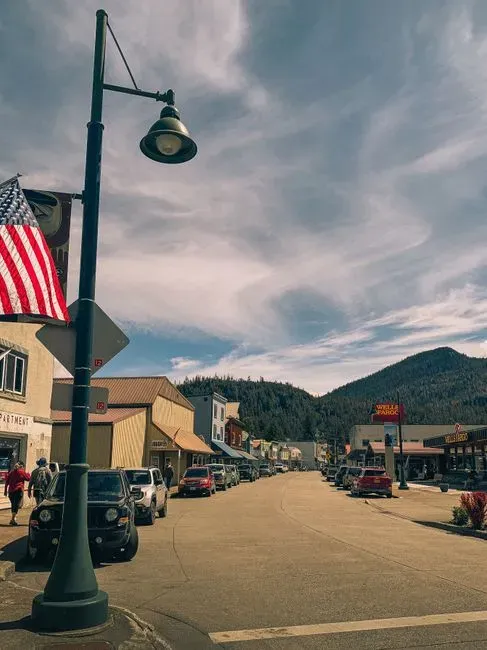
Real estate data from 2026 shows that towns like Anaconda, Montana, feature homes and land within the $200,000 to $300,000 range, which puts it in rare company among mountain destinations with genuine recreational infrastructure. The skiing at nearby Discovery Ski Area covers 2,200 acres of downhill terrain with more than 2,000 feet of vertical drop and over 215 inches of annual snowfall, while summer shifts the mountain to biking and the Continental Divide Trail runs along the ridges south of town.
Montana does not charge a sales tax, which can provide residents with more opportunities to save, a detail that quietly matters when you’re weighing monthly budgets in a new place. The Mountain West’s comeback is real, with Montana and Idaho leading states with the largest increases in move-in ratios, and Arizona and New Mexico also landing in the top five, signaling a broadening of demand beyond the South’s perennial magnets as movers look for affordability and overlooked alternatives.
Coeur d’Alene, Idaho: A Lake Town That’s Growing Fast but Still Has Room
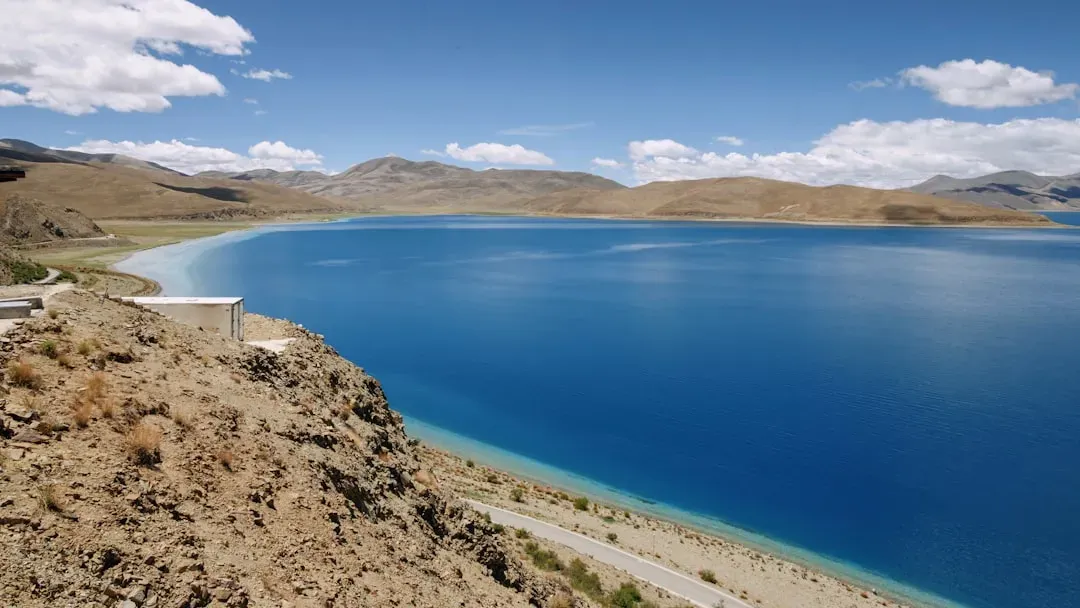
The city of Coeur d’Alene saw a 4.1 percent population increase between April 2020 and July 2023, and it’s a destination for adventurers, with incredible kayaking opportunities, too many hiking trails to count, and plenty of water sports on the lake. The water here is genuinely striking, the kind of clear-blue that looks edited in photographs but isn’t.
New U.S. Census data shows that roughly four out of five Idaho counties grew their populations in 2025, and Idaho was among the top ranked inbound states of 2025. A California Policy Lab analysis found that for each Idahoan who moves to California, the state receives more than two in return, and moveBuddha data confirms that roughly a quarter of all moves to Idaho in early 2026 originate from California. Coeur d’Alene is the most visible face of that trend, though smaller towns in the region are filling up too.
Show Low, Arizona: The High-Desert Mountain Town That Doesn’t Feel Like Arizona
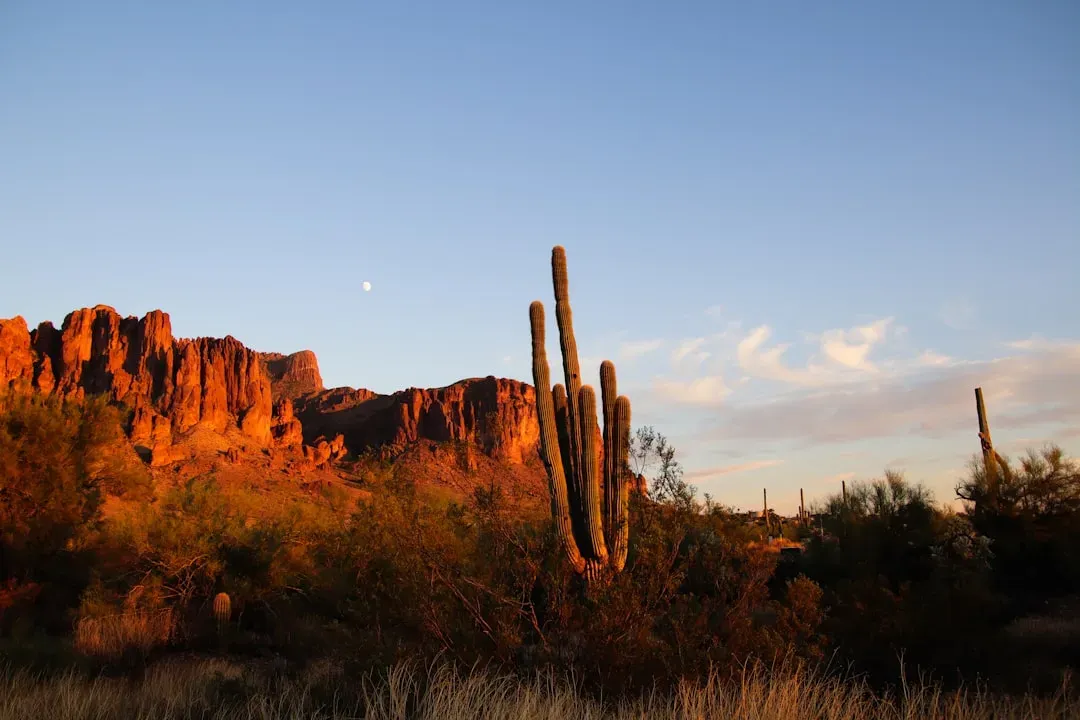
Show Low sits in Navajo County with a population of about 12,500 residents and is growing at roughly 1.2 percent annually, with its population bumping up more than six percent since the 2020 census. The town has a median age of 44 and sits on the Mogollon Rim at an elevation of 6,345 feet. At that altitude, the summers are genuinely cool, which surprises most first-time visitors expecting desert heat.
Top outdoor activities include hiking the Show Low Bluff Trail, boating and fishing at Fool Hollow Lake, and exploring the Apache-Sitgreaves National Forest, while the nearby White Mountain Trail System offers extensive hiking, mountain biking, and horseback riding options. Arizona has become a hub for remote workers due to its affordability, outdoor amenities, and growing infrastructure to support flexible work, and Show Low is a quieter, cooler alternative to the better-known Phoenix-adjacent towns attracting the most attention.
Pagosa Springs, Colorado: Hot Springs, Powder, and Still Undiscovered
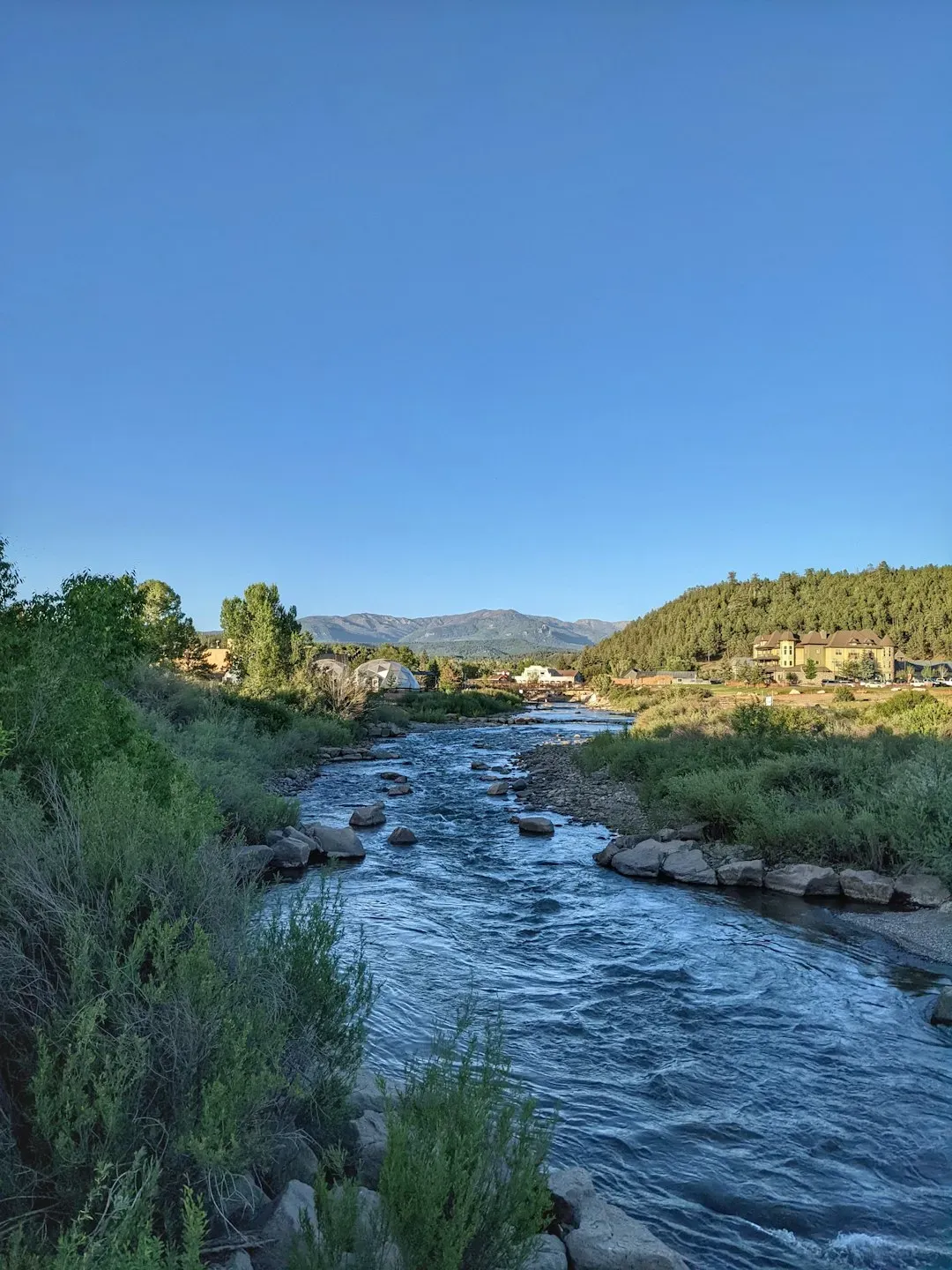
Pagosa Springs is a remote Colorado location several hours from a major airport, but many of the people choosing it welcome the slower pace of life and the peace and quiet the region provides. There’s a reason it keeps appearing on realtor watchlists. The combination of world-class hot springs, genuine ski access, and honest small-town infrastructure is unusual to find in one place.
Colorado retirees enjoy some tax breaks on their Social Security income, which adds a practical layer to the lifestyle appeal. Idaho and the broader Mountain West are climbing fast because they offer the same affordability-and-outdoors combination that the Sun Belt has long sold, but with less competition and lower price tags than those markets now carry, and Pagosa Springs embodies exactly that gap, a town that hasn’t yet been priced into its own identity.
Blue Ridge, Georgia: The Southern Appalachian Town That Feels Like a Secret
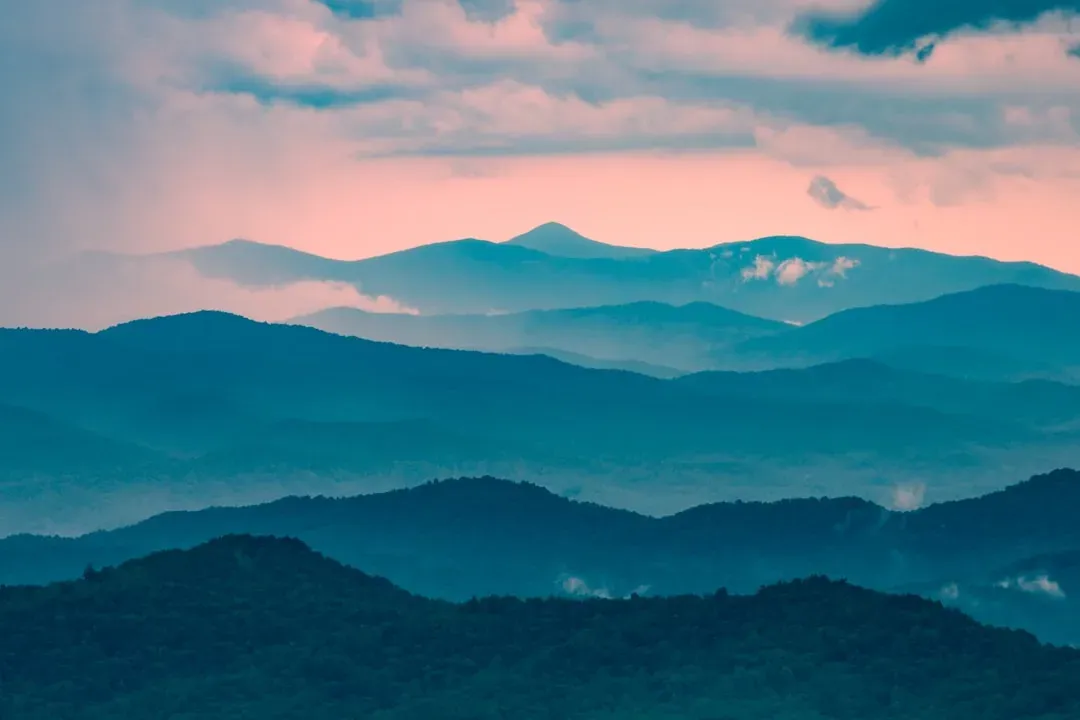
For those seeking a mountain town in the Southeast, Blue Ridge fits the bill, with its breathtaking landscapes, lively arts scene, and rich history offering a perfect blend of natural beauty and vibrant culture in the North Georgia mountains. The drive up from Atlanta takes about an hour and a half on a clear day, which makes it accessible without making it feel suburban.
Net migration has been the dominant driver of population growth across the region, with North Carolina alone receiving over 82,000 new residents in 2024, second only to Texas. The pressure from that broader regional trend is gradually pushing newcomers further into the Appalachian foothills, where towns like Blue Ridge offer lower price points and genuine quiet. States with moderate climates and fewer natural disasters, such as North Carolina and its neighbors, are becoming more attractive alternatives for Americans reconsidering coastal and low-elevation living.
Leavenworth, Washington: A Bavarian Village With Cascade Mountain Access
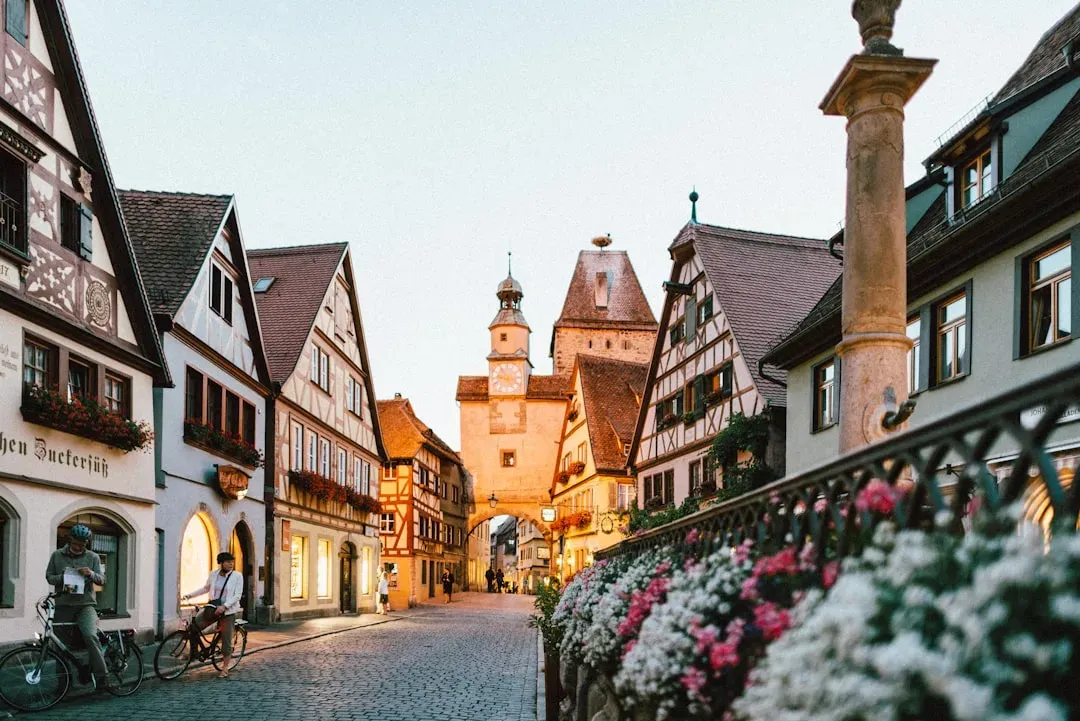
People are moving to Leavenworth primarily for its natural beauty and quiet setting. The town sits at the eastern edge of the Cascades, catching far less rain than the Seattle side while still offering immediate access to alpine terrain. Its Bavarian-themed architecture started as an economic revival effort decades ago and has since become a genuine identity that draws visitors year-round without overwhelming the residential character of the place.
As remote work continues reshaping migration patterns, more professionals are leaving expensive urban centers for rural areas with lower living costs, and moving statistics indicate this trend will persist as hybrid and remote work opportunities expand, allowing workers to prioritize lifestyle over proximity to an office. For workers loosely tethered to the Seattle tech corridor, Leavenworth offers a real alternative: mountain access, a functioning main street, and housing that doesn’t require a bidding war.
Dillon, Montana: Rocky Mountain Living at a Price That Still Makes Sense
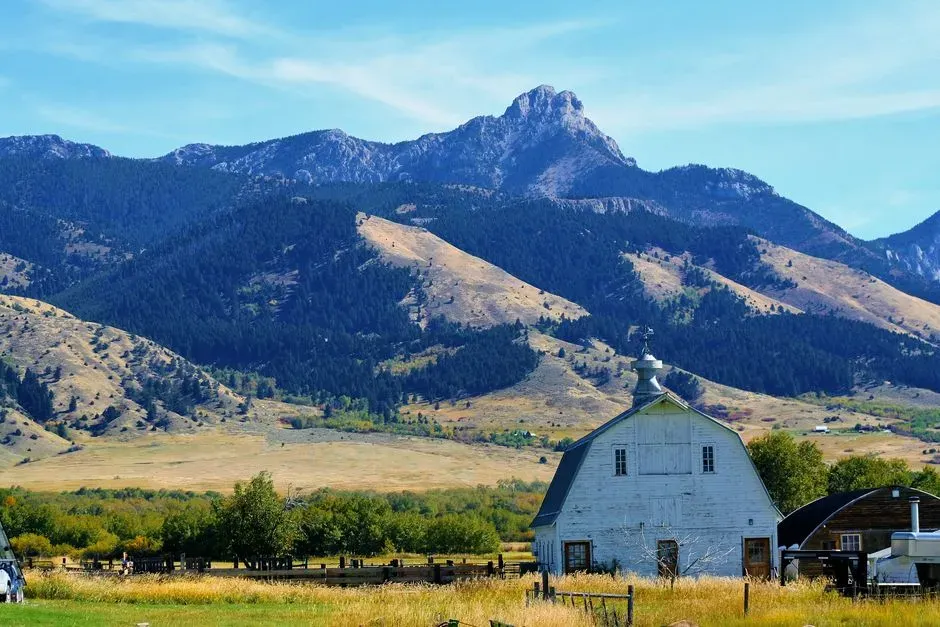
Dillon is located in southwest Montana, and the average home price has recently declined, making it an increasingly affordable area that gives residents access to stunning Rocky Mountain subranges. Dillon also carries a very low median rent and, because Montana charges no sales tax, offers residents even more ways to keep monthly costs down. That combination is rare in the Mountain West of 2026.
Washington, less than 100 miles away, was the last home state for thousands of new Montana residents, while California, despite its size, also contributes significant numbers of newcomers to Montana each year, as even small percentages of a 39-million-person state translate into big migration numbers. Dillon sits far enough from the more publicized Montana boomtowns to have maintained reasonable prices. Over recent years, lesser-known towns have seen increased interest due to rising housing costs in traditional hotspots and a growing desire for remote and outdoor lifestyles, and 2026 listings reflect this trend with a clear focus on affordability and outdoor access.



Leave a Reply