
Sit down at almost any restaurant today and the menu reads like a creative writing exercise. Words like “curated,” “artisanal,” and “farm-fresh” float above dish names the way garnish floats on a bowl of soup: it looks good, but it isn’t the point. There are a lot of words on menus that simply don’t have a legal definition, which means restaurants can use them freely, without any real obligation to back them up in practice.
This isn’t purely cynical. The way a dish is described can dramatically influence both sales volume and customer satisfaction, even when the food itself remains unchanged. Behavioral researcher Brian Wansink and his team at the University of Illinois conducted a six-week field study tracking the impact of descriptive menu labels, testing geographic, nostalgic, and sensory language across multiple dishes. The results were striking enough to reshape how the entire industry thinks about words on a page. Knowing which terms are genuinely informative and which are mostly decorative is useful for any diner who wants to order with clear eyes.
1. Artisanal
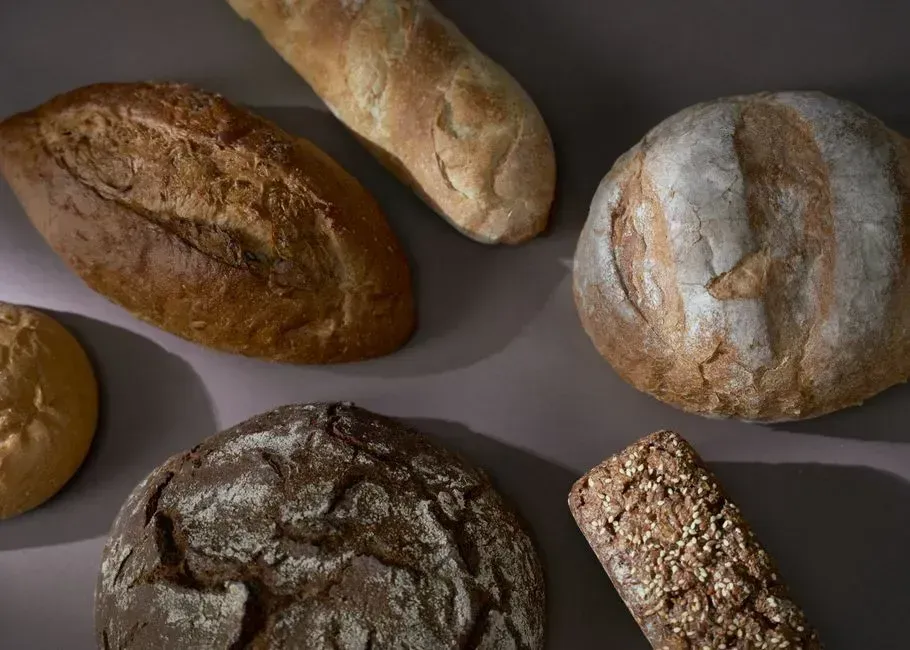
“Artisanal” is probably the most overworked word in modern menu writing. “Artisanal” is supposed to essentially mean that the food was created in small batches, not in a factory. In practice, major fast food chains began using the word to describe mass-produced breakfast sandwiches, and the label has never quite recovered from that stretch. You may envision a pack of wizard bakers in the kitchen kneading artisanal bread loaves for every bread basket, but the word is overused and has pretty much lost all meaning.
The kitchen doesn’t receive any special instruction when a dish is labeled “artisanal.” There’s no regulatory body checking the claim and no minimum standard of craft the food must meet. A University of Illinois study found that descriptive labels helped increase sales by roughly a quarter, so next time you order the artisanal cherry pie, consider whether you’d want it if the same adjective wasn’t in front of it. The label earns its place on the menu not by describing technique, but by triggering a feeling.
2. Farm-Fresh

“Farm-fresh” invites a pleasant picture: a misty morning, a hen, a chef collecting eggs before service. Restaurants want you to think of the chef going out and sticking a hand under the hen to get her freshly-laid eggs just for your omelet, but where do you think eggs come from in the first place? The phrase implies a direct, traceable link between field and plate that most restaurant supply chains simply don’t support.
The word “fresh” carries its own ambiguity. The word “fresh” is open to interpretation, but no company or restaurant is going to advertise food that sat on a truck for four days getting to their establishment. “Farm-fresh” is therefore a phrase that tells you only that the restaurant would prefer you imagine a farm. It says nothing concrete about sourcing timelines, farm practices, or distance traveled.
3. Hand-Crafted
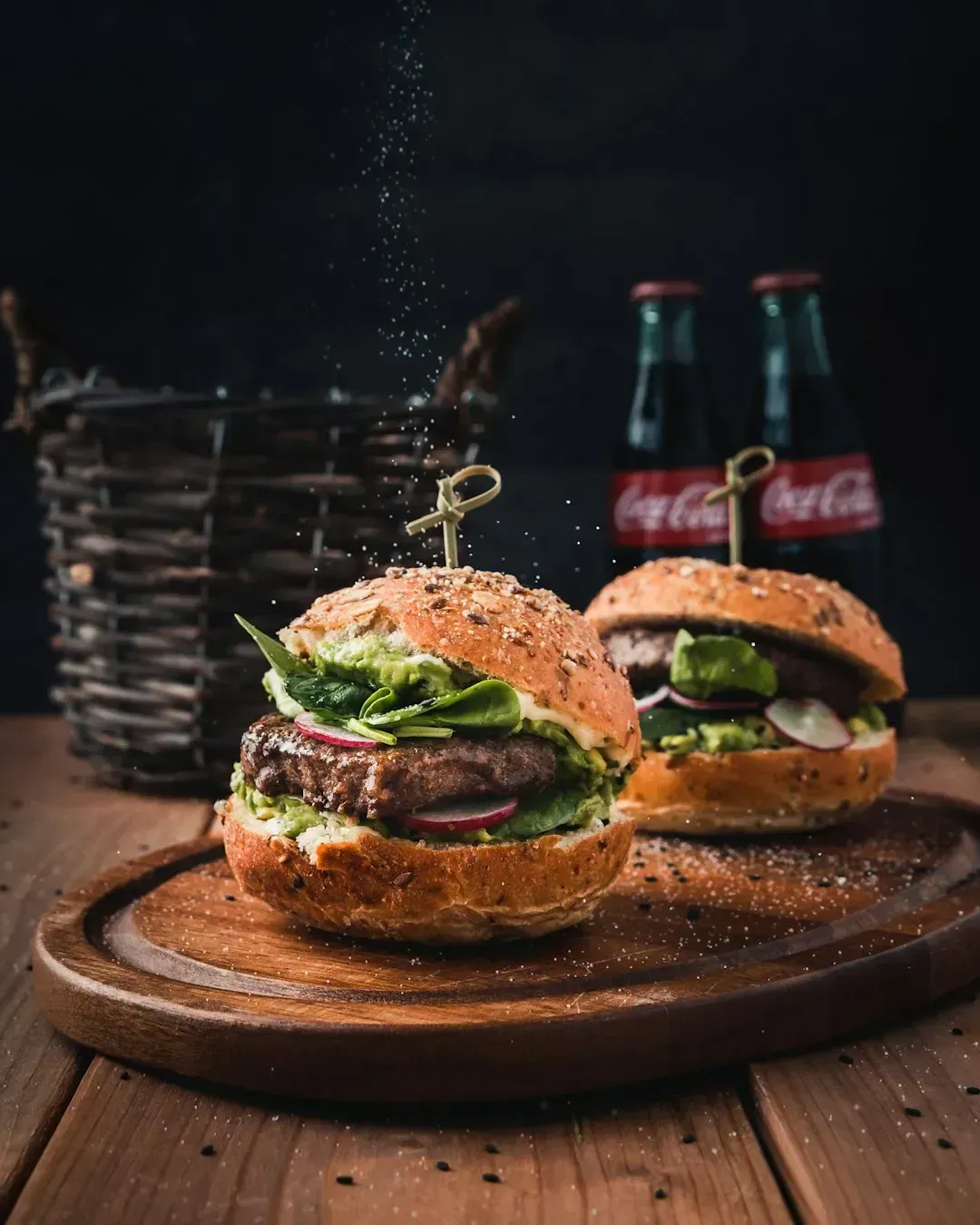
“Hand-crafted” is a phrase that sounds like a commitment but functions more like decoration. What restaurants want you to think when they use this phrase is that someone in the kitchen is actually forming those burger patties, cutting those potatoes with an old kitchen knife and a cutting board. In reality, almost all food preparation in a commercial kitchen involves human hands at some point, making the label almost universally applicable to everything on every menu, everywhere.
The idea behind “hand-crafted” is presumably to convey that cooks are taking extra time and care to form a patty before slapping it on the griddle instead of some type of machine. But does that somehow make it taste better? Probably not. The kitchen crew isn’t doing anything differently because the menu says so. It’s a word that flatters the process without changing it.
4. Locally Sourced

“Locally sourced” sounds like a meaningful claim until you ask what “local” actually means. The word “local” doesn’t give a clear definition of where something is from. It could mean nearby or just from the same country. A restaurant in Chicago can technically call ingredients “locally sourced” whether they came from a farm twenty miles away or a distributor warehouse three states over, because no legal threshold exists.
There are restaurants that genuinely build supplier relationships and source responsibly within their region. Establishing real credibility means using terms like “certified organic” and “pesticide-free” when accurate, while being aware that “grass-fed” or “free-range” are less regulated labels, and talking to suppliers to truly understand the origin of the food before labeling it. Without that kind of specificity, “locally sourced” is warm and vague in equal measure.
5. Curated
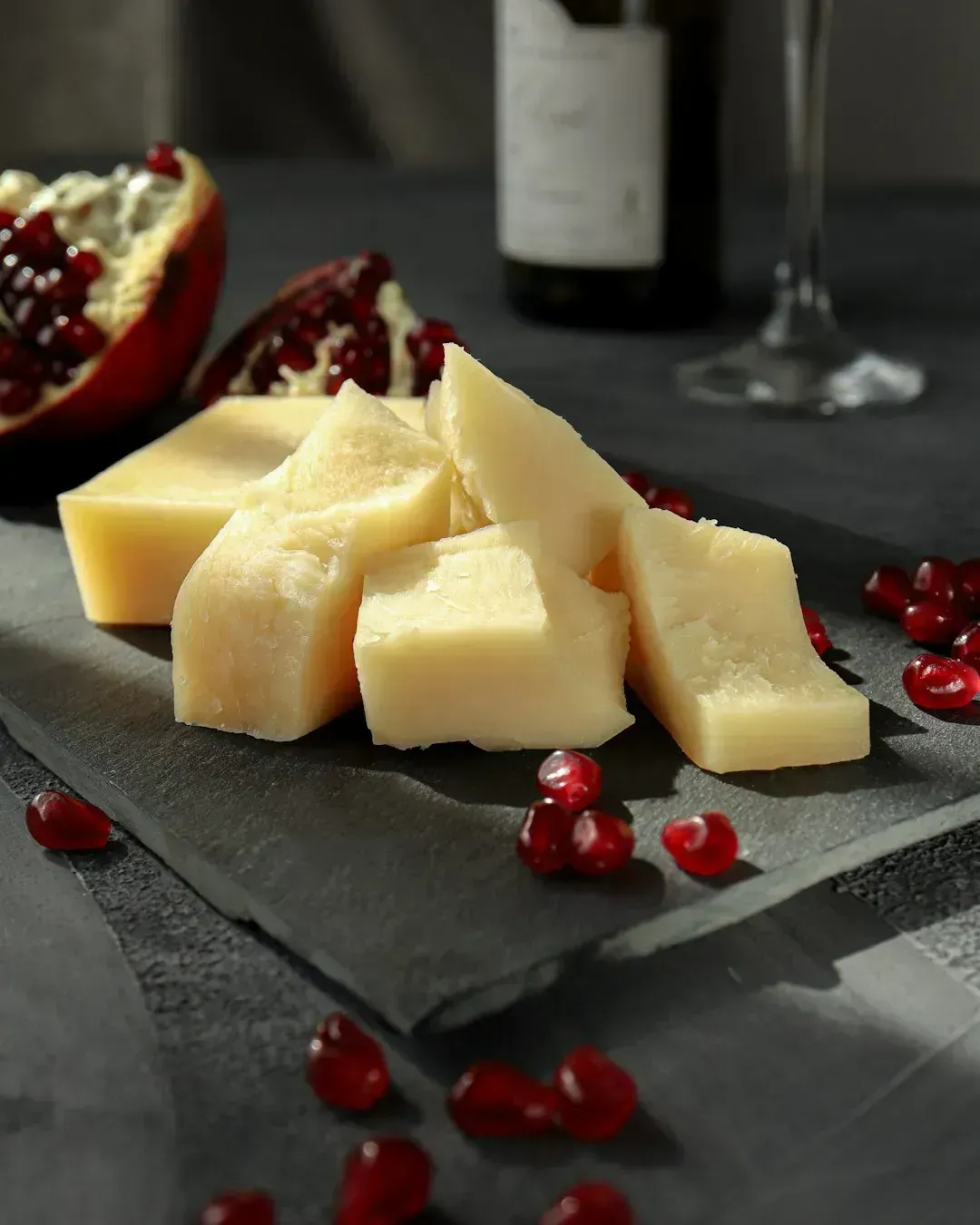
Somewhere along the way, restaurants started borrowing “curated” from art galleries and applied it to cheese boards and cocktail lists. What’s really similar to a “curated” selection of cheeses is simply a selection of cheeses. The fact that you were able to wrangle them together in such an organized fashion as to fit them on a plate already implies you’ve done the correct amount of curating.
A special box pointing out a restaurant’s specially curated dishes is either a marketing scheme or an accidental tip that maybe you shouldn’t eat anything outside that special box of alleged curation. The word suggests editorial judgment so refined it borders on authority. In a kitchen context, it most often means someone chose which items to put on the menu, which is, of course, what menus are.
6. Award-Winning
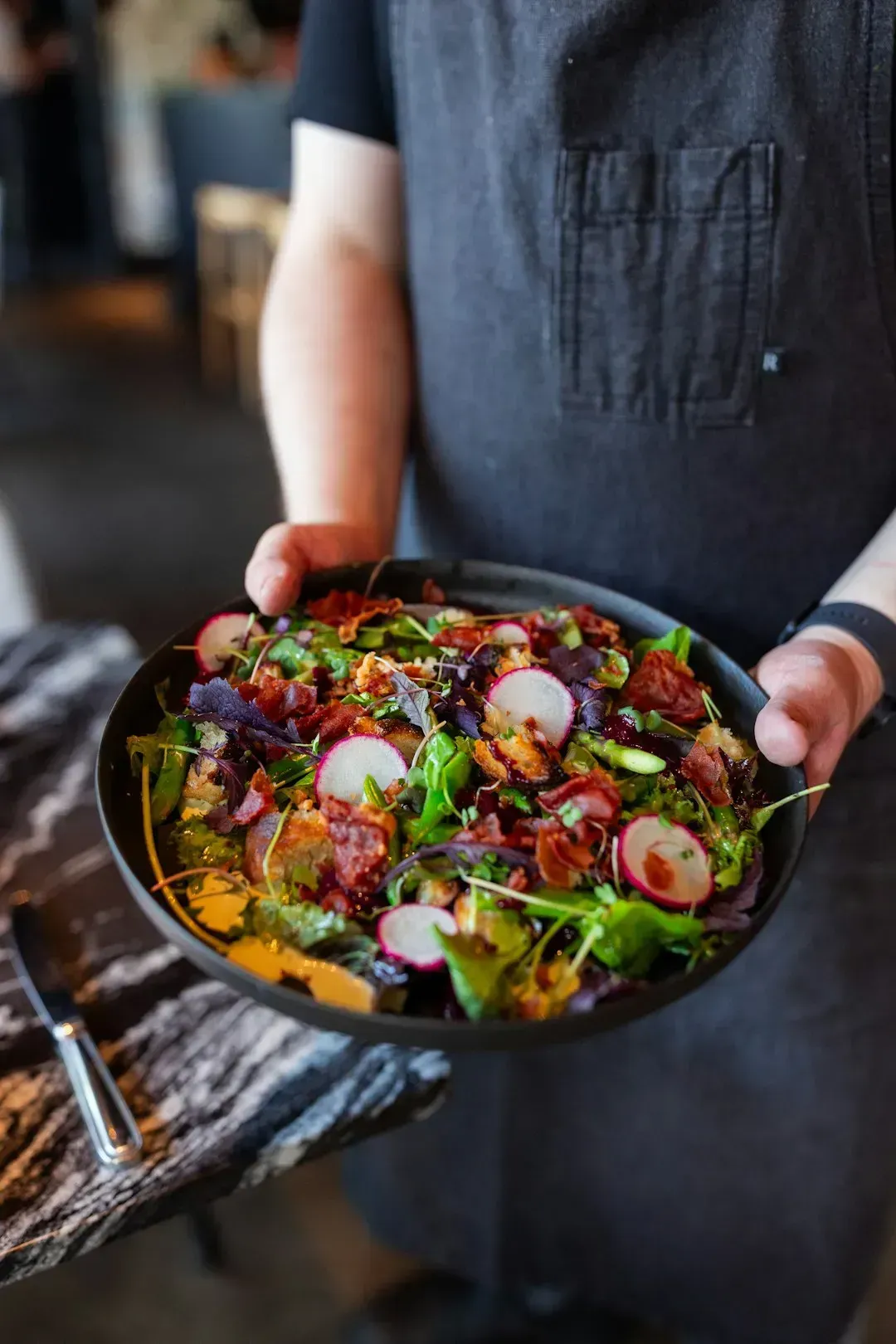
“Award-winning” is the phrase that invites the most skepticism from experienced diners. When you see “award-winning salad” on a restaurant menu, the questions come fast: where is the award, is it hanging on the wall, what was the award for, “greenest colored lettuce”? The claim is almost impossible to verify from a seat at the table, and the range of food competitions that issue awards is vast, informal, and largely unregulated.
Unless a restaurant has received awards from a variety of acclaimed food authorities, it’s best to leave out the boasting and not set outrageous expectations. An “award” could mean a local newspaper readers’ poll, a regional social media contest, or a genuine culinary distinction. The menu won’t tell you which. The kitchen staff, meanwhile, plate the dish exactly the same way regardless of what the certificate says.
7. Sustainable
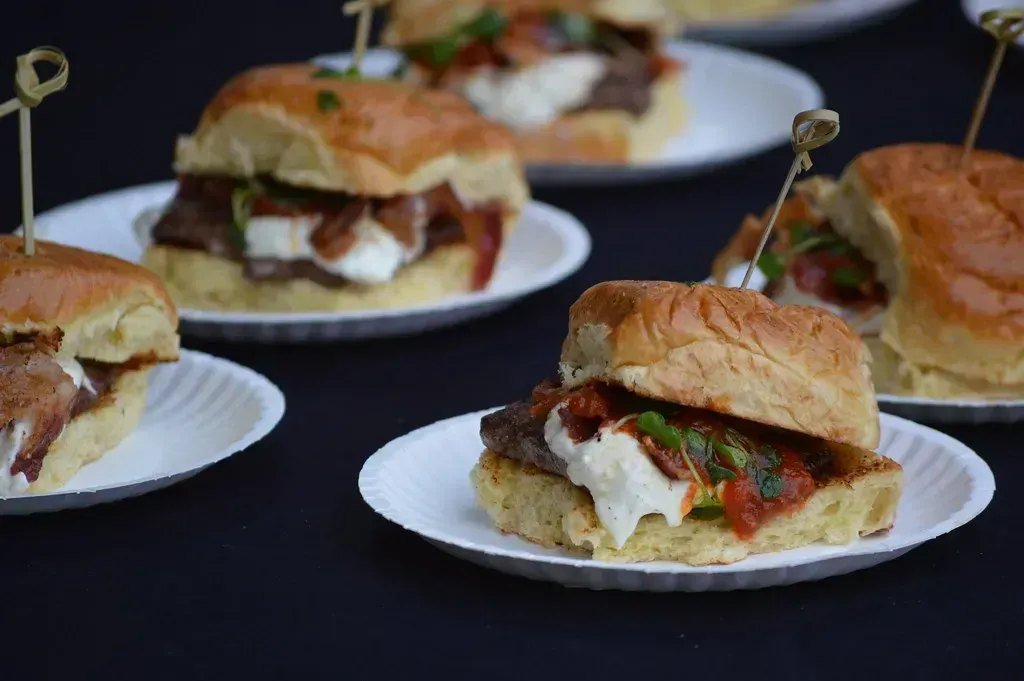
“Sustainable” has become one of the most aspirational and least defined words in the food industry. Unlike “certified organic,” which must meet USDA requirements, the term “sustainable” has no standardized legal definition in a restaurant context, leaving it open to broad interpretation. A restaurant can call its practices sustainable while composting a little, using paper straws, and doing very little else.
That isn’t to say genuine sustainability efforts don’t exist. Consumers are increasingly choosing restaurants that have sustainable practices in place, and the Michelin Guide even has a category that awards a green star to restaurants that institute highly sustainable practices like working with local farmers, avoiding waste, and working to have a lower environmental impact. The problem is that without a recognized certification on the menu, “sustainable” as a descriptor is more atmosphere than accountability.
8. House-Made

“House-made” sounds intimate and specific. It implies someone in this particular kitchen made this particular thing from scratch, perhaps the aioli, the pickles, the pasta. The word “homemade” is only accurate if you live in your restaurant or brought the food from your house. Diners generally assume food on the menu was made in the restaurant’s kitchen, so you should draw attention to items not always made in restaurants, like sauces or infused liquors, by using the phrase “made in house.”
In other words, “house-made” is worth something only when it distinguishes an item from what diners would otherwise assume is bought in. Calling a burger patty “house-made” when patty-forming happens in every kitchen is redundant. Calling a house-fermented hot sauce “house-made” is genuinely informative. The phrase earns its keep only when it points to something unusual, not as a general badge of kitchen effort.
9. Natural

“Natural” might be the single most freely applied term in food marketing. The word “natural,” although used widely by food companies, has zero regulation in terms of how it’s used to describe food, meaning any company can slap “natural” on its packaging with the hope that people will buy the product because it sounds healthier. On a menu, it functions the same way: it sounds virtuous, but it confirms nothing.
If you want to sell your bologna as “all-natural,” it can’t contain any artificial ingredients, but you can describe even something as nature-defying as Fruit Gushers as containing “natural flavors.” At the restaurant table, “natural” sits in a grey zone where it’s simultaneously inoffensive and uninformative. Diners who care about real ingredient quality are better served by asking specific questions than by trusting the adjective.
10. Deconstructed
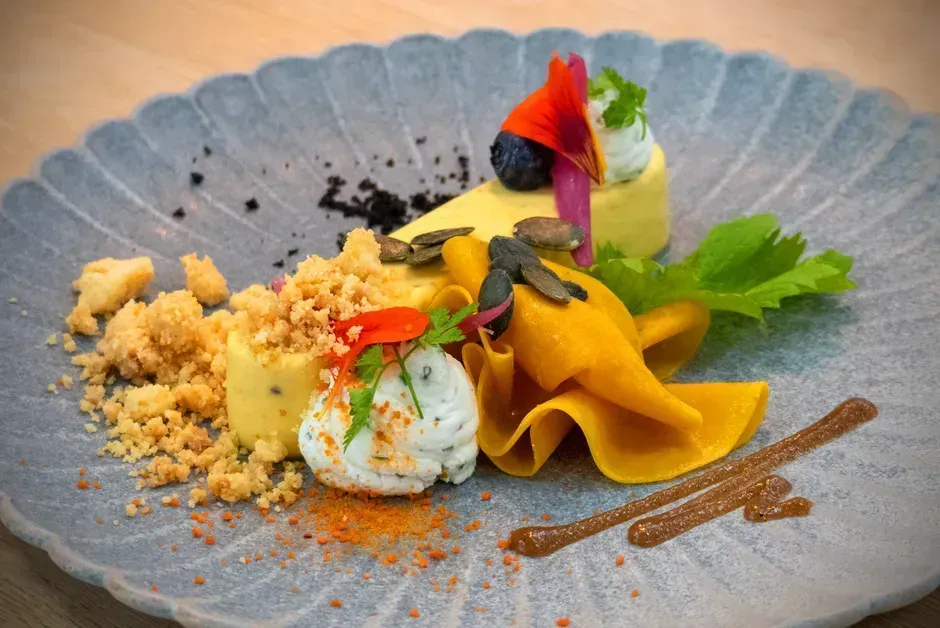
“Deconstructed” is a menu word that arrived from fine dining and spread into every tier of the restaurant world. What it technically means is that the components of a classic dish are separated and presented individually rather than assembled in the traditional way. In practice, it has become a reliable way to describe a dish that resembles something familiar but isn’t quite finished. Using niche culinary terms might sound impressive, but if guests are having to Google words in menu descriptions, the restaurant has already lost them.
The kitchen may genuinely be doing something interesting with the technique, or it may be serving three items side by side and calling it conceptual. A good menu description helps guests picture what they’re getting and why they’ll want it. Vague, generic labels leave them guessing. “Deconstructed” is a word that describes a presentation decision, not a flavor promise. When a diner reads it, they know the dish will look unconventional. Whether that unconventional presentation adds to the experience depends entirely on the kitchen, not the vocabulary.
Menu language is, at its core, a form of persuasion. An early study found that diners at a prix-fixe dinner enjoyed the exact same wine more when it was described with a more prestigious-sounding origin, with researchers chalking this up to the power of suggestion and the way certain words elevate overall expectations and experience. None of this makes restaurants dishonest by default. You really can’t begrudge restaurants for adding a little fluff to their menus. It’s not exactly easy to keep a restaurant open, and if declaring a hamburger to be “artisanal” helps move the needle even slightly, restaurateurs are likely willing to take a chance.
The more useful habit for diners isn’t suspicion but curiosity. When a word on a menu sounds impressive, it’s worth asking what it actually means in that specific context. A great restaurant will have a real answer. The words that survive that question are the ones genuinely worth paying attention to.

Leave a Reply