
Most of us accept that eating out costs more than cooking at home. You’re paying for the kitchen, the staff, the experience. That trade-off is fair. What’s less fair is when certain dishes carry markups so extreme that even the chefs plating them admit the price doesn’t match reality.
Within the restaurant industry, it’s commonly believed markups should be around 300%. That’s already a healthy margin. According to the National Restaurant Association, average menu prices have risen roughly a third since February 2020, and December 2024 marked the 33rd consecutive month in which restaurant prices outpaced grocery prices. Against that backdrop, the eight items below stand out as the ones where the gap between cost and price is simply the hardest to justify.
1. Pasta
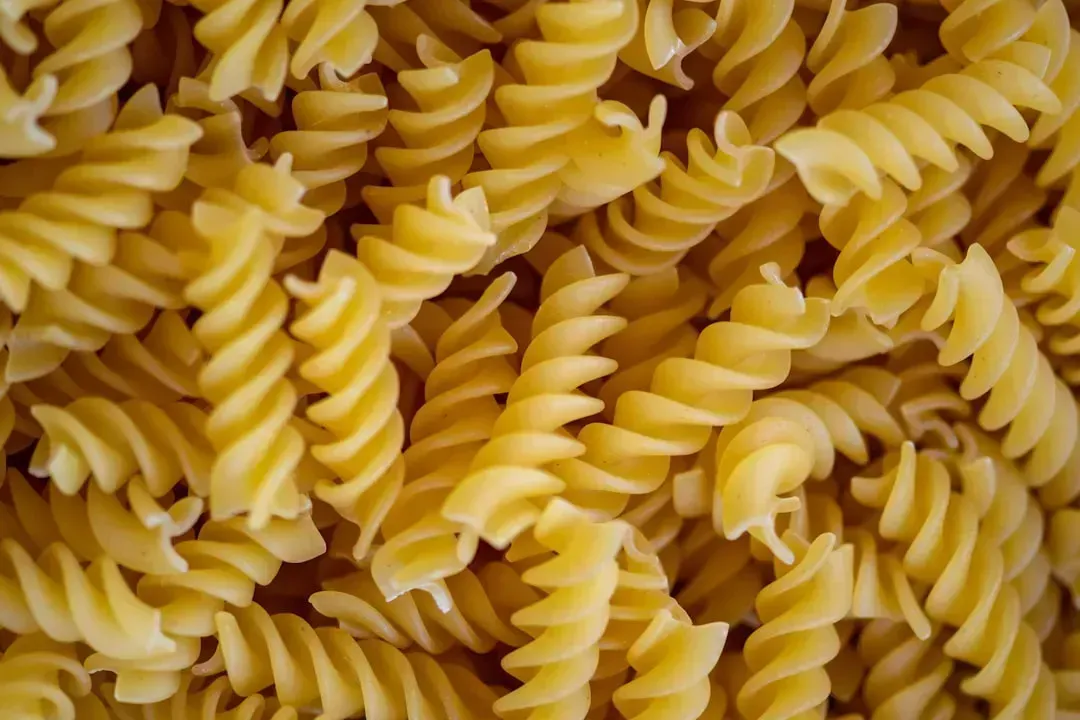
A serving of dry pasta costs roughly 25 cents, and even with a homemade sauce, each portion comes to around $1.43. Unless a restaurant is actually making pasta from scratch, a $13 pasta dish is marked up more than 800 percent. Spaghetti, fettuccine, or penne is common on non-Italian restaurant menus, yet pasta dishes are often overpriced, especially when you calculate the cost of ingredients.
Pasta prices are high almost entirely due to labor costs, which have skyrocketed in recent years. That said, the raw ingredient cost is still striking. Restaurants know they can get away with these markups because pasta feels satisfying and even a bit fancy. The average profit margin on pasta dishes hovers between 65 and 70 percent, making them one of the biggest money-makers in the food industry. If the restaurant makes fresh pasta from scratch daily, the price has real justification. Otherwise, you’re largely funding overhead with every forkful.
2. Fountain Soda
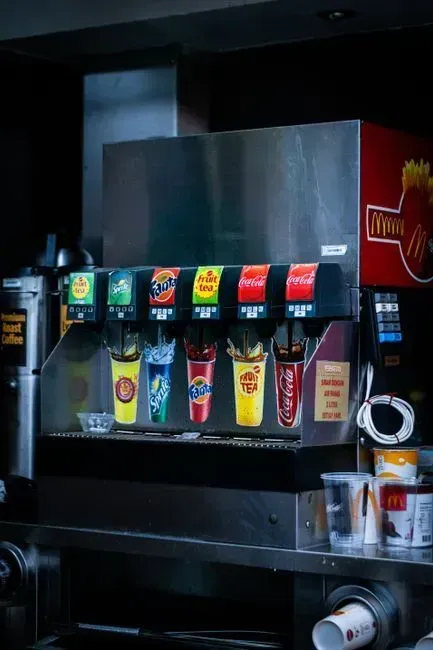
Restaurants mark up fountain sodas by roughly 1,125 percent. A $3 fountain soda costs just 25 to 40 cents in syrup, water, and the cup, which represents anywhere from a 650 to 1,100 percent return on investment. The soda fountain machine itself isn’t free, and there are ongoing costs for syrup and CO2, but the margin is still extraordinary compared to nearly any food item on the menu.
Soda can be the most profitable aspect of a restaurant, sometimes making the difference between success and failure, and helping keep the relative prices of other menu items lower. So there is a systemic logic to the pricing, even if it stings to pay four dollars for carbonated water and syrup. Ordering water is the obvious workaround, but many diners either don’t think to ask or simply want the drink. Restaurants are well aware of both of those facts.
3. The Wedge Salad
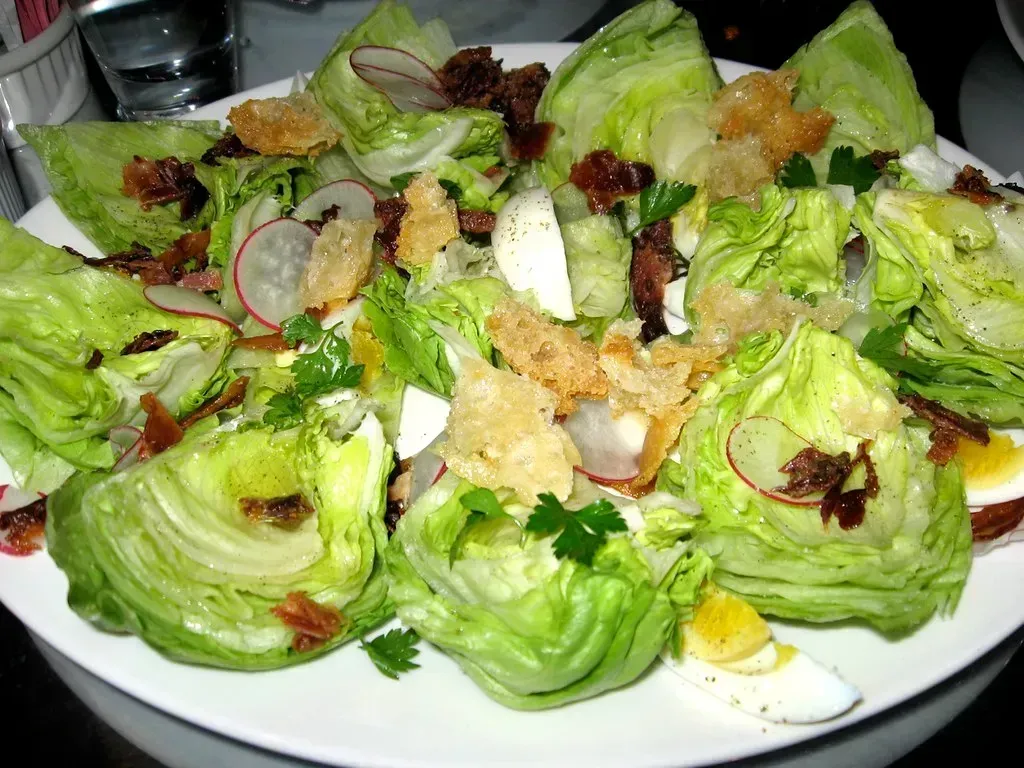
New York’s Delmonico restaurant charges $28 for a wedge salad. Even with heirloom tomatoes, Kikorangi blue cheese, and a yuzu honey vinaigrette giving it a gourmet edge, the markup seems questionable. Prices for this staple salad have been climbing rapidly across the board. Considering that iceberg lettuce is 96 percent water, this starter is rarely filling enough to merit its price.
When you order a $12 house salad, it may contain less than $2 worth of ingredients. Restaurants count on the fact that a pile of mixed greens topped with a few cherry tomatoes, cucumber slices, and a sprinkle of croutons looks substantial on a plate. A wedge salad is the far end of that logic: a quartered head of iceberg lettuce presented as a composed dish. It takes less than a minute to cut and plate, yet commands prices that rival more labor-intensive starters almost everywhere you order it.
4. Shrimp Cocktail
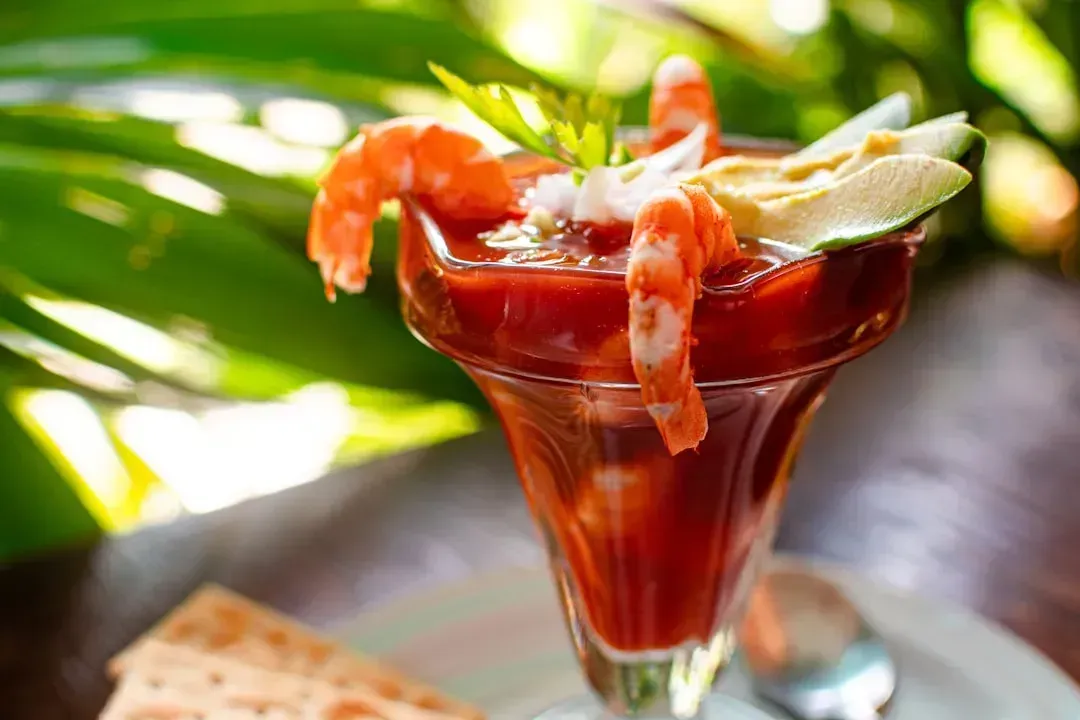
When it comes to bang for your buck, shrimp cocktail may be the most overrated and overpriced appetizer you’ll find at a restaurant. A higher-end local seafood establishment may offer a jumbo shrimp cocktail for $16.50, which includes just five shrimp and cocktail sauce. By comparison, a bag of raw jumbo shrimp at a major retailer runs around $7.99 for 16 ounces of seafood.
Shrimp cocktail is pervasively featured on fine dining menus across the nation. It’s an effortless item to prepare and relatively inexpensive to source. As one chef noted, nothing has changed in its preparation over the years, yet fine dining restaurants still charge a high price for this simple dish. The cocktail sauce is essentially ketchup with horseradish. The theatrical presentation in a chilled glass does most of the pricing work here.
5. Plain Grilled Chicken
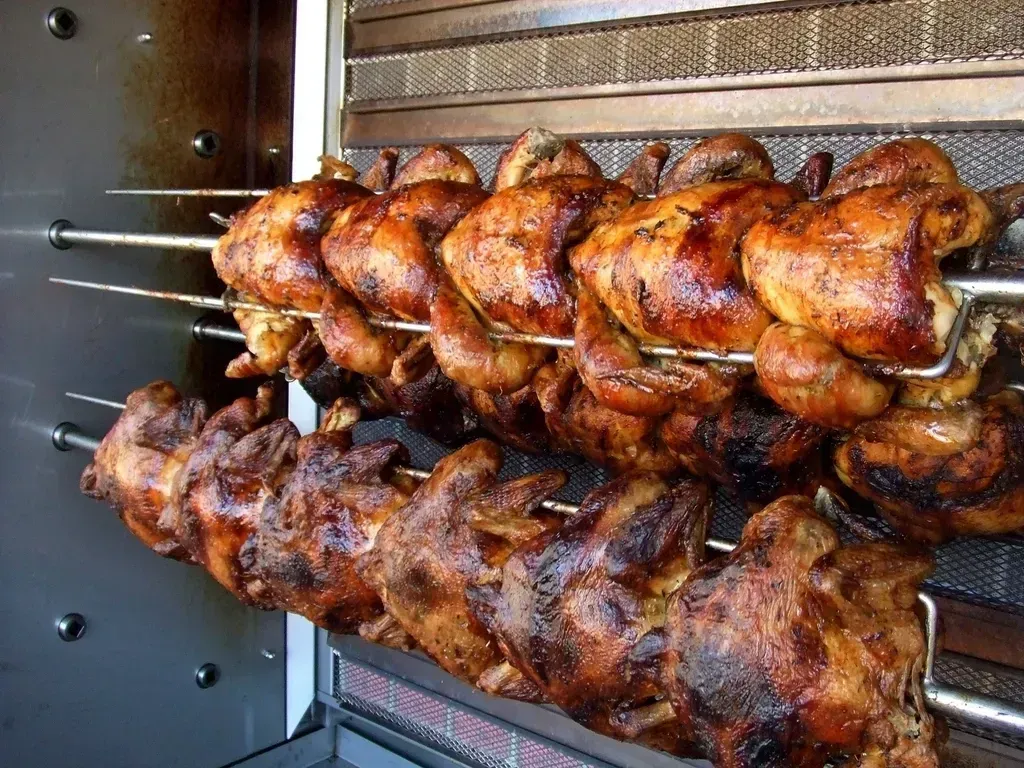
Plain grilled chicken at a restaurant is one of the most quietly overpriced things you can order. It sounds healthy and seems safe, but insiders know the truth. A Food Network survey of chefs found that among all the items on the menu, they were least likely to order pasta and chicken. That’s telling. The people who cook it professionally tend to avoid ordering it.
The markup on chicken tenders makes them among the most profitable foods for restaurants. Two chicken soft tacos with chipotle mayo and a side of black beans sells for about $10, as does a crispy chicken salad, while those dishes cost the kitchen less than $3.50 each. That works out to a 185 percent markup and a 65 percent profit margin. Chicken is one of the cheapest proteins in any commercial kitchen, and the prep is straightforward. When a restaurant charges $18 to $22 for a grilled chicken breast with roasted vegetables, the math is difficult to defend.
6. Restaurant Desserts
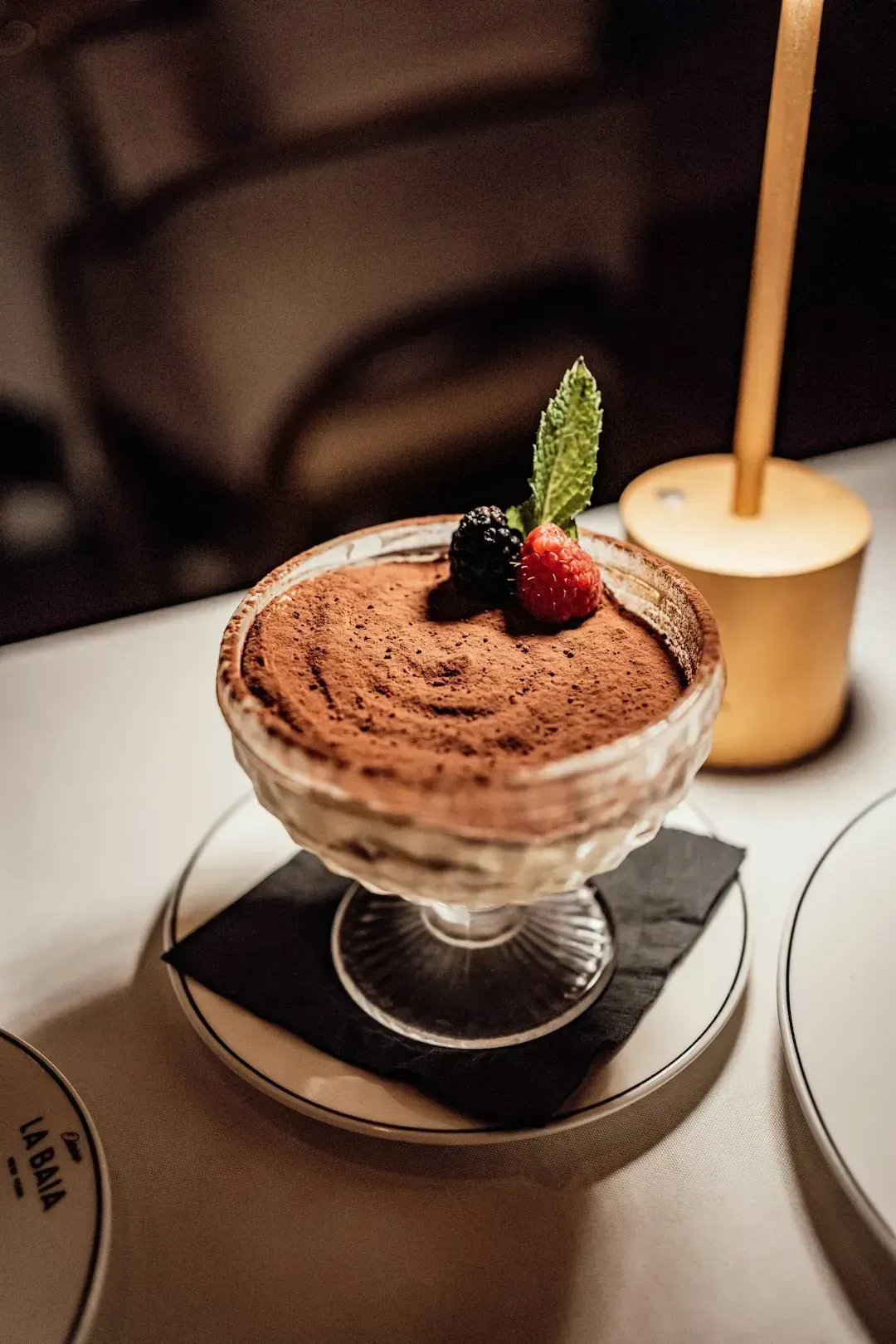
There’s nothing inherently wrong with serving pre-made desserts, but the issue is the markup and presentation. Restaurants often rely on fancy plating and menu descriptions to imply something scratch-made, even when the dessert came frozen out of a box. If you’re paying a premium price, it’s worth asking whether you’re getting a truly homemade treat or just a dressed-up grocery store cheesecake with a restaurant-sized price tag.
Restaurants place a substantial markup on desserts regardless of category. Much of the cost at fine dining spots goes toward a skilled pastry chef, but high-volume casual restaurants rarely make their desserts in-house, instead ordering prepared frozen desserts from suppliers. Restaurants typically mark up their cake costs by 200 to 300 percent. Restaurants count on diners feeling like they’re treating themselves with dessert, making them less price-sensitive. The small portion sizes further disguise the massive markup you’re paying.
7. Avocado Toast
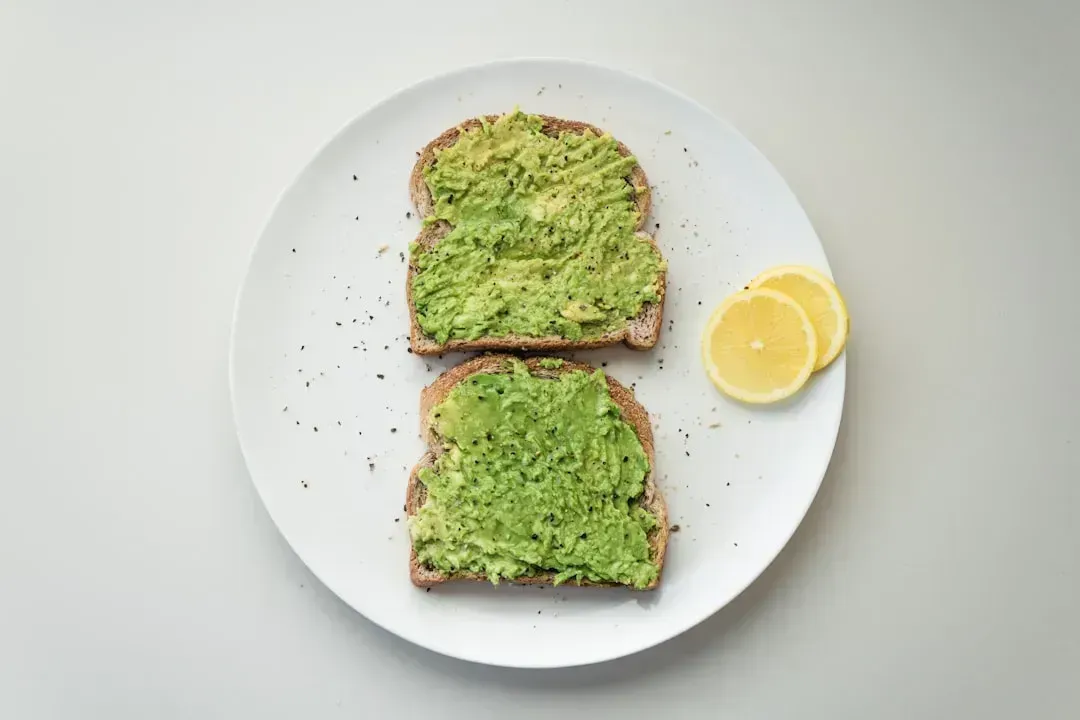
Slicing or mashing avocado and serving it on top of a piece of toast has become commonplace on breakfast and brunch menus, and even at the local coffee shop, almost always with a hefty price tag. You’re lucky if you get even half an avocado smashed on your specialty bread, and the average wholesale price of an avocado is roughly 50 cents. Yet brunch menus routinely price this dish at $14 to $18.
The labor involved in making avocado toast is minimal. Mash, season, spread, maybe add a poached egg. The ingredients are cheap and the technique requires no real culinary skill. What restaurants are charging for is the trend itself, the aesthetic, and the context of brunch as an occasion. Restaurants lean on the brunch crowd hard because people tend to be relaxed, slightly tired, and not in a cost-calculating mood on a lazy Sunday morning. Avocado toast is the clearest example of that dynamic in action.
8. Restaurant Wine by the Glass
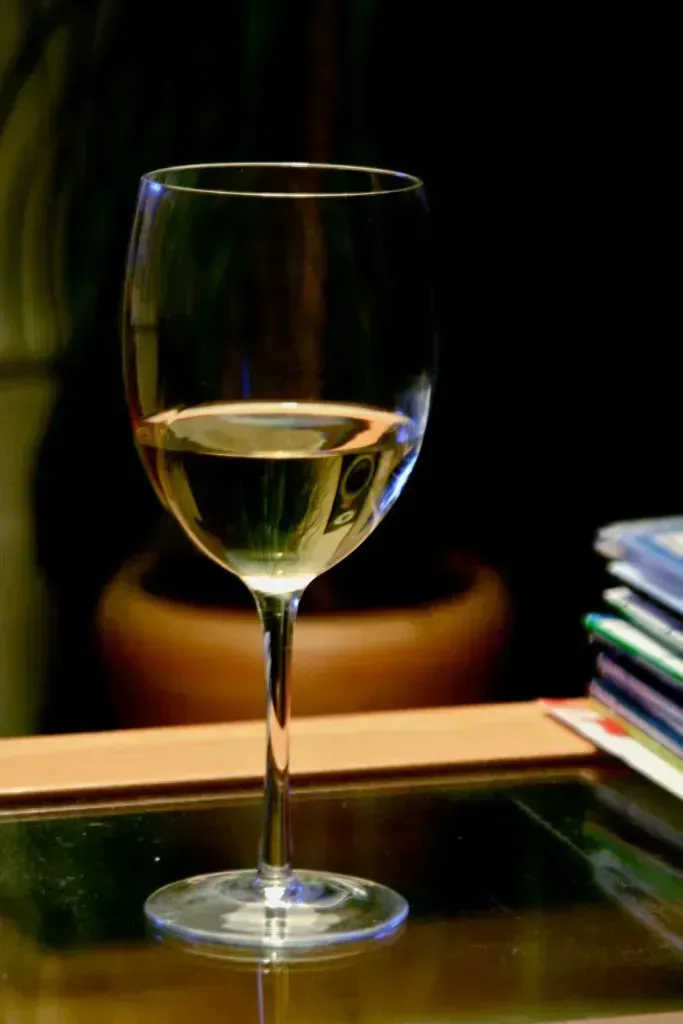
If you’ve ever bought a bottle of wine for around $14 at a liquor store and later seen that exact bottle on a restaurant menu for $55 or more, you know what this is about. Restaurants buy their wines wholesale, meaning that $14 bottle may actually cost them closer to $10 per bottle for a case of 12. According to Wine Spectator, the typical markup on a bottle of wine is twice the retail price or three times the wholesale price.
If you buy by the glass, the markup is probably even higher, because the restaurant expects some of the bottle to go to waste. Some places charge $15 for a single glass of wine from a bottle that costs them $20 wholesale. That means they recoup the entire bottle cost and more on just two pours. Ordering wine by the bottle rather than by the glass is usually the more rational approach, and choosing a bottle in the mid-range of the list often returns better relative value than the house pour, which tends to carry the steepest percentage markup of all.
None of this means you should stop ordering these things. Dining out has never been purely about efficiency. The point isn’t to turn every meal into a cost-benefit spreadsheet but rather to know which items are working hardest against your wallet so you can decide consciously rather than by default. As of mid-2025, the Consumer Price Index for food away from home had risen nearly 4 percent year-over-year, and that pressure isn’t going away anytime soon. Dining out is genuinely more expensive than it used to be, which makes knowing where the real value hides all the more important. Spend on the things that genuinely can’t be replicated at home. Skip the ones that can.



Leave a Reply