
There’s something specific about the atmosphere of a roadside diner. The long counter, the laminated menus so thick they feel almost architectural, the coffee that just kept arriving. There was a time when diners ruled the American food scene, serving as neighborhood gathering spots where comfort food, quick service, and friendly banter came together, with menus filled with hearty plates and quirky creations that fueled generations of late-night crowds, road trippers, and families alike.
The Interstate Highway System after World War II accelerated diner growth exponentially, placing these establishments at roadside stops where travelers expected a hot meal at any hour. Fast-food chains began eroding diner traffic in the 1970s, but the strongest independent diners survived because they offered something mass production couldn’t match: customization, community connection, and food that tasted homemade. What didn’t survive, though, were some of the most beloved dishes on those menus. Here are eight of them worth remembering.
1. Salisbury Steak with Mushroom Gravy
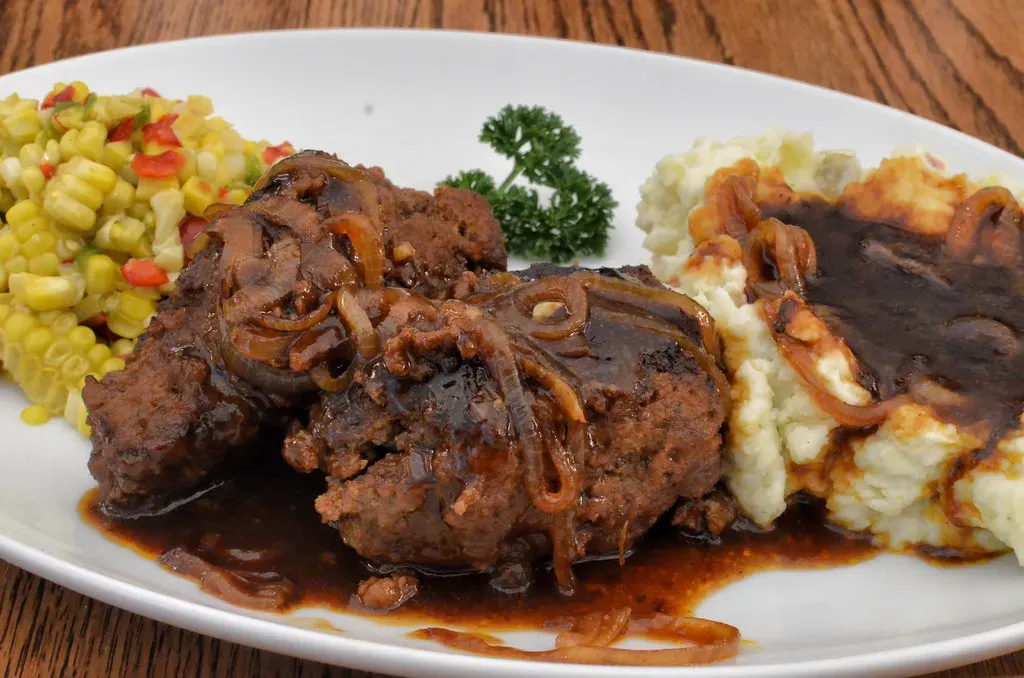
Salisbury steak was a classic, hearty diner dish of the past: ground beef in a creamy mushroom gravy, often served with potatoes. The simple diner dish, which was also often the star of 1950s canned food and TV dinners, didn’t start out as a diner staple. It was actually invented by a doctor named James Henry Salisbury, who wanted to help prevent malnutrition in American soldiers during the Civil War.
Diners across the country came up with their own versions: ground beef patties shaped and browned in a skillet, covered with thick mushroom gravy and baked until cooked through. It was often served with mounds of fluffy mashed potatoes, and as a menu item it was relatively cheap for diner owners but hearty enough to satisfy even the hungriest diner. Unfortunately, it was also a victim of its own success, as the 1950s boom in frozen and canned foods swept up many much-loved recipes in the trend for convenience cooking. Salisbury steak slowly faded from many restaurant menus in the 2000s, as more diners gravitated towards fresher, less processed meals, and is now a rarity outside of school lunches and frozen grocery aisles.
2. Chicken à la King
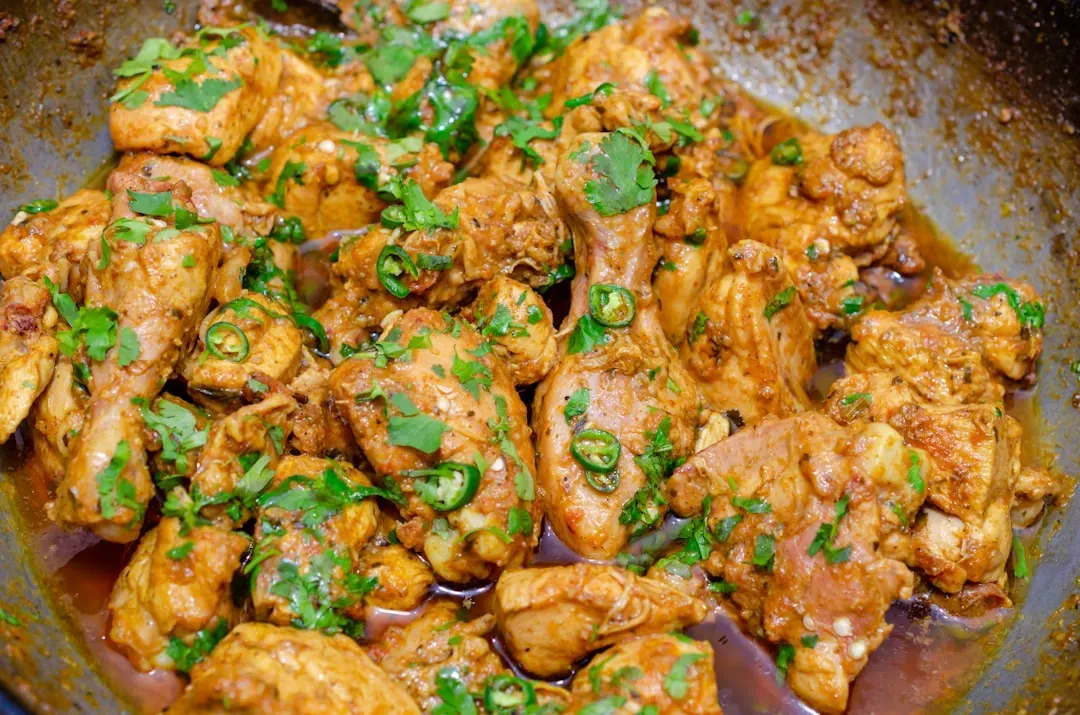
If there ever was diner royalty, it was Chicken à la King: chunks of chicken cooked in a creamy white sauce with mushrooms, peppers, and peas, poured over toast, rice, or noodles. It originated as a hotel dish in the early 1900s, but by mid-century it had become a staple in diners everywhere. It looked classier than your average blue plate special but was cheap enough to fit the menu.
The dish appeared on an estimated 300 different restaurant menus between 1910 and 1960 as a standard banquet item. Today, the heavy sauce is seen as dated and unhealthy compared to grilled or roasted options, and the dish has effectively been relegated to the history books or hospital cafeterias. Food writers were already penning its obituary by the 1980s as “New American” cuisine took over. It was one of those dishes that didn’t disappear all at once – it just slowly stopped getting ordered.
3. Creamed Chipped Beef on Toast
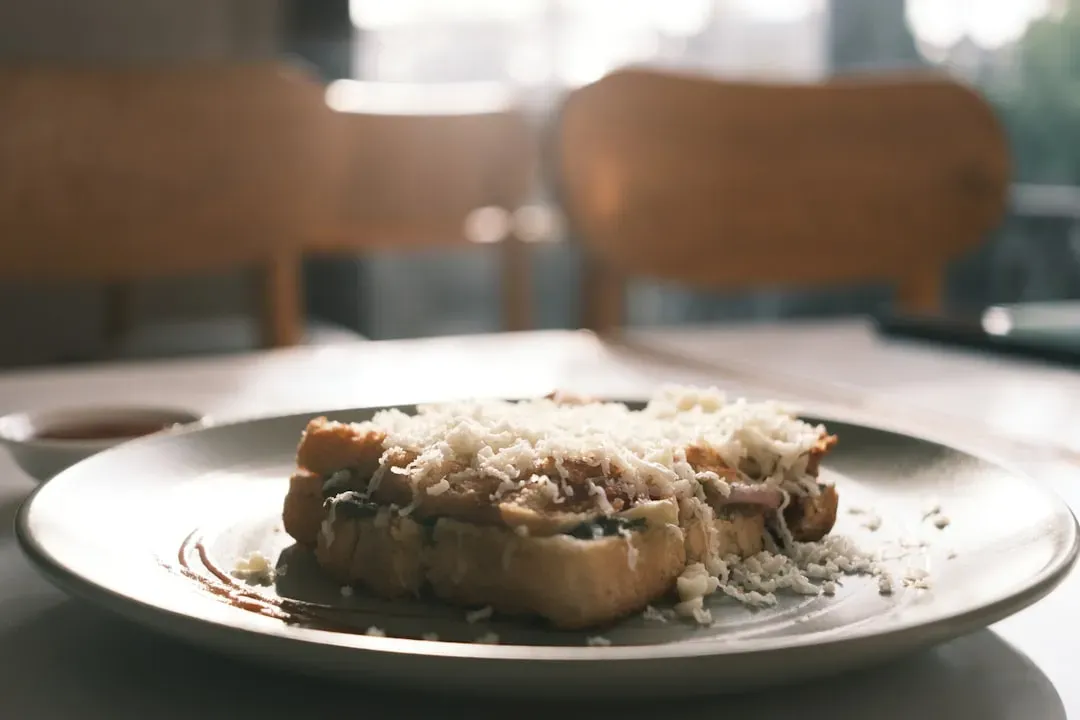
There was a time when you could walk into a diner-style restaurant chain, like IHOP or Cracker Barrel, and find creamed chipped beef on the menu. Those days are behind us, as both chains have discontinued the diner classic. However, you can still find the dish served in a few diners across the country. Creamed chipped beef is particularly popular with veterans, because it has been served in the army for decades, with the earliest written recipe likely appearing in the 1910 “Manual for Army Cooks.” It’s a simple yet hearty dish consisting of creamed beef, usually served on toast.
Known as “SOS” in military slang, it was once a staple due to its long shelf life and affordability. Defense food researchers highlight that high sodium levels and heavily processed beef contributed to its decline after the 1970s. Civilian diners moved away from the dish as healthier breakfast options emerged. What made it an icon of highway diners – cheapness, durability, and total reliability – ended up being exactly what made it easy to forget.
4. Liver and Onions
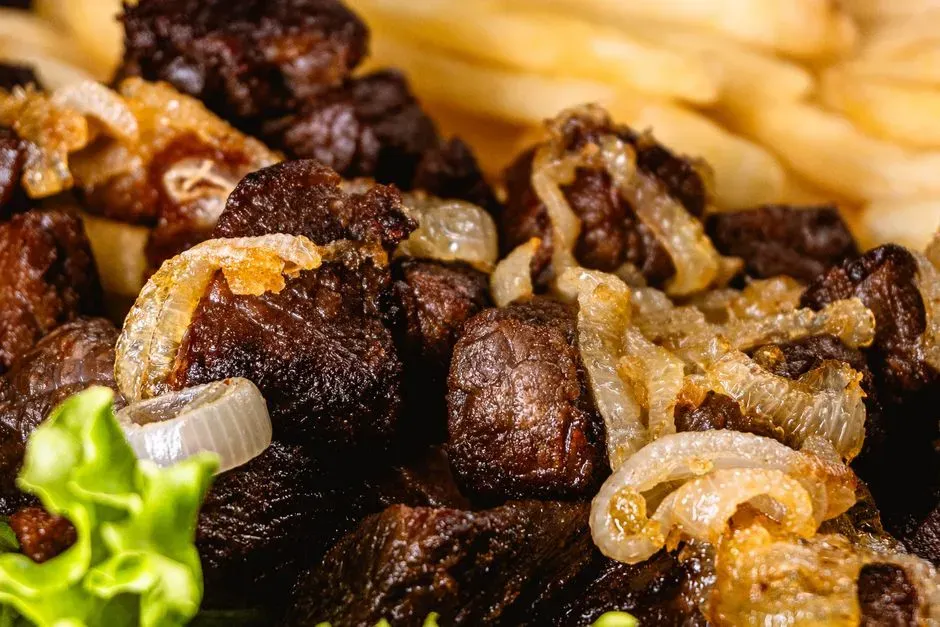
Liver and onions was a fixture of mid-century diners, offering an affordable, iron-rich meal. Beef liver was pan-fried and topped with caramelized onions, often accompanied by potatoes. For decades, liver and onions were as standard on a diner menu as meatloaf or fried chicken. It cooked quickly on a flat top, was affordable, and was packed with iron at a time when people cared less about flavor and more about “staying strong,” with the caramelized onions helping soften the sharp bite.
Once popular due to its low cost and high iron content, liver and onions faded as nutrition experts warned about high cholesterol and toxin accumulation in organ meats. USDA data shows that per capita liver consumption dropped significantly after the 1970s as leaner proteins became more available. Restaurants removed it from menus due to low demand among younger diners. While some diners still carry it, especially those with older clientele, the dish has largely fallen off menus, and younger generations tend to skip it, making it one of the first classic plates to disappear from most mainstream diners.
5. Oyster Stew
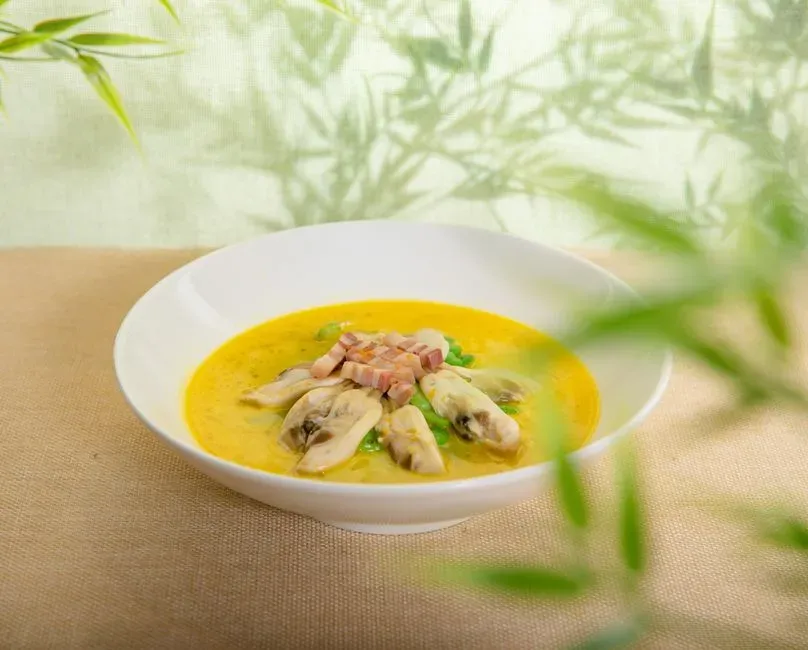
Oyster may not sound like diner fare today, but for much of the 20th century, oyster stew was a menu fixture. Regional variations existed: in New England, the stew was simple, usually just fresh oysters simmered with butter, milk or cream, and a touch of seasoning, while Southern cooks added onions, celery, and cayenne. The dish thrived because oysters were plentiful and inexpensive, so even inland diners could serve it using canned oysters.
A production boom in the 1800s saw oyster prices plummet, and the American working class couldn’t get enough. Markets and oyster bars sprang up in cities like New York, New Orleans, and Baltimore, while trains and the rise of refrigeration helped distribute canned oysters further inland. They were perfect for the diners that sprang up across the country in the early 20th century, where oyster stew regularly featured on menus. As oyster populations dwindled and prices climbed, and as diners shifted toward pancakes, burgers, and fries, oyster stew quietly disappeared.
6. Tuna Noodle Casserole
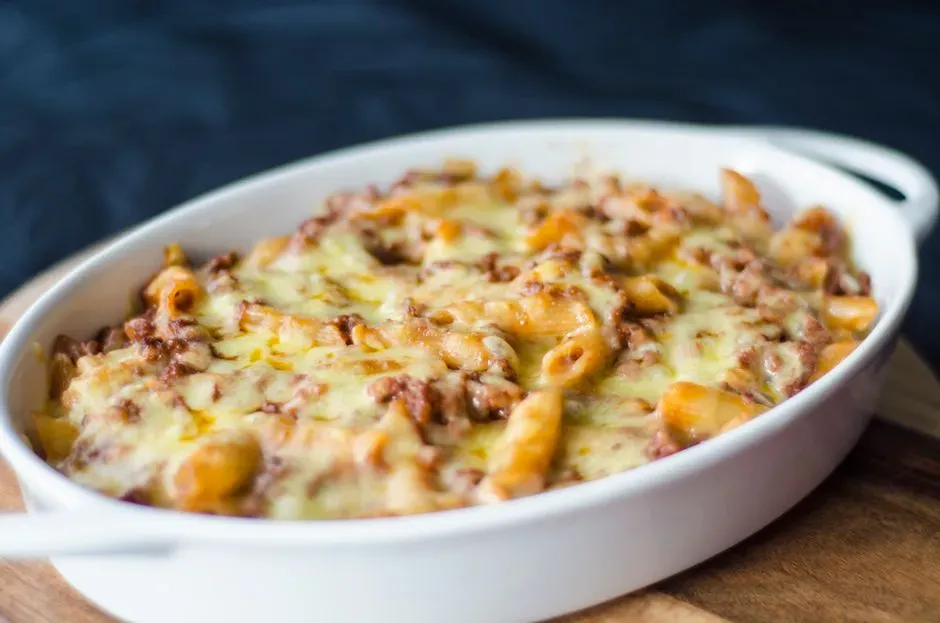
Tuna noodle casserole was a budget-friendly option that appeared on some diner menus in the mid-20th century. Made with canned tuna, egg noodles, peas, and creamy sauce, it was topped with breadcrumbs or cheese and baked until bubbly. Diners liked this casserole because it was easy to prepare in bulk, but over time it became more associated with home cooking and potlucks than with diners, leading to its gradual disappearance.
Few dishes evoke mid-century diner comfort like tuna casserole. The typical version combined noodles, canned tuna, and cream of mushroom soup, often finished with a crunchy topping of breadcrumbs or crushed potato chips. It fit neatly into the homestyle cooking diners specialized in: travelers could order the same kind of dinner they enjoyed at home. That familiarity was its charm, but also its quiet downfall – once it became purely a home dish in the cultural imagination, there was little reason to seek it out on the road.
7. Buckwheat Pancakes
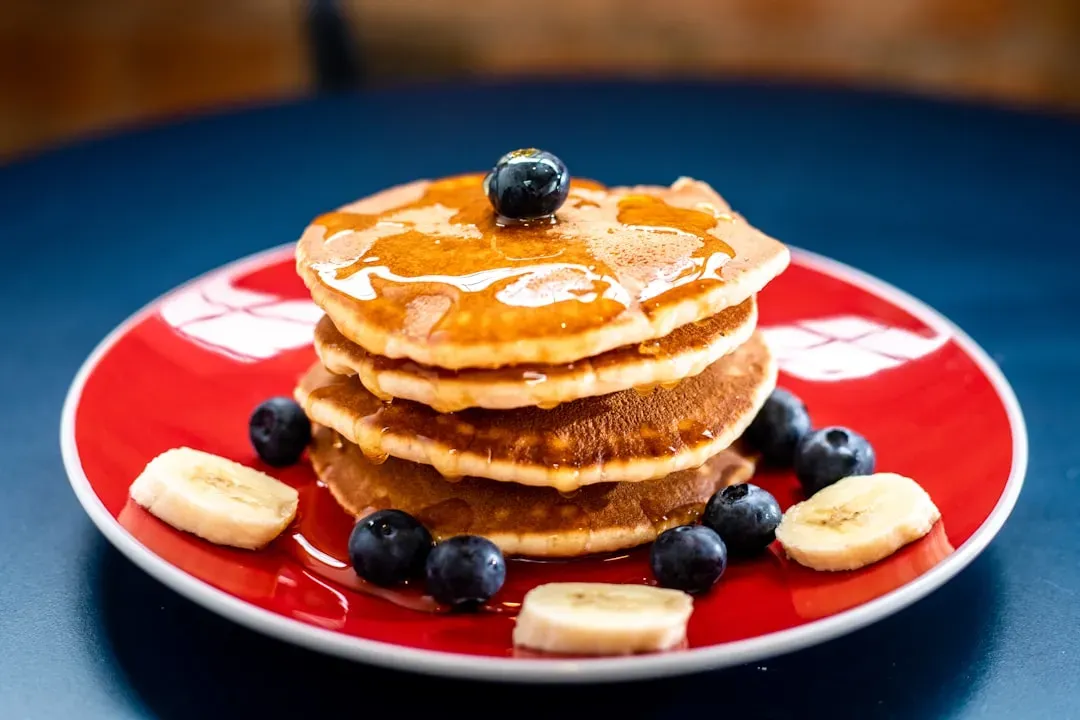
Buckwheat pancakes were darker and had a more earthy taste than those made from white flour or more luxurious ingredients. In America, diner patrons loved them for breakfast, but they were popular in both sweet and savory dishes. Over the years, buckwheat pancakes started to disappear from diner menus across the United States, and while some theorize it was the rise of processed white flour, others suggest regional tastes caused the shift.
They weren’t dramatic about their departure. Buckwheat pancakes haven’t disappeared entirely – in 2024, CBS Mornings reported on a family-owned Western New York outlet, open for only nine weeks per year, that still made them from scratch. That kind of scarcity tells its own story. A dish that once appeared as a matter of course on highway diner menus now exists as a seasonal curiosity maintained by one family in one corner of the country.
8. Rice Pudding
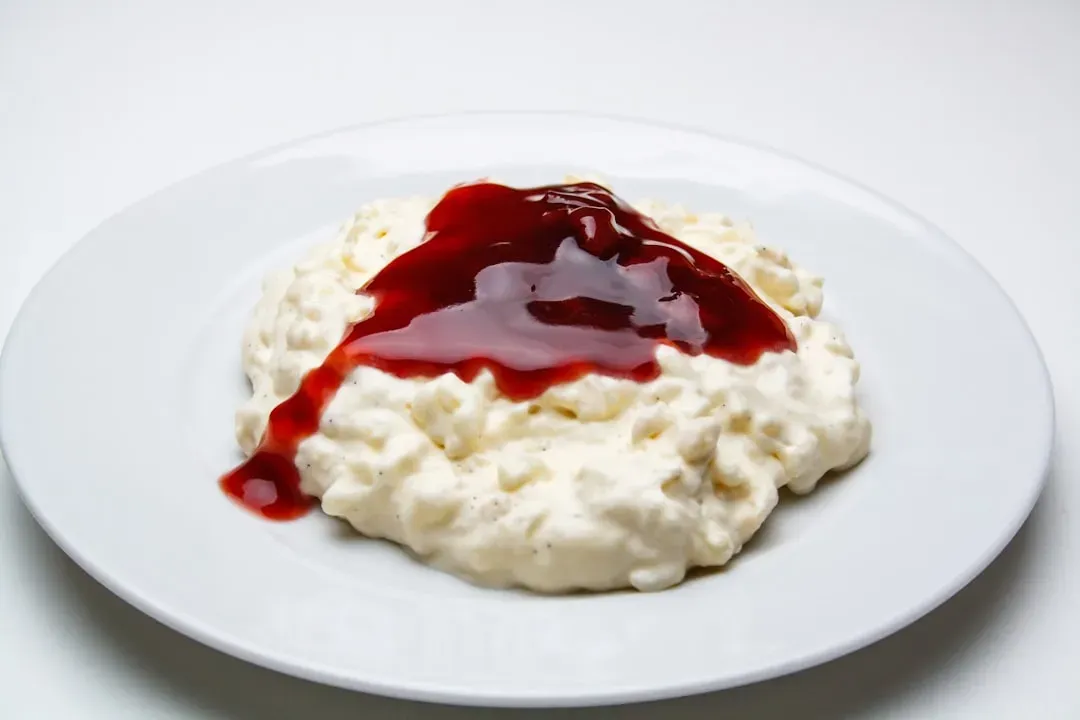
In the 1920s, rice pudding began appearing on diner menus across the United States, giving a sticky carbohydrate and sugar boost to everyone who ordered it. Diner-made rice pudding, oven-cooked, studded with raisins and topped with cream, became a go-to dish, especially in the North. For decades, rice pudding was the quiet closer on a diner menu. Rice baked into a custard with milk, sugar, and eggs and finished with a shake of cinnamon or nutmeg, it was cheap to make, easy to portion, and exactly the kind of homespun comfort that diners built their reputation on.
Rice pudding was always more of a granny dessert than a showstopper, so it ultimately faded away. Yes, diner menus offered malts, milkshakes, and multi-layer slices of cake, but desserts were almost an afterthought at many American diners, and pre-made or frozen desserts saved owners time and money while still being enjoyable enough for sweet-toothed customers. When corners got cut, house-made rice pudding was among the first things to go – and most people didn’t even register its absence until they reached the end of the menu and found nothing waiting for them there.
What’s worth noticing about all eight of these dishes is that none of them disappeared from scandal or sudden rejection. Many dishes that once defined the diner era have simply slipped away quietly. Tastes shifted, supply chains changed, and menus streamlined toward whatever sold fastest. The highway diner itself is still out there, chrome and neon and all, but the menu it carries today is a narrower version of what it once was – and these eight items are part of everything that got quietly left behind.


Leave a Reply