
Most homes have the basics covered. There’s food in the fridge, a Wi-Fi password written on the back of the router, and a junk drawer that somehow solves every problem. What separates a genuinely smooth-running household from a chaotic one, though, isn’t about having more stuff. It’s about having the right systems quietly in place.
The ten things below don’t get featured on home renovation shows or fill up Instagram feeds. They’re the unglamorous, practical additions that people only discover they need in moments of stress, scramble, or outright emergency. The good news is that putting them in place is usually simpler than you’d think.
1. A Household Management Binder
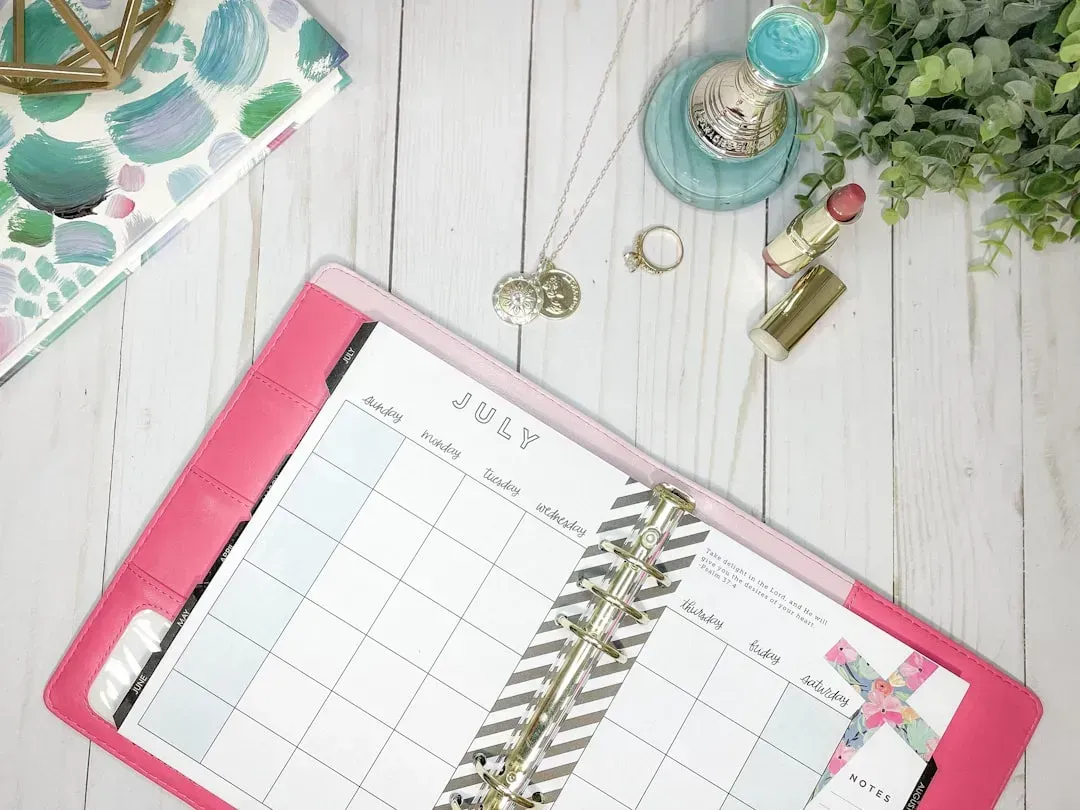
A home binder is the perfect way to collate all important information and tasks into categories to keep your home and family life running like clockwork. It’s a handy place to keep all your household details, tasks, and goals in one central spot. Think of it as the operating manual for your home, the document that answers every question a house-sitter, babysitter, or family member would need if you were suddenly unavailable.
A well-organized binder typically covers sections for emergency contacts, contractor information, school and childcare details, insurance summaries, and medical contact information. All family members should review it carefully on a quarterly basis so the information is always current. It takes an afternoon to assemble and saves hours of panicked searching later.
2. An Emergency Supply Kit
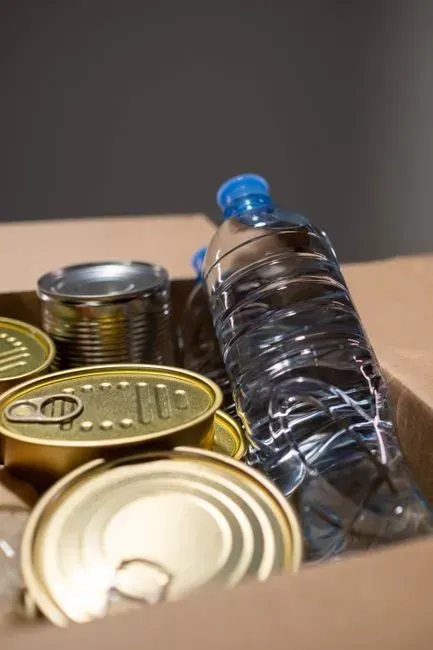
Just five percent of homes report having a fully stocked emergency supply kit, and one in five have none of the recommended supplies at all. That’s a striking gap considering how routine disruptions like severe storms, power outages, and water emergencies have become in recent years.
At a minimum, every household should have one gallon of water per person per day, covering at least a three-day supply for evacuation and a two-week supply for staying home, along with non-perishable, easy-to-prepare food for the same timeframes. Store items in airtight plastic bags and keep your entire disaster supplies kit in one or two easy-to-carry containers such as plastic bins or a duffel bag. The kit doesn’t need to be elaborate. It just needs to exist.
3. A Home Maintenance Log

Most homeowners know roughly when their roof was replaced or when the HVAC was last serviced. Far fewer have it written down anywhere. A simple maintenance log, whether a physical notebook or a digital file, tracks what was done, when, by whom, and at what cost. This becomes invaluable when selling your home, filing insurance claims, or troubleshooting recurring issues.
A paint color log, for example, helps you avoid costly mistakes like applying the right color in the wrong finish and having to repaint an entire wall. Keeping track of paint colors used in each room is the kind of small detail that pays for itself. The same logic applies to filter replacements, pest treatments, appliance service dates, and any structural work. A log takes two minutes to update and potentially saves thousands in avoidable repeat repairs.
4. A Documented Appliance and Warranty File

Taking inventory of your appliances and noting the age and condition of each helps you determine which items are most likely to need coverage or attention in the near future. Most households accumulate appliance manuals in a drawer and forget about them entirely until something breaks at the worst possible time.
A home appliance warranty is a service contract that covers major home systems and appliances, helping pay for repairs or replacements when breakdowns happen due to normal wear and tear. Coverage typically extends to essential systems like HVAC, electrical, and plumbing, as well as key appliances such as refrigerators, dishwashers, and washing machines. Keeping warranties, purchase receipts, and service contact numbers in a single folder, either physical or digital, transforms a stressful breakdown into a quick phone call.
5. A Centralized Digital and Physical Document System

A systematic approach to document storage is essential for managing household records efficiently. Store important documents such as tax forms, insurance policies, and estate plans in both digital and physical formats, using secure cloud storage for digital copies and labeling folders clearly for quick retrieval. Most people store documents in three different places simultaneously and can find them in none of them when it matters.
Digital binders are a modern solution, allowing you to share key documents with family members or advisors instantly. Well-organized records help reduce stress during tax season or emergencies. The physical backup still matters, too. Some people keep a slimmed-down digital backup in encrypted cloud storage, but the whole point of a physical binder is that it works when the internet doesn’t.
6. A Rotating Non-Perishable Pantry

This isn’t about stockpiling canned goods until your shelves groan. It’s about maintaining a modest, intentional reserve of shelf-stable foods you actually eat and rotating them regularly. A rotating pantry means you’re never caught completely unprepared during a severe weather event, a job disruption, or simply a week when errands didn’t happen.
When building a non-perishable food supply, consider your household size, dietary needs, budget, and available storage space. Having a backstock of single ingredients like peanut butter, canned goods, cereal, and nuts is also handy for stretching food supplies in difficult situations. The rotation principle is simple: shop from the front, restock at the back. Nothing expires. Nothing gets wasted. The household just quietly stays fed.
7. A Weekly Household Reset Routine

Not a cleaning schedule with color-coded tasks and laminated charts, though those work fine if you enjoy them. Rather, a consistent weekly window, even fifteen to thirty minutes, where the household resets. Dishes, laundry, paperwork, and a quick scan of the upcoming week. This kind of routine prevents the slow, almost unnoticeable return of clutter that can undo any organizational effort. The goal is to create habits that genuinely stick, designed around your specific lifestyle and problem areas.
Daily habits like making your bed, doing a quick kitchen counter wipe-down after dinner, sorting mail immediately, or doing a short household pickup where everyone puts things back in their proper place before bed all compound over time. Households that run well don’t rely on occasional heroic cleaning sessions. They rely on small, consistent resets that prevent chaos from building in the first place.
8. A Household Financial Summary Sheet
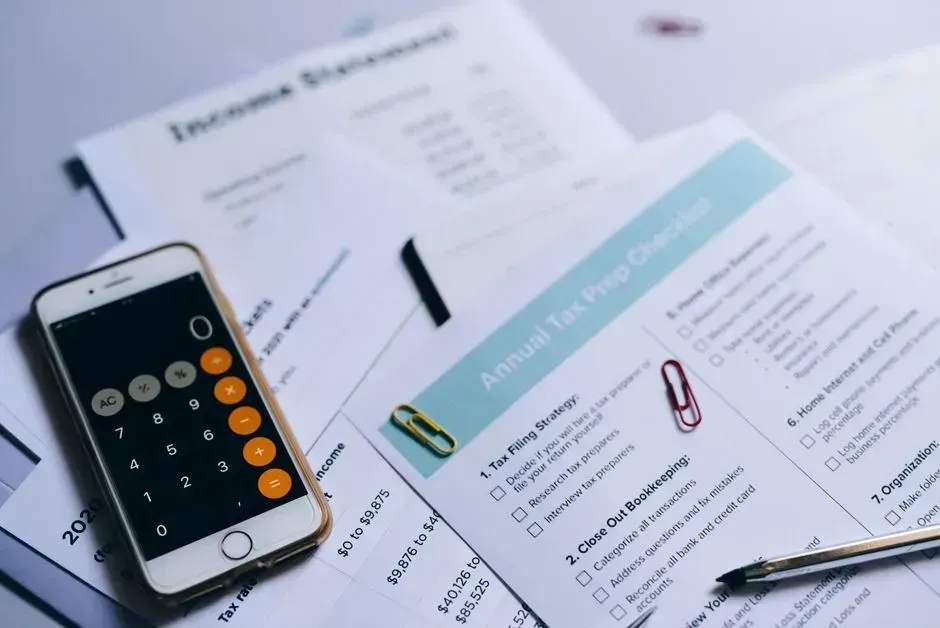
This is one of the most overlooked items in home management. A single document listing all recurring bills, subscription services, bank account numbers, insurance policy numbers, and the contact information for each provider. It doesn’t need to contain sensitive passwords, just enough information for a trusted family member to keep things running if you couldn’t.
In 2024, nearly half of families faced surprise expenses. Having robust financial preparedness makes it much easier to maintain household stability when life throws unexpected curveballs. A financial summary sheet also makes it surprisingly easy to spot forgotten subscriptions, outdated coverage amounts, and monthly expenses that have quietly crept up. A thirty-minute review once a year can reclaim a meaningful amount of monthly spending.
9. A Home Inventory for Insurance Purposes

If a fire, flood, or burglary occurred tomorrow, could you provide your insurance company with an accurate list of what you own? Most people couldn’t. A home and valuables inventory helps you keep track of possessions in case of an emergency, and it makes an enormous difference when processing insurance claims quickly and accurately.
The inventory doesn’t need to be exhaustive from day one. Start with high-value items such as electronics, jewelry, furniture, and appliances, and document model numbers, approximate purchase dates, and values. Photographs or short video walkthroughs stored securely in the cloud work even better than written lists. The primary concern in any emergency is escaping with loved ones, but it’s also critical to plan for financial recovery once the danger has passed. For most adults, that means purchasing, reviewing, and updating insurance coverage to reflect current needs.
10. A Dedicated “One In, One Out” System

The “one in, one out” rule is a simple yet powerful strategy to prevent clutter from re-accumulating. This minimalist-inspired principle ensures your home maintains its organized state by creating a system of equilibrium: for every new item you bring into your home, a similar item must leave. This rule transforms your mindset from passive accumulation to active curation.
Being intentional with what you keep is the defining shift. Instead of decluttering just for the sake of it, well-run households curate their spaces with items they truly use and love. This makes ongoing maintenance easier and helps create a home that feels calm and effortless to manage. It’s less a rule and more a quiet discipline. Practiced consistently, it’s one of the few systems that actually gets easier over time rather than harder.
None of these ten things require a large budget, a free weekend, or a personality transplant. Most of them take an afternoon or less to set up. What they share is the quality that defines every well-run household: they work in the background, quietly preventing the problems that other homes scramble to solve after the fact.




Leave a Reply