
Some flavor pairings shouldn’t work on paper, yet they show up on menus at some of the most respected restaurants around the world. Chefs who spend their careers testing what works on the palate often land on combinations that make home cooks raise an eyebrow. The logic isn’t random. It usually comes down to shared chemical compounds, contrasting textures, or a balance of salty, sweet, and acidic notes that the brain reads as harmony rather than chaos.
What follows is a look at some of these unlikely pairings, the reasoning chefs give for using them, and why your taste buds might actually agree once you try them.
Watermelon and Feta Cheese
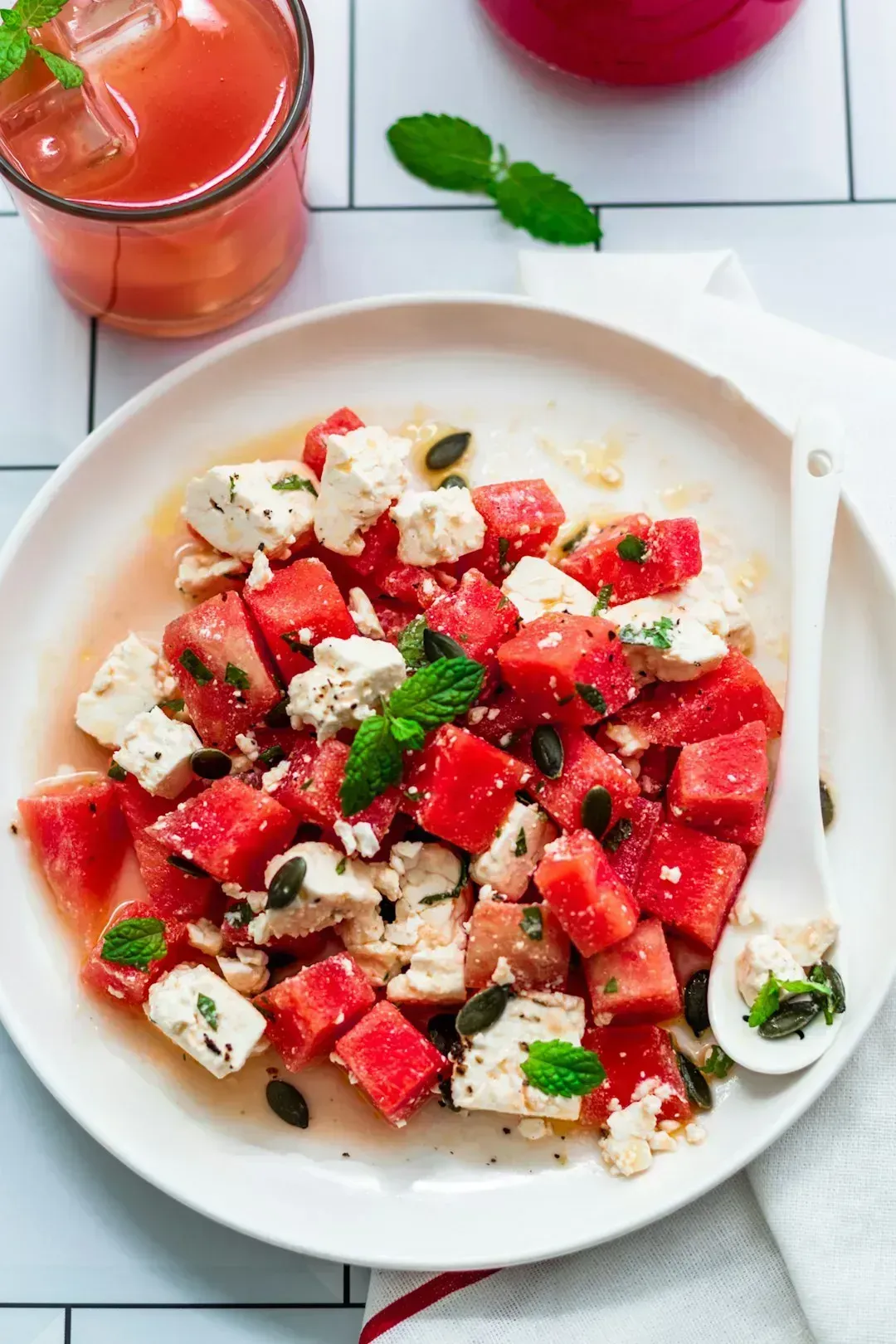
A juicy, sweet fruit next to a salty, crumbly cheese seems like an odd match at first glance. Chefs point to the contrast itself as the reason it works, since the sweetness of the watermelon cuts through the sharpness of the feta while the cheese adds a savory backbone the fruit lacks on its own. This pairing has become a staple on summer menus at Mediterranean-inspired restaurants, often dressed with a drizzle of olive oil and fresh mint.
The dish leans on basic taste balance, something culinary schools teach early on. Salt intensifies sweetness up to a point, which is part of why salted caramel and salted watermelon both taste more vivid than their unsalted versions. Add a squeeze of lime or a scattering of black pepper, and the combination becomes even more layered without losing its simplicity.
Chocolate and Chili
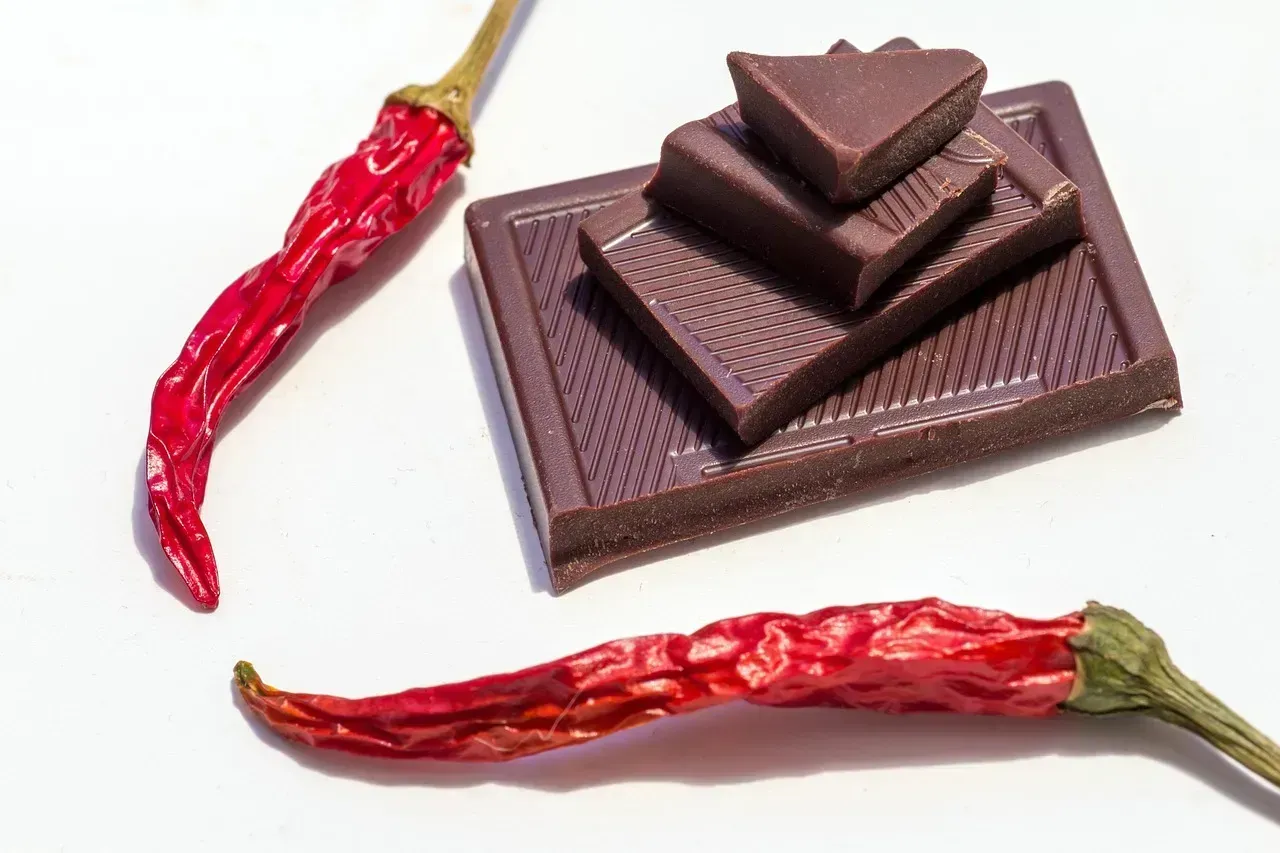
Mexican mole sauces have paired chocolate with chili peppers for centuries, long before it became trendy on dessert menus elsewhere. The bitterness of dark chocolate and the heat of chili peppers share a certain intensity, and chefs argue that the spice actually heightens the perception of sweetness rather than fighting it. This is why chili-infused chocolate bars and chocolate mole sauces over meat have found their way onto contemporary tasting menus.
Capsaicin, the compound responsible for chili heat, triggers a mild endorphin response that can make the surrounding flavors feel more pronounced. Chocolate, especially the darker varieties with higher cocoa content, carries its own bitter and slightly acidic notes that pair naturally with that heat. The result is a dessert or sauce that feels complex rather than simply sweet or simply spicy.
Strawberries and Balsamic Vinegar
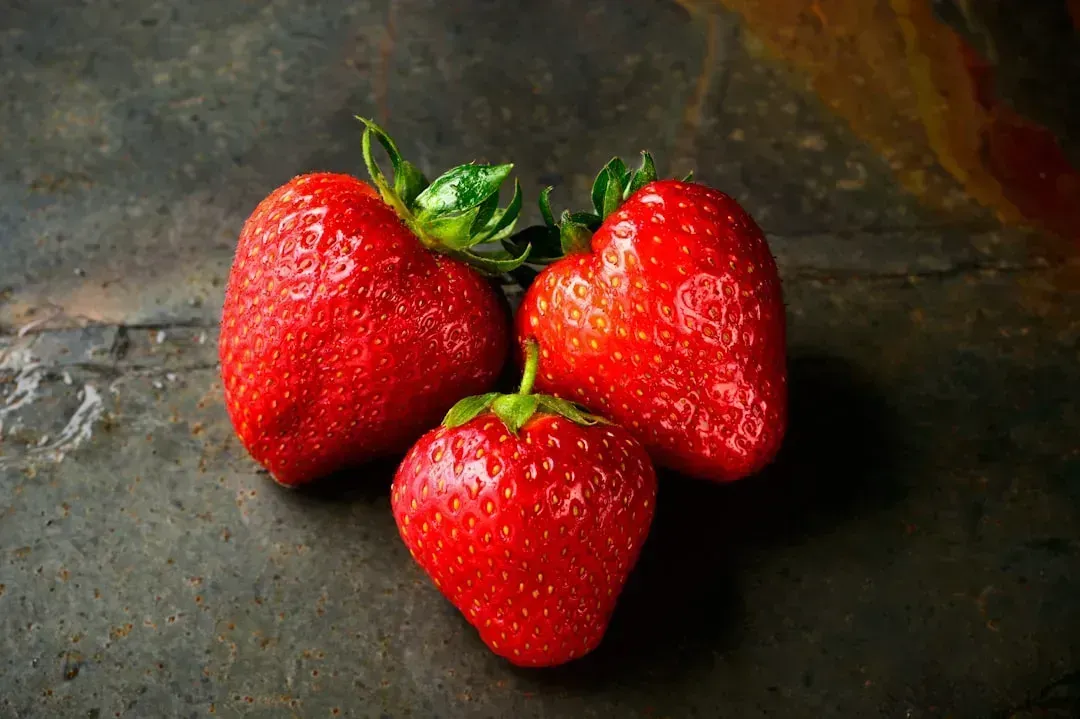
Drizzling vinegar over fresh strawberries sounds like it would ruin a good bowl of fruit, but Italian cooks have used this trick for generations. Balsamic vinegar carries a deep, slightly sweet acidity that draws out the natural sugars in ripe strawberries rather than masking them. Chefs often reduce the vinegar slightly first, which mellows its sharpness and creates a syrupy texture that clings to the fruit.
This combination shows up frequently in fine dining desserts, sometimes paired with black pepper or a scoop of vanilla gelato. The acidity resets the palate between bites, which is part of why balsamic reductions are common on cheese boards as well. It’s a small technique, but one that separates a basic fruit salad from something a pastry chef would actually plate.
Peanut Butter and Pickles
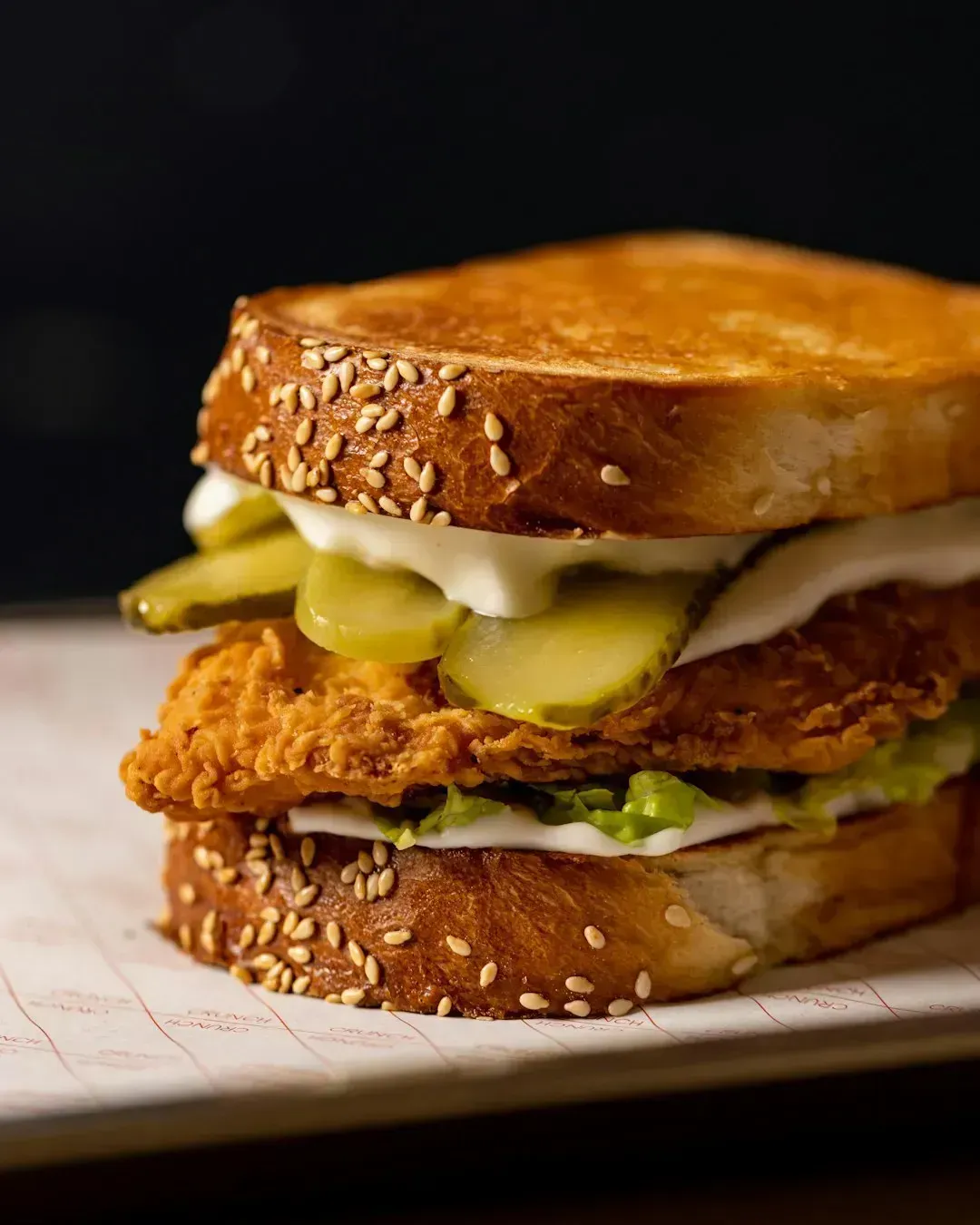
This one tends to get the strongest reactions, largely because pickles feel like they belong nowhere near peanut butter. Yet the fatty, creamy richness of peanut butter has a natural affinity for sharp, vinegary flavors, similar to how peanut sauces in Southeast Asian cooking often get a splash of lime or rice vinegar. The crunch of a pickle also adds a textural element that a smooth spread like peanut butter is missing on its own.
Some sandwich shops in the American South have served this combination for decades, often layering dill pickles with peanut butter on white bread. Chefs experimenting with elevated comfort food have picked up on the trend, using it as inspiration for peanut satay dishes finished with pickled vegetables. The acidity does the heavy lifting, cutting through the fat the same way vinegar cuts through fried food.
Fish Sauce and Caramel
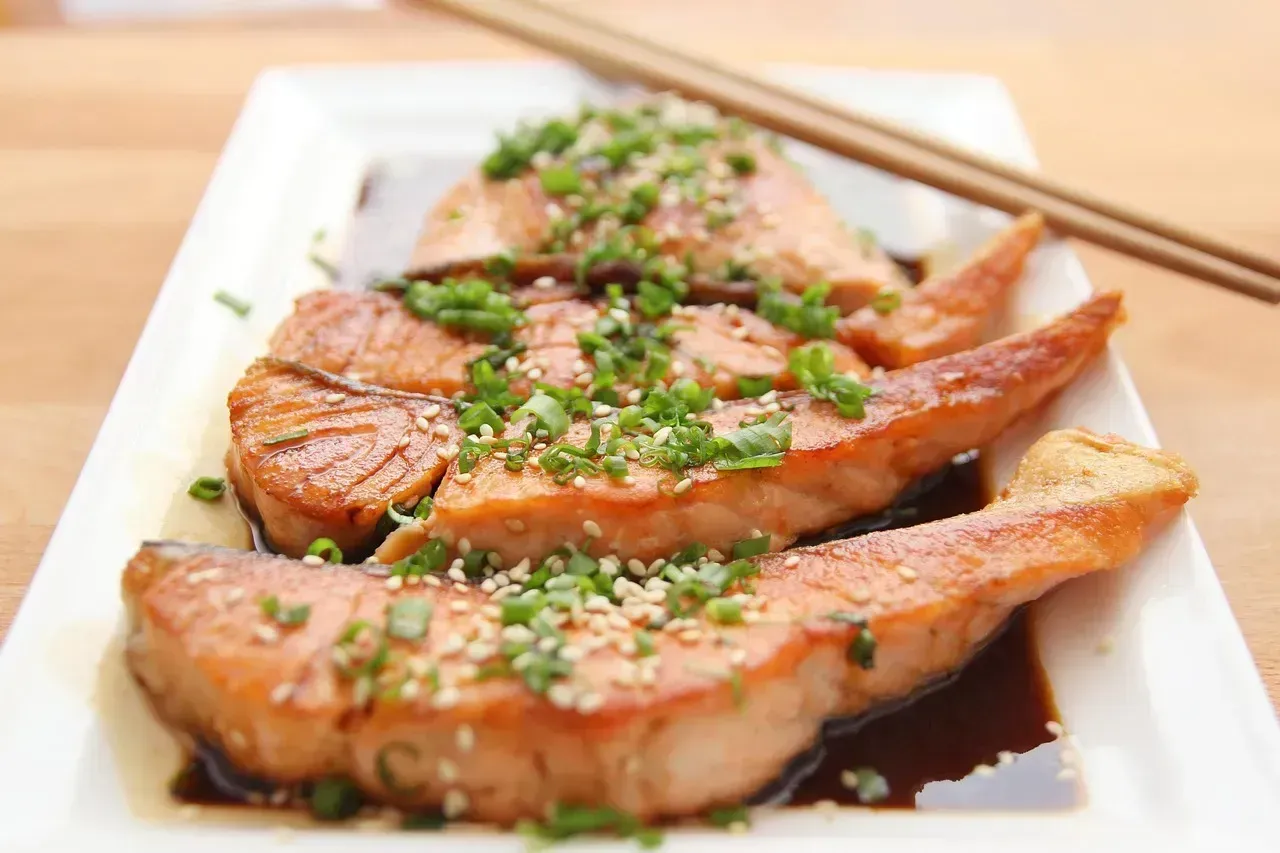
Vietnamese cooking has long combined fish sauce with caramelized sugar in dishes like caramel pork, and the pairing has slowly made its way into Western kitchens over the past several years. Fish sauce brings a deep umami saltiness, while caramelized sugar contributes bitterness and sweetness in equal measure. Together they create a savory-sweet base that coats meat and vegetables without tasting overtly fishy once cooked down.
Chefs trained in Southeast Asian techniques often describe this combination as building a fifth taste dimension that Western sauces, reliant mostly on butter and cream, tend to miss. The fermented funk of fish sauce mellows significantly with heat, leaving behind a rounded savoriness. It’s become common enough that some upscale restaurants now list caramel fish sauce glazes on their menus as a signature technique rather than a novelty.
Blue Cheese and Honey
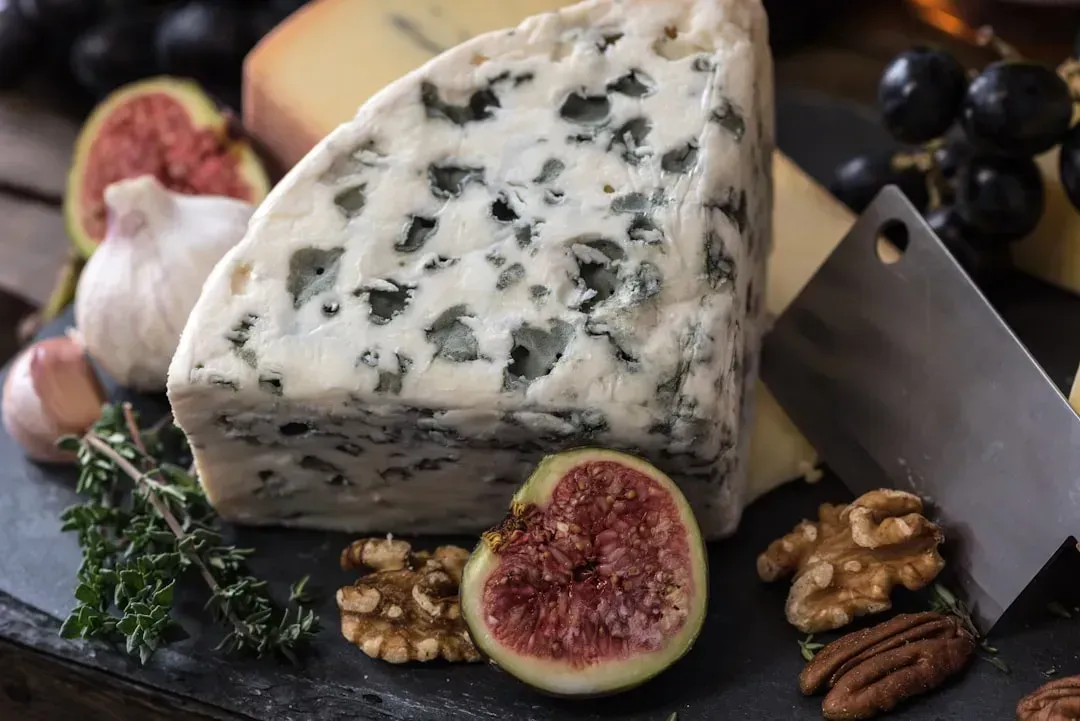
Pungent, salty blue cheese next to sticky sweet honey seems like it shouldn’t balance out, but cheese boards have featured this pairing for a long time. The sweetness of honey softens the sharp, sometimes bitter edge of blue cheese, while the cheese’s saltiness keeps the honey from feeling one-note. Chefs often recommend a lighter floral honey, since darker varieties can compete with the cheese rather than complementing it.
This pairing works on the same principle as salted caramel, where sweet and salty elements amplify each other rather than canceling out. Blue cheese also carries a slightly funky, almost mineral quality that honey’s floral notes help soften. It’s a small addition, but one that turns a simple cheese plate into something that feels intentional and considered.
Bacon and Maple Syrup

This one has become mainstream enough that it barely raises eyebrows anymore, but it remains a useful example of why salty and sweet pairings keep showing up across cuisines. Crispy bacon carries smoky, salty, and fatty notes, while maple syrup contributes a deep sweetness with slightly earthy undertones from the boiling process used to make it. Chefs have leaned into this pairing for everything from breakfast dishes to donuts glazed with bacon bits on top.
The fat content in bacon actually helps carry the flavor of maple syrup further across the palate, since fat is an effective flavor delivery system. This is part of why so many baked goods use butter or oil rather than relying on sugar alone for flavor. The combination has become common enough in North American diners that it barely counts as unusual anymore, though it once did.
Anchovies and Vanilla
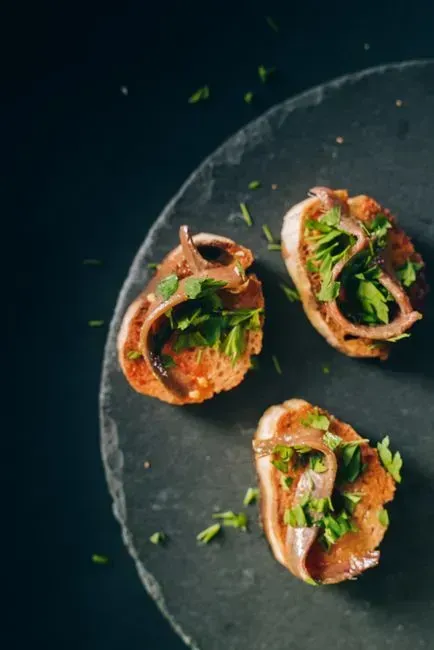
Few pairings sound as unlikely as a briny, intensely savory fish next to a delicate, sweet spice, yet some chefs have experimented with anchovy-infused sauces served alongside vanilla-scented cream in seafood dishes. The umami depth of anchovies pairs surprisingly well with the subtle sweetness of vanilla, creating a savory dessert-like quality that works particularly well with scallops or white fish. This is not a common pairing outside of experimental kitchens, but it has shown up on tasting menus at restaurants known for pushing flavor boundaries.
Vanilla contains compounds that interact well with umami-rich ingredients, softening their intensity while adding a rounded sweetness. Anchovies, despite their strong reputation, dissolve into sauces and become far less overtly fishy once cooked, leaving behind a deep savoriness rather than a sharp taste. Chefs who use this combination often describe it as a way to add complexity to seafood dishes without relying on traditional butter or citrus.
Coffee and Black Pepper

Coffee rubs on steak have become common in steakhouse kitchens, but adding black pepper directly into coffee itself is a less familiar step that some baristas and chefs have started experimenting with. The bitterness of coffee and the sharp heat of black pepper share a certain intensity that can make both flavors feel more vivid together than they do apart. This pairing shows up most often in savory coffee-based marinades or rubs rather than in the cup itself, though some specialty coffee shops have tested spiced coffee drinks along these lines.
Black pepper contains piperine, a compound that can enhance the perception of other flavors around it, which is part of why it’s used so widely in cooking to begin with. Coffee’s natural bitterness provides a strong base for pepper’s sharpness to build on without one flavor completely overpowering the other. Chefs working with dry-aged beef in particular have used coffee and pepper rubs to create a crust that adds both bitterness and heat to balance the richness of the meat.
Miso and Caramel
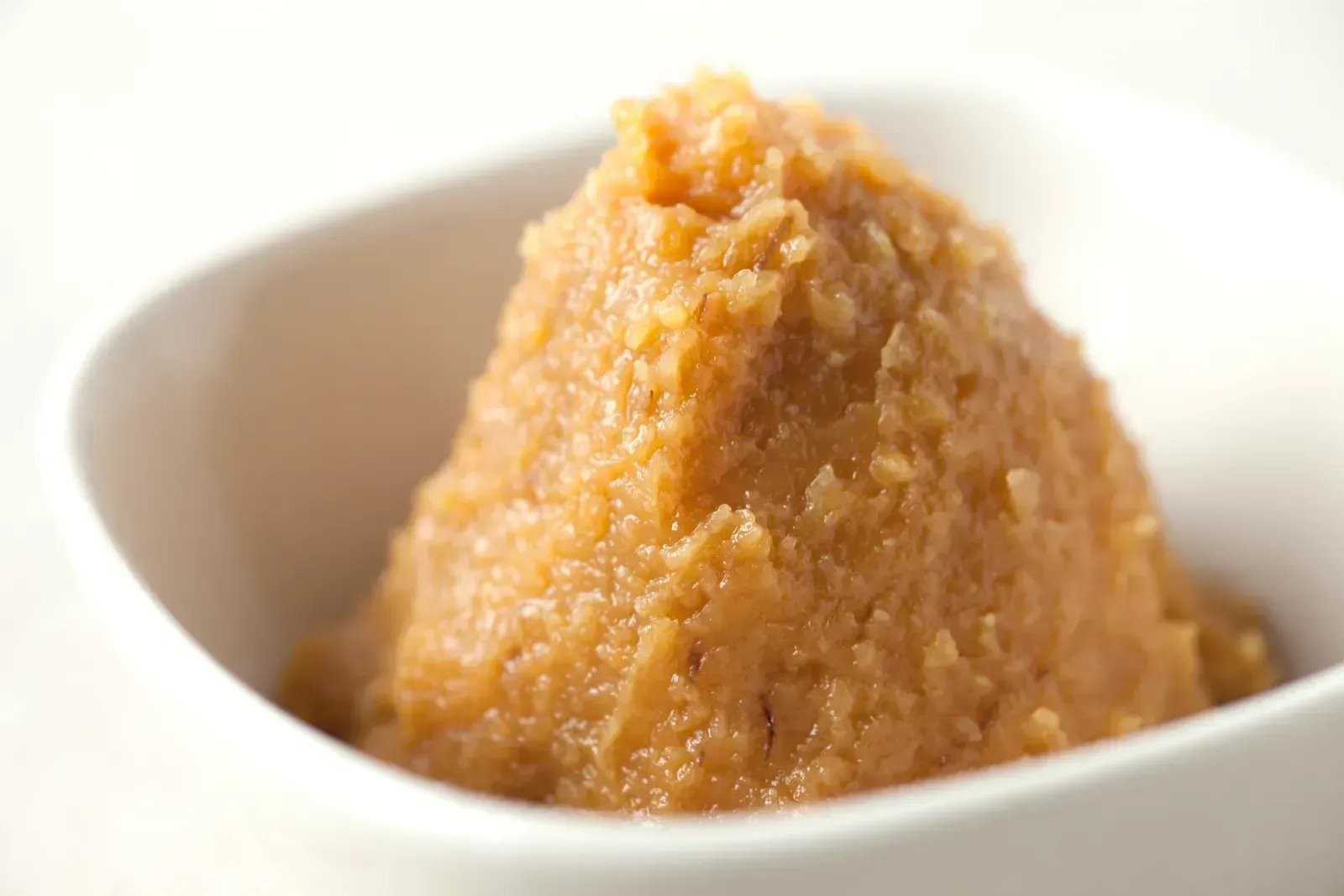
Miso paste, fermented and intensely savory, doesn’t seem like it belongs anywhere near a sweet dessert component like caramel, yet pastry chefs at several acclaimed restaurants have used miso caramel in everything from ice cream to tart fillings. The fermentation process in miso creates deep umami flavors along with a subtle sweetness of its own, which blends surprisingly well with the sugary, slightly bitter notes of caramel. This pairing has grown in popularity over the past few years as more chefs incorporate fermented Japanese ingredients into Western-style desserts.
The saltiness of miso plays the same role that flaked sea salt does in traditional salted caramel, heightening the sweetness rather than competing with it. Miso caramel has shown up on dessert menus at restaurants experimenting with fusion techniques, often paired with something crunchy like sesame brittle to add textural contrast. It’s a pairing that requires balance, since too much miso can overwhelm the dish, but done correctly it creates a dessert that tastes rounded rather than simply sugary.

Leave a Reply