
1. Mercurochrome and Merthiolate
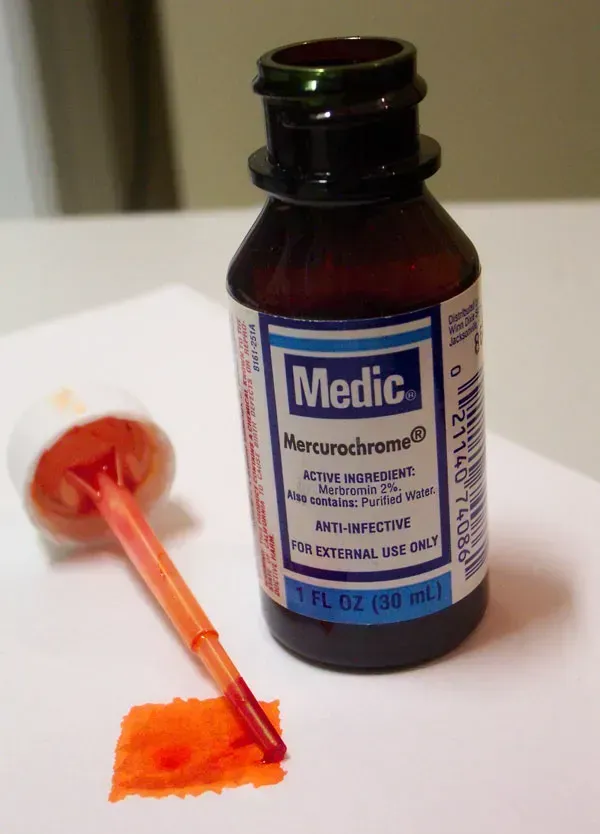
For generations, a scraped knee meant a dab of orange or red liquid that stung for a second and left a stain that lasted for days. Mercurochrome and Merthiolate were the antiseptics of choice in nearly every American household, prized for making it obvious where the medicine had been applied. Both contained mercury compounds, which turned out to be the problem.
The FDA reclassified merbromin, the active ingredient in Mercurochrome, from generally recognized as safe to untested in 1998, which effectively halted its distribution within the United States citing potential mercury poisoning. Regulators had also determined that the products were only bacteriostatic, meaning they did not actually kill the micro organism, and once washed off the bacteria was allowed to spread. Today’s version of the brand exists only in mercury-free form, and the original orange-stained cotton ball is largely a memory.
2. Talc-Based Johnson’s Baby Powder
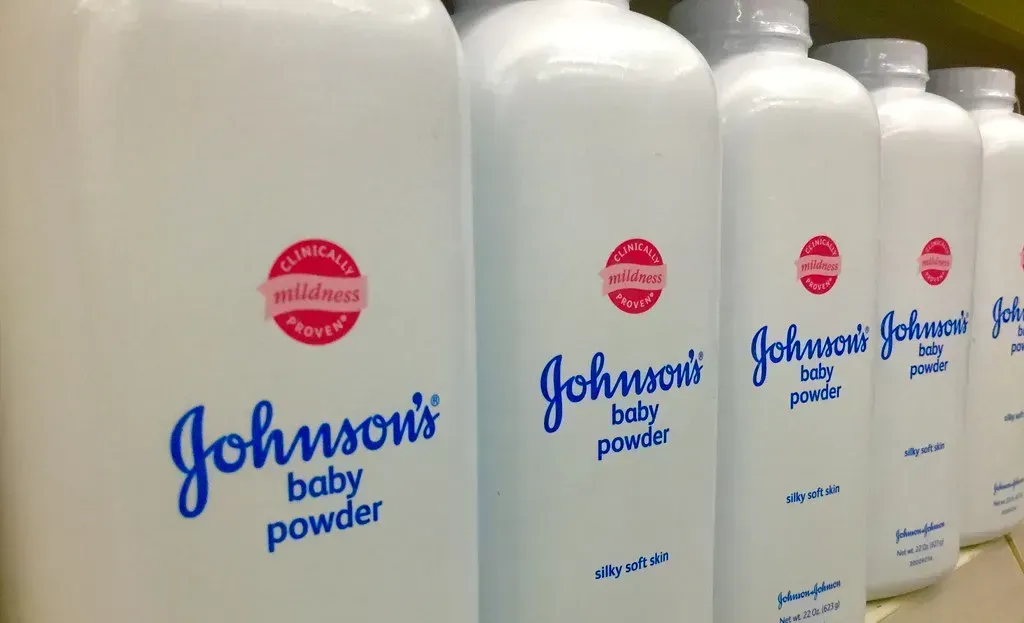
A can of Johnson’s Baby Powder sat on nearly every changing table and in nearly every bathroom cabinet in 1990, a soft-scented staple that felt as harmless as a bar of soap. That confidence eroded slowly, then all at once, as lawsuits accumulated over the decades tying the product to ovarian cancer and mesothelioma claims.
Johnson & Johnson announced in 2022 that as part of a worldwide portfolio assessment, it had made the commercial decision to transition to an all cornstarch based baby powder portfolio, discontinuing talc based Johnson’s Baby Powder globally in 2023. The company had already stopped selling the product in the United States and Canada, more than two years after it stopped selling the product in the United States and Canada due to falling demand. The talc-based can that once sat next to the cotton balls has essentially disappeared from American shelves.
3. Syrup of Ipecac
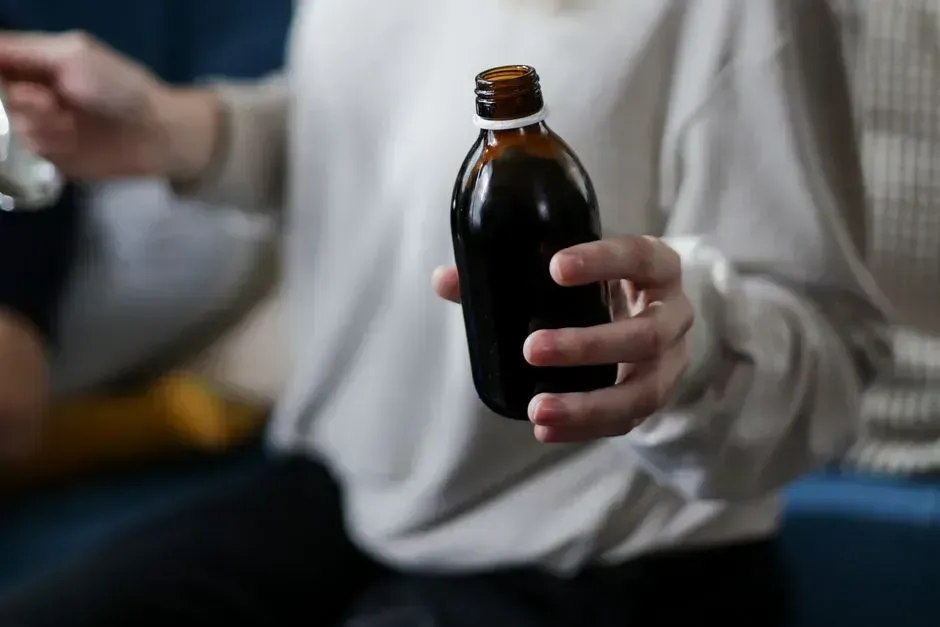
Parents in 1990 were told, often by their pediatrician, to keep a small brown bottle of ipecac syrup on hand in case a child swallowed something poisonous. It was considered basic childproofing, right alongside outlet covers and cabinet locks, a bottle nobody hoped to use but everyone kept anyway.
That guidance reversed dramatically. The American Academy of Pediatrics officially reversed its long standing recommendation in 2003, advising parents to no longer keep ipecac syrup in their homes and suggesting its disposal. The reasoning was straightforward: research had failed to show it actually improved outcomes, and Humco and Paddock Laboratories, the last two companies to continue manufacturing ipecac syrup, both stopped production in 2010. Poison control centers now recommend calling a hotline instead, and the bottle that once sat quietly in the cabinet corner is essentially gone from American homes.
4. Mercury Glass Fever Thermometers
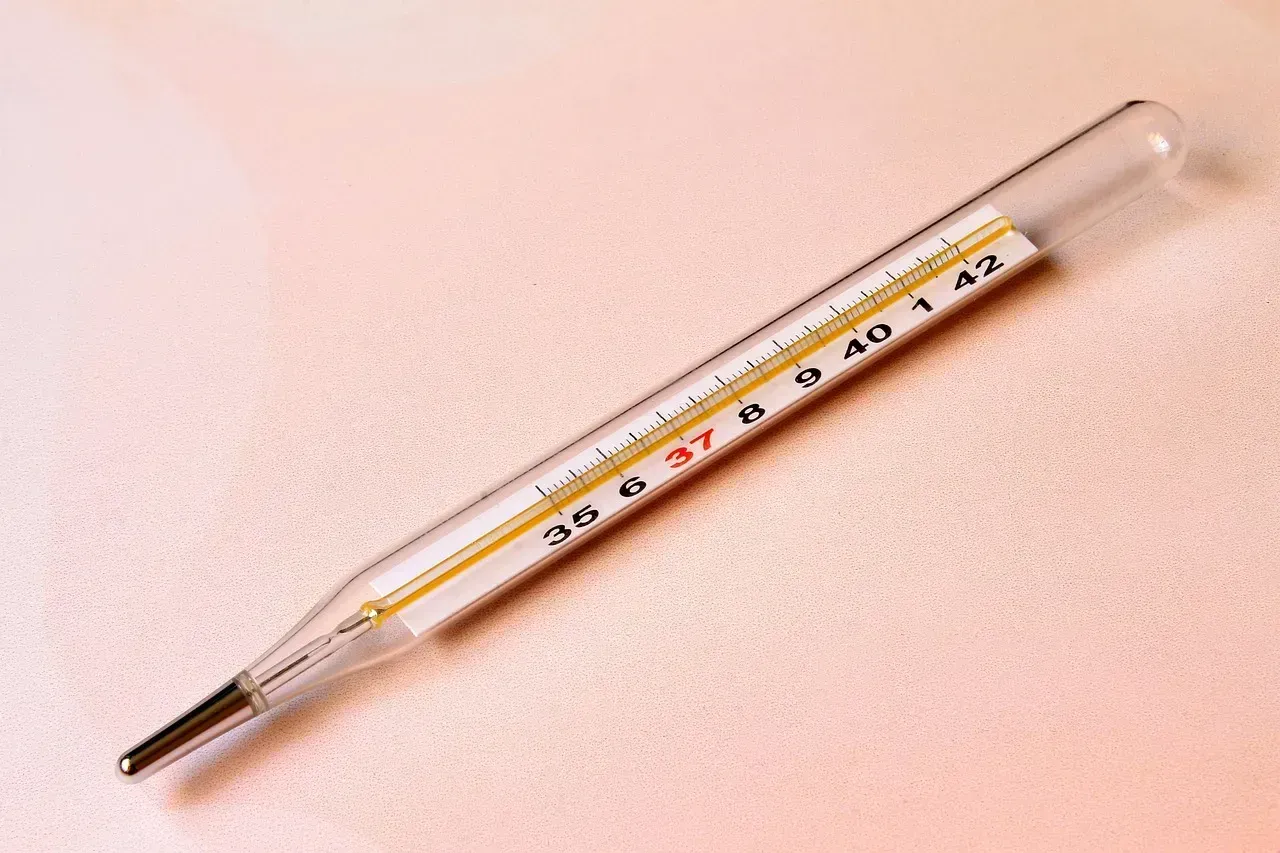
The thin glass thermometer with the silver bead of mercury inside was as familiar as a toothbrush in most households in 1990. Shaking it down before use, watching the line creep upward under your tongue, was practically a childhood rite of passage tied to every sick day.
State by state, that thermometer disappeared from pharmacy shelves. Since 2001, 20 states have banned mercury fever thermometers for medical use, and regulations tighten every year, while federal support for the technology evaporated when the National Institute of Standards and Technology stopped calibrating them. By the time digital and infrared alternatives became affordable and reliable, the retail sale of mercury thermometers had been banned or restricted in at least 18 states, leaving the glass version a rare find outside of antique shops.
5. Home Permanent Kits
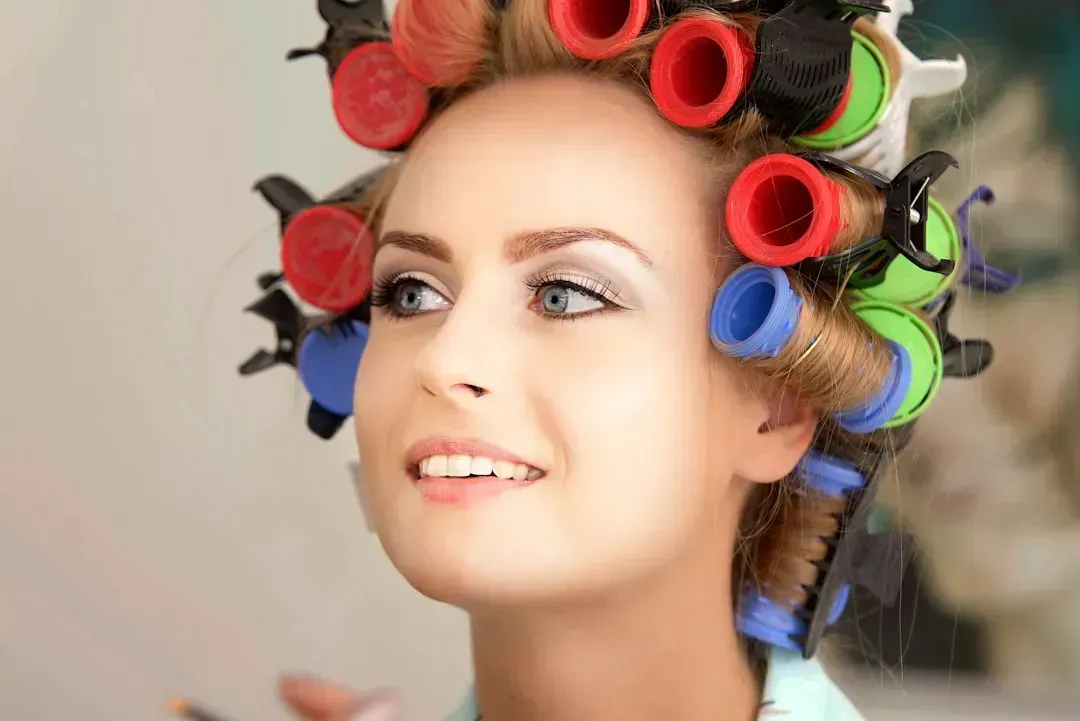
Boxes of Toni or Ogilvie home perm kits used to sit in bathroom cabinets across the country, ready for the smell of ammonium thioglycolate to fill the house on a Saturday afternoon. Curling your own hair at home with rods, papers, and a neutralizing solution was a normal weekend project rather than a niche hobby.
The Toni Home Permanent Company built its business on being a cheaper alternative to salon perms after Neison and Irving Harris established the Toni Home Permanent Company in 1944, and it grew enormously popular through the mid century. Home perms still exist today, mostly through legacy brands like Ogilvie, but as hairstyles shifted and professional straightening and coloring services became more accessible, the DIY perm kit went from a bathroom staple to something you have to search for online rather than grab off a drugstore shelf.
6. Men’s Hair Tonics Like Brylcreem and Vitalis
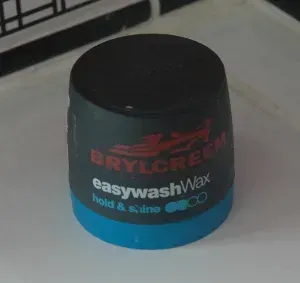
A small dab of greasy hair tonic was as essential to a man’s morning routine in 1990 as shaving cream, promising a controlled, slicked look that had dominated men’s grooming for decades. Bottles of Vitalis and jars of Brylcreem sat next to the razor in countless bathroom cabinets, backed by decades of advertising that had made them household names.
As hairstyles loosened up through the 1990s and 2000s and matte, natural looks replaced the slicked back style, demand for heavy tonics faded steadily. Modern styling products, from lightweight pomades to clay-based waxes, largely replaced the old-fashioned greasy formulas, and while a few legacy tonics still exist on niche shelves, they no longer occupy the prominent spot they once held in the average American bathroom.
7. Boric Acid Powder
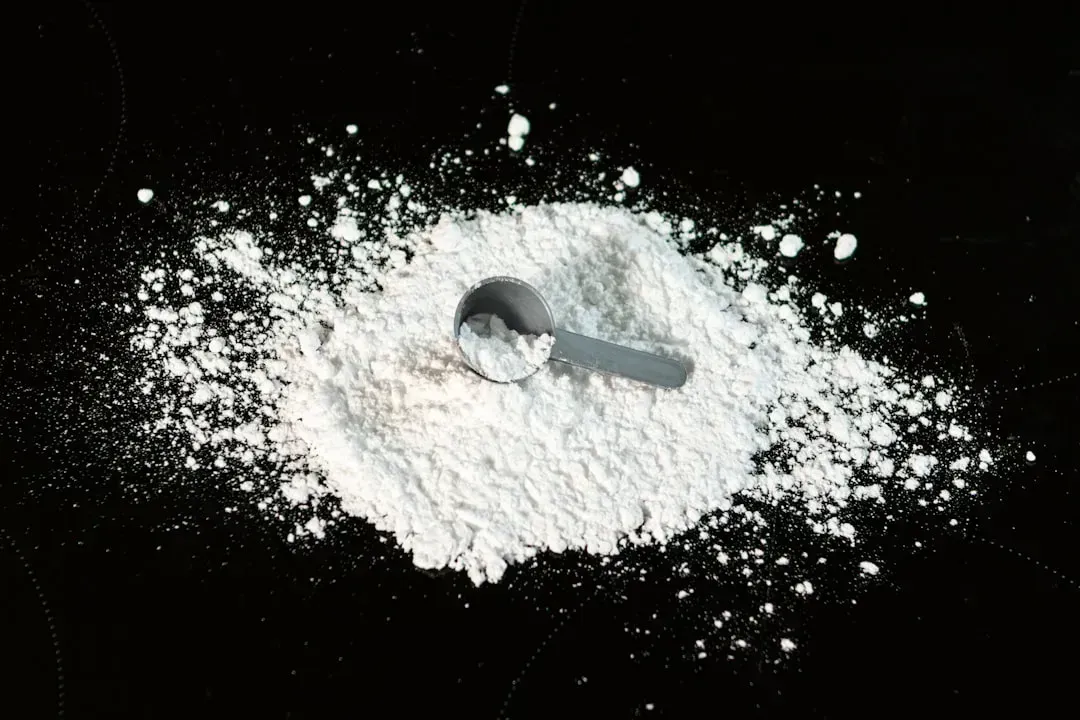
A small tin or box of boric acid powder used to be a multi-purpose fixture in many bathroom cabinets, used for everything from mild eyewashes to minor antiseptic purposes and household pest control. It was cheap, simple, and considered a harmless, all-purpose remedy by an entire generation of households.
Growing awareness of its toxicity, particularly the risk it poses to children and pets if ingested, pushed boric acid out of everyday medicine cabinets and into a narrower, more specialized role. It still shows up occasionally in pest control products and certain medical formulations, but the general-purpose household tin that once sat casually next to the cotton swabs has largely disappeared from ordinary bathroom shelves.
8. Traditional Shaving Mugs, Brushes, and Bar Soap
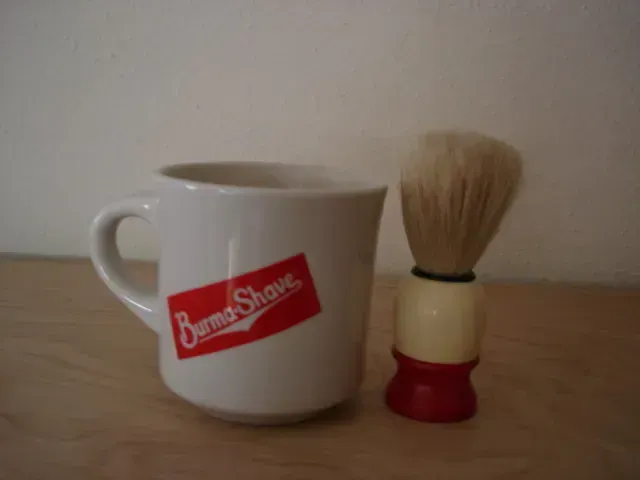
Before canned foam took over completely, many bathroom cabinets in 1990 still held a leftover shaving mug, a badger-hair brush, and a hard cake of shaving soap, tools that had been passed down through generations. Working up a lather by hand with a brush was, for a meaningful slice of American men, still part of the daily shaving ritual rather than a retro curiosity.
Aerosol and gel shaving creams had already been dominating drugstore shelves for years by 1990, and the trend only accelerated afterward, pushing the classic mug-and-brush setup toward near extinction in typical households. There has been a small, dedicated wet-shaving revival among enthusiasts in recent years, but for the average American bathroom, the brush and mug that once sat by the sink have been replaced almost entirely by a can of foam or a tube of gel.
The items that once filled those cabinets tell a quieter story than most nostalgia pieces admit. Some disappeared because science caught up with old assumptions about mercury and safety. Others simply lost out to convenience, changing style, or better alternatives. Either way, the 1990 bathroom cabinet, cluttered, familiar, and slightly mysterious to kids poking around in it, has largely given way to something leaner, safer, and a little less interesting to explore.


Leave a Reply