
Most people treat laundry as background noise, a chore to get through rather than a task worth thinking about. Yet the way clothes are washed, dried, and stored has a direct effect on how long they last and how good they look while they do. Small, repeated choices, made without much thought, are often the reason a favorite sweater shrinks or a bright shirt fades faster than expected.
None of these habits are dramatic mistakes. They are ordinary routines that feel efficient in the moment but slowly wear fabric down over months and years. Looking closely at a few of them explains why clothes age faster than they should.
Washing Everything in Hot Water
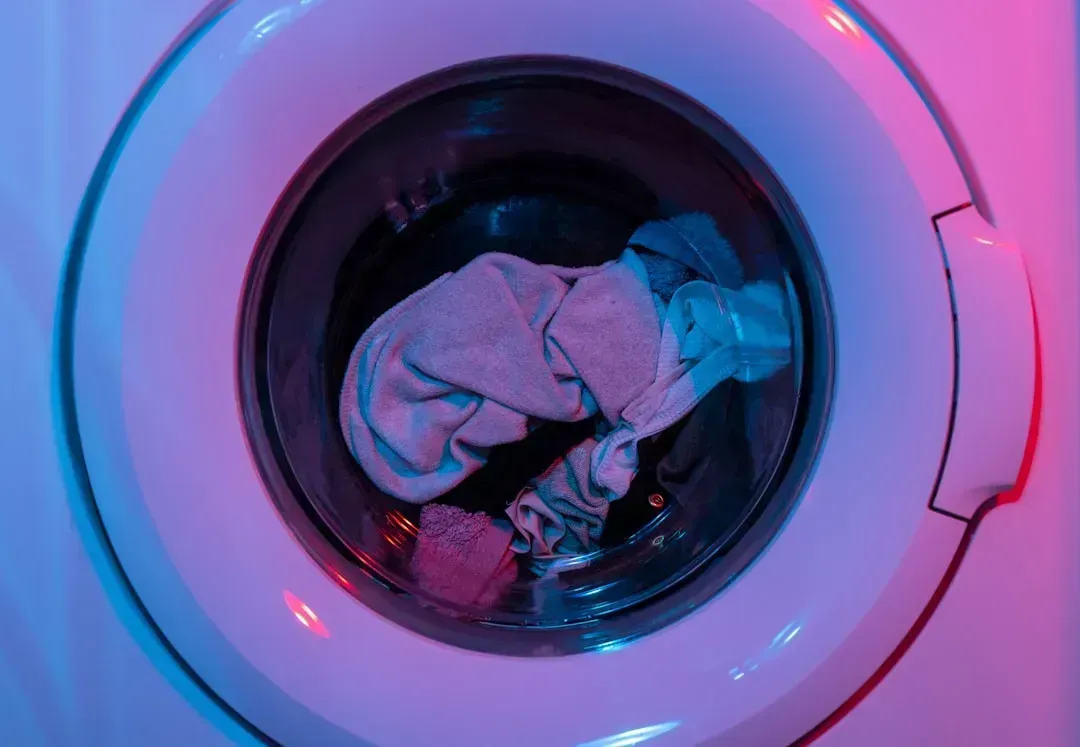
Hot water feels like it should clean better, and for heavily soiled items it can help, but for most everyday laundry it does more harm than good. Heat breaks down fibers, fades dyes, and can shrink natural materials like cotton and wool over repeated washes. Many stains, especially protein based ones like sweat or blood, actually set permanently when hot water is used instead of lifting away.
Cold or warm water is gentler on elastic, colors, and fabric structure while still cleaning effectively with modern detergents. Detergent formulas sold today are built to perform in cooler temperatures, which makes the old habit of defaulting to hot water increasingly unnecessary. Reserving hot water for specific situations, like bedding or heavily soiled workwear, protects the rest of a wardrobe.
Overloading The Washing Machine
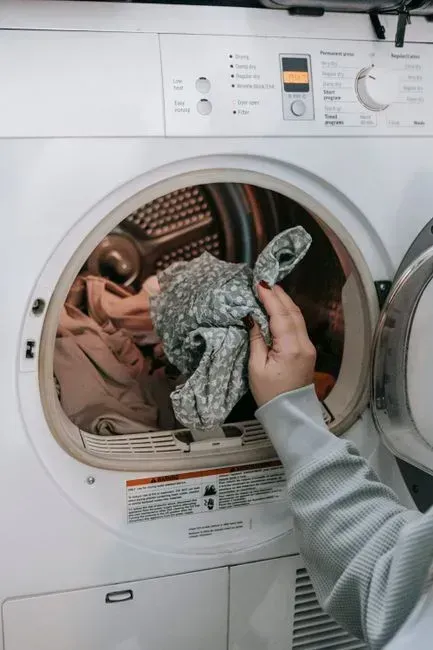
Cramming in one more load to save time is a common shortcut, but it changes how clothes move through a wash cycle. When a drum is too full, clothes cannot circulate properly, which means detergent does not distribute evenly and friction between tightly packed fabric increases. That friction is what causes pilling, stretching, and general wear over time.
An overloaded machine also struggles to rinse thoroughly, leaving behind detergent residue that can irritate skin and dull fabric color. Manufacturers generally recommend leaving enough room for clothes to move freely, roughly filling the drum about three quarters full rather than packing it to the top. Smaller, more frequent loads may take a bit more time, but they are noticeably kinder to the fabric itself.
Using Too Much Detergent
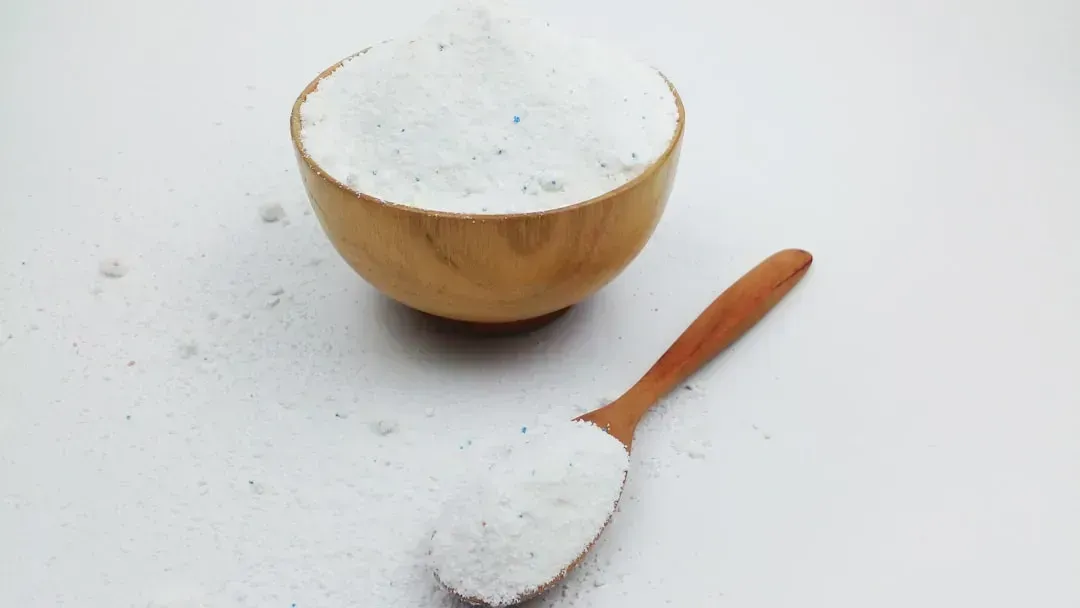
There is a common assumption that more detergent means cleaner clothes, but the opposite is usually true. Excess detergent does not always rinse out completely, and the residue that remains can trap dirt, oils, and odors in the fibers over time. This buildup is part of why towels and activewear sometimes develop a musty smell even after regular washing.
Detergent that lingers on fabric also stiffens fibers and can leave visible marks on darker clothing. Most detergent packaging includes measurement lines specifically because concentrated formulas require far less product than people assume. Cutting back to the recommended amount, especially with high efficiency machines, tends to leave clothes softer and cleaner rather than the reverse.
Skipping The Care Label
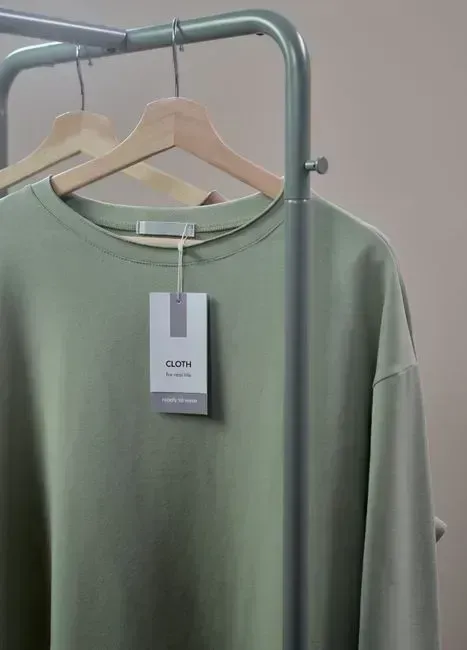
Care labels exist because different fabrics genuinely require different handling, yet they are often ignored entirely. A label indicating a delicate or hand wash cycle is not a suggestion, it reflects how a specific fiber blend reacts to agitation, heat, and detergent strength. Ignoring it can lead to shrinking, color bleeding, or stretched seams that no amount of ironing will fix.
Blended fabrics are particularly sensitive because different fibers in the same garment can react differently to the same wash settings. A shirt combining cotton and elastane, for example, needs a gentler approach than pure cotton to protect the stretch. Taking a few extra seconds to check the label before tossing something into a mixed load prevents damage that is usually permanent.
Drying Everything On High Heat
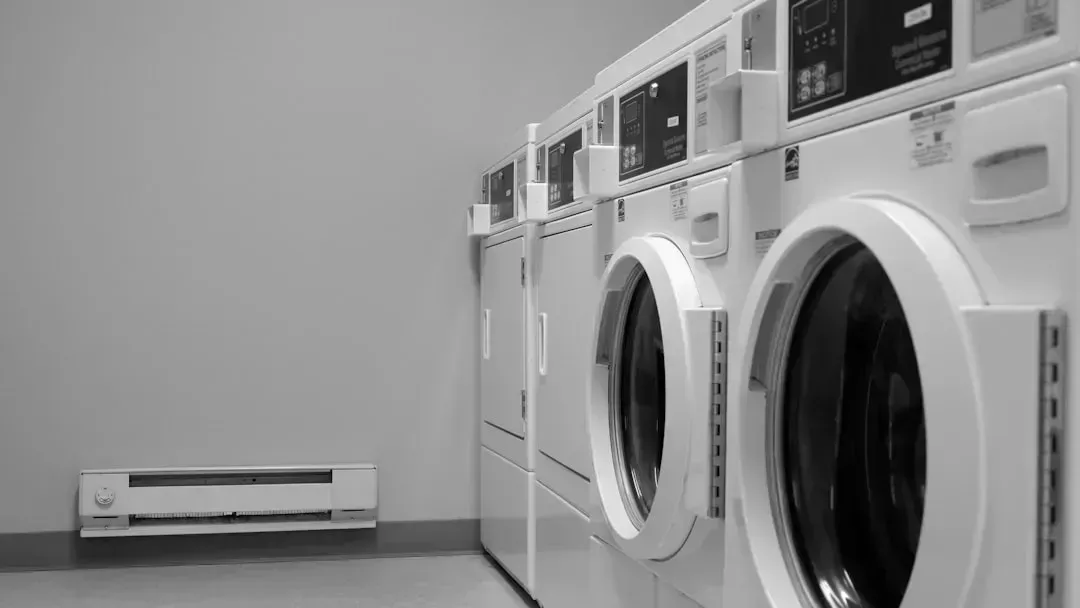
High heat dries clothes quickly, which makes it tempting to use as a default setting regardless of fabric type. But sustained heat is one of the fastest ways to weaken fibers, shrink natural materials, and degrade elastic in activewear and undergarments. Synthetic fabrics like polyester can also warp slightly under repeated high heat exposure, changing how a garment fits over time.
Lower heat or air drying settings take longer but preserve fiber integrity far better, especially for anything with stretch, structure, or delicate trim. Many clothing tags recommend tumble drying on low or laying flat specifically to avoid this kind of thermal stress. For items meant to last, patience during drying pays off far more than speed.
Leaving Wet Clothes In The Washer Too Long

Forgetting a load in the washer for a few hours feels harmless, but damp fabric sitting in an enclosed drum creates ideal conditions for mildew and bacterial growth. That musty smell that sometimes lingers even after rewashing is often a sign that fibers have already absorbed some of that moisture damage. Colored fabrics are especially prone to dye transfer or dulling when left wet against other wet garments for extended periods.
Beyond the odor issue, prolonged dampness can weaken fibers and contribute to fabric breakdown over repeated instances. Moving laundry to the dryer or a drying rack promptly, ideally within an hour of the cycle ending, prevents most of this damage entirely. It is a small timing habit, but one that has an outsized effect on how fresh clothes stay long term.
Ignoring Zippers, Hooks, And Closures
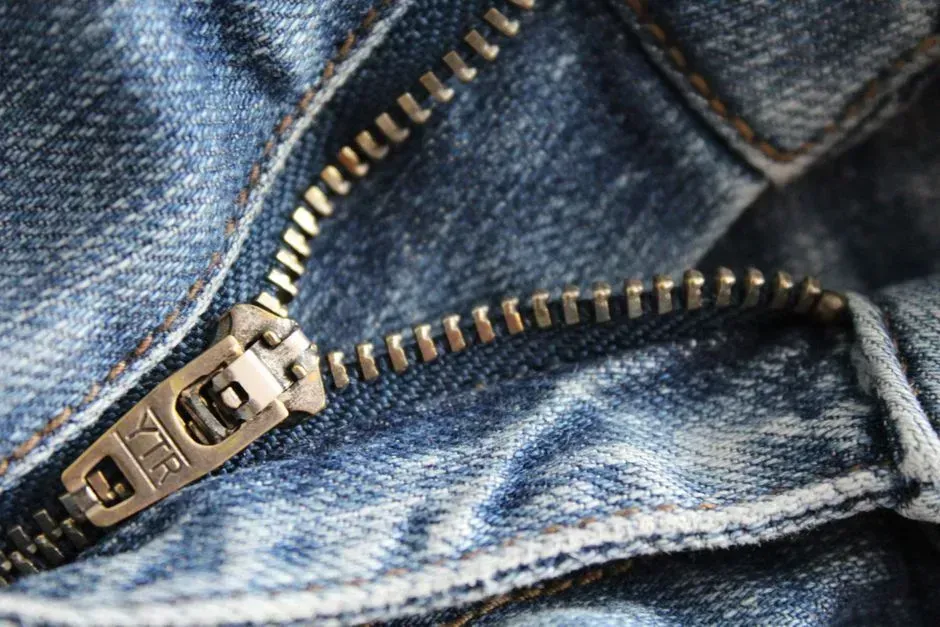
Zippers, bra hooks, buttons, and metal fasteners are frequently left open or unprotected during a wash cycle, and the consequences show up on nearby fabric. Metal hardware can snag delicate materials, create small tears, or scratch and pill neighboring garments as everything tumbles together. Even a single unzipped jacket can leave visible pull marks on softer items sharing the same load.
Closing zippers and hooks before washing, and using a mesh laundry bag for anything with exposed metal, significantly reduces this kind of incidental damage. It is a habit that takes seconds but is easy to forget when doing laundry quickly. Over months of regular washing, that small step noticeably reduces the number of tiny tears and pulls that accumulate on other clothes.
Washing Jeans After Every Single Wear
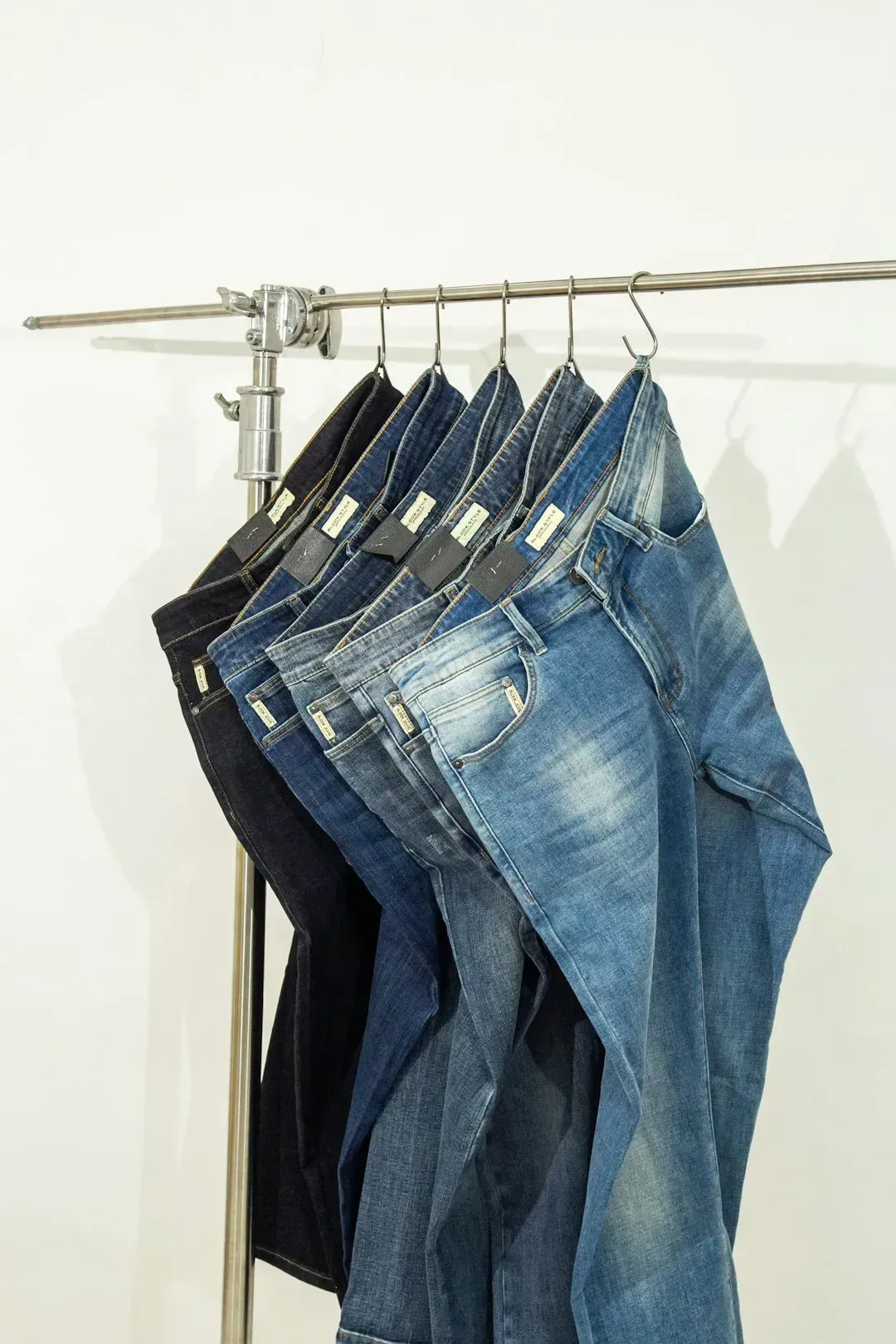
Denim has a reputation for being sturdy, which leads many people to wash jeans as often as any other clothing item. In reality, frequent washing is one of the fastest ways to fade denim’s color and break down the structural fibers that give it shape. Repeated agitation in a washing machine also wears down the indigo dye faster than normal daily wear ever would.
Many denim manufacturers actually recommend spot cleaning or airing jeans out between wears rather than machine washing after every use. When washing is necessary, turning jeans inside out and using cold water helps protect both the color and the fabric’s structure. This is one habit where doing laundry less often genuinely extends the life of the garment.
Storing Damp Or Improperly Folded Clothes
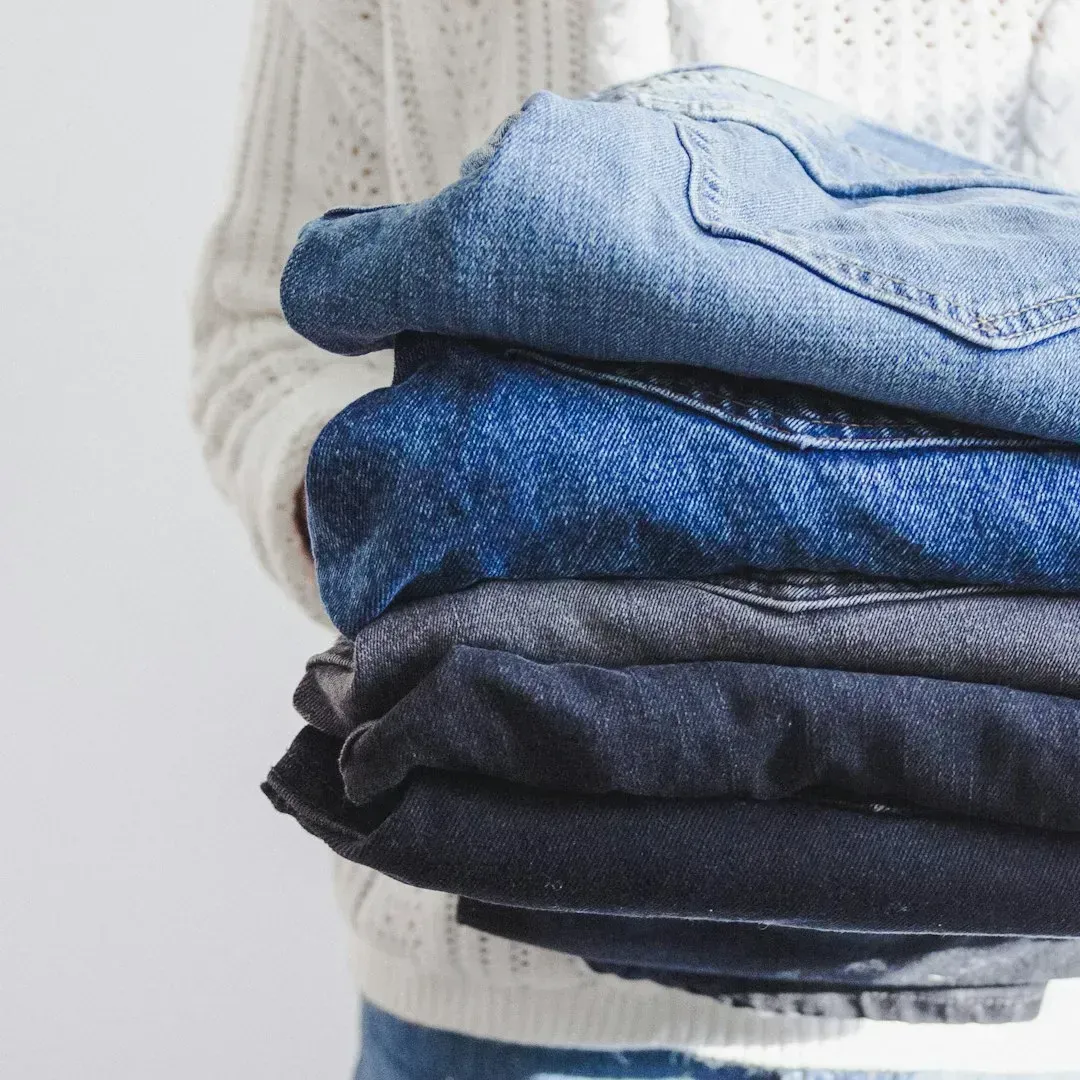
How clothes are stored after washing matters almost as much as how they were cleaned. Folding or hanging garments while they are even slightly damp encourages mildew growth and can set creases that are difficult to remove later. Heavy sweaters hung on narrow hangers, meanwhile, tend to stretch out of shape at the shoulders over time.
Knitwear generally holds its shape better when folded rather than hung, while structured items like blazers benefit from wider hangers that support the shoulder line. Ensuring clothes are completely dry before they go back into a closet or drawer prevents musty odors and fiber breakdown that can develop quietly over weeks. These storage habits are easy to overlook, but they directly affect how long clothes keep their original fit and texture.



Leave a Reply