
1. Turkey
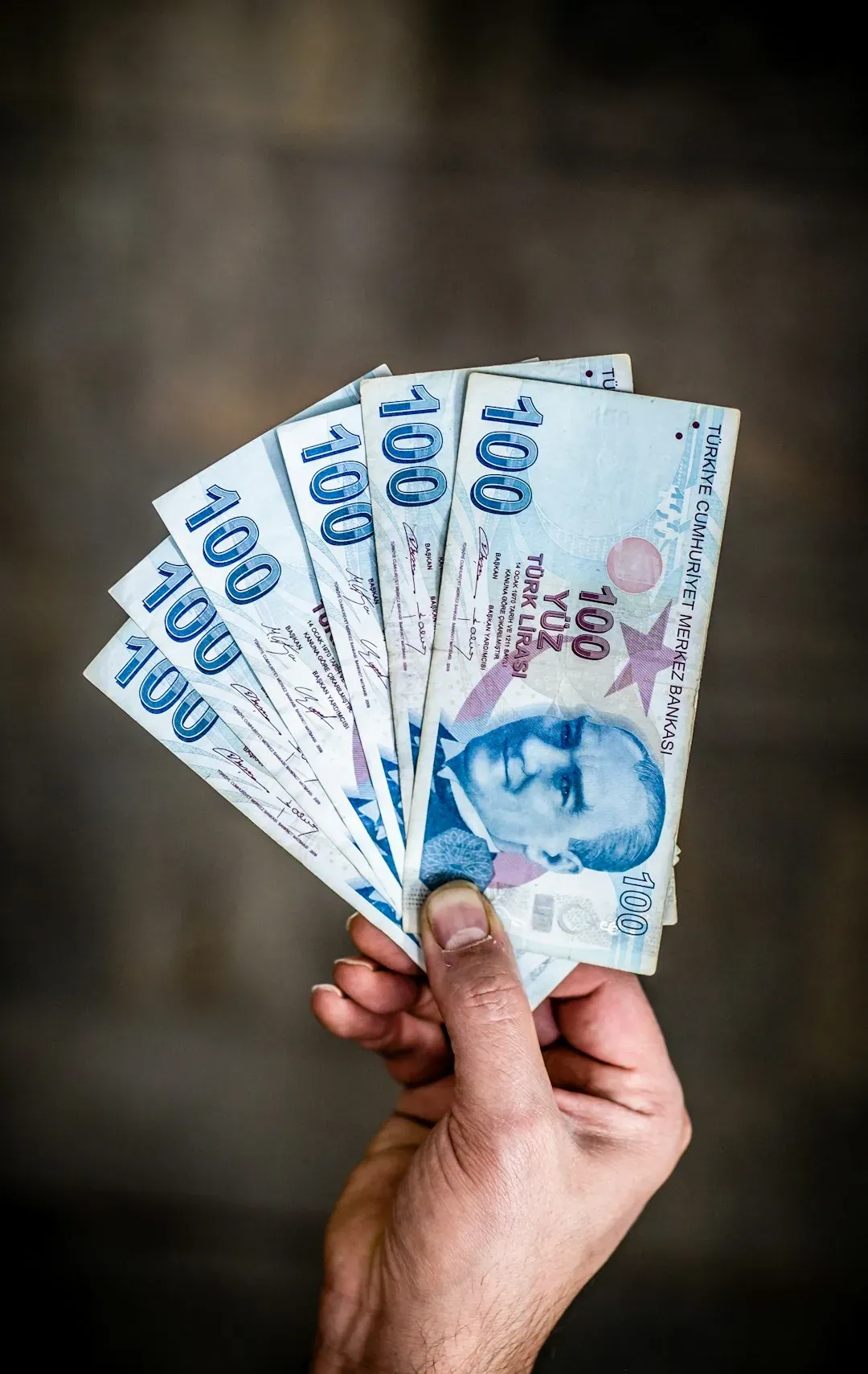
Turkey’s case for value is mostly a currency story. The Turkish lira has fallen from 7.43 per U.S. dollar in early 2021 to over 43.99 per dollar by March 2026. That kind of depreciation reshapes what a traveler’s dollar or euro can buy almost overnight.
Antalya, on the southern Mediterranean coast, has 5-star beach resorts at rates that would be mid-range in most other countries, while Istanbul offers world-class architecture, food, and history at a fraction of Western European prices. Quality hasn’t slipped to match the exchange rate either. The quality has not declined with the currency, and Turkish hospitality runs deep, with hotel and restaurant sectors maintaining their standards even as the lira weakened. A dinner that would run several hundred dollars in a comparable London setting can cost a third of that in Istanbul, which is the kind of gap that makes a week-long trip feel far more indulgent than the receipts suggest.
2. South Africa
South Africa has built its reputation on pairing genuinely premium experiences with a currency that has stayed favorable for years. South Africa offers US travelers a rare combination of unforgettable premium travel experiences and long-standing currency advantages that keep day-to-day costs comparatively low. This isn’t a one-season fluke; it’s a structural advantage that’s held up across multiple exchange rate cycles.
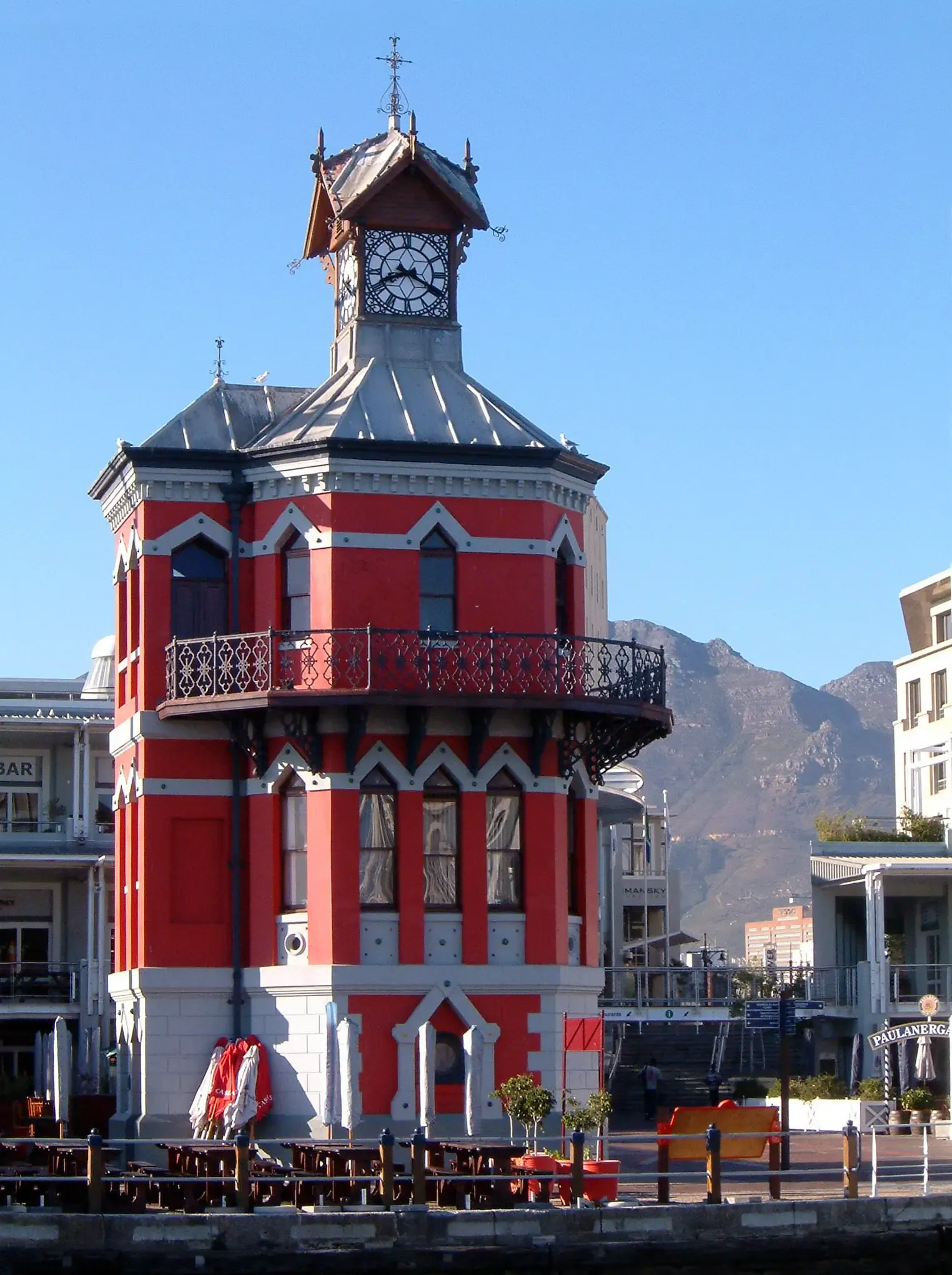
Cape Town in particular has drawn attention from luxury travel researchers. Cape Town was recently named the World’s Most Affordable Luxury Destination for 2026 by European luxury travel operator Sail Croatia, a reputation driven by a favorable exchange rate for international visitors, allowing for high-end experiences. A November 2025 study by small-ship cruise operator Sail Croatia found Cape Town ranks as the most affordable luxury destination in the world, with five-star hotels averaging just $199 per night. Everyday luxury add-ons hold up the same way: three-course meals are available for under $23 and local craft beers cost around $3, while a 1-hour catamaran cruise from the V&A Waterfront followed by a 14-piece sushi platter at a harbor-view restaurant costs roughly $47.
3. Vietnam

Vietnam has moved from budget-backpacker darling to a country that also does upscale travel remarkably well. Hotel pricing research backs this up directly: Hotels.com’s Hotel Price Index report found that Hanoi is the best-priced city for luxury hotels, with international luxury hotels running about 27 percent cheaper than their U.S. counterparts. That gap is large enough to notice on a single booking, let alone a full itinerary.
The value extends well past hotel rooms into everyday spending. Vietnam has built a reputation as one of the best value destinations in Southeast Asia, with the Vietnamese dong historically trading at a level that keeps everyday travel costs low for US visitors. Even standout excursions stay cheap by international standards, with one Goway destination specialist noting that a private boat ride into the scenic Trang An Landscape Complex south of Hanoi costs only around $40. Pair that with boutique hotels in Hoi An or Ha Long Bay cruises that would be priced as ultra-premium elsewhere, and Vietnam earns its spot on this list on substance, not just low prices.
4. Thailand
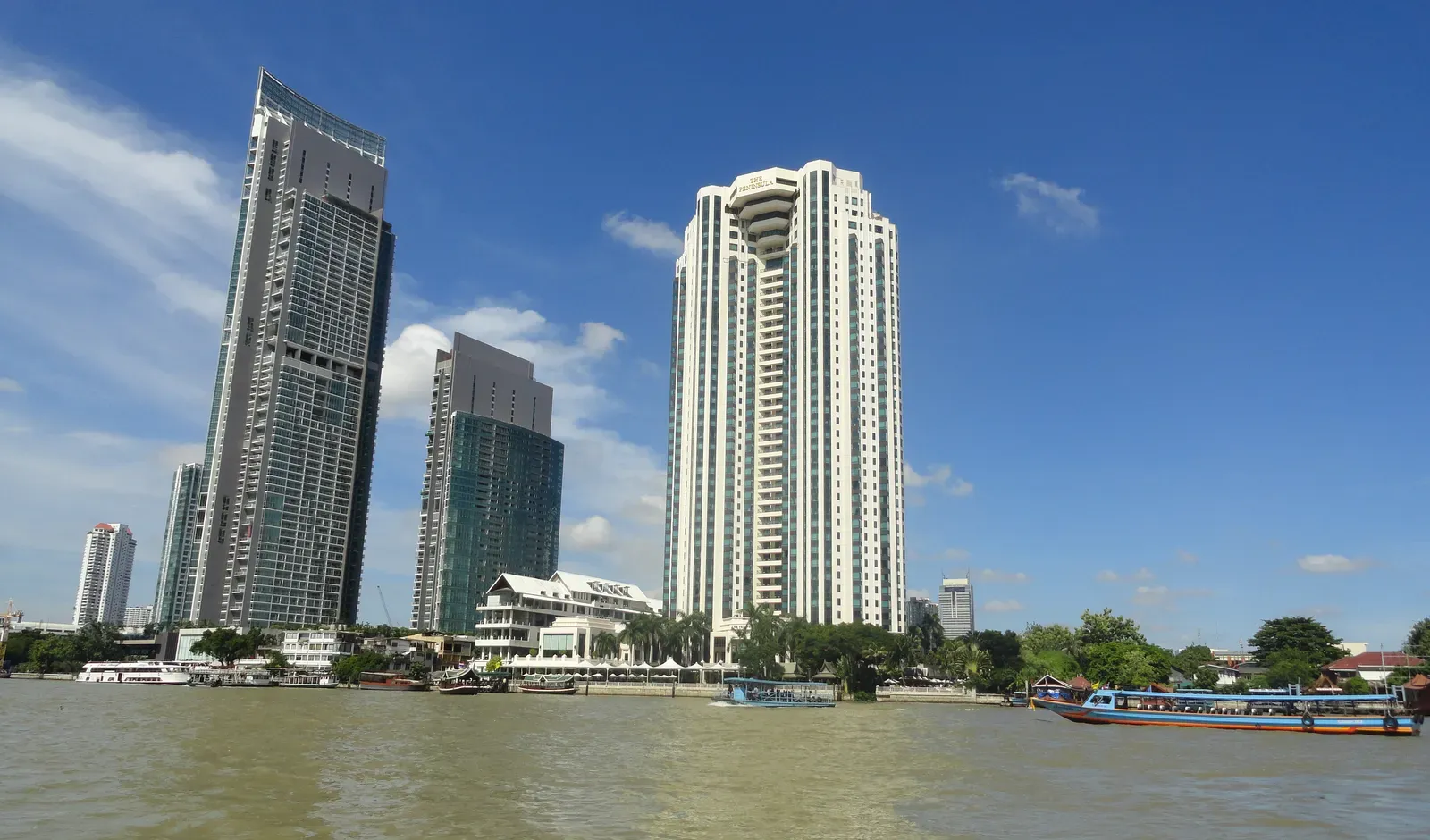
Thailand has spent years cultivating a hospitality scene that competes with far pricier Asian capitals while charging noticeably less. Bangkok’s five-star hotel scene is the clearest example, with Hotels.com research showing the city known for its glitzy luxury hotels offering private terraces and large pools able to offer five-star stays for as little as £123 per night. That’s a fraction of what a comparable room commands in most Western capitals.
The savings aren’t limited to hotels either. Coastal properties and cave-style resorts inland deliver similarly high production value at prices that would only cover a standard room elsewhere in the region. One well-regarded example flagged by the same index is The Standard in Bangkok, one of the best value five-star hotels in the world. Combine that with Thailand’s strength in spa culture, private island transfers, and fine dining that rarely feels marked up for tourists, and it’s easy to see why repeat luxury travelers keep coming back.
5. Malaysia
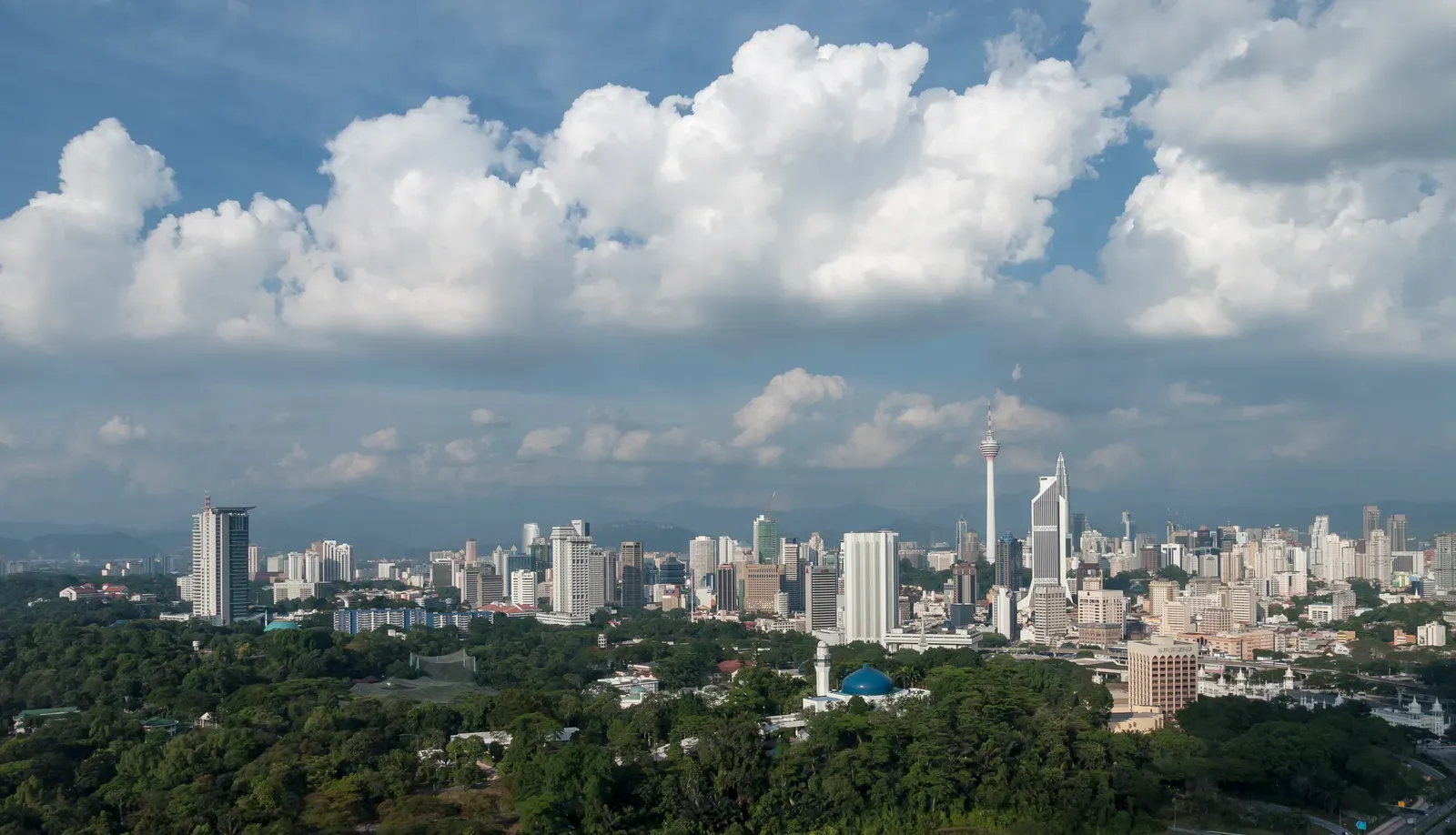
Malaysia, and Kuala Lumpur specifically, currently sits at the very top of global rankings for affordable luxury hotel stays. According to Hotels.com’s most recent index, the city with the best value-for-money five-star hotels is Kuala Lumpur, with stays in high-end rooms for as little as £108 per night. That figure alone puts it ahead of nearly every other city tracked in the same study.
Beyond hotel math, Malaysia benefits from a broader regional trend in accommodation pricing. Malaysia and India follow closely behind Indonesia, offering exceptional quality accommodation options comfortably under $30 per night at the mid-range level, which gives travelers headroom to trade up into genuinely five-star territory without blowing past what a decent hotel costs in Europe. Kuala Lumpur’s skyline, food scene, and proximity to island resorts in places like Langkawi make it a practical base for travelers who want variety within one trip.
6. Mexico

Mexico’s Riviera Maya has quietly become one of the stronger value plays in luxury travel research, largely because it delivers resort-level polish without resort-level pricing. The Sail Croatia study that ranked global affordable luxury destinations placed it firmly in the top tier: Riviera Maya, Mexico, scored well for its combination of $175 nightly hotel rates, $21 fine dining and low-cost drinks. Those numbers are notably lower than comparable Caribbean or Central American beach destinations with similar amenities.
What makes Mexico particularly appealing for luxury travelers is the range on offer, from adults-only beachfront resorts to boutique jungle retreats near Tulum. Proximity to the United States also keeps flight costs and travel time reasonable, which matters when the destination itself is doing the heavy lifting on affordability. It’s a combination of short-haul convenience and long-haul luxury pricing that few other countries on this list can match.
7. Indonesia

Indonesia, and Bali above all, remains one of the most extreme examples of luxury-to-cost ratio anywhere in the world. Hotel pricing data makes the case bluntly: Indonesia’s stunning $14 nightly average anchors it as one of the ultimate cheap hotel destinations globally, making it a paradise for backpackers and digital nomads. That figure covers a wide range of properties, but it sets a baseline that lets five-star villas look genuinely accessible by comparison.
The island’s private pool villas, cliffside resorts, and full-service spa retreats routinely rival properties in the Maldives or French Polynesia at a fraction of the nightly rate. Flight pricing has also worked in Indonesia’s favor recently, with destinations such as Jakarta seeing some of the steepest drops in flight prices from the US according to Skyscanner data referenced in recent travel research. Between the flight savings and the accommodation gap, Bali continues to offer a version of luxury that’s hard to replicate at the same price point elsewhere in Asia or beyond.
Each of these seven countries proves the same basic point: luxury travel and low relative cost aren’t opposites right now, they’re increasingly the same trip. Currency shifts, competitive hotel markets, and airline pricing trends have all lined up in ways that reward travelers willing to look past the usual short list of expensive capitals. The properties, the service, and the experiences on offer in these places aren’t scaled-down versions of luxury elsewhere. They’re the real thing, priced by a different set of local economics.
Leave a Reply