
Pull out your passport and look at the cover. There is a decent chance it is navy blue, burgundy red, forest green, or black. Now think about every passport you have ever seen in an airport queue, at a border crossing, or fanned out on a hotel check-in desk. The same four colours, over and over. Out of nearly 200 countries on earth, each free to design its own travel document, almost all of them land on one of these four shades. That is not coincidence. It is a quiet, largely unspoken convergence driven by politics, culture, religion, geography, and a surprisingly practical concern about dirt.
Most passports in the world come in one of four colours: red, blue, green, or black. No international law dictates which colour a country must use, so governments pick shades based on regional alliances, cultural symbolism, national identity, or simple practicality. The fascinating part is that this consistency emerges entirely without being enforced. It is a global consensus that nobody formally agreed to, and yet almost everyone follows.
No Rule Forces the Four Colours – So Why Does Everyone Follow Them?
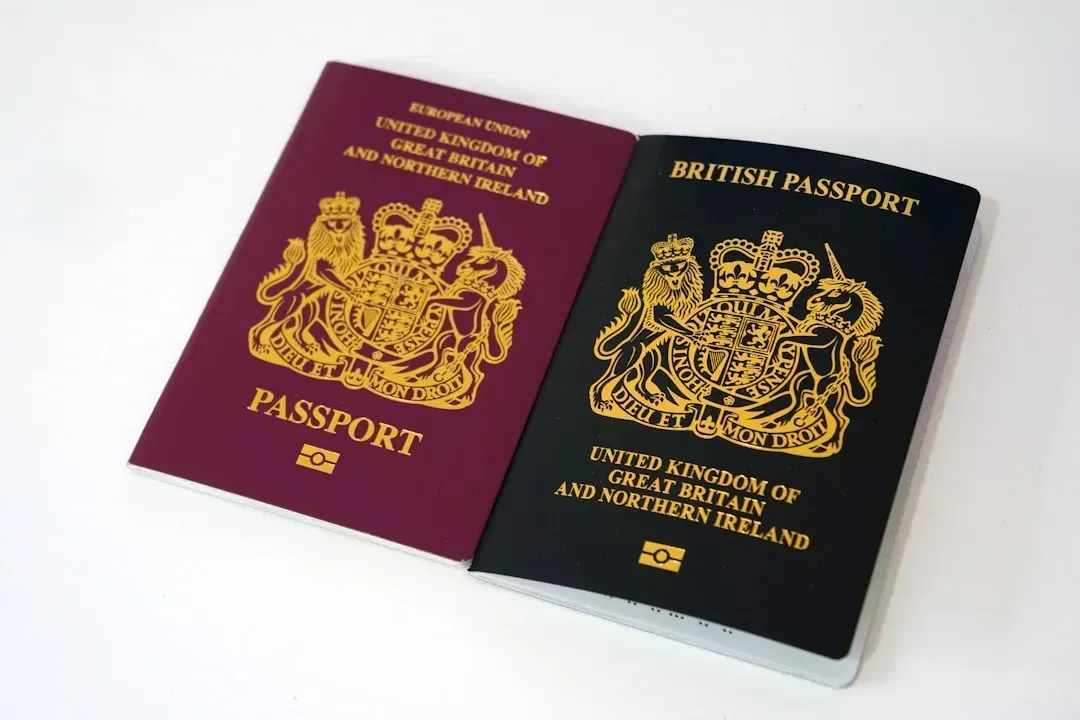
There is actually no official rule dictating acceptable passport colour. In fact, there are no rules about what passports should look like at all, only suggestions. The International Civil Aviation Organization (ICAO) makes recommendations about typeface, type size, and font in their guide for machine-readable travel documents. The ICAO is the body most people assume is behind the colour convention, but its actual jurisdiction stops well short of telling countries what shade to print on the cover.
There are some hard and fast regulations in this document, however: passports must be made of a material that bends without creasing and remain machine readable at temperatures ranging from 14 to 122°F and at relative air humidity ranging from five to 95 percent. One of the primary reasons for the four-colour limitation is that passport production is a highly controlled process, and many security features go into a passport. Secure printing is not easy, and a third party usually supplies the special outer cover that can support the required security features, and this cover only comes in certain colour variations. So the convergence is partly a matter of manufacturing reality, not just tradition.
The Practical Case for Dark Colours
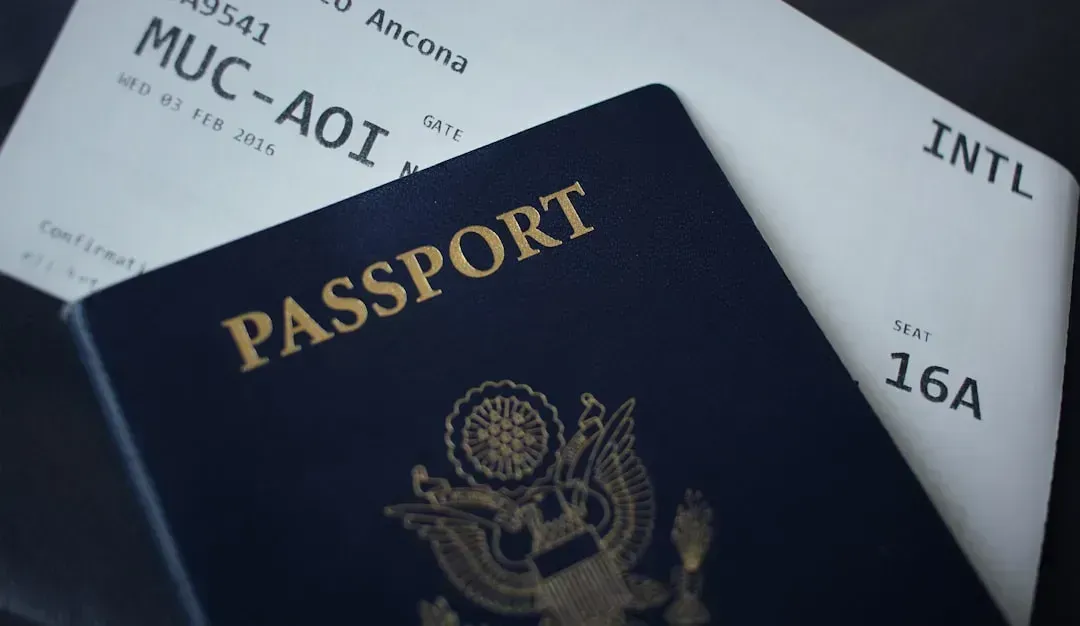
According to ICAO officials, the choice of colour is largely practical rather than symbolic. Dark shades are preferred because they appear more official, age better over time, and hide dirt, wear, and tear more effectively than lighter colours. A passport lives a hard life. It gets shoved into jacket pockets, dropped on airport floors, and handled by customs officers thousands of miles from home. Looking presentable after a decade of that treatment rules out pale yellows, soft pinks, and anything close to white.
Although there is no universal rule, most nations choose dark, muted tones like red, blue, green, or black. These colours are seen as formal, dignified, and practical, lending authority to the documents. Dark hues hide dirt and wear more effectively than lighter shades, ensuring passports stay presentable over their lifespan. Lighter or bright colours could fade or show wear too easily with the tough materials needed. Norway famously commissioned a design competition that produced a striking aurora-themed interior, but even that bold experiment kept a dark cover for exactly these reasons.
The Colour Red: Power, Unity, and Political History
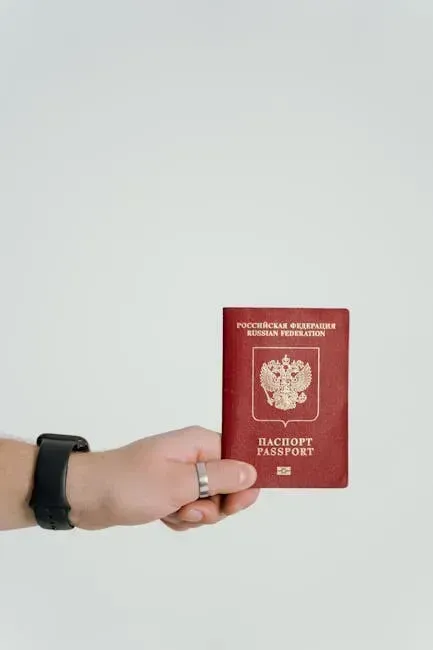
Burgundy red is the most widespread passport colour globally, largely because the European Union adopted it as a standard. A 1981 resolution by EU member state representatives established a uniform passport format with a burgundy red cover, intended to “strengthen the feeling among nationals of the Member States that they belong to the same Community.” That single political decision pulled dozens of nations toward the same shade virtually overnight. The UK changed its passport from burgundy to blue when it withdrew from the EU, a move that became one of the most symbolically loaded acts of the entire Brexit process.
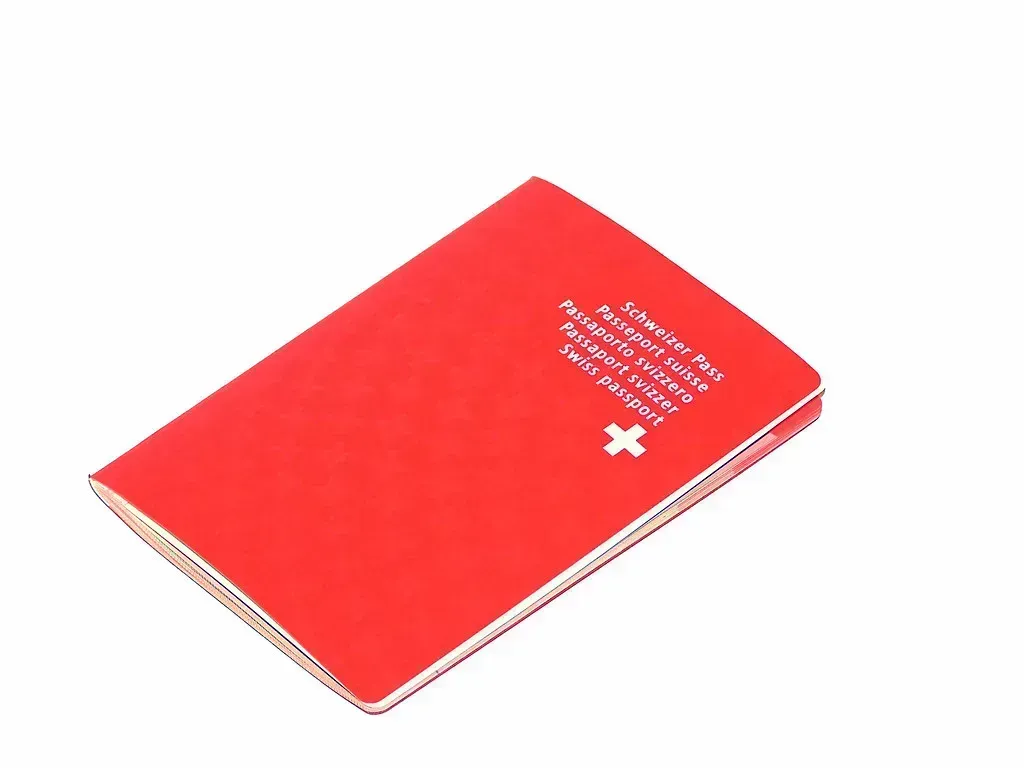
Many red passports reflect socialist roots or Christian heritage and are common in the EU. This colour also appears in nations like Russia, China, and Spain. Switzerland also has a red passport, which matches their flag, and Türkiye, an EU hopeful, switched to red. So while the EU association is the strongest pull toward red, the colour carries a broader range of meanings across different political and cultural contexts – from pan-European solidarity to post-revolutionary national identity.
The Colour Blue: The New World and the Open Ocean
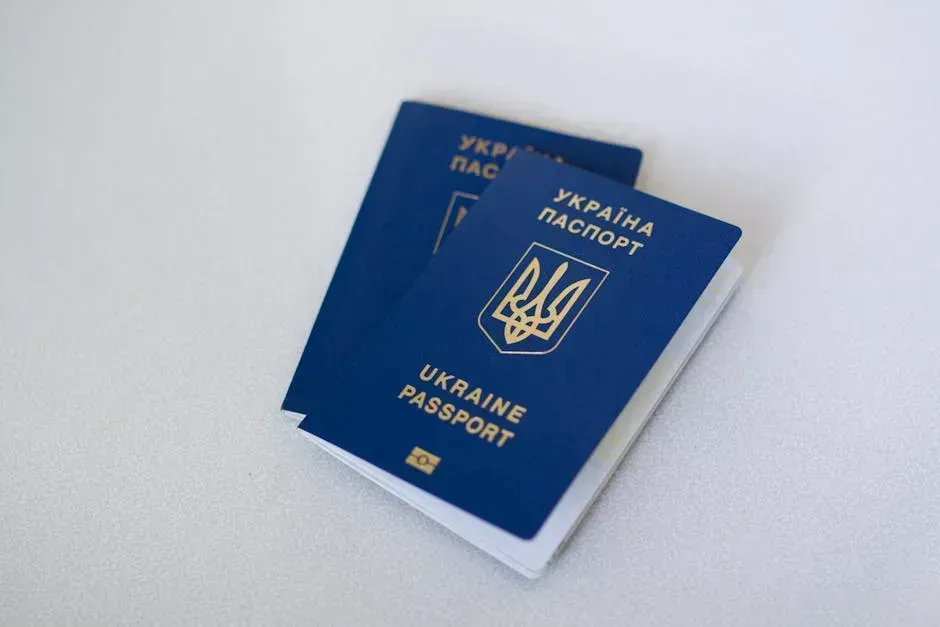
Blue is widely considered the most commonly used passport colour worldwide, with many variations including navy. Many countries also use red and green, but their numbers do not match blue, which is used by more than 80 countries. The Americas have a particularly strong pull toward blue. Blue passports are common in maritime and New World nations like the United States and Panama. The colour symbolises oceans and exploration. Panama, Canada, and the United States all have blue passports.
Maritime nations like Mauritius, Seychelles, Fiji, and Nauru use blue hues in their travel documents. Caribbean nations like Barbados, Cuba, the Bahamas, and St. Kitts and Nevis also carry blue passports, which makes sense considering they are island nations. In 1976, the United States passport changed to the blue covers we are familiar with today, the same shade found on the American flag. The symbolism is layered: freedom, the sea, the horizon, and the spirit of exploration all converge in that familiar navy cover.
The Colour Green: Faith, Nature, and Regional Solidarity
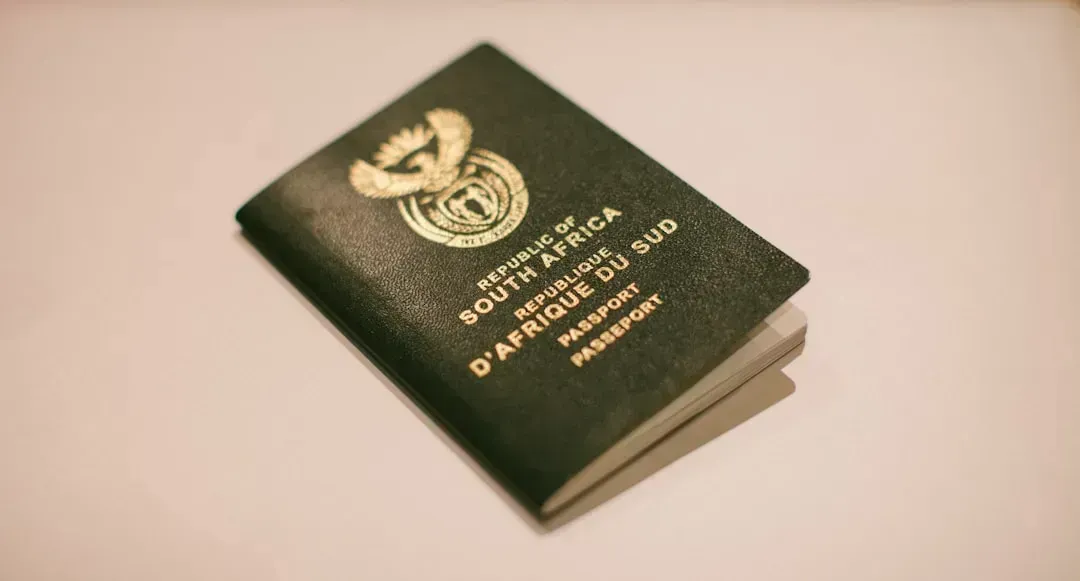
Most Muslim countries have green passports because this colour is considered Prophet Muhammad’s favourite. A passage from the Quran mentions “green clothes worthy of the people of paradise.” In the Muslim religion, green is also a symbol of eternity. This makes the colour choice deeply intentional rather than decorative for nations where Islamic faith shapes public life and national identity. Green is an important colour in the Islamic faith and is therefore used as the passport colour for many Islamic countries, including Saudi Arabia, Egypt, Pakistan, and Morocco, as well as many African countries.
Religion is only one reason for adopting green passports. A significant number of countries within economic unions, such as the Economic Community of West African States (ECOWAS), have also selected green as a shared regional colour. Nigeria, Ghana, Senegal, and other ECOWAS members issue green covers for their standard passports as part of a harmonised regional format. The green serves double duty in many of these countries, reflecting both regional membership and the prominence of green on national flags throughout West Africa. Mexico and Taiwan also carry green passports, demonstrating that the colour’s reach goes well beyond any single faith or region.
The Colour Black: Rarity, Identity, and Cultural Pride
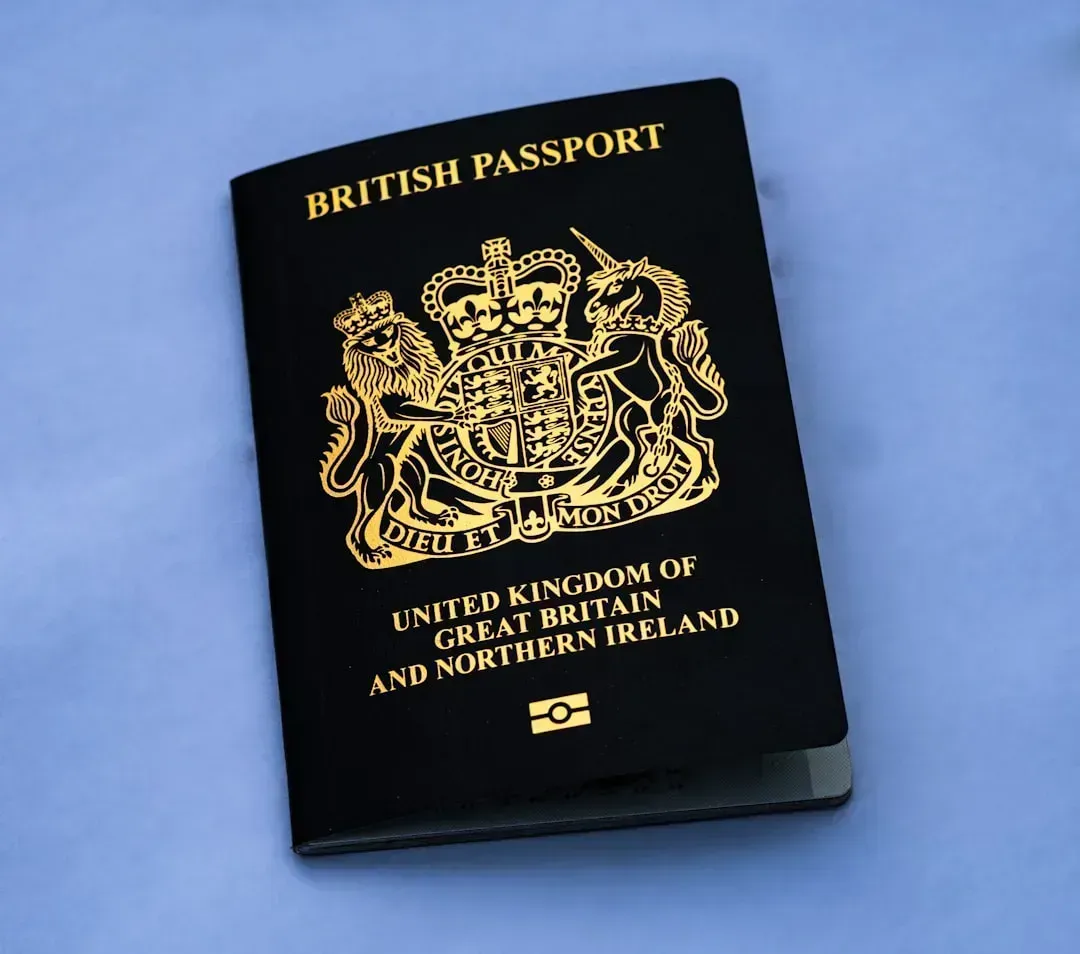
Out of the four main colours, black is considered the rarest, since only six UN-recognised countries issue passports in this colour. New Zealand is the most prominent and most discussed example. The most common example might be New Zealand, which uses black despite many other English-speaking countries using blue. This colour choice is often attributed to the local Maori civilisation, for which black represents the heavens. The colour also aligns with New Zealand’s famous sporting identity, most visibly the All Blacks rugby team, making it a rare case of a passport colour that genuinely feels national from every angle.
The practical argument for black is straightforward: it hides scuffs, fingerprints, and wear better than lighter colours, keeping the document looking presentable over its full validity period. Countries using black passports include Angola, Malawi, Congo, the Palestinian Territories, Trinidad and Tobago, and Tajikistan. In the United States, black passports are issued to high-ranking government officials and diplomats travelling on official business. American black passports offer certain privileges and immunities under international law, distinguishing them from regular blue passports.
How Colour Signals Political Alliances and Aspirations
Alliances and aspirations are the other two factors that are said to play a role. Most European Union member countries and countries with a historical or current communist system, such as China, Serbia, Russia, and Latvia, have red-shade passports. Countries interested in joining the EU, like Turkey, Macedonia, and Albania, also changed the colour of their passports to red. This makes a passport colour not merely a statement of who you are today, but sometimes a declaration of where you want to belong tomorrow.
Many countries also use blue passports, including members of CARICOM, the Caribbean Community, where the choice is said to be linked to geographical reasons, such as their close connection to the ocean. The colour on a passport cover tells you something about where a country sees itself in the world, even if it has zero effect on where the holder can actually travel. Colour has never unlocked a single border crossing on its own. It is purely expressive, but expressions, as history shows, carry real weight.
Modern Passports: Security Features Are Where the Real Action Is
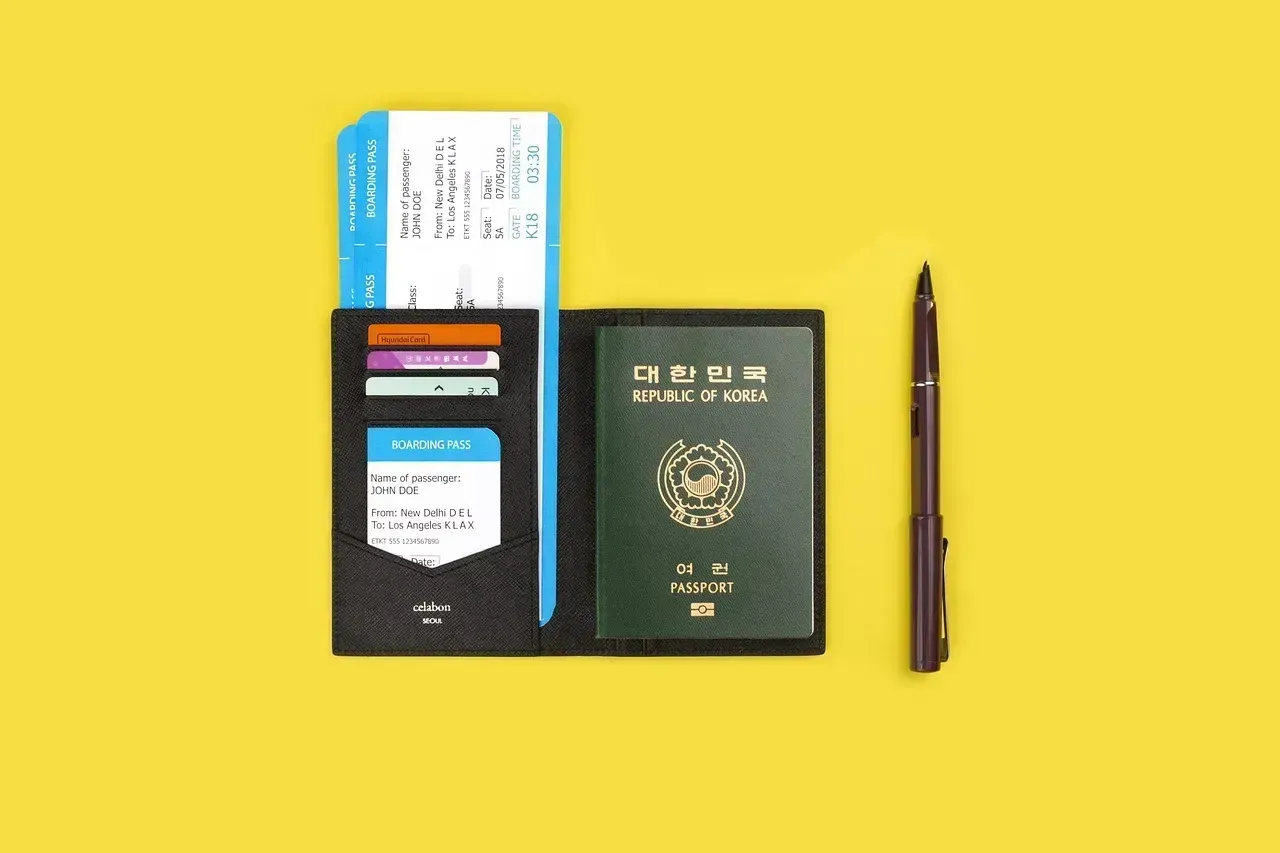
Security features, by contrast, have evolved dramatically. Modern passports embed biometric chips storing digital facial images and fingerprints, along with holograms, watermarks, and specialised printing that makes counterfeiting extremely difficult. These features are where the real arms race in passport design happens. The cover colour may be the most visible element of a passport, but it is arguably its least technically significant one. The pages inside, the chip embedded near the back cover, and the invisible inks visible only under ultraviolet light are what make the document genuinely secure.
To prevent valid passports from being forged, modern versions now include enhanced security features, such as placing serial numbers on every page and including page numbers in the design. Nowadays, e-passports and biometric covers are becoming increasingly common. These types of passports provide extra protection for the holder because they store the individual’s biometric data in a single chip inside the passport. Countries continuously update their security elements to stay ahead of counterfeiters, and ICAO periodically revises its standards to reflect new technology. The exterior may look much as it did in the 1980s, but inside, these are genuinely sophisticated documents.
What Passport Colour Does Not Tell You
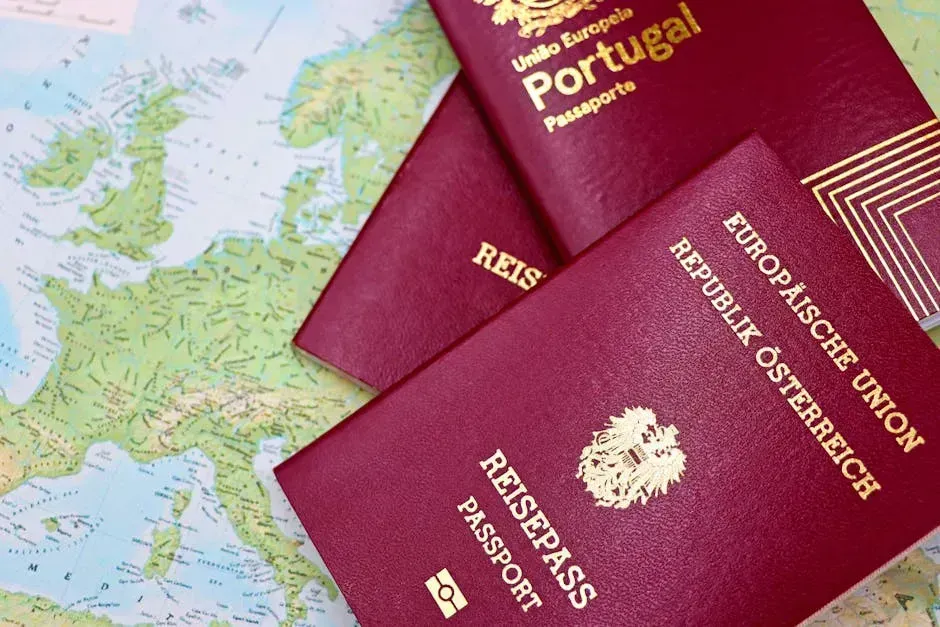
Passport colours have nothing to do with visa-free travel or mobility. Each country simply chooses its own colour. Visa rules, on the other hand, are typically determined through diplomatic agreements between governments. This is worth stating plainly, because the perception that a more “powerful” passport must look a certain way is widespread and completely unfounded. A dark green passport from Morocco and a navy blue one from the United States grant radically different levels of visa-free access, but that gap has nothing to do with the shade of the cover.
Passport colours act as visual shorthand for national values, history, and alliances, making them more than mere aesthetic choices – they are deliberate statements of identity. Yet that statement is one each country makes for itself, shaped by its own story. The four colours that dominate the world’s passports did not emerge from a single summit or international decree. They emerged from thousands of individual decisions made across decades, guided by culture, faith, politics, and the surprisingly firm conviction that a document carrying your identity to the world should at least look like it means business. Four colours. Nearly 200 stories.




Leave a Reply