
There’s a particular kind of stillness that settles over a mid-century Los Angeles home in December. The low-pitched roofline holds a few strings of colored bulbs. The sliding glass door frames a glimpse of a modest backyard strung with light. Inside, a rotating color wheel throws shifting hues across the room. If you could freeze 1963 in amber and walk through the front door, it might look something like this.
The houses that define this moment in L.A. history are not grand or imposing. They’re horizontal, comfortable, and deeply tied to the informal California way of living that swept through Southern California after the Second World War. Styled for the holidays, they become something quietly spectacular: a specific kind of American warmth that the modern era has largely traded away.
The California Ranch Foundation
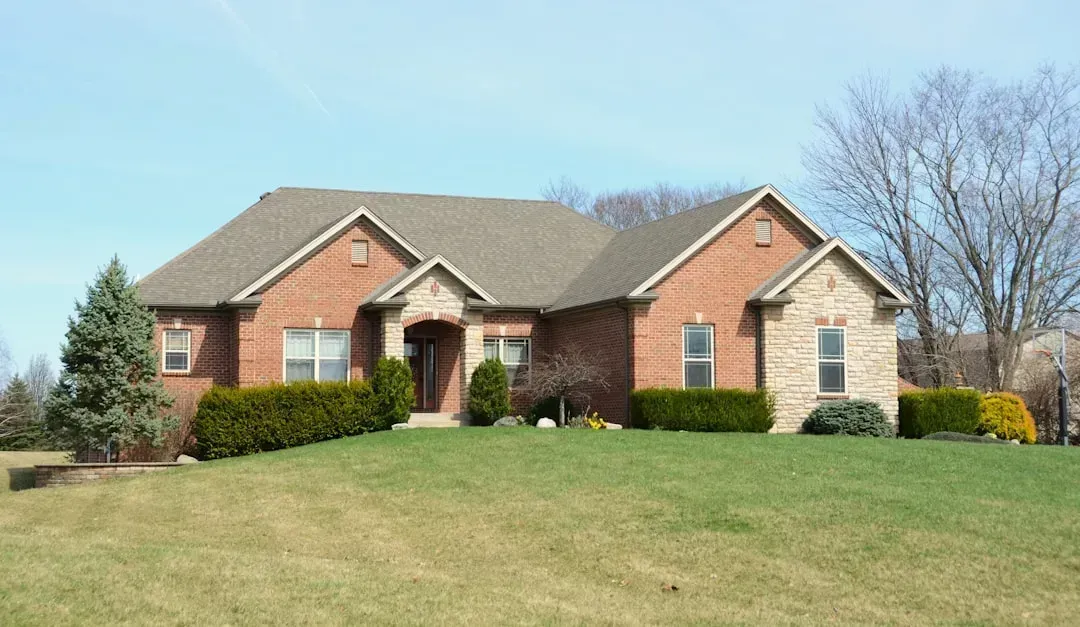
Ranch-style houses built in the Sun Belt region from around the early 1960s increasingly had more dramatic features such as varying roof lines, cathedral ceilings, sunken living rooms, and extensive landscaping and grounds. In Los Angeles specifically, this translated to long, low homes that hugged their lots with an easy confidence. The neighborhood feel was deliberate and unhurried.
The ranch-style house is noted for its long, close-to-the-ground profile and wide open layout, fusing modernist ideas with notions of the American Western period to create a very informal and casual living style. By 1963, this was not just an architectural choice but a full lifestyle statement, particularly in communities stretching across the San Fernando and San Gabriel Valleys.
The Exterior Approach: Low Lines and Holiday Lights
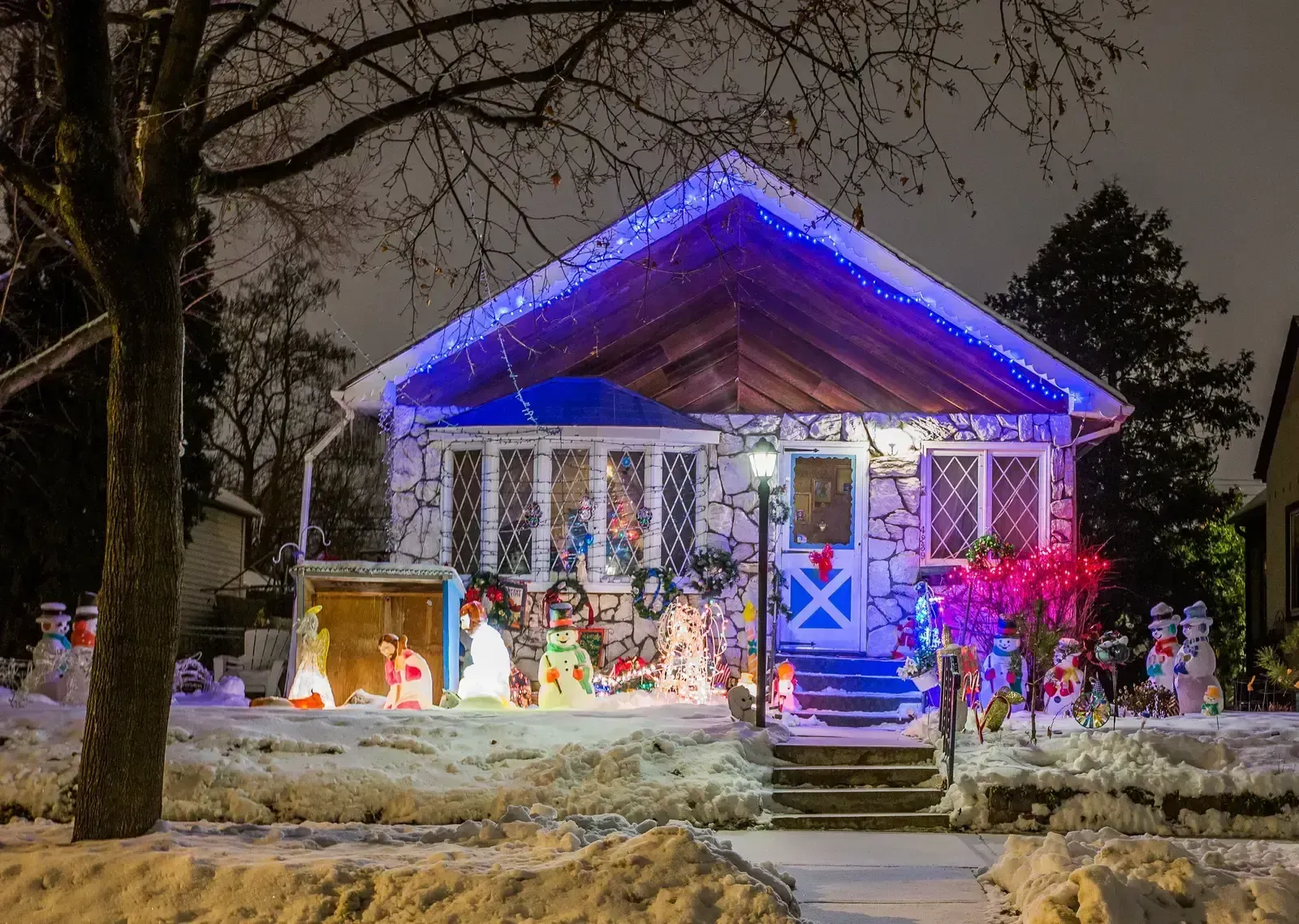
The California ranch sits anonymous to the street, with a flat façade, covered entry at grade, and few streetside windows, but opens generously to gardens in the back. For the holidays, this understated exterior became a canvas for simple seasonal decoration: a wreath on the front door, a few strings of warm C7 bulbs tracing the roofline, and perhaps a single glowing candle in the window.
Classic C7 and C9 bulbs cast a warm glow that modern LEDs cannot replicate. In 1963, those heavy glass bulbs in red, green, blue, and amber were standard issue across every L.A. suburb, and their slow, steady warmth against a dark December sky gave the whole street a quality of light that felt personal rather than performative.
The Living Room: Where the Color Wheel Spun
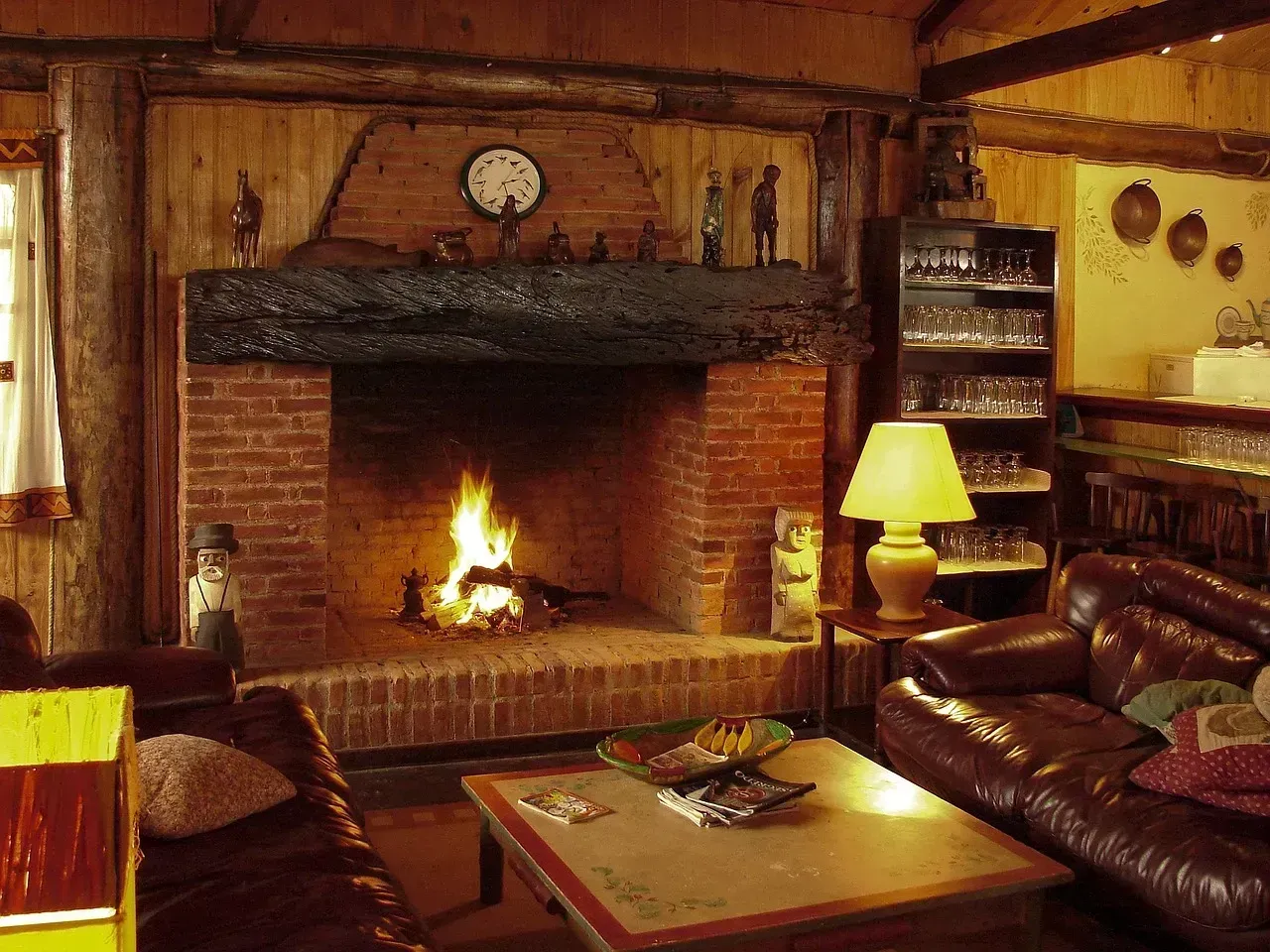
Ranch house living rooms from the 1960s often feature wood paneling, brick or stone fireplaces, and wall-to-wall carpet. In a 1963 L.A. home, that fireplace would have been the undeniable focal point of the room, likely framed in simple brick or clean stone, with a low hearth suited to family gathering rather than formal display. The holiday transformation of this space was immediate and theatrical.
Aluminum trees were never meant to be wrapped in electric lights because the metal posed shock risks. Instead, they often sat in front of a rotating color wheel. These electric wheels, popular in the late 1950s and 1960s, slowly spun a multicolored disc in front of a lamp, washing the tree in changing red, green, blue, and yellow light and creating a mesmerizing display. The effect on a silver aluminum tree, placed near the fireplace on a felt skirt, was unlike anything available today.
The Aluminum Tree: Centerpiece of the Space Age Holiday
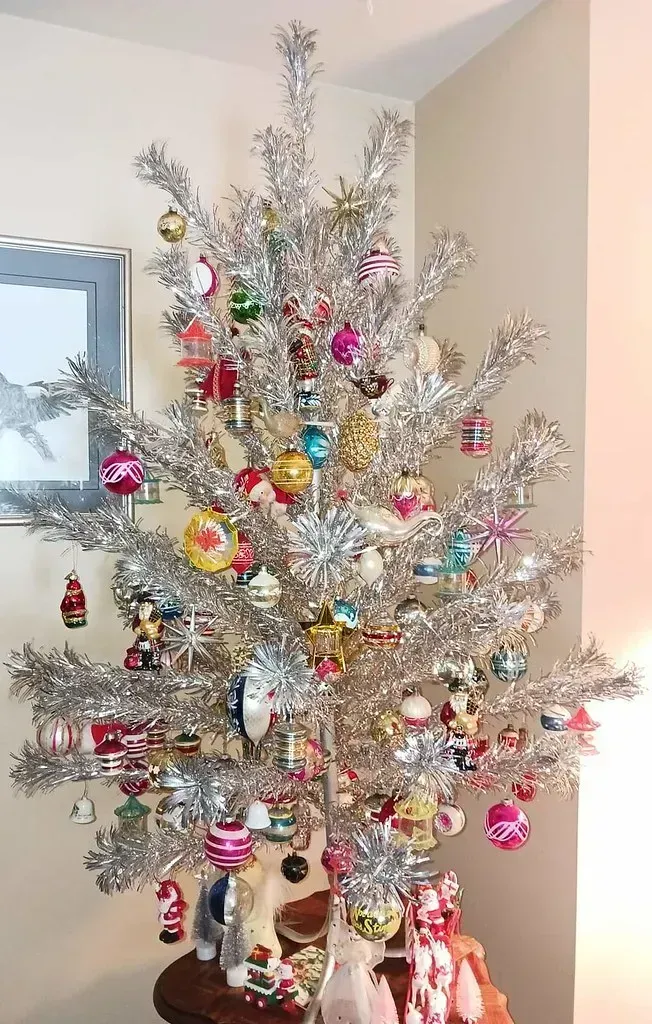
Shiny aluminum Christmas trees, often silver, sometimes pastel, feel like pure 1960s space-age glamour. Commercial production took off around 1958, and aluminum trees were wildly popular into the mid-1960s. In 1963, the Sears Christmas Book was actively advertising them to families across America. A Los Angeles household in December of that year was very likely to have one standing in the living room.
Aluminum Christmas trees represented a bold break from traditional holiday decor. They fit seamlessly with the sleek, minimalist aesthetics of mid-century modern homes, echoing the shiny chrome finishes that were everywhere from cars to furniture. While silver was the classic choice, some trees were available in gold, pink, and blue. Unlike traditional trees, which called for heavy ornamentation, aluminum trees were best left with simple, light decorations, relying on their structure and shine for a statement.
Ornaments, Tinsel, and the Shiny Brite Legacy

Aluminum trees, bubble lights, and Shiny Brite ornaments defined this era. Palettes of turquoise, pink, and bright red captured the postwar optimism of the 1950s and 1960s. Shiny Brite glass ornaments were a fixture of American trees from the postwar years onward, and in 1963 they were still very much in circulation, their silvered glass interiors and lacquered finishes catching every shift of the color wheel.
Tinsel was popular in both the fifties and sixties as a safer alternative to lights, which burned so hot they could set trees on fire, especially the aluminum ones. Tinsel came in various colors but was most popular in silver, so as to resemble winter snow. Draped across each branch in long, careful strands, it added a dimension of shimmer that photographs from the era barely do justice to in person.
The Kitchen: A Cheerful Hub of Holiday Activity
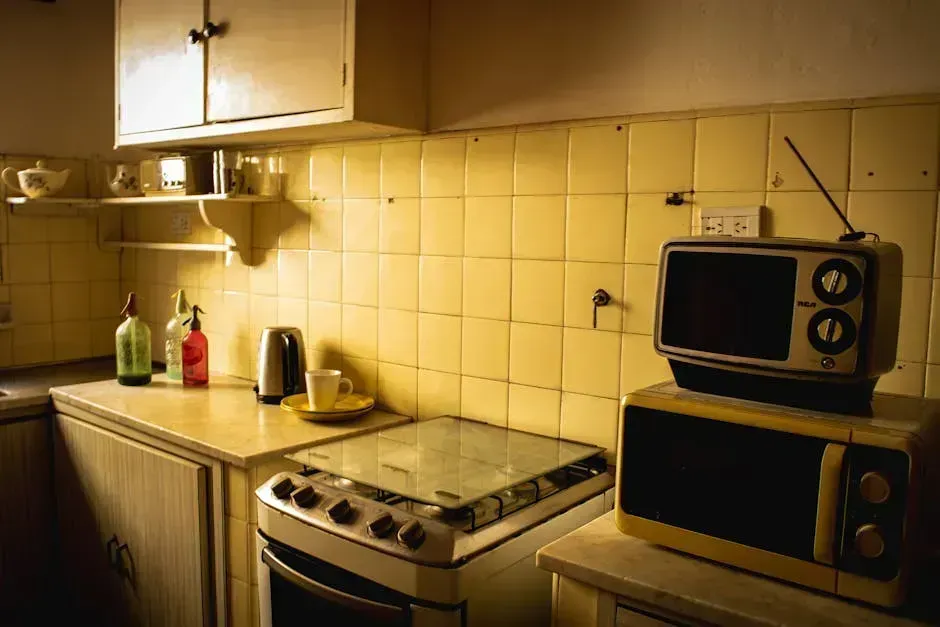
When it comes to vintage family kitchens, the mid-century years stand out for turning this space into the heart of the home. In the 1950s and sixties especially, the kitchen was designed as a spot where families could cook, eat, talk and spend time together. These rooms were front and center, often open to dining areas or the family room, and packed with unique features meant to make daily life easier.
Designers and appliance makers leaned into that shift with built-in seating, island counters, and colorful appliances, often in pastel tones. Materials like laminate countertops and linoleum floors were popular for their easy care, while wall ovens and cooktops gave homeowners more layout options. Dressed for the holidays, a 1963 L.A. kitchen would have had a small ceramic tree on the counter, a red poinsettia near the window, and the particular smell of something baking close to Christmas morning.
The Dining Room: Walnut, Warmth, and the Holiday Table
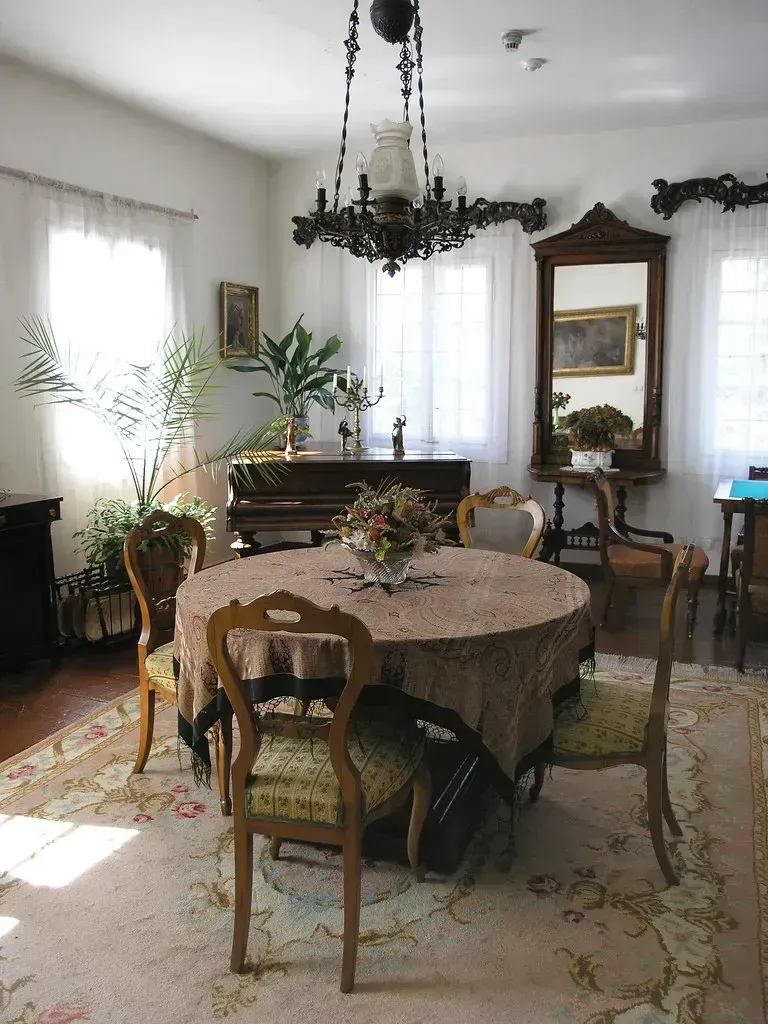
Medium to dark wood tones such as teak, walnut, and cherry were prominently featured in mid-century modern furniture, adding warmth and a natural element to the design. A 1963 dining room in Los Angeles was likely furnished around a walnut table with tapered legs, surrounded by upholstered chairs in a muted fabric, possibly olive or rust. The sideboard along the wall held the good china, brought out once a year for the holiday meal.
Mid-century modern dining rooms are known for combining earthy neutrals with bold pops of color for a retro, eye-catching look. Warm wood surfaces paired with cool blue dining chairs in leather upholstery created a refreshing contrast in neutral dining rooms. For the holidays, a centerpiece of pine boughs, red taper candles, and a few glass ornaments would have completed the table without overwhelming the room’s existing warmth.
Bubble Lights and the Mantel Arrangement
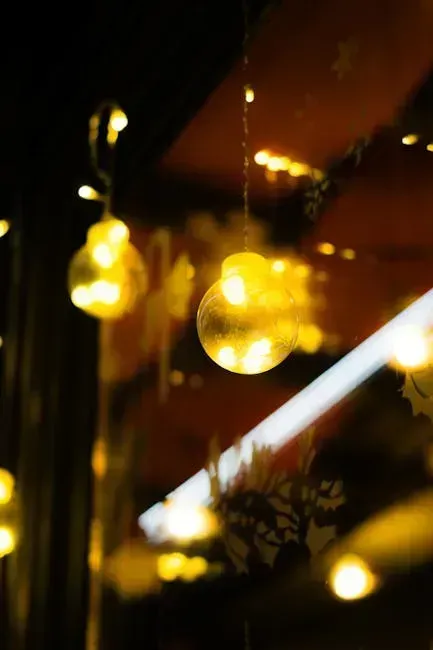
The 1960s gave us ceramic Christmas trees with glowing plastic bulbs, whimsical figurines, and the unforgettable bubble lights that delighted children and adults alike. On a 1963 mantelpiece, those bubble lights would have been threaded through garland alongside Santa figurines and perhaps a small manger scene, the whole arrangement anchored by stockings hung from the hearth with the kind of casual confidence that was distinctly of the era.
Bubble lights, with their dancing liquid shimmer, bring back mid-century charm. Tinsel reflectors, shimmering discs that bounce light across the room, add sparkle that feels timeless. Draped around a mantel, framing a window, or lighting a tree, these retro lights bring instant magic to the season. In an actual 1963 home, none of this was curated for effect. It was simply how the holidays looked.
The Indoor-Outdoor Connection, Even in December
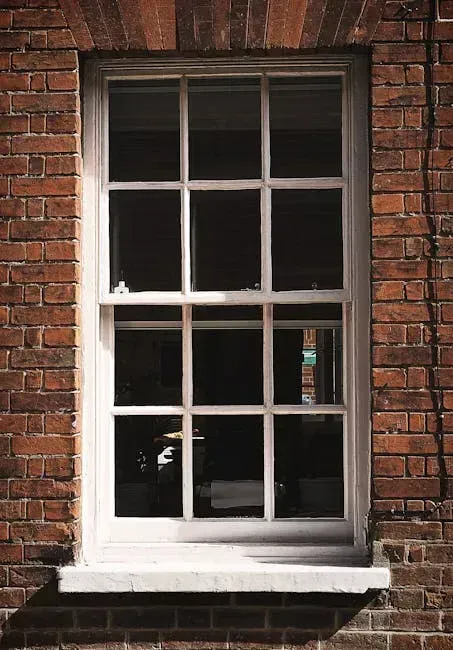
Floor-to-ceiling windows, glass doors, and clerestory windows are features that instantly make a home appear mid-century modern. Large windows can blur the boundaries between outdoors and indoors, and they not only make a space feel more expansive but also allow lots of natural light to enter, creating dramatic effects as light and shadow dance during sunrise and sunset. In December, those glass walls meant the holiday lights inside reflected softly against the dark garden beyond, doubling the glow.
Light streams into the home throughout the day, thanks to sliding glass doors, and even in winter the Southern California climate kept the backyard within reach. A 1963 L.A. family might have strung lights through the patio’s overhanging eaves, set a small decorated rosemary topiary by the back door, and let the boundary between inside warmth and outside cool become part of the holiday atmosphere itself. That particular quality, of a warm room opening onto a cool California night, is one the architecture made possible and the season made memorable.



Leave a Reply