
Choosing a seat on a plane feels simple enough – window or aisle, front or back – but the people who know aircraft cabins better than anyone else tell a very different story. Flight attendants spend more time in the air than most of us will in a lifetime, and when they travel as passengers, they are anything but casual about where they sit. Their choices are deliberate, informed by everything from airflow patterns and turbulence physics to how food carts move down the aisle.
So when multiple flight attendants independently point to the same handful of seats as the ones to avoid at all costs, it’s worth paying attention. The verdict is remarkably consistent: the worst seats are generally “in the last row of the aircraft,” and the reasons go far beyond mere inconvenience. From no recline to lavatory odors to rattling galley carts, the back row stacks up problems that no amount of cheap ticket pricing can compensate for on a long flight. Here’s exactly why – and what else to watch out for when you book.
The Last Row: A Near-Universal Warning
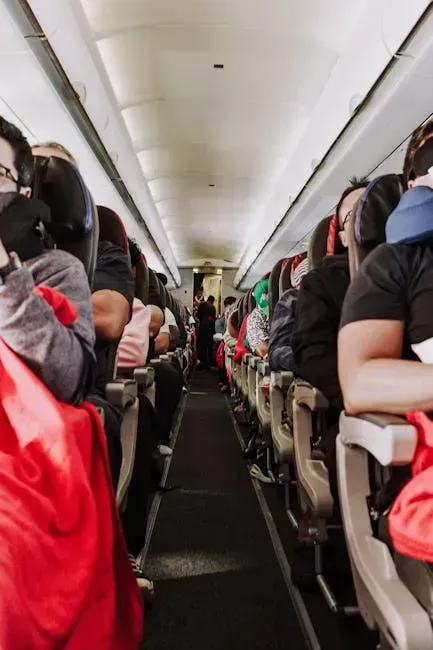
Flight attendant Ethan Smith, who works for an international airline, says the worst spot is specifically “any seat in row 30 (the last row on most Boeing planes) because you can’t recline the seat, and it’s close to the lavatory. It’s noisy, and there’s often a line of passengers waiting for the lav, encroaching into your space.” That combination of issues creates a cascade of discomfort that compounds over time, especially on anything longer than a couple of hours.
David Duff, former Content Specialist at SeatGuru, agrees: “The seats [there] more than likely have limited recline, [and] the proximity to the lavatory and galley are going to be bothersome since you are dealing with noises, smells, people queueing to use the lavatory, and the flight crew opening and closing storage compartments and chatting.” It’s one of those seats that looks fine on a booking page but feels deeply unpleasant the moment the cabin door closes.
No Recline: A Bigger Deal Than You Think
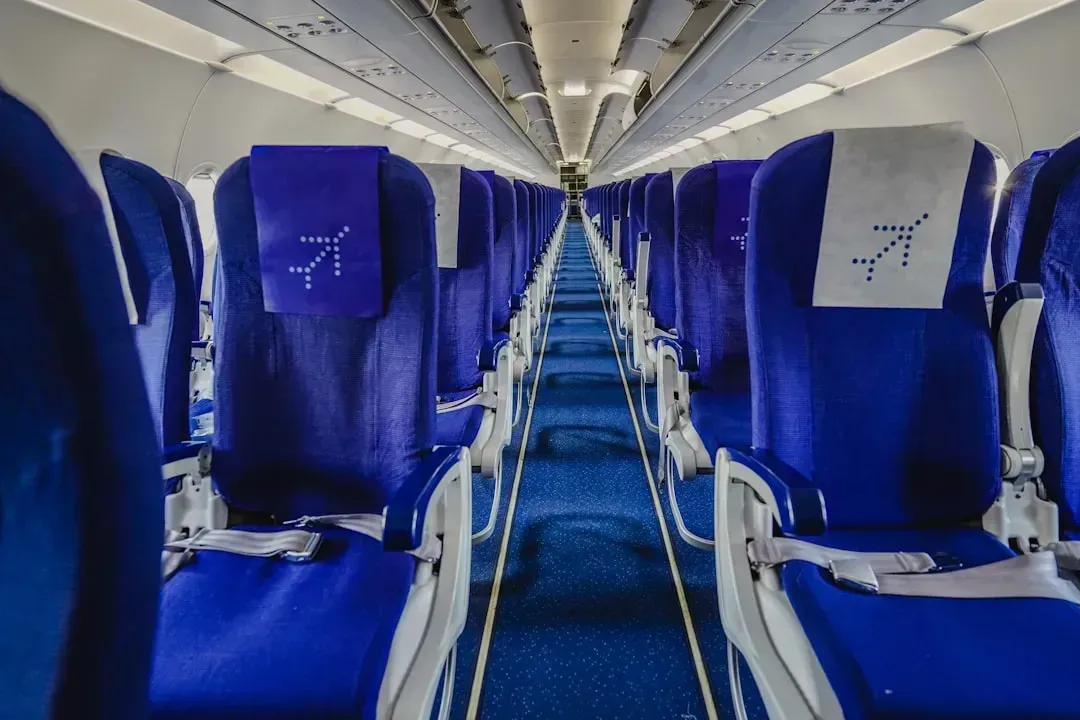
The last row does not recline, so you will be forced to sit upright for the entire flight. Seats in the last row are also closest to the lavatories. On a short hop, that’s an annoyance. On a transatlantic or transpacific red-eye, being locked upright for eight or ten hours can genuinely wreck how you feel on arrival.
If the ability to recline your seat is a priority, the last rows of seats against the bulkheads, often at the lavatories or galleys, do not recline. Also, these seats and the bulkhead areas may be noisier due to galley preparations, and lavatory noise and foot traffic from both passengers and crew. If sleeping during your flight is a priority, these seats would not be ideal, and your rest may be disturbed.
The Seat Directly in Front of the Exit Row
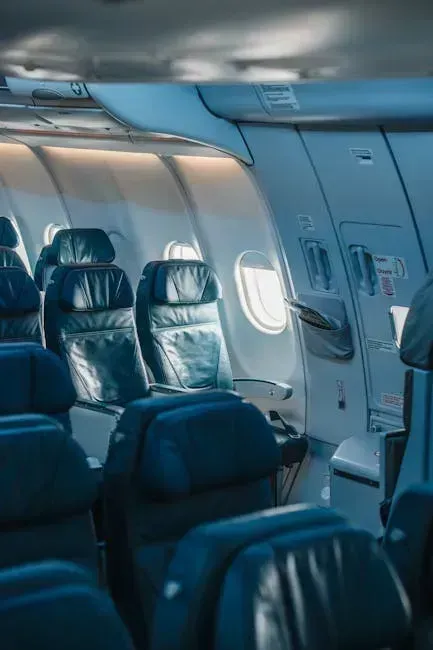
A flight attendant posted on Reddit about how “the row directly in front of the exit row will NOT recline.” It makes sense from a safety perspective; you want people to access the emergency exits as easily as possible if something goes wrong onboard. This is a trap many travelers fall into because the seat looks like a standard economy seat with no obvious red flags on the booking map.
All middle seats are unpopular for obvious reasons, and the seats in front of an exit row aren’t ideal either. “These seats usually have limited recline in case the plane has to be evacuated,” Duff explains. That is usually to prevent obstruction and have more space in case of any emergencies occurring, allowing passengers to use the exits faster and more easily. The frustrating part is that these seats are often priced and labeled just like any other seat.
The Lavatory Effect: More Than Just Odor
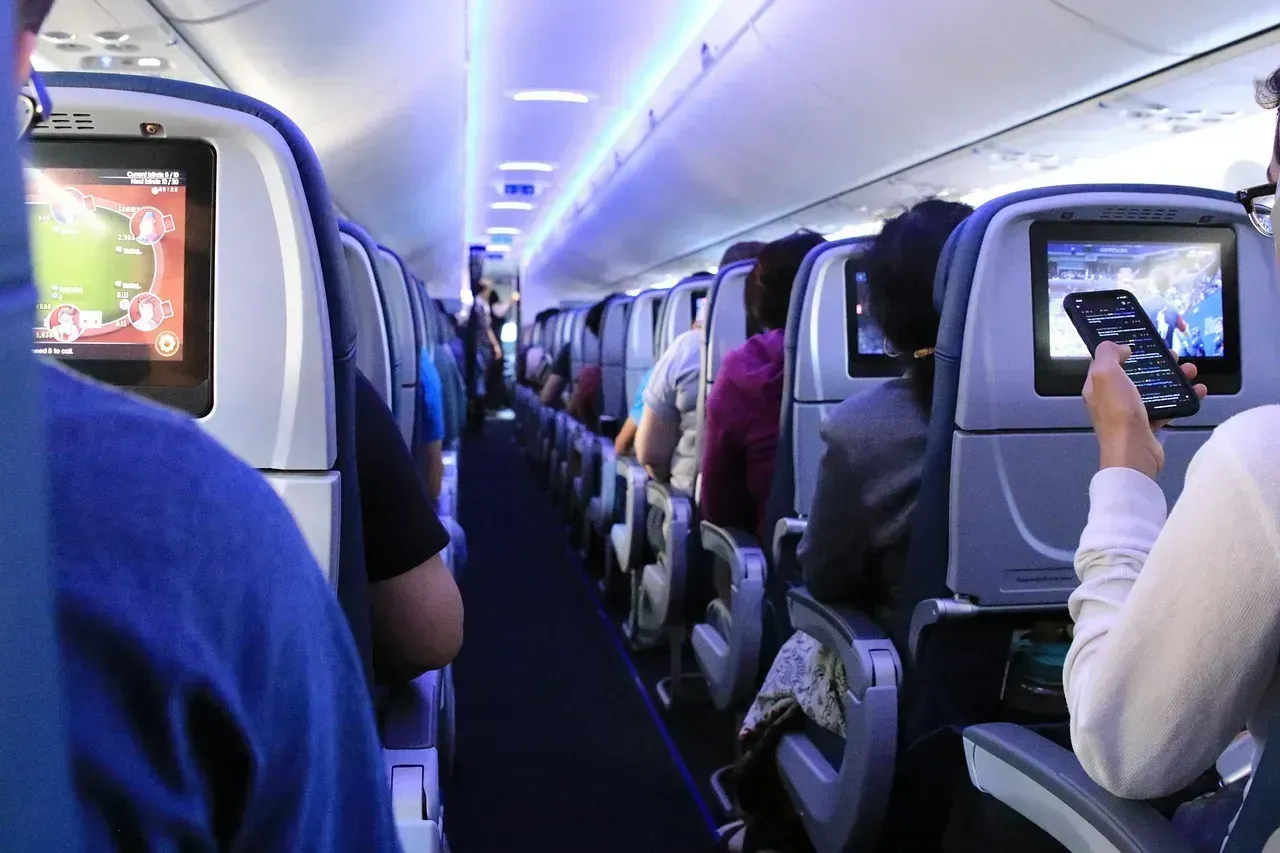
An aisle seat located near a bathroom is one of the worst seats on the plane. You may be subject to poor odors for the duration of the flight. You are also likely to experience lines and crowds of people near your seat. That means you may be subject to loud conversations as well as people leaning on the top portion of your seat. Flight attendants consistently cite lavatory proximity as one of the top complaints they hear from passengers – and one of the first things they personally avoid when choosing their own seat.
Flight attendant Rosie Awad of Virgin Australia says the worst seat is “any seat in the last row or any row next to a bathroom.” She’s blunt about why: “I’m so sorry to those who get any in that row,” and adds that “any seat in row 30 (the last row on most Boeing planes) because you can’t recline the seat, and it’s close to the lavatory” makes for an experience nobody should choose voluntarily.
Turbulence Feels Worse at the Back
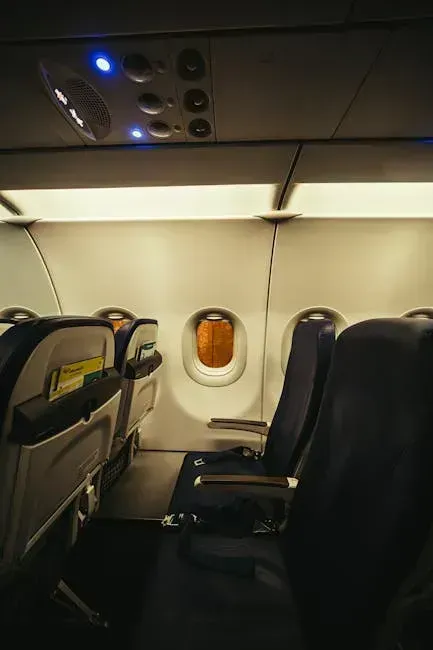
The back section of the plane can also be uncomfortable due to its proximity to the aircraft’s rear, where turbulence tends to feel stronger. This is due to the location being further from the plane’s center of gravity, meaning passengers seated at the back feel more pronounced movements when the plane encounters turbulence. It’s not that the plane is less stable – it’s that the physics of a long fuselage mean the tail end swings and bounces more than the middle.
Flight attendants know that there is less turbulence over the wings because it is closest to the aircraft’s center of gravity. Therefore, there is less movement and vibration than in seats at the rear of the aircraft. The back rows also feel more turbulent, especially during landing or in bad weather. This is because the back of the plane is behind the wings, so it will experience more movement. Passengers who are afraid of flying or prone to motion sickness should avoid these seats.
You’ll Be Served Last – and Choices Run Out
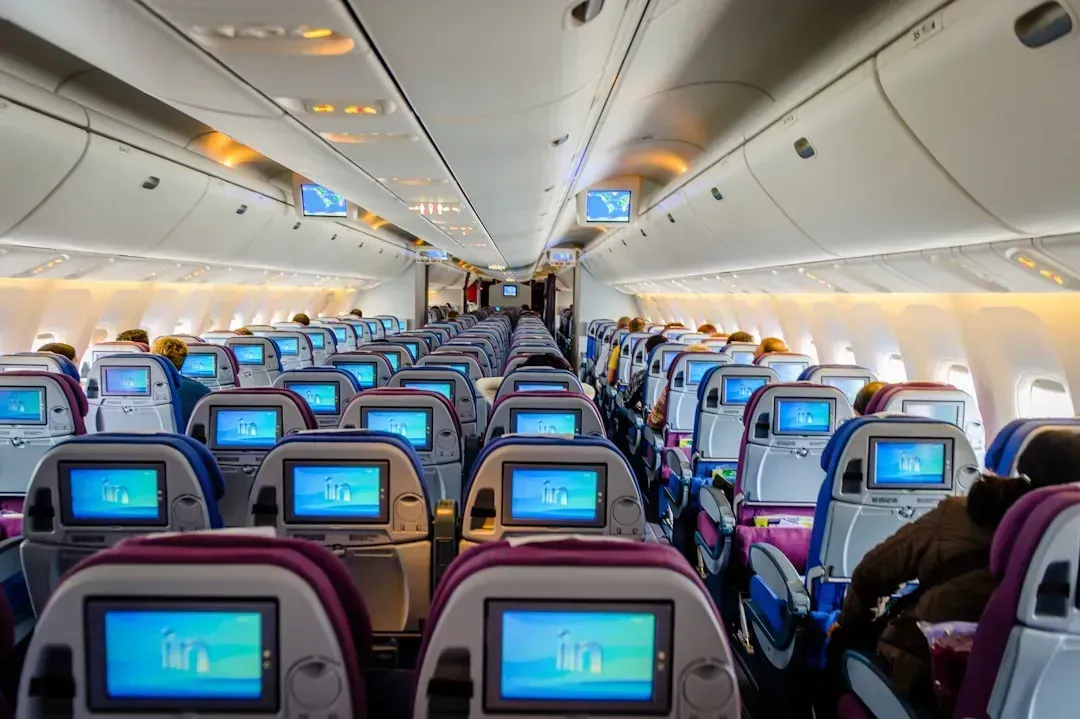
Sitting toward the middle or back of the plane doesn’t just mean waiting longer for your drink. It often means the selection is gone by the time the cart arrives. As one flight attendant put it, “If you sit in the middle, especially on your way home, we are much more likely to have sold out of whatever it is you want because we always start at the front and back and work towards the middle.” On aircraft that serve from front to back only, the problem is even more pronounced for rear passengers.
Flight attendants say that the best seats are five rows from the front or back of the economy cabins. These are less noisy, away from the lavatories, galleys, and bulkheads, where there is more traffic. An added advantage to these seats is that the meal and bar service starts from the front of economy, so you get served first. On longer flights with full cabins, this can mean the difference between getting a hot meal and getting whatever’s left.
Overhead Bin Space Disappears Fast at the Back
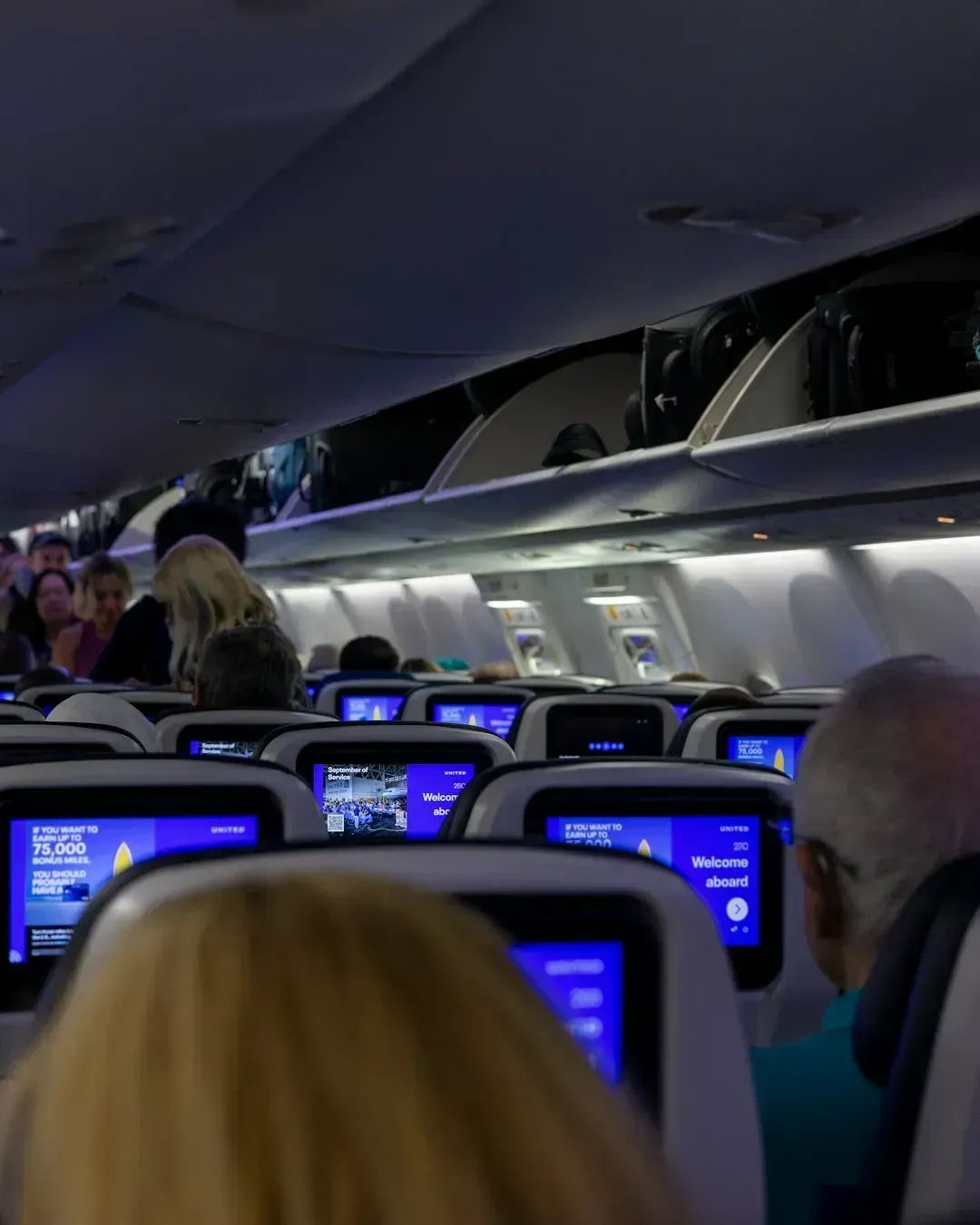
Travelers should also be aware of the storage issues that often occur in the rear of the aircraft. Passengers who board later may find the overhead bins filled, forcing them to store their luggage several rows away. This can be especially problematic if you have important belongings that you want to keep close at hand during your flight. Most airlines board from the front first, or at least from the middle outward, meaning the back rows are frequently the last to board and the first to find empty overhead space.
The combination of no bin space and a non-reclining seat is particularly brutal. A middle seat in the back row of a widebody plane makes for an uncomfortable flight. Just as it is on other planes, this back-row seat is loud, cramped and lacking in overhead bin space. But worst of all, it’s uncomfortably close to the restroom. If you’re stuck checking your carry-on, losing access to your belongings for the whole flight adds another layer of frustration.
Deplaning Last Can Cost You a Connection
Seats in the back are away from the wings, which causes a more turbulent ride. Seats in the back are also usually closer to the lavatory, which could mean foul odors. Finally, those sitting in the back are the last ones off the plane, which is bad if you have a connecting flight. This is a practical, logistical concern that flight attendants are well aware of, because they regularly watch stressed passengers sprint through terminals after deplaning last.
Deplaning can take significantly longer from the rear. Being in the last row meant being the last passenger off the plane, which could be an issue for those with tight connections. On a full wide-body with hundreds of passengers, the time difference between sitting in row five and row fifty can easily stretch to fifteen or twenty minutes – more than enough to miss a tight connection at a busy hub.
Where Flight Attendants Actually Choose to Sit
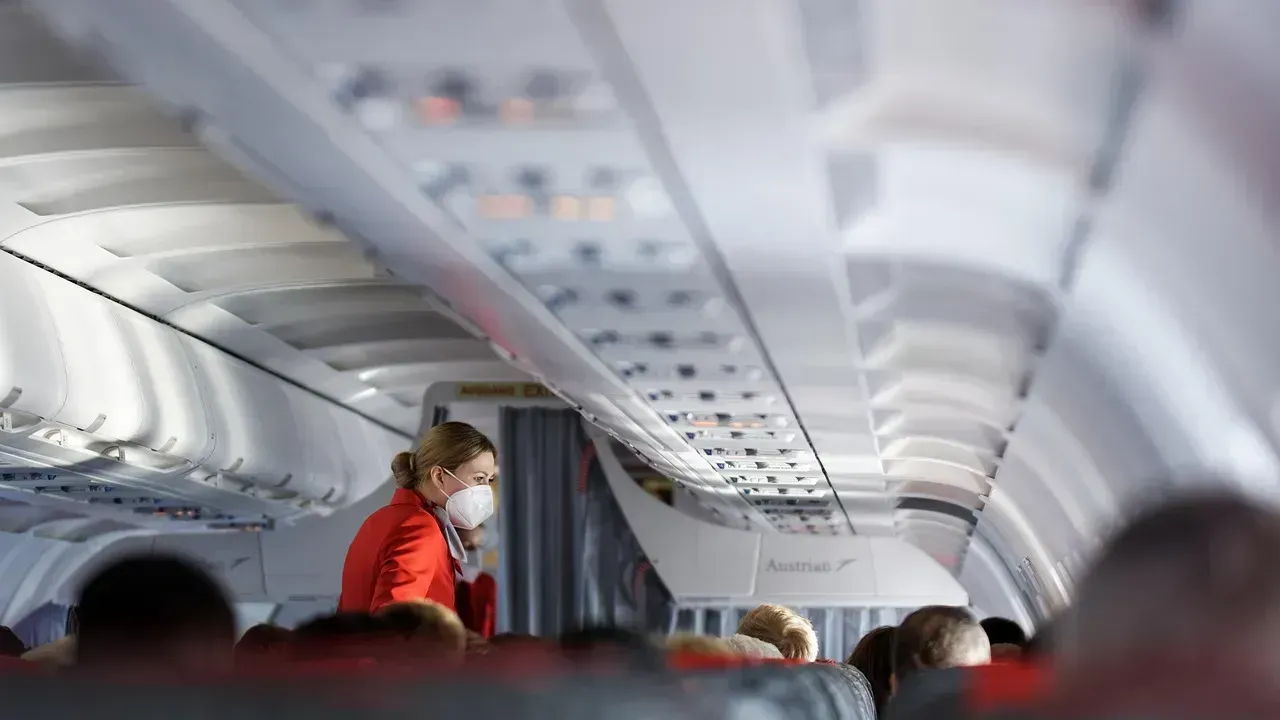
Understanding the worst seats is only half the picture. Flight attendants, when they travel off-duty, tend to cluster in a few well-chosen spots. According to Travel and Leisure, flight attendants say that the best seats are five rows from the front or back of the economy cabins. These are less noisy, away from the lavatories, galleys, and bulkheads, where there is more traffic. That sweet spot balances quick service, manageable noise levels, and a reasonable walk to the exits.
The exit row window is a favorite seat for many flight attendants while traveling and not on duty. There is extra legroom and a wall to lean on to try to get more rest. Away from the aisle, it is slightly quieter and, of course, the window offers an unobscured view. It also comes with the advantage of knowing exactly how to operate the exit if needed – a skill most flight attendants possess without thinking about it. As one senior flight attendant with more than 15 years of experience put it, “Flight attendants know how the cabin works, from airflow to cleanliness, and it changes the way we choose seats.”
The bottom line is straightforward: the last row of the plane, especially in a middle seat near the lavatory, is the one that flight attendants most consistently tell people to avoid. It isn’t snobbery or superstition – it’s the accumulated wisdom of professionals who have spent thousands of hours in the air and know, better than anyone, which seat will leave you wishing you’d clicked somewhere else during booking. Before your next flight, take ten minutes to study the seat map carefully. That small act of planning is one of the few things about air travel you can genuinely control.


Leave a Reply