
There’s a particular kind of dining regret that sets in not when the food arrives late or tastes outright bad, but when you realize the dish you ordered was always more about appearance than eating. You spotted it on Instagram, or maybe it was the most photogenic thing on the menu, and that photograph made the decision for you. The food arrives. You snap your picture. Then comes the slow, quiet realization that this isn’t especially enjoyable to actually eat.
Charming flower arches, selfie-ready bathrooms, and over-the-top presentations may not seem like dead giveaways for a disappointing meal, but they each speak to an establishment’s prioritization of aesthetics and photogenic qualities over the most important part of any eatery: the food. These are the six dishes where that gap between looks and taste shows up most reliably.
Truffle Oil Everything
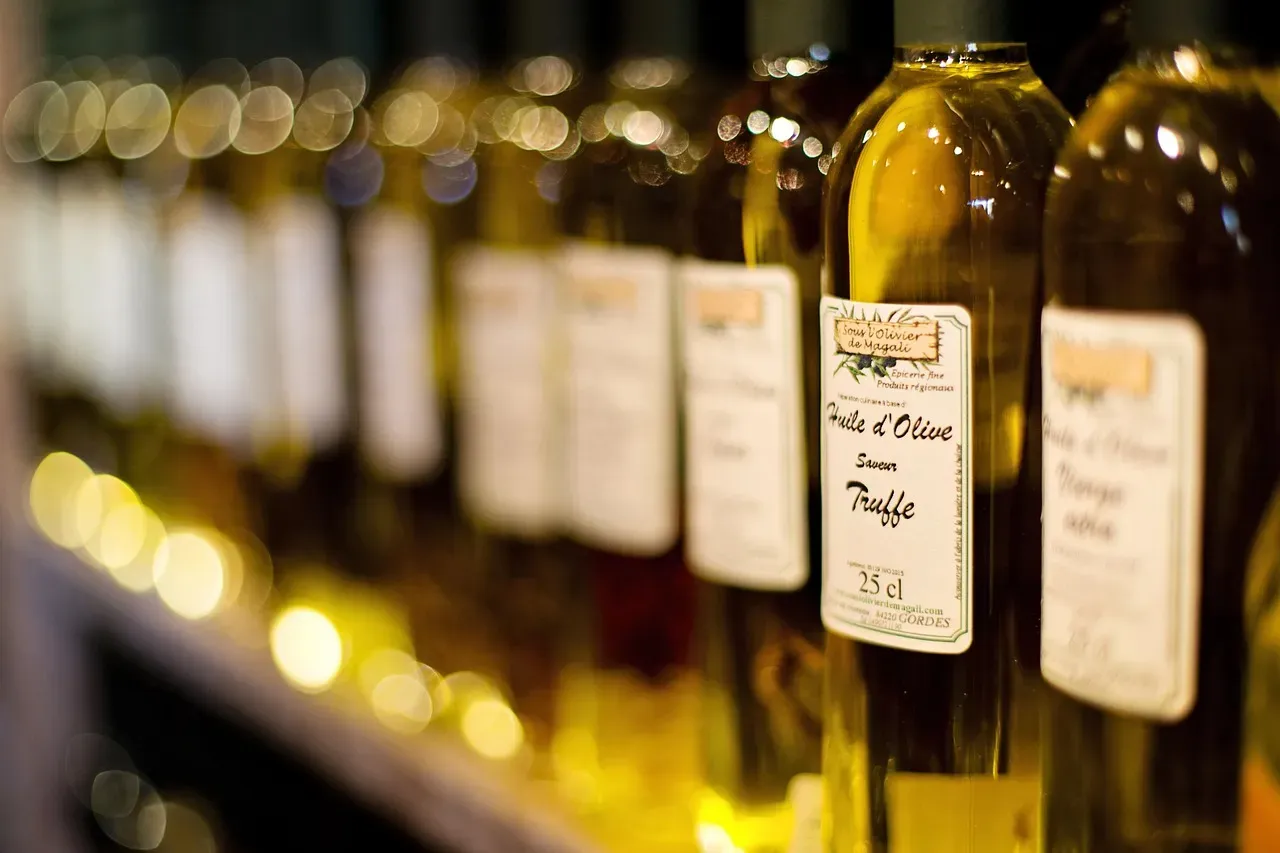
Few things on a menu signal “fancy” quite like the word “truffle,” and restaurants know it. Truffle fries, truffle pasta, truffle risotto – the mere mention sends a certain type of diner reaching for their wallet without a second thought. The problem is that what ends up on the plate rarely has anything to do with actual truffles. Most commercial truffle oils are chemically flavored with synthetic compounds like 2,4-dithiapentane rather than actual truffles, which misleads consumers and distorts public perception of what truffles truly taste like. The result is an aggressively pungent, one-note aroma that blankets everything it touches.
The obsession with truffle mushrooms is especially problematic when synthetic truffle oil is being used. It overpowers dishes, lacks nuance, and often masks what could have been great ingredients. Multiple professional chefs have refused to cook with it altogether. Truffle oil is rarely made with real truffles, and it shows. The smell is overpowering, almost artificial, and once it’s on your fries or pasta, it takes over. You can’t taste anything else. It clings to your mouth and lingers long after the meal ends. You ordered it for the prestige. What you got was chemical perfume on potatoes.
The Towering Instagram Burger
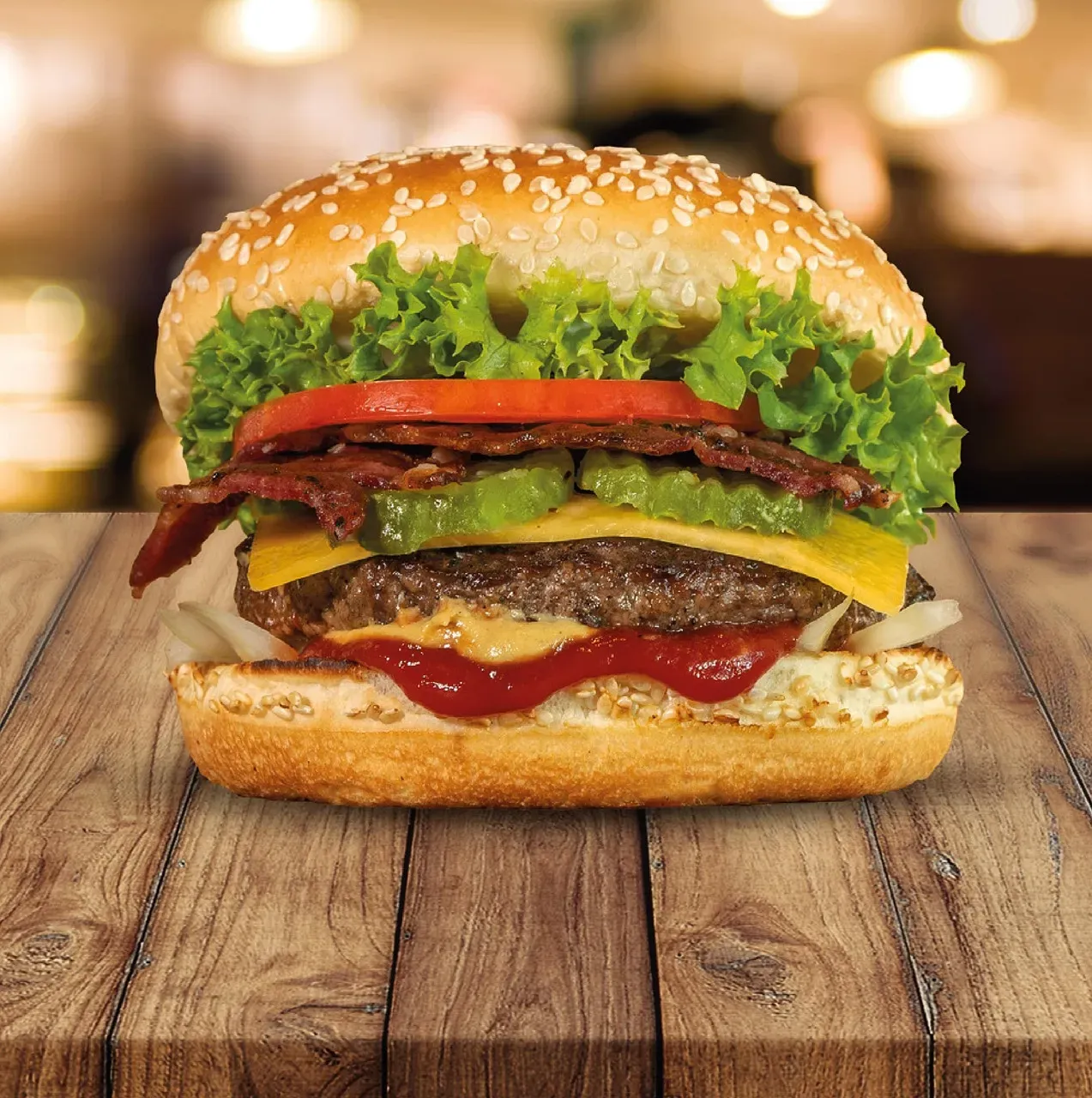
Stacked burgers look magnificent in photos. Four patties, a fried egg, pulled pork, onion rings, and some kind of special sauce all teetering magnificently in a tower of ambition – it’s almost impossible not to photograph. But the moment you pick it up, or more accurately, the moment you fail to pick it up, the illusion collapses. Top chefs and restaurateurs have hit out at the trend of towering burgers fueled by social media, arguing they “defeat the point” as they are impractical to eat, and diners can’t fit a bite in their mouths. A burger that has to be cut up with a knife and fork is pointless, industry experts have said, arguing that for a burger to be acceptable, one must be able to get all components in one bite.
Stacked sky-high with bacon, rings, and mystery sauces, these burgers dare you to finish but rarely reward you for trying. Tall doesn’t mean tasty. Patties slip, buns split, and dignity disappears. Gourmet doesn’t have a point if half ends up on your shirt. The dish was designed to be photographed, not eaten. As one restaurateur put it: “Cooking for looks is clearly not a new thing, but these days we somehow feel we have to cook for likes.” And that sentiment pretty much sums up the towering burger’s entire reason for existing.
Deconstructed Desserts
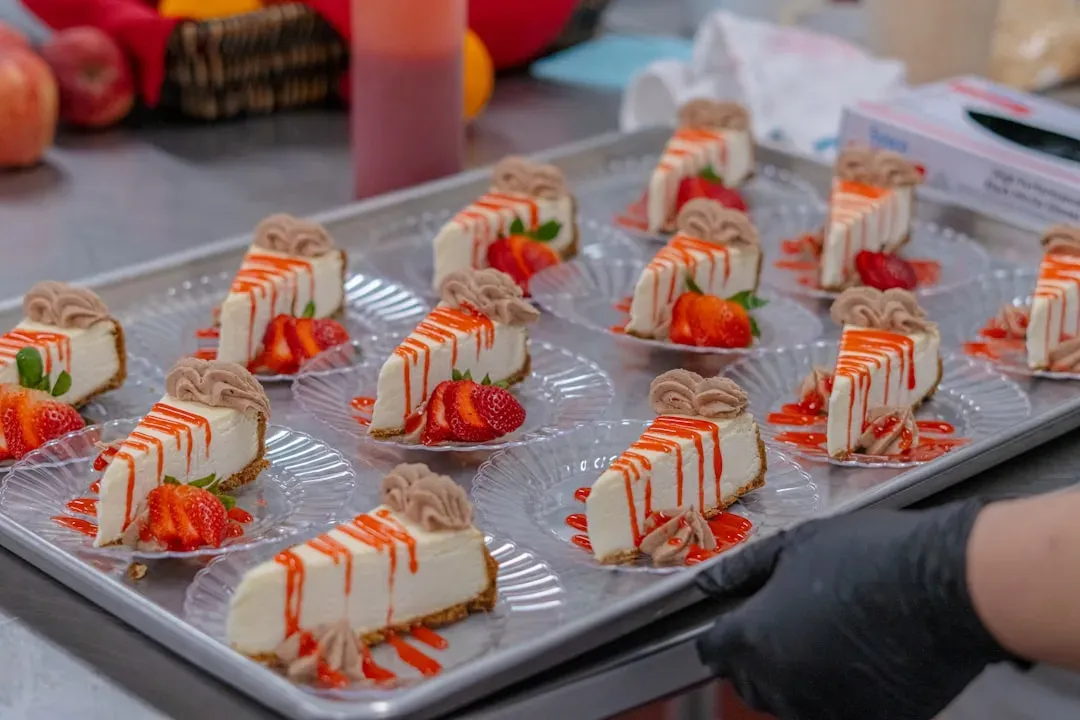
On a menu, “deconstructed cheesecake” or “deconstructed tiramisu” sounds like the work of a visionary chef rethinking classics. On a plate, it tends to look like a small accident – smears, crumbles, dots, and pools of sauce scattered artfully across a large white canvas. It photographs beautifully. Eating it is another matter entirely. Why is my cheesecake in five random blobs across a plate? Deconstructed desserts are a chef’s way of making simple sweets seem fancy, but they usually taste worse and confuse everyone. You don’t want to guess which pile is the crust. You want dessert, not a puzzle. Just give us the normal version that actually tastes good in one bite.
Fancy restaurants serve you cheesecake in bits and charge double because apparently making you assemble your own dessert counts as innovation. You get a smear of cream cheese, some biscuit crumbs scattered about, and a berry coulis drizzle that looks artistic but tastes incomplete. Cheesecake works precisely because everything comes together in one glorious slice. Taking it apart doesn’t make it sophisticated; it just makes it annoying. The visual concept works. The eating experience, almost by definition, does not.
Edible Gold Dishes
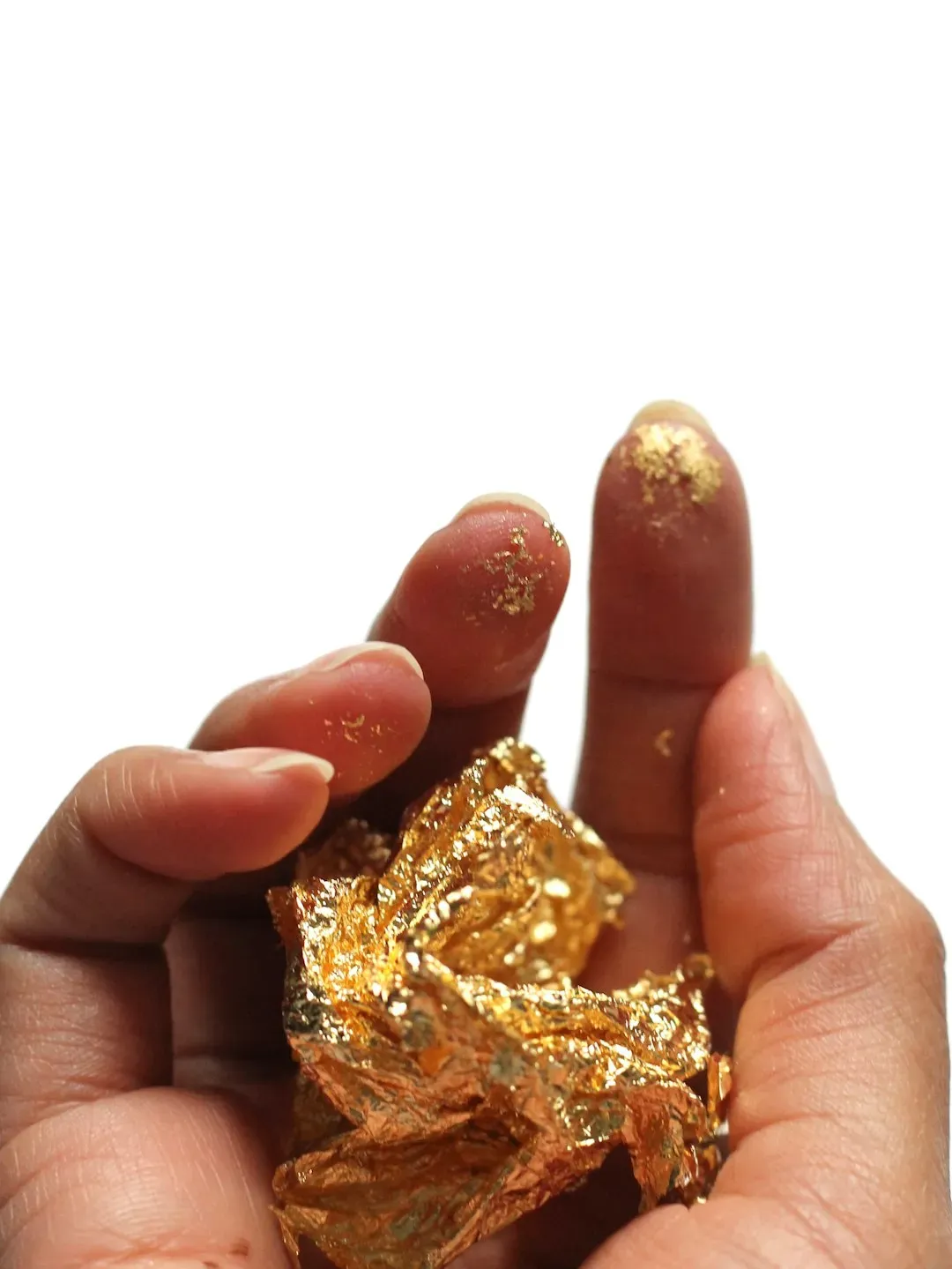
Nothing signals splurge quite like a dish encrusted, wrapped, or dusted with edible gold leaf. Gold-wrapped burgers, golden doughnuts, gold-flecked cocktails – they exist almost entirely for the photograph, and they’ve become reliable fixtures at the kind of restaurants that measure their reputation by viral reach rather than flavor. The grim truth is that gold, edible or otherwise, has absolutely no taste. A flake here, a sheet there – edible gold dazzles without delivering flavor. Restaurants wrap burgers or desserts in it, hoping the shimmer masks simplicity. It dates back to medieval medicinal rituals, not Michelin stars. Gold may catch the eye, but it never pleases the tongue.
Restaurants started coating burgers in edible gold leaf to scream luxury, but it adds absolutely no flavour. Beneath the glitter, it’s the same beef patty and bun you’d get anywhere else – just pricier. The premium you’re paying is entirely for the visual, which makes it one of the more honest cons in modern dining – at least the restaurants aren’t pretending the gold itself tastes good. They’re banking on the fact that you’ll pay for the photo opportunity and smile about it afterward.
Raw Fish Tartare
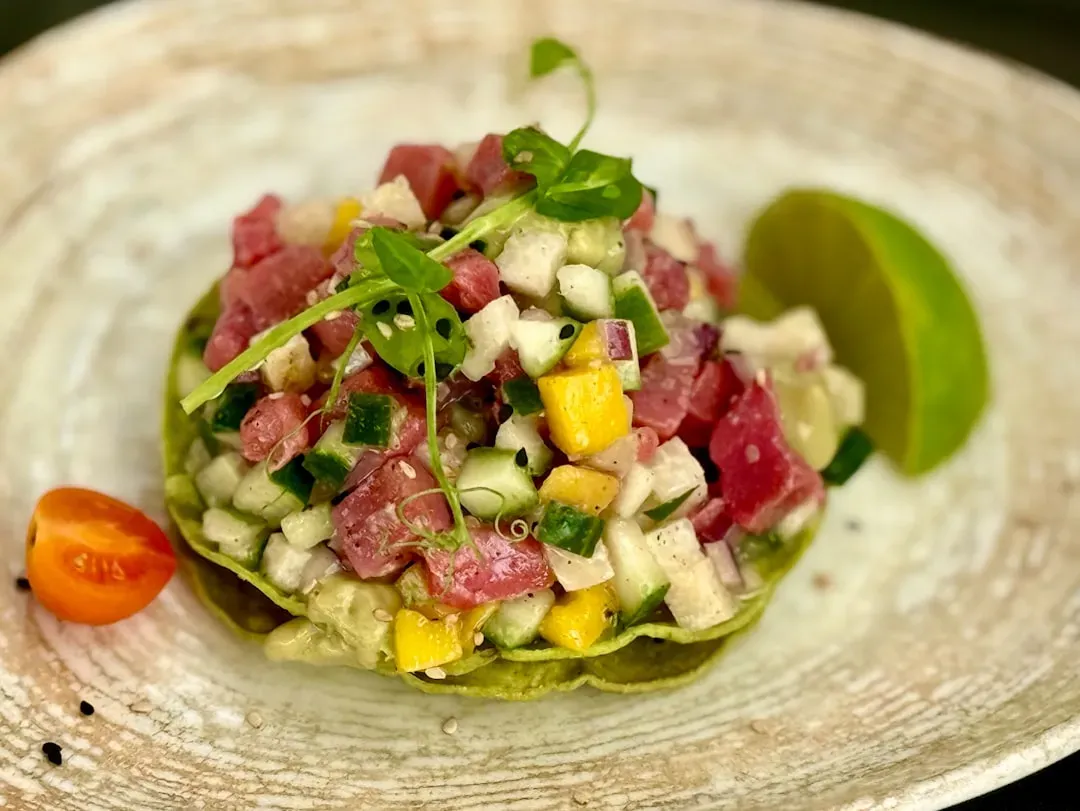
Tuna tartare or salmon tartare arrives on the table looking pristine. Clean, jewel-toned, precisely shaped, perhaps fanned with microgreens or a whisper of edible flower. It looks like fine dining distilled to its purest form. Ordering it feels sophisticated. Then you take a bite of cold, raw, finely chopped fish and quietly wonder whether this is actually something you enjoy, or whether you’ve been performing enjoyment all along. It sounds elegant and looks clean on a plate, but it’s not for everyone. Cold, raw fish chopped into bits and mixed with avocado or soy doesn’t exactly scream “comfort food.” Most people order it on a date or at a trendy restaurant, not because they love it – but because it sounds impressive. Truth is, it’s more show than substance, and it’s rarely satisfying.
Microgreens – a common garnish on tartare – are a “lay-up ingredient to give your dish color, but more often than not, they don’t do much for flavor and are more of an afterthought add-on rather than something that intentionally completes the dish,” as one executive chef noted. The same observation applies to the dish itself for many diners. The components look purposeful and refined, but when you strip away the presentation, you’re left with a cold, dense portion of raw protein that requires a real appreciation for the ingredient to genuinely enjoy. Many people have that appreciation. Many others are just hoping nobody notices they don’t.
Charcoal-Colored Everything
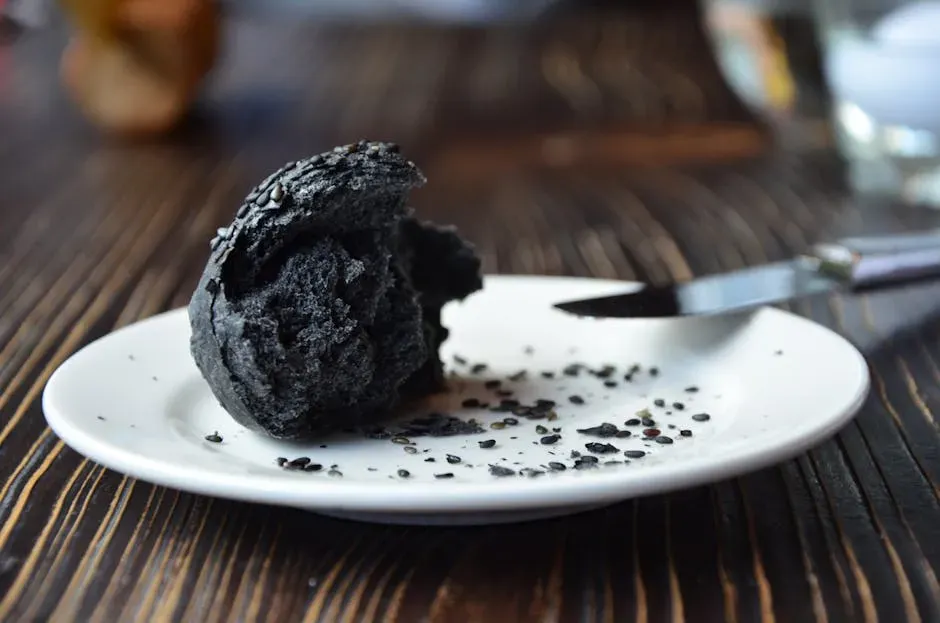
Black-activated charcoal food had a full cultural moment, and traces of it still linger on certain menus. Black burgers. Jet-black ice cream cones. Charcoal lemonade that glows dramatically in the glass. The color alone is enough to stop a scroll, and that’s entirely the point – there’s no culinary reason for any of it. Charcoal in food looks edgy – but usually tastes like you’re chewing on ash. It adds no flavor, no nutrition, and sometimes even interferes with medication absorption. It’s a novelty that got way too popular. People try it once, post it online, and quietly wonder why anyone would go back for a second bite.
The stark visual drama of a jet-black bun or an ink-dark soft-serve works beautifully in a photograph. In person, the bun often tastes slightly off, the color is slightly alarming, and the whole experience feels more like a prop than a meal. As one executive chef put it plainly: “Food that looks good for a photo but tastes like a picture, not a dish.” Charcoal dishes are perhaps the most literal embodiment of that critique. They are, in the most literal sense, food that exists to be seen rather than eaten – and once the novelty fades, most diners quietly know better than to order one again. There’s nothing wrong with wanting your food to look beautiful. The best restaurant dishes do both, and some kitchens genuinely earn every photograph taken of their work. The trouble comes when the visual becomes the entire reason for the dish’s existence, leaving the actual act of eating as almost an afterthought. Next time a menu item catches your eye before it catches your appetite, it might be worth pausing to ask whether you’re actually hungry for it – or just hungry for the shot.



Leave a Reply