
There’s a particular kind of discomfort that comes with flipping through old photos from the 90s. The hair. The jeans. The casual way certain jokes landed on primetime television without a second thought. Gen X lived through one of the most culturally distinct decades in modern memory, and a lot of it was genuinely great. Some of it, though, has not aged gracefully.
Looking back from 2026, it’s hard not to notice how many things that felt cool or completely normal back then now carry a different weight. This isn’t about shaming a whole generation. It’s more of an honest accounting of how cultural standards shift, and how some 90s obsessions turned out to be more problematic, uncomfortable, or just plain ridiculous than anyone realized at the time.
Frosted Tips and the Hair Crimes We All Committed

Frosted tips were a hair trend that swept through the 90s, involving dyeing the tips of the hair a lighter shade, often blonde, to create a striking contrast. Popularized by boy bands and celebrities, frosted tips became synonymous with the decade’s fashion experimentation. At the time, this looked sharp and modern. Now, old yearbook photos tell a very different story.
The look required dedication, with regular touch-ups and styling to maintain its spiky appearance. Though the trend has faded, it remains a nostalgic symbol of 90s pop culture and a reminder of some truly adventurous hair choices. The mushroom cut for guys and the voluminous crimped looks for women weren’t doing anyone many favors either, in hindsight.
JNCO Jeans and the Era of Aggressively Baggy Denim

JNCO jeans were the epitome of 90s baggy fashion. With their ridiculously wide legs, they became a staple for many teenagers and young adults. Originally designed for comfort, these jeans were embraced by both skaters and ravers alike, creating a sense of rebellion against traditional fashion norms. The larger-than-life design often included elaborate embroidery or logos on the back pockets, making them a statement piece.
Sure, some people wear baggy pants today, but those pants don’t even come close to how baggy pants were back in the 90s. One leg could have fit two people. Cargo pants had their moment too. Baggy cargo pants were a signature trend of the 90s, known for their loose fit and numerous pockets, offering both comfort and functionality, often paired with oversized t-shirts or hoodies, creating a relaxed and carefree look.
The Pencil-Thin Eyebrow Obsession
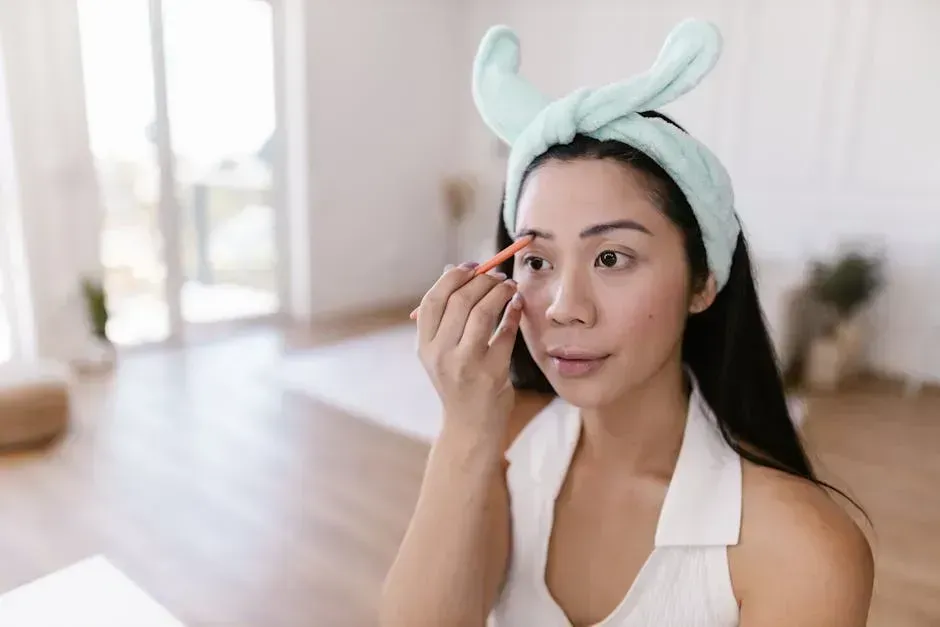
Overly plucked eyebrows became a significant beauty trend in the 90s, characterized by their pencil-thin appearance. Fueled by fashion magazines and celebrities, this look was seen as chic and modern. Achieving these brows required meticulous grooming and a steady hand, often resulting in sparse hair that was difficult to regrow. Many spent years trying to recover their natural brows.
This trend serves as a cautionary tale about the transient nature of beauty fads, reminding us to embrace more natural looks and trust our instinct over popular opinion. The over-plucked look has since become almost universally recognized as one of the decade’s worst aesthetic decisions, even by people who enthusiastically participated in it at the time.
The “Heroin Chic” Body Standard That Caused Real Harm

The 90s brought about the “heroin chic” look, a style that emphasizes extreme thinness, and it evolved as a response to the neat, proper aesthetics of the 1980s. As problematic as it is to aspire to look like an addict, celebrities in the 90s and early aughts promoted the look heavily, spreading the influence past grunge and alternative circles into the fashion industry.
Female celebrities were shrinking to child sizes and getting praised for it. Thinspo was a thing. Many who grew up during those years have described how their entire friend groups had eating disorders, with cigarettes and diet cola substituting for meals. The idea of sports was extreme cardio only. The culture was deeply unhealthy. With the rise of body positivity, and in rejection of the scrutinizing tabloid culture that was rife in the 90s and early 2000s, we’ve since learned not to comment on people’s bodies.
The Problematic Comedy of Beloved Sitcoms

Certain TV shows from the 1990s were beloved while airing and remain relevant, but their tone and stories are problematic today. Frequently, these problems stem from the lack of diversity in Hollywood, and when the people in the writer’s room and behind the camera come from the same background, it can lead to jokes at the expense of individuals who weren’t consulted on whether something would be offensive.
Homophobia is often what first comes to mind when discussing Friends, but racism, flippant attitudes toward violence, and outlandish body-shaming should be remembered as well. The show also goes against the more recent body positivity movement with the recurring “Fat Monica” joke. They often show flashbacks of when Monica was overweight and purposely make her look like a loser, while all her friends make fun of her for it. There’s even an episode where they show what Monica’s life would’ve been like if she had never lost the weight, essentially implying that her life would’ve been worse.
Starter Jackets, Chokers, and Other Fashion Regrets
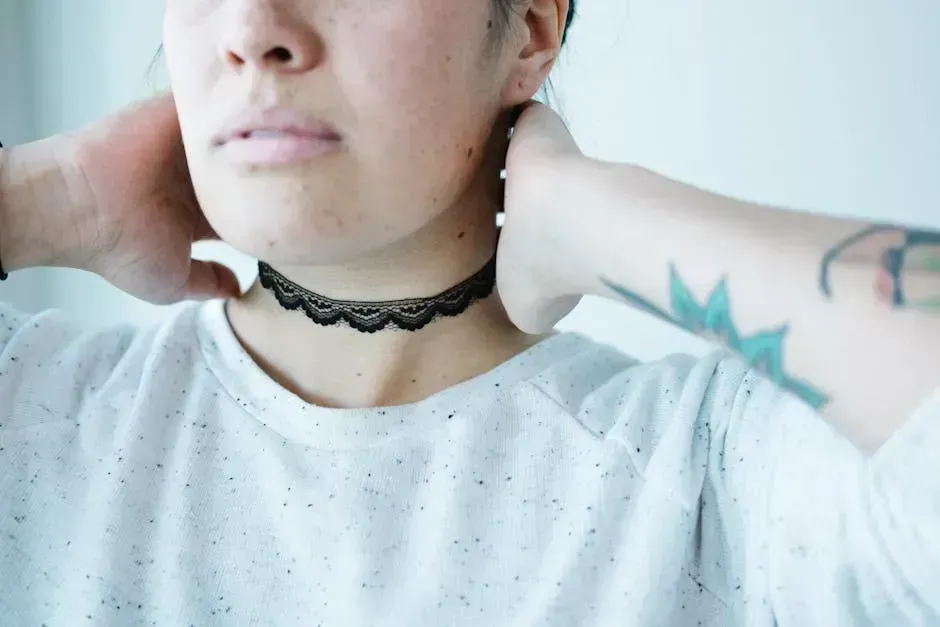
Sports fans in the 90s showed their team allegiance with popular Starter jackets. The coats were so coveted that Starter jacket thefts were an actual problem. That particular level of brand loyalty, combined with the very real social stakes attached to owning the right jacket, seems almost surreal from a modern perspective. There’s not much that screams 90s louder than someone wearing a thin leather choker. These were originally more of a goth thing, but it caught on hard.
Chokers were all the rage back in the 90s, especially the tattoo-style ones. Everyone from Winona Ryder to Jennifer Love Hewitt wore the super-tight necklaces. Paired with platform shoes that made walking a genuine safety hazard, the full 90s accessory package now reads more like a costume than a coherent style vision. Nothing said 90s quite like denim overalls, with one strap unbuckled, along with a Hypercolor shirt covered by the most colorful windbreaker you could find.
The Toxic Diet Culture That Was Completely Normalized

While modern branding often avoids the word “diet,” many of the same ideas now appear under labels like detox plans, clean eating, or extreme calorie tracking. Social media influencers sometimes unknowingly recycle 90s diet logic, presenting restrictive habits as part of a trendy wellness lifestyle. For Gen Z, this can create confusion about what healthy eating actually means. Nutrition experts warn that constant exposure to restrictive messaging increases guilt around food and encourages obsessive habits.
All of our moms were on Weight Watchers, Jenny Craig or the Atkins diet in the 90s, and an entire generation was surrounded by messages about thinness, whiteness, and sexiness equaling worthiness. Despite the rise of the body positivity movement in recent years, these unhealthy and unattainable aesthetics of the 90s and early 2000s seem to have found a way back into girls’ lives, even though most women want to keep them buried.
Sarcasm as a Personality Substitute

The 1990s popularized a style of humor built around sarcasm, emotional detachment, and ironic indifference. Sitcom characters often responded to serious situations with witty mockery rather than genuine vulnerability. This tone became a defining cultural trait of the decade. It was cool not to care. Caring too much about anything was deeply uncool.
Psychologists warn that suppressing emotions to maintain an image of effortlessness can harm long-term mental well-being. Healthy relationships depend on communication and emotional honesty. When nostalgia glamorizes emotional restraint, it may unintentionally encourage young people to ignore their feelings rather than process them in constructive ways. Gen X’s famous detached cool, in other words, wasn’t always the healthiest template to hand down.
The “Rise and Grind” Glorification Nobody Questions Enough

The 1990s were the peak of “rise and grind” storytelling. Movies, business books, and media narratives celebrated relentless ambition and portrayed success as something earned through nonstop work and personal sacrifice. This framing seeped into every corner of popular culture, from motivational posters to the way 90s protagonists were written as people who simply outworked everyone else around them.
A common theme in 90s nostalgia is the idea that life was simpler, happier, and more authentic before the rise of modern technology and social pressures. Viral posts often describe the decade as a carefree time when people supposedly worried less and enjoyed life more. However, historians and sociologists note that every era carries its own challenges. The 1990s included economic struggles, social inequalities, and cultural pressures that are often forgotten when the decade is remembered through selective nostalgia.
Celebrity Tabloid Culture and the Open Season on Bodies
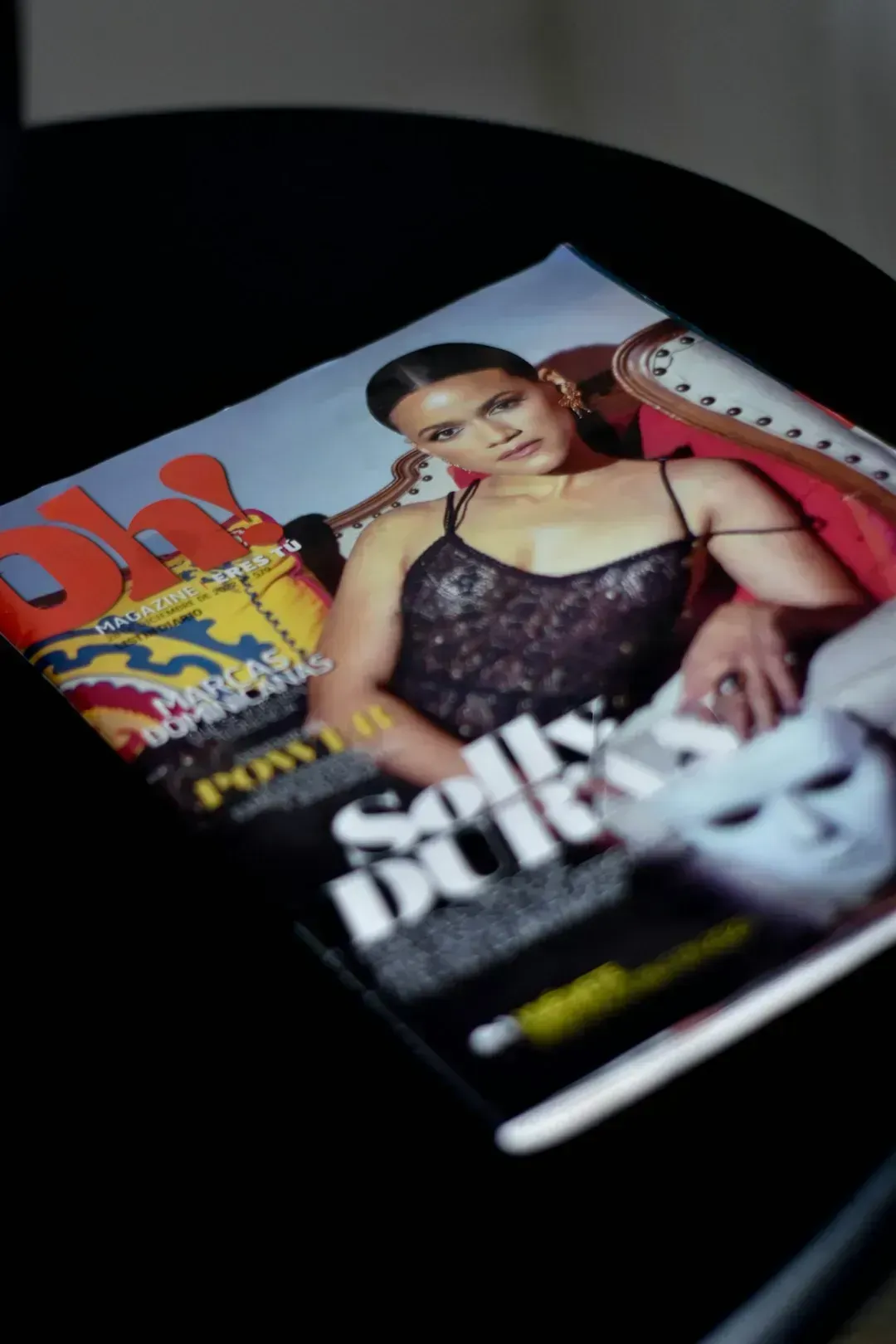
The 1990s marked the explosion of celebrity-driven media. Magazines, television interviews, and entertainment news constantly compared stars’ bodies, lifestyles, and relationships. Headlines openly ranked appearances and discussed weight changes, creating a culture where public comparison became normalized entertainment. This wasn’t treated as invasive or harmful at the time. It was just Tuesday.
The 90s were a time of extreme female body standards embodied by figures like Naomi Campbell, Kate Moss and Victoria Beckham. Many may remember Y2K trends as a time when super-skinny bodies were also “in,” but today’s generation is bringing the fashions back with more body positivity, keen to leave unhealthy 90s beauty standards in the past. The contrast between how those standards were celebrated then and how they’re viewed now is striking, and worth sitting with for a moment.




Leave a Reply