
Eating out has gotten expensive, and Americans are paying closer attention to whether the experience actually matches the price tag. With menu costs rising faster than wages and customer expectations higher than ever, the margin for disappointment has grown noticeably thinner. Some chains that once felt like reliable go-tos have quietly, or not so quietly, become places that leave diners feeling ripped off.
The data backs this up. According to a 2025 survey by the American Customer Satisfaction Index, precious few quick-service restaurant chains improved over the last year. For every chain that moved up in customer satisfaction, two of them dropped a point or more. Here are eight chains that diners are increasingly crossing off their lists.
1. McDonald’s: Last Place, Three Years Running
McDonald’s came in last in the American Customer Satisfaction Index in 2025, after also placing last in 2023 and 2024. That’s three consecutive years at the very bottom of the rankings for the world’s most recognizable fast food brand. McDonald’s secured an unwanted distinction in the restaurant industry, ranking lowest in customer satisfaction according to the 2025 ACSI Restaurant and Food Delivery Study, scoring just 70 out of 100.
The average cost of a McDonald’s menu item jumped roughly 40% from 2019 to 2024, according to a company fact sheet. Analysis by FinanceBuzz showed that out of all major fast food chains, McDonald’s raised prices the most between 2014 and 2024, with the Big Mac becoming 100% more expensive and a McChicken Sandwich tripling in price at some locations. For a brand built entirely on affordability and speed, that combination of low satisfaction and steep price hikes is hard to overlook.
2. Denny’s: The All-Day Diner Running on Empty
According to the American Customer Satisfaction Index, Denny’s was the worst-rated full-service restaurant chain in 2025, with a rating of 75 out of 100, and its customer satisfaction score has continued to slide since 2024. According to Consumer Affairs, which gathered more than 400 ratings and reviews, customers pinpoint long wait times and wildly inconsistent service quality as the biggest problems, with some reporting waiting over an hour just to be seated, while others say their servers virtually ignored them even when the restaurant wasn’t remotely busy.
Denny’s experienced a terrible 2024 and announced it was closing 50 restaurants in just a few months, citing underperformance, after a difficult period that saw many locations stop operating round-the-clock to save money. By the end of 2025, Denny’s had closed about 150 underperforming restaurants. The company then agreed to a roughly $620 million sale to a private equity ownership group. For a chain that once defined late-night diner culture for millions of Americans, this trajectory is striking.
3. TGI Fridays: Happy Hour Is Over
As new competitors came in and began taking over, TGI Fridays struggled, facing a lack of enthusiasm and a mozzarella stick lawsuit, all of which culminated in a bankruptcy claim in November 2024. Before filing for Chapter 11, TGI Fridays shuttered 86 restaurants, starting with 36 closures in January and another 50 in late October, taking the chain’s footprint down to roughly 160 open locations worldwide.
Soggy French fries, bare ribs, old lettuce, over-fried chicken strips, and bitter Alfredo are among the complaints from customers online, and many also find their food being served cold or the waitstaff delivering the entirely wrong order to their table. By the end of April 2025, TGI Fridays had just 85 locations around the country, continuing to lose more as the year went on. Paying sit-down restaurant prices for that kind of experience is a tough sell.
4. KFC: A Fried Chicken Chain That’s Running Out of Time
KFC holds the distinction of the American Customer Satisfaction Index’s largest drop from 2024 to 2025, falling from a score of 81 to 77 out of 100. KFC had a difficult time in 2025, with sales declining by a massive 5% in the second quarter of the year, continuing a downward trend that had also seen a similar 5% decrease at the end of 2024.
The famed fried chicken franchise saw its sales in 2024 drop even as other poultry chains like Chick-fil-A, Popeyes, Raising Cane’s, and Wingstop increased their revenue, with KFC falling behind all of those competing restaurants in total consumer spending. On the subreddit r/fastfood, most commenters have lodged complaints about price increases, smaller pieces of chicken, and lower-quality food in general. One recurring issue mentioned in reviews is that some locations are frequently out of chicken, which is an almost unbelievable problem for a chain whose entire identity revolves around it.
5. Red Lobster: A Seafood Dream Gone Sour
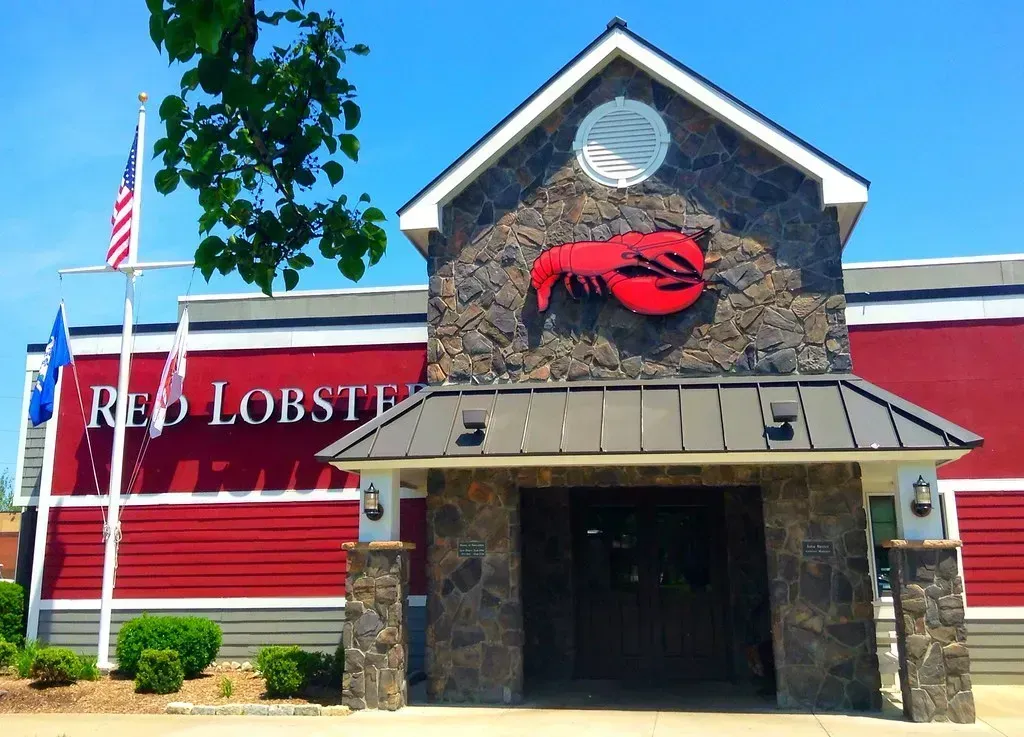
Red Lobster filed for Chapter 11 bankruptcy protection in May 2024, having accumulated nearly $300 million in debt. The company cited rising costs, declining consumer traffic, and significant financial losses from its $20 all-you-can-eat shrimp promotion, which alone contributed to an $11 million quarterly loss. Diners who kept showing up reported that quality had slipped badly even before the bankruptcy.
Among the 50 biggest restaurant chains, Red Lobster’s bankruptcy dragged its sales numbers down by 22.7%, the worst decline on the list. In late 2025, Red Lobster laid off around 10% of its corporate workforce and 200 restaurant employees, according to Bloomberg. The gap between what this chain charges and what it delivers has rarely felt wider, and the nostalgic pull of those cheddar bay biscuits only carries so far.
6. Sonic Drive-In: Drive-In Concept, Drive-Out Disappointment
The chain scored a disappointing 73 in 2025 on the ACSI, falling well short of the 79-point average for quick-service restaurants. The score has fallen considerably from last year’s 76, and over on Trustpilot, Sonic’s reputation takes an even harder hit with a dismal 1.5-star rating.
Customers report dealing with rude staff, shakes that arrive runny instead of thick, and an ordering system and app that are often not working. Getting orders wrong appears to be a regular occurrence, and there are persistent complaints about undercooked food. Five Guys and Sonic both falter, with Sonic falling to a score of 73 in the ACSI rankings. For a brand whose entire charm is built around the drive-in experience, failing at the basics of speed and accuracy stings especially hard.
7. Chili’s: Viral Fame Hiding Real Problems
Chili’s experienced a 3% satisfaction drop to 78 in the ACSI, which was largely driven by its carry-out performance during spring 2024, when it began targeting McDonald’s with products and messaging. More than half of the customer ratings on Consumer Affairs are 1-star reviews. The TikTok buzz around the Triple Dipper may have brought in new traffic, but those customers didn’t always leave happy.
Many reviews report food quality issues, with customers complaining that their meals lacked flavor, were burnt, or had unexpected spice. Some have reported issues like potato soup that arrived without potatoes, reminiscent of baby food, and the chain has served chicken quesadillas that were severely lacking in chicken. The overall consensus is that the food quality simply doesn’t match the price. Social media attention and actual in-restaurant quality are two very different things.
8. Chipotle: The Portion Size Problem That Won’t Go Away
In 2024, complaints about shrinking portions at Chipotle exploded across TikTok and other social media platforms, with patrons accusing the chain of serving smaller burritos and bowls while prices kept climbing. The backlash gained momentum after food reviewer Keith Lee posted a viral video criticizing Chipotle’s portion sizes. A Wells Fargo analyst took a more scientific approach, collecting and weighing 75 burrito bowls across eight New York City locations, finding that the average bowl weighed about 21.5 ounces, but the range was dramatic, with the smallest bowl at just 13.8 ounces and the largest at 26.8 ounces.
Chipotle recently had its worst quarter in five years, with same-store sales falling 0.4% in Q1 of 2025, while overall restaurant transactions fell 2.3%. Chipotle assessed its 3,500 restaurants to focus on those where consumer services delivered outlier portion scores, and workers at about 10% of the restaurants needed to be retrained to make sure bowls and burritos were consistently correct in size. The inconsistency across locations remains the core frustration for diners who feel they’re paying premium fast-casual prices without a reliable guarantee of what they’ll actually get.
What connects all eight of these chains is the same basic tension: prices have gone up, but the experience hasn’t kept pace. Diners aren’t asking for much, just consistent food, fair value, and service that doesn’t feel like an afterthought. When any one of those elements breaks down repeatedly, trust erodes fast, and with so many options available, most customers won’t wait around for a chain to fix itself.




Leave a Reply