
Uber drivers spend a big chunk of their day watching people, not just roads. Between glancing at the mirror, reading the pickup pin, and clocking how someone approaches the car, drivers form quick impressions long before a rider says hello. Most of it never gets voiced, but it shapes the tone of the trip and sometimes the rating that follows.
None of this is written in Uber’s official guidelines, yet talk to enough drivers and the same patterns keep surfacing. These are the small, unspoken things that quietly color how a driver sees a passenger.
1. Making them wait at the pickup spot
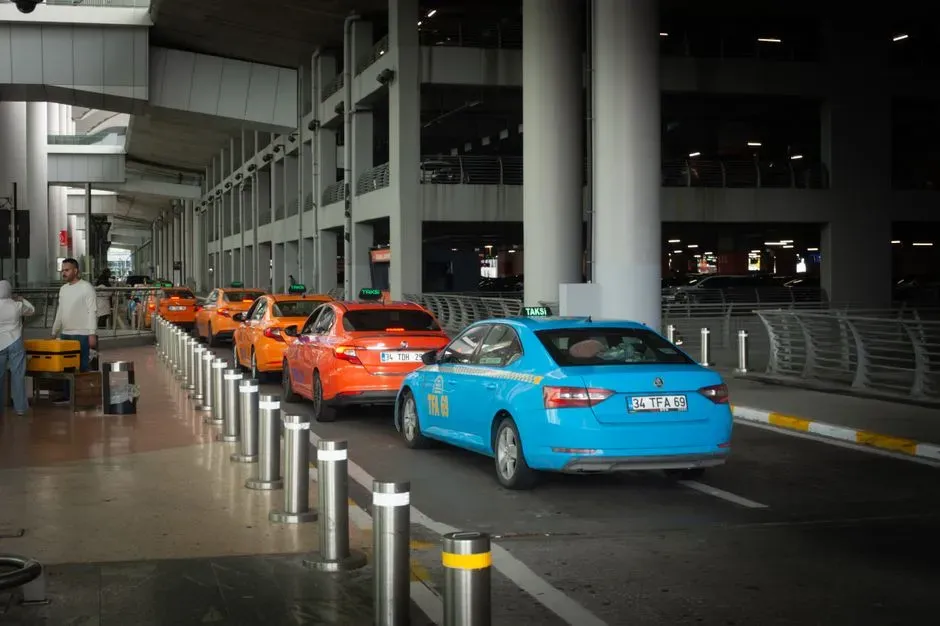
Drivers track the clock the moment they arrive, and every extra minute sitting curbside feels like unpaid time. Riders who dash out the second the car pulls up tend to leave a better impression than those who wander out five minutes later still finishing a phone call. It is not really about impatience so much as the math of the job, since idle minutes do not pay the same as miles driven.
Drivers also notice the difference between someone who is genuinely ready and someone who treats the app notification as a suggestion rather than a signal. A rider who texts “on my way” while still inside is a familiar pattern, and most drivers have learned to expect it without saying anything. It rarely turns into a complaint, but it quietly shifts the mood of the ride before it even starts.
2. Ignoring the greeting or staying silent the whole ride
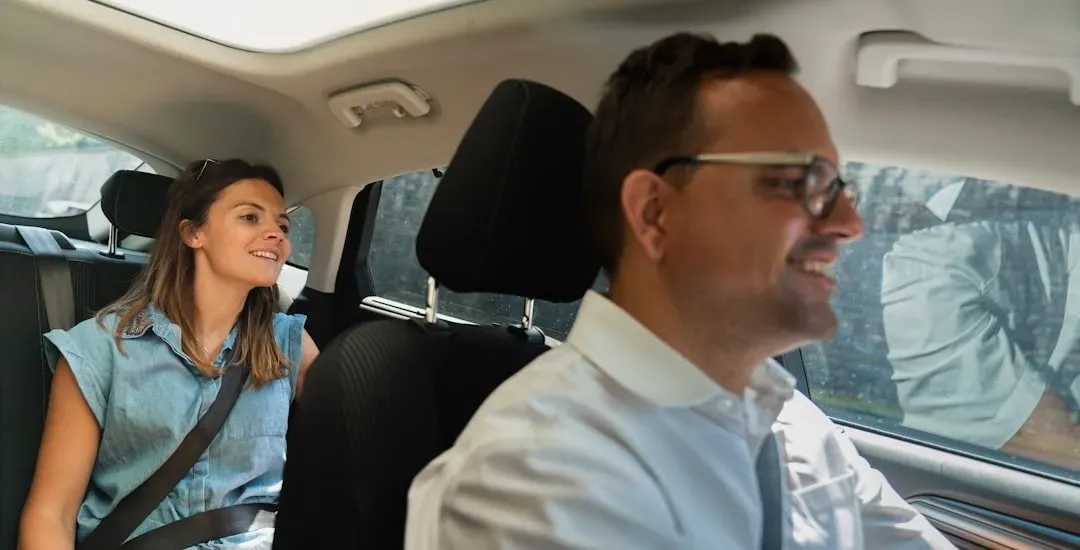
A short hello when getting in sets a different tone than climbing in and immediately staring at a phone. Drivers do not expect conversation, but a complete lack of acknowledgment can read as dismissive, even if the rider does not mean it that way. Many drivers describe the ideal passenger as someone who is polite for the first thirty seconds and then comfortable with silence after that.
Silence itself is not the issue since plenty of drivers actually prefer a quiet cabin. What gets noticed is the absence of basic courtesy at the start and end of the trip, like a simple thanks when stepping out. Drivers remember those small gestures more than people realize, partly because the alternative, total indifference, happens so often that politeness stands out.
3. Treating the car like a trash can
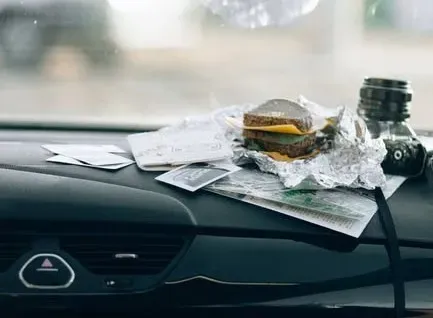
Food wrappers left on the seat, spilled drinks, or crumbs ground into the floor mats are among the most common complaints drivers bring up when discussing rider behavior. Since most drivers use their personal vehicles and are responsible for cleaning and maintaining them, a messy passenger translates directly into extra unpaid work. It also affects resale value and the impression left on the next rider who gets in.
Eating in the car is not automatically frowned upon, and plenty of drivers allow it without complaint. The judgment tends to appear when there is no attempt to contain the mess or when it is left behind without a word. Drivers rarely say anything in the moment, but a quick photo of the aftermath sometimes ends up as part of a damage claim or a low rating explanation.
4. Backseat driving or questioning the route
Uber’s in-app navigation usually calculates the fastest or most efficient route based on live traffic data, and most drivers follow it closely since deviating can affect payout calculations. When a rider repeatedly questions turns or insists on a different path without a clear reason, it comes across as a lack of trust in someone who drives those roads for a living. Drivers generally stay polite about it, but the tension is noticeable even if it is never spoken aloud.
There is a difference between a rider giving useful context, such as knowing about a closed road ahead, and a rider second guessing every decision out of habit. The first is appreciated. The second tends to make the ride feel longer than it actually is, and drivers quietly categorize that passenger as someone who will likely be a stressful pickup again.
5. Slamming doors or handling the car roughly
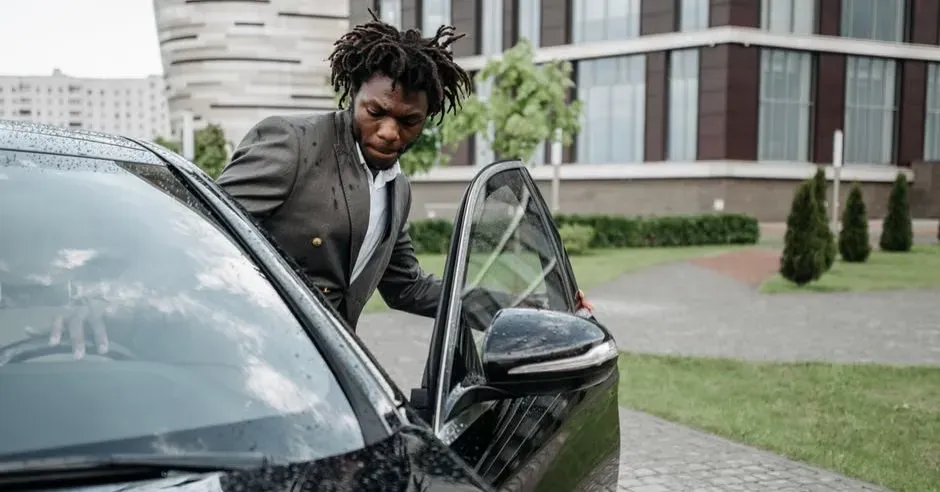
A car door slammed too hard, or a seatbelt yanked and dropped instead of clicked in gently, registers immediately with drivers who know exactly how their vehicle sounds when it is treated with care. Since many drivers are financing or leasing the car they use for platform work, wear and tear has a real financial cost tied to it. A rough entry or exit is one of the fastest ways to leave a negative impression without exchanging a single word.
This category also covers things like putting feet on the seats, resting shoes against the back of the front seat, or tossing bags carelessly onto upholstery. None of these actions usually prompt a verbal correction from the driver, since confrontation over small things rarely feels worth it. Instead, it shows up later in the form of a lower rating or a driver quietly noting the pickup address for future reference.
6. Bringing too many people or too much luggage without warning
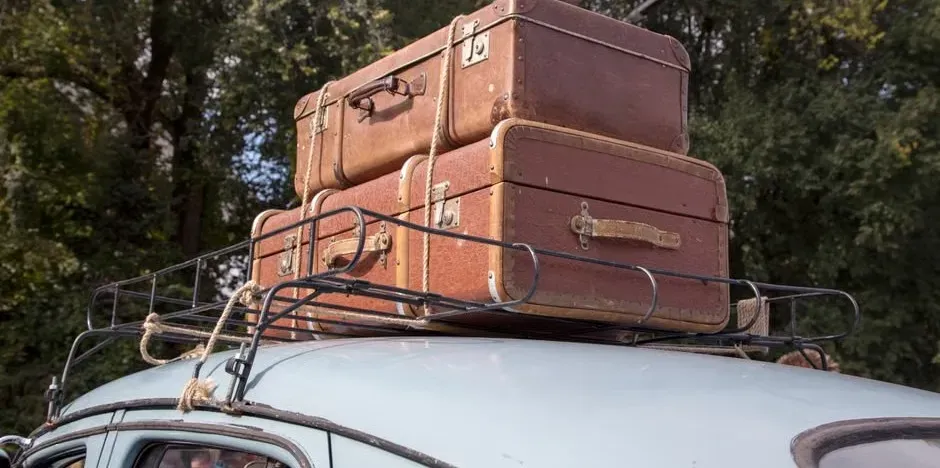
Uber rides are typically booked for a specific number of passengers, and showing up with extra people or oversized luggage that was not part of the original request puts drivers in an awkward spot. They can decline the extra passengers, but that often creates friction, delays, and sometimes a cancellation that still counts against the driver’s metrics depending on the circumstances. Drivers notice when a rider seems to expect flexibility on this without acknowledging that it is an inconvenience.
The judgment here is less about anger and more about predictability. A rider who books an XL when they know they have four people and two suitcases is easy to work with. A rider who tries to squeeze everyone into a standard ride and acts surprised when it does not fit smoothly leaves a different kind of impression, one that tends to linger past that single trip.
7. Being rude to the driver but polite to everyone else in the group
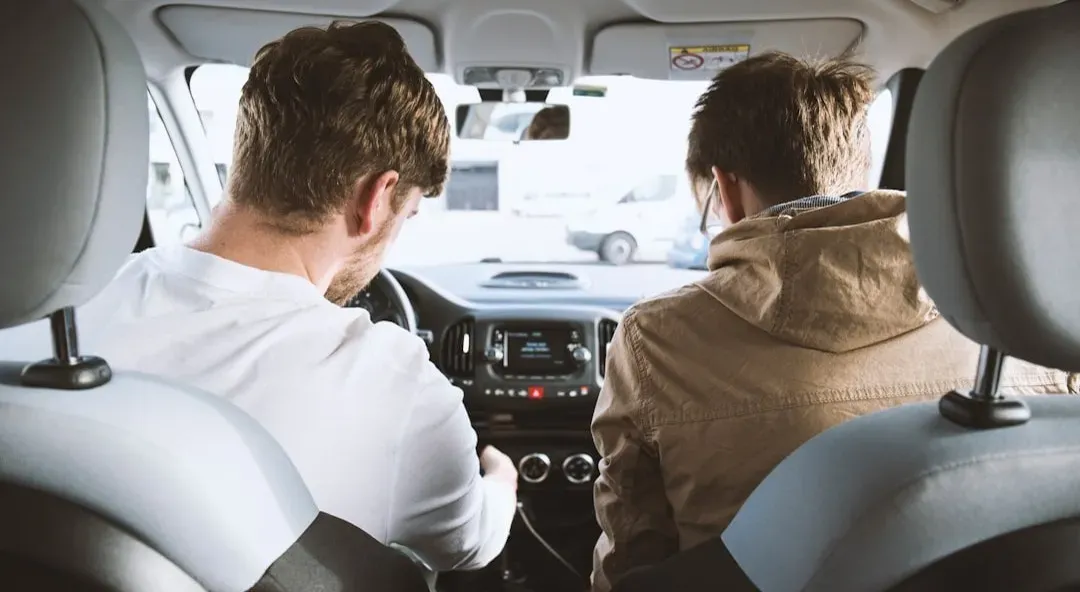
Group rides reveal a lot, and drivers pick up quickly on passengers who are warm and chatty with their friends but curt or dismissive the moment they address the driver directly. That contrast is hard to miss from the front seat, and it tends to stick more than almost any other behavior on this list. It signals a kind of selective courtesy that many drivers interpret as a lack of basic respect for the service itself.
This pattern shows up often enough that many drivers mention it as one of the clearest signs of how a rider actually views the job. A polite tone across the board, regardless of who is speaking, is one of the simplest things a passenger can offer. It costs nothing, yet it is the detail drivers say they remember long after the trip ends.
None of these seven behaviors will show up in a rulebook, and most riders will never hear a word about them directly from a driver. Still, they shape the small, silent judgments that pass through a car every single day, quietly influencing ratings, tips, and whether a driver hopes to get that same pickup pin again.





Leave a Reply