
Language is a living thing. It shifts with every generation, picks up new meanings, and quietly drops old ones. What feels like a perfectly normal turn of phrase to a Baby Boomer can land as baffling, rude, or just plain confusing to someone born after 1997. The gap isn’t really about intelligence or awareness on either side. It’s about growing up in completely different linguistic environments.
In a multigenerational world, misunderstandings stemming from language differences can create unnecessary friction, with younger people sometimes puzzled by idioms that feel outdated, while older generations may not realize their phrasing has lost its original meaning entirely. The result is a lot of blank stares, awkward silences, and unintentional offense that nobody signed up for. Here are 15 phrases Boomers say all the time that Gen Z hears in a very different way.
1. “Just Give Me a Shout”

Even if it doesn’t carry any controversial roots, “give me a shout” is still a phrase Gen Z can’t help thinking of as outdated. With so much online slang cycling rapidly through their world, they can’t quite picture a situation where they’d use it. It simply means “get in contact with me,” but the mode of communication it implies feels very distant from how they actually connect.
To a Boomer, shouting for someone is perfectly natural. It evokes a neighborly, front-porch kind of communication that felt warm in its time. Gen Z, raised on DMs, voice notes, and reaction emojis, often reads it almost literally as some kind of loud public summons. Nobody is actually shouting anything, but the mental image sticks.
2. “Back in My Day…”

“Back in my day…” signals a trip down memory lane where Boomers compare the past with the present. While some find these stories charming, Gen Z often perceives them as dismissive or irrelevant. The phrase can imply that past experiences were superior, effectively overshadowing the unique challenges and advancements of today.
What Boomers usually mean is simply that things have changed, and sometimes not for the better, at least from their vantage point. The phrase is more nostalgic than it is a direct attack. Still, to a generation that has navigated economic instability, a pandemic, and a digital mental health crisis before age 25, hearing that their era somehow has it easier tends to land very poorly.
3. “You’ll Understand When You’re Older”

A classic phrase that makes the hairs on a Gen Zer’s arm stand straight up, “you’ll understand when you’re older” might feel like a solid piece of advice from a Boomer who remembers what it was like to be young. For Gen Zers, though, it often comes across as unnecessarily dismissive and condescending.
The intention behind it is usually reassurance, the idea that time brings perspective and certain worries resolve themselves. Gen Z tends to interpret it as a door being shut in their face. They’ve grown up in an era that rewards questioning authority and demanding transparency, so being told to simply wait for wisdom doesn’t sit well. It reads less like guidance and more like a conversation-ender.
4. “Don’t Reinvent the Wheel”

Boomers use this phrase fairly casually, whether it’s a manager reminding a team not to over-complicate a simple task or a parent telling their kid there’s already a proven way to do something. The message is practical: if a solution exists, use it. No need to start from scratch.
Gen Z takes this one surprisingly literally sometimes, which only adds to the confusion. More often, the issue is that the phrase itself feels like a discouragement of creativity and innovation. Gen Z has been shaped by a digital and social media age that rewards fresh thinking and constant iteration, so being told not to try something new can feel like a direct contradiction of everything they’ve been taught to value.
5. “Burning the Midnight Oil”

A Baby Boomer manager might tell a colleague working late that they appreciate them “burning the midnight oil” to wrap up a project. The phrase has roots going back centuries, originally referring to people who literally worked past dark by lamplight. It’s always meant staying up late to work hard.
Most Gen Zers have no mental connection to oil lamps or the concept of fuel as a metaphor for effort. Some genuinely take a moment to figure out what’s being burned and why. The bigger issue, though, is that the phrase glorifies overwork in a way that clashes with Gen Z’s well-documented stance on work-life balance and burnout prevention. It’s not the words they find offensive so much as the attitude they assume is underneath them.
6. “Just Walk It Off”
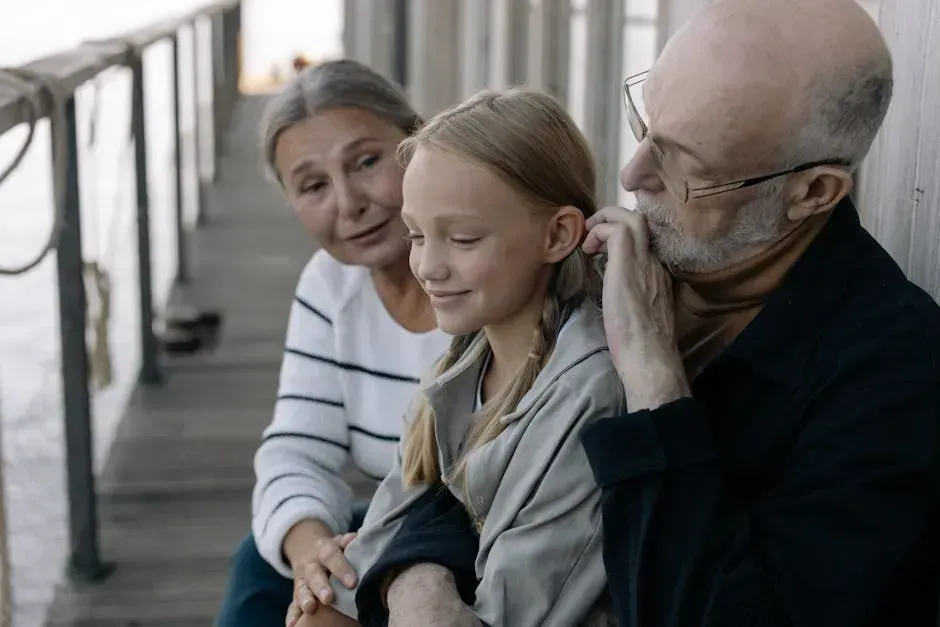
Growing up in homes with Boomers or with Boomer grandparents nearby, many young people have regularly heard phrases like “just walk it off.” While there’s a line between centering someone’s emotions and completely avoiding them, these kinds of phrases tend to trigger Gen Zers immediately.
Boomers often equate directness with honesty and toughness with maturity, having been raised in a culture where emotions were often handled privately and resilience meant not dwelling too much on feelings. Gen Z, on the other hand, tends to prioritize emotional awareness, inclusivity, and mental health literacy. To them, “walk it off” doesn’t sound like resilience advice. It sounds like being told their feelings don’t count.
7. “You Can’t Teach an Old Dog New Tricks”

There’s likely an element of real misunderstanding that comes from the Boomer phrase “you can’t teach an old dog new tricks.” When a Boomer says it about themselves, it tends to be a self-deprecating admission that they’re struggling with some new technology or process. It’s meant to be relatable, even a little humorous.
Gen Z, however, tends to receive it differently. Despite curiosity being a core value of most Baby Boomers, the pursuit of knowledge often looks different from their Gen Z counterparts, especially when it comes to new technology, AI, and modern social norms. Hearing someone declare themselves incapable of learning sounds, to a digital native, less like self-awareness and more like a choice to stop growing. They don’t quite understand opting out of learning as an acceptable position.
8. “Respect Your Elders”

The phrase “respect your elders” is rooted in the belief that age brings wisdom and deserves deference. For Gen Z, this can feel like a demand for obedience without mutual respect. They value relationships built on equality and understanding rather than hierarchy, and the phrase can create a real barrier to open dialogue between generations.
Baby Boomers may feel they’ve earned their place in the hierarchy, while Millennials and Gen Z value flat organizational structures. Neither view is fundamentally wrong. It reflects entirely different formative experiences. Still, when a Boomer drops “respect your elders” into a conversation, Gen Z often reads it as a shutdown rather than a principle, especially if they feel the respect isn’t flowing in both directions.
9. “Cool Beans”

Originating from the 1960s, “cool beans” was a whimsical way to express approval or satisfaction. Unlike the straightforward “cool” of today, this phrase adds a quirky twist that embodies the playful spirit of its era. Its agricultural flavor, though endearing to some, might leave many in Gen Z wondering how legumes got involved in expressions of approval.
It’s hard to fault anyone for taking this one literally. The phrase is genuinely puzzling on its surface. When a grandparent says “cool beans” in response to exciting news, the Gen Z grandchild isn’t always immediately sure if they’re enthusiastic, making an odd food reference, or combining two unrelated words at random. The phrase has a cult following among those who find it charmingly retro, but for the uninitiated, it still raises eyebrows.
10. “Can You Dig It?”

“Can you dig it?” was a cool way of asking if someone understood or agreed with what was being said. It implied a deeper level of comprehension or acceptance beyond mere agreement. It was a staple of 1960s and 70s vernacular, carrying a kind of laid-back enthusiasm that felt very much of its time.
The literal image of digging, as in with a shovel, is unavoidably the first thing Gen Z processes when they hear this. Boomers tend to use more traditional slang and idioms, many of which date back to the mid-20th century. Expressions like “groovy,” “far out,” and “take a rain check” might sound outdated to younger ears, and “can you dig it” sits firmly in that category. It’s more likely to prompt a confused smile than a genuine answer.
11. “What’s Your Bag?”
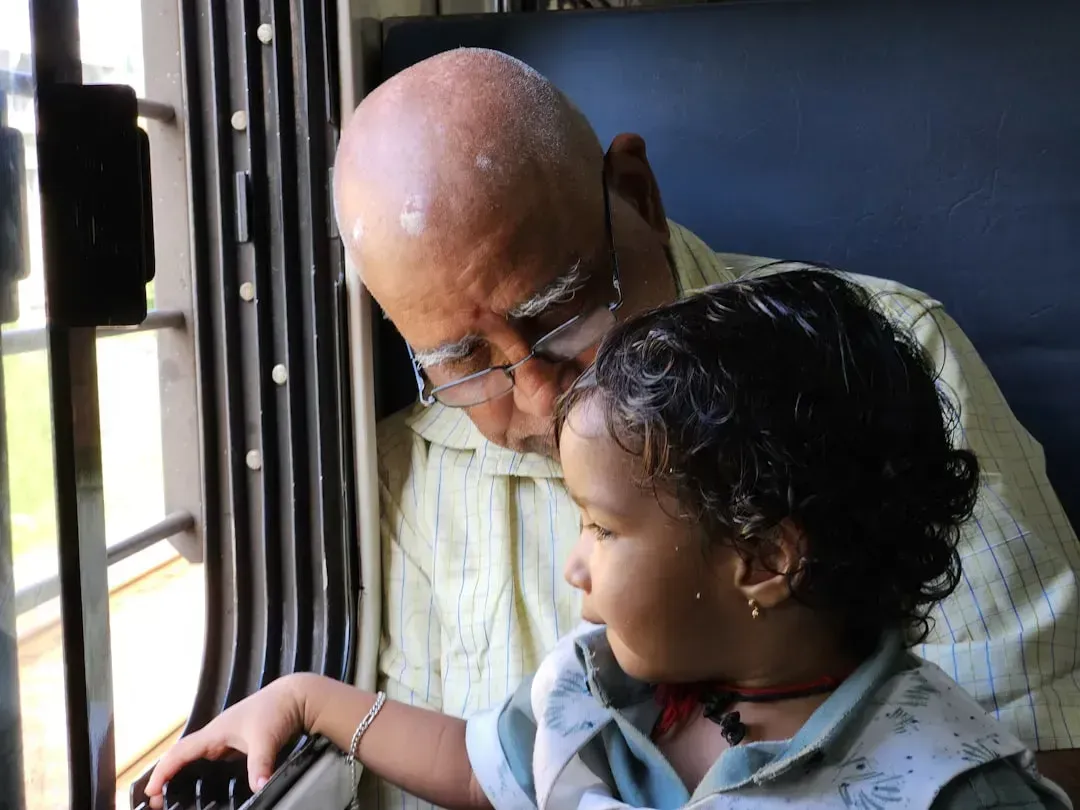
In Boomer slang, asking about someone’s “bag” was akin to inquiring about their interests, hobbies, or what they were known for. Unlike today’s “What’s your thing?” or “What are you into?”, the term “bag” in this context might conjure images of literal luggage for the uninitiated Gen Z listener rather than metaphorical personal inclinations.
The disconnect here is almost perfect in its completeness. Gen Z uses “bag” too, but in an entirely different context. To them, “securing the bag” means making money, and a “bag” is typically a financial opportunity. So when an older relative asks “what’s your bag?” intending to ask about hobbies, a Gen Z listener might hear something close to the opposite of what was intended. Same word, completely different universe.
12. “Lay It on Me”

Inviting someone to “lay it on me” was a way of asking for the truth, no matter how harsh it might be. It reflects a directness and openness to feedback that is actually quite timeless, though the phrasing might seem overly dramatic to a generation that often prefers the subtlety of “spill the tea” or simply “be honest.”
The phrase has a theatrical quality that Gen Z doesn’t quite connect with. It sounds, to their ears, like someone bracing dramatically for a blow. The underlying message is actually something Gen Z respects deeply: they want directness and transparency in communication. The informality of communication that may seem unprofessional to the Baby Boomer generation is seen as direct by Generation Z. The meaning is fine. The delivery just feels like a different era entirely.
13. “You Kids Have It Easy”

“You kids have it easy” is a statement often heard from Boomers, reflecting nostalgia for simpler times. To Gen Z, it can feel like a serious underestimation of their real struggles with technology, mental health, and social pressures. Each generation faces unique hurdles, and what seems easy to one can be incredibly complex to another.
This classic parental observation feels condescending to a generation that understands financial struggle intimately. Gen Z has watched economic crashes, pandemic shutdowns, and inflation spikes. They know money is scarce, and many work multiple gigs while attending school. When a Boomer says they have it easy, what Gen Z hears is that their actual lived experience is being dismissed without examination.
14. “Just Put Your Nose to the Grindstone”

This phrase means to work hard and focus with discipline, full stop. It comes from the image of a worker pressing their face close to a grinding wheel to concentrate on sharpening tools carefully. Boomers use it as motivational shorthand for sustained effort, the kind of work ethic they were raised to treat as a virtue.
Baby Boomers are known to be hardworking individuals with a traditional mindset, meaning they often value hierarchy, authority, and tend to take a more formal approach to their work. Gen Z, however, is more likely to pause at the image of someone pressing their nose against a grinding stone and wonder why that would be desirable. Gen Z tends to prioritize emotional awareness, inclusivity, and mental health literacy, and for them, communication is not just about efficiency but about feeling safe, seen, and respected. A phrase that glorifies physical suffering as a work metaphor doesn’t exactly inspire them.
15. “Far Out”

For Boomers, the top slang they’d most like to bring back is “far out”, a phrase that expressed amazement or strong approval throughout the 1960s and 70s. It carried a kind of cosmic enthusiasm that made almost anything sound transcendent. Earlier decades featured expressions like “far out” or “a gas,” which served similar social functions to today’s slang.
The literal reading of “far out” isn’t offensive or confusing exactly, it just means nothing. Something is far away? Okay. Far from what? Gen Z processes language through irony, internet culture, and layers of meaning baked into memes and short-form video. A phrase that simply signals enthusiasm without any of that texture tends to pass right over their heads. It’s not that they don’t understand it once explained. It just doesn’t register as a natural expression of anything they feel.
None of this means either generation is communicating wrong. These phrases serve as linguistic time capsules, encapsulating the ethos, attitudes, and cultural landscapes of the Baby Boomer generation, reminding us of the rich tapestry of language and how it evolves to reflect the changing times. The gap is real, but it’s also just what language does. It moves on, and the phrases left behind become windows into a different world rather than tools for the one we’re living in now.




Leave a Reply