
Pickling looks like a project for people with a cellar and a grandmother’s recipe box. In practice, a jar, some vinegar, salt, and a handful of vegetables will get you a batch of pickles by tomorrow. Nothing about it needs special gear.
Some vegetables are much more forgiving than others, though. A few stay crisp, take on flavor quickly, and don’t need much attention. These five are good ones to learn on.
Cucumbers, the Classic First Batch
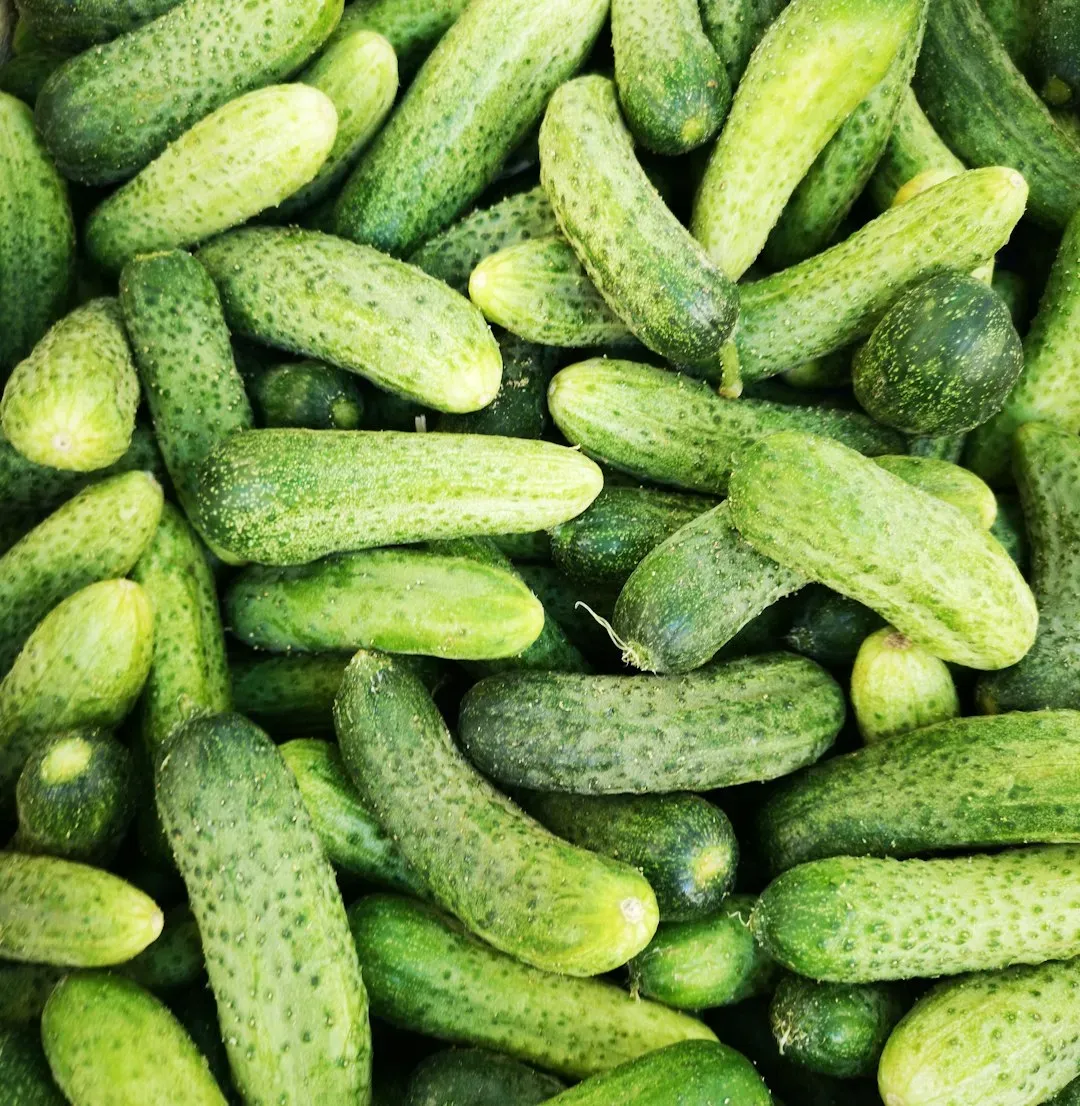
Start with pickling cucumbers, often sold as Kirby cucumbers. They’re short and bumpy, with thin skins and dense flesh, so they hold up better in brine than the big slicing type. Trim a little off the blossom end, because it contains enzymes that can turn pickles soft.
A simple refrigerator method works well for a first try. Pack the slices or spears into a clean jar with garlic and dill, then pour over a hot brine of vinegar, water, and salt. The National Center for Home Food Preservation says to use vinegar with at least five percent acidity, and that’s a good habit whether or not you plan to can. Give them a day or two in the fridge before you taste them.
Carrots for Sturdy, Sweet Crunch
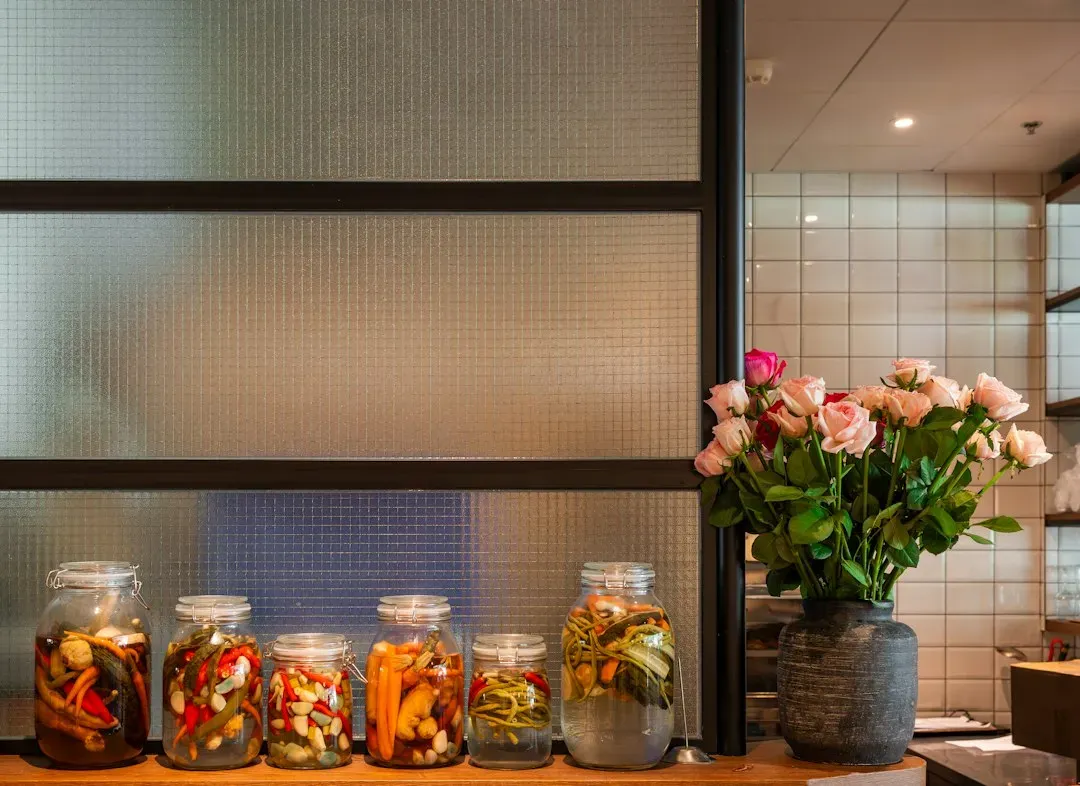
Carrots are hard to ruin. They’re dense enough to stay crunchy for weeks, and their natural sweetness balances a sharp brine. Cut them into sticks or thick coins so they fit the jar and soak up flavor evenly.
They’re also a good excuse to experiment with seasonings. Try ginger, coriander seed, or a few peppercorns, and use a little sugar in the brine if you want it rounder. Sticks are ready to eat after a couple of days in the refrigerator. Thinner shapes get there sooner.
Red Onions in an Afternoon
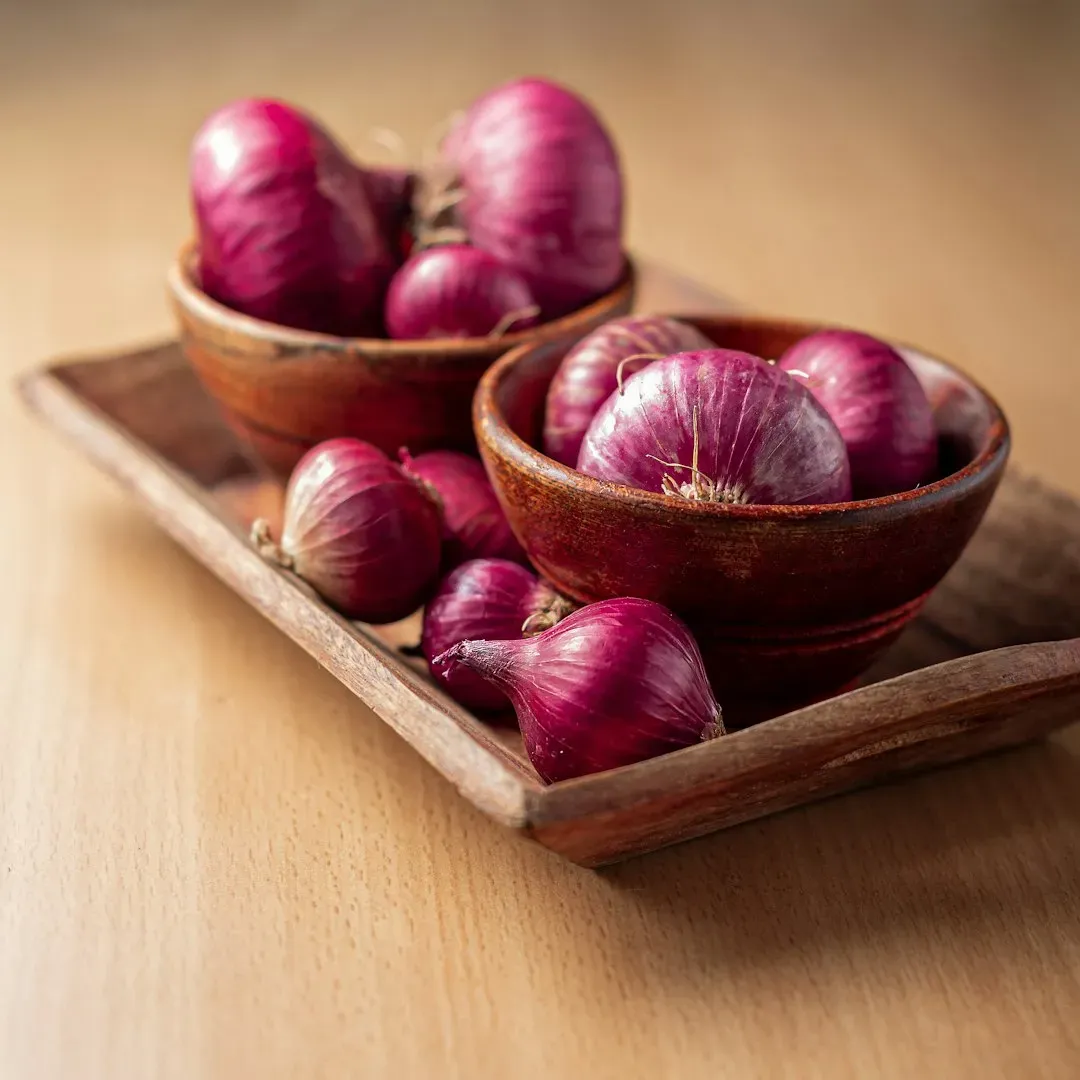
If you’re impatient, red onions are your vegetable. Slice them thin, pack them into a jar, and cover them with warm brine. They’re usually tasty within an hour, and they turn a bright pink as they sit.
They’re mostly a topping rather than a snack. You can pile them on tacos, grain bowls, sandwiches, or grilled meats to add acidity and a bit of color. Keep the jar in the refrigerator and plan to eat it within a few weeks, since the texture softens over time.
Radishes for a Fast, Peppery Payoff
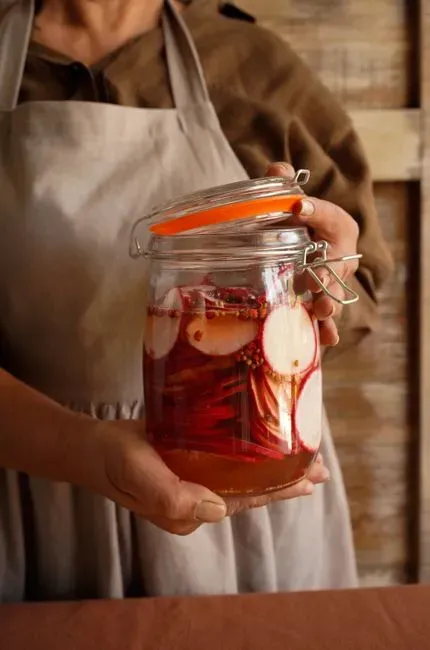
Radishes mellow nicely in brine. The sharp bite fades, and the flavor stays a little peppery while the color spreads into the liquid. Thin rounds pickle faster than halves or quarters, so slice to suit your schedule.
Because they’re small and cheap, radishes are useful for practicing. You can try a new spice mix without wasting much money if it doesn’t work out. They tend to be at their best within the first week or two of refrigeration, before they lose their snap.
Green Beans, Also Known as Dilly Beans
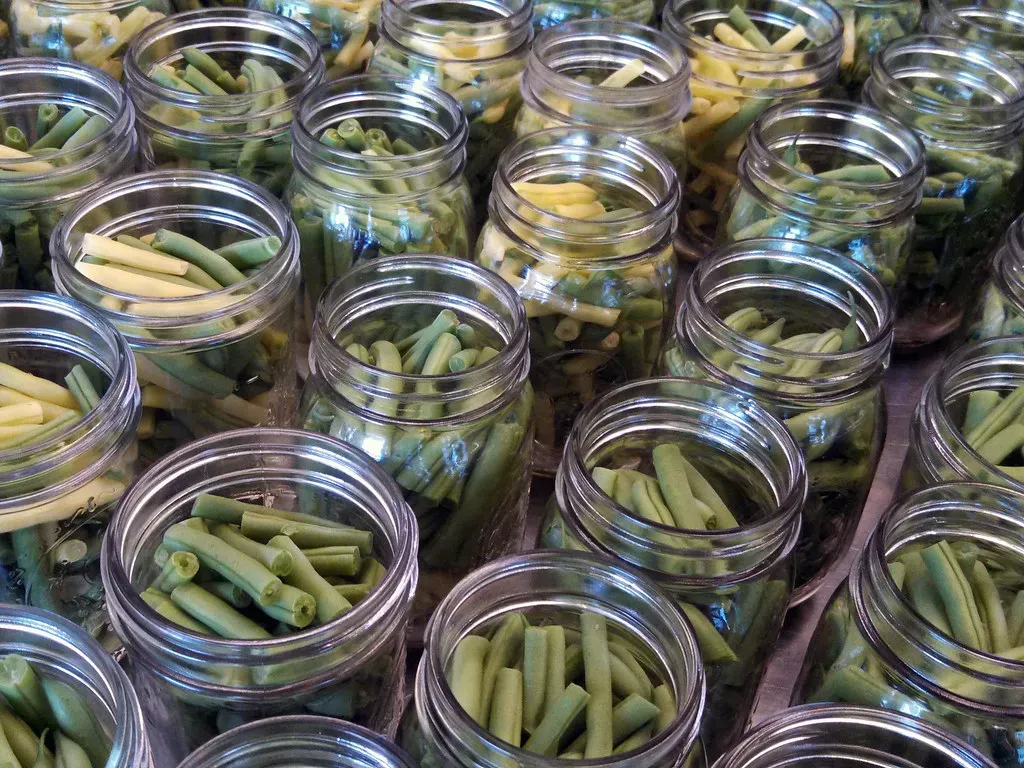
Green beans pickle well because they’re firm and slim, and they fit a jar neatly. Choose fresh, slender beans and trim the stem ends. Add garlic, dill seed, and a pinch of red pepper flakes if you like some heat.
Beans are also a good place to learn the difference between refrigerator pickles and shelf stable ones. Refrigerator pickles are the easy route. If you want jars that sit in the pantry, follow a tested recipe from a source such as the National Center for Home Food Preservation and process them in a boiling water bath. Changing the vinegar ratio in a canned recipe can make it unsafe.
Where to Begin
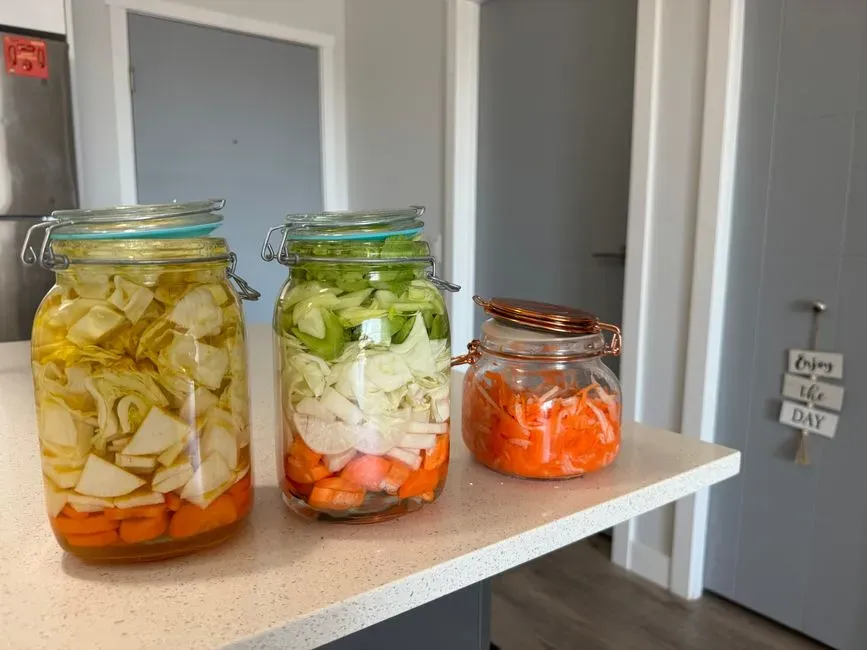
Pick one vegetable from this list and make a small jar with a basic brine. Use clean jars, vinegar of at least five percent acidity, and salt without additives, such as pickling or kosher salt. Store the jar in the refrigerator and taste it after a day or two.




Leave a Reply