
Anyone who spends years walking groups through airports, hotel lobbies and crowded landmarks starts to notice a pattern. The things travelers pay extra for are often not the things that make a trip memorable. Some upgrades are sold with a lot of confidence and deliver very little.
This isn’t an argument for traveling cheap or never treating yourself. It’s a look at seven common add-ons where the price tends to outrun the payoff, and at what usually works better. Your own priorities still matter, so treat these as starting points, not rules.
Business Class on Short Flights

On a flight of an hour or two, a premium cabin mostly buys you a wider seat and a snack. You board, you land, and the difference barely registers. The fare gap on short routes can still be large, especially on busy corridors.
The money usually goes further elsewhere. Spending it on a better hotel location or a memorable meal at your destination tends to stay with you longer. Premium cabins make far more sense on overnight long haul flights, where sleep is the actual goal.
Paid Seat Selection for Every Flight
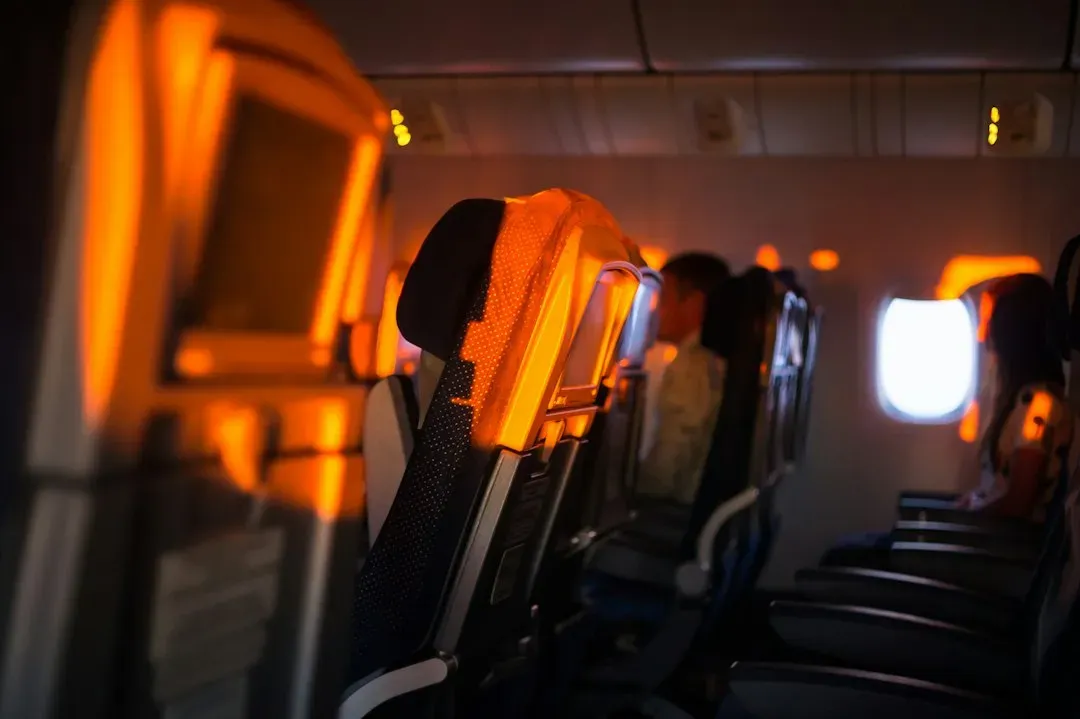
Many airlines now charge extra for choosing a seat, particularly on basic economy fares. It’s tempting to pay each time, especially when the seat map looks nearly full. Still, plenty of travelers pay for a seat they would have been assigned for free anyway.
Check in as early as the airline allows, and look at the seat map again closer to departure, since free seats often open up. If you’re traveling with children, the situation is different, and many airlines try to seat families together. For a solo traveler on a short hop, the fee rarely changes the experience.
Airport Lounge Access for Short Layovers

A lounge can be wonderful during a long delay, with a quiet corner, a meal and reliable power outlets. On a layover of an hour or so, though, you’ll spend most of it walking to the gate. Day passes can cost a noticeable amount, and the food is not always better than what the terminal offers.
Before buying a pass, check whether your credit card or airline status already includes access. Lounge crowding has also become a common complaint at popular airports. If you have a long wait, a quiet gate area and a decent meal may do the job just fine.
Private Tours of Famous Landmarks

Private guides are lovely for specific interests, mobility needs or families with unusual schedules. For a famous site that thousands of people visit daily, though, the extra cost often buys convenience you can get for less. Small group tours usually cover the same highlights, with a guide who knows the history.
A good rule is to go private only when you want to customize the pace or the subject. If you simply want the main story of a cathedral or ruin, a shared tour works well. Reading a little beforehand also makes any visit richer.
Skip the Line Tickets Bought at the Last Minute
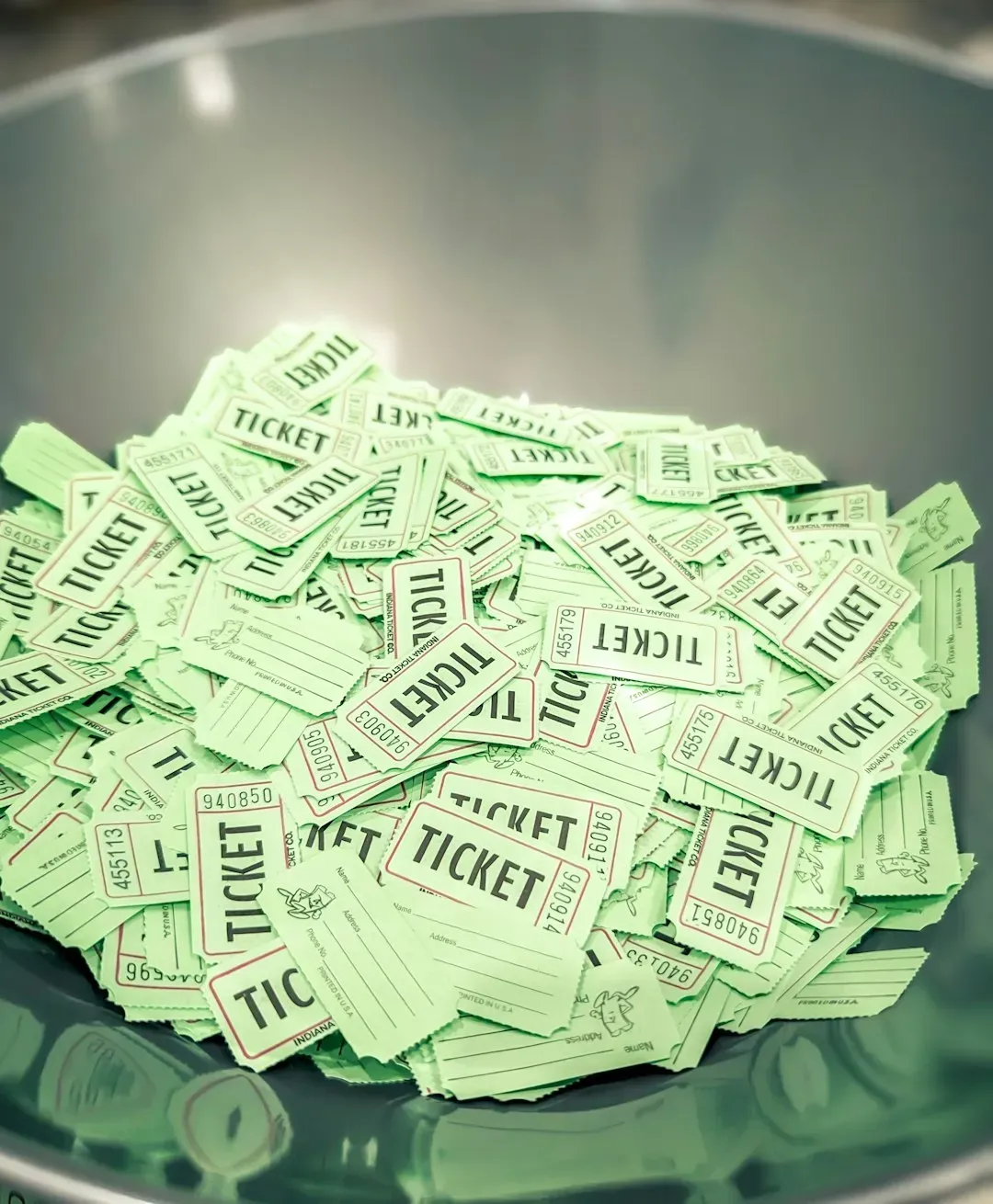
Skip the line passes can be a real time saver at places with long entrance queues. The trouble is when they’re bought from resellers at a large markup, sometimes for sites where lines move quickly or timed tickets are cheap. Official websites often sell timed entry at face value.
Always check the attraction’s own site first. Arriving early in the morning or late in the day can also shorten waits a great deal. Reserve the premium versions for places where crowds are truly unavoidable.
Paying More for a Room With a View

A view upgrade can look irresistible in a booking engine. In practice, most travelers are out exploring from morning until evening, and the room is mainly for sleeping. The nightly difference can add up quickly on a longer stay.
If a view matters to you, consider paying for it on a single special night. Otherwise, location and noise levels usually affect your comfort more than what’s outside the window. A quiet room near public transport is often the better buy.
Rental Car Extras and Add Ons
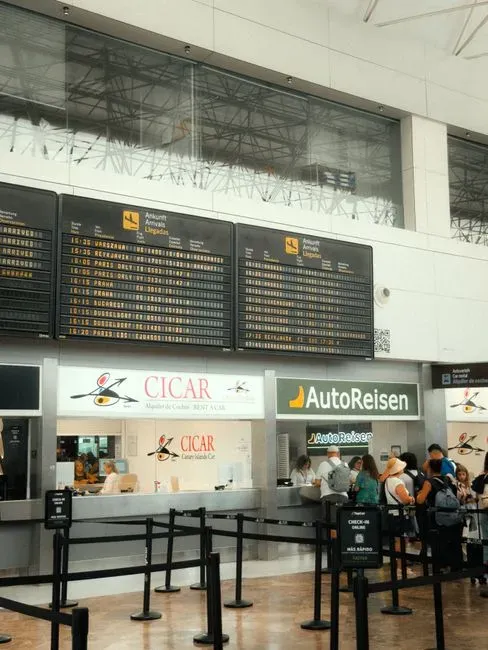
Counter staff at rental desks often offer extras like GPS units, prepaid fuel plans and extra coverage. Your phone handles navigation well in most places, and a prepaid fuel plan rarely saves money unless you return the tank nearly empty. Before you agree to extra insurance, it’s worth finding out what your own policy or credit card already covers.
Coverage rules vary by country and card, so confirm the details before you travel instead of deciding at the counter. A quick call or a look at your card’s benefits guide can prevent paying twice. Take photos of the car before driving away, which costs nothing and protects you.
Final Thoughts

The upgrades that disappoint tend to be the ones sold on fear of missing out. The ones worth paying for are those that fix a real problem, like exhaustion, mobility limits or a tight schedule. Ask what the extra money actually changes, and the choice usually becomes clear.




Leave a Reply