
Walk into any steakhouse and the menu feels like a set of safe choices. Big cuts, creamy sides, a wedge of something cold and crisp. Yet after years of working around professional kitchens, you start to see which plates are made with care and which ones are simply there to fill out the page.
The difference usually comes down to technique, turnover and how much a dish relies on the kitchen’s strengths. A steakhouse is built around fire, a very hot broiler and aging meat, so the best orders lean into those things. Here’s how a cook tends to read the menu, with five dishes worth ordering and three worth skipping.
Order: A Bone-In Ribeye
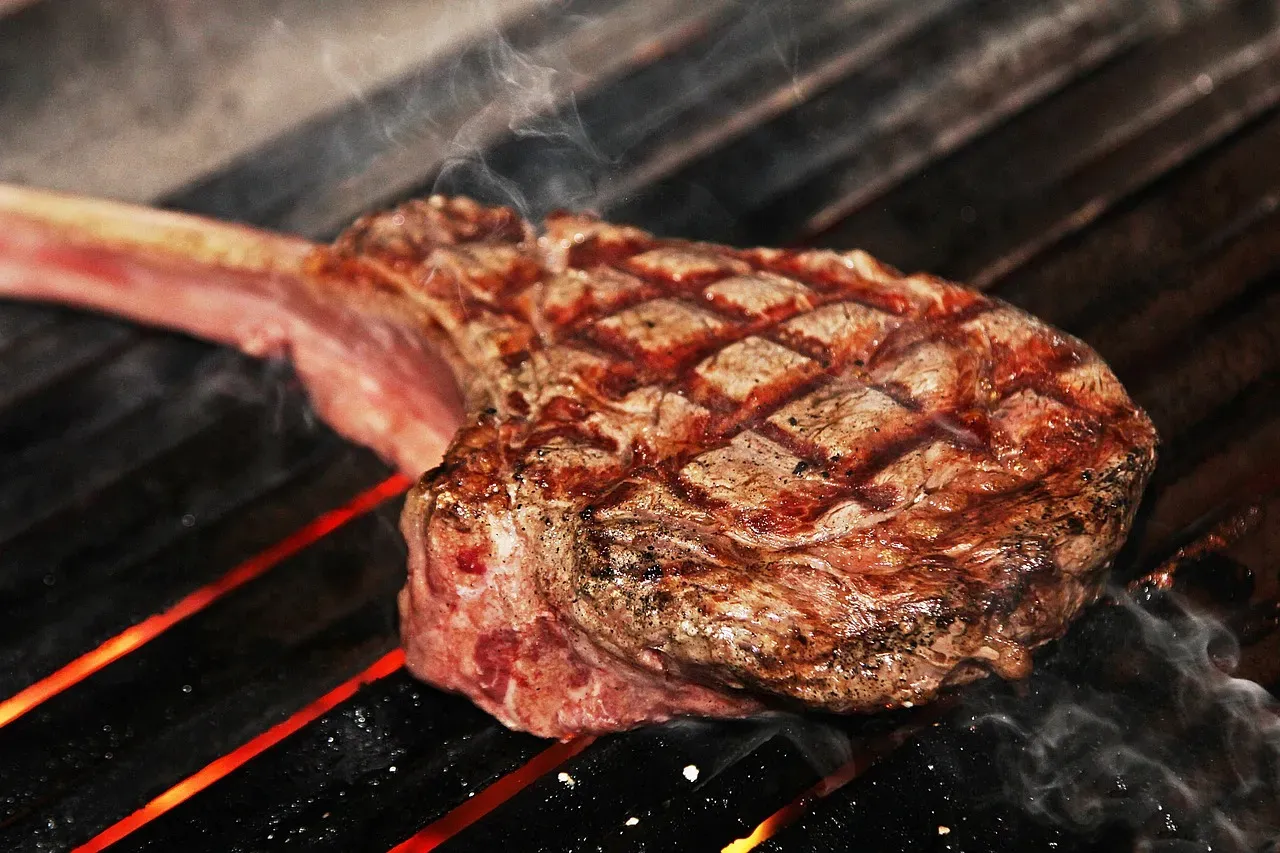
A bone-in ribeye is the cut most chefs point to when they eat out. It has generous marbling, which keeps the meat juicy and forgiving under high heat. The bone also slows cooking near the edge, which helps the meat stay tender.
Fat is what carries flavor here, so a well-marbled steak needs little more than salt and a hot surface. The USDA grades beef as Prime, Choice and Select, largely by marbling, and Prime has the most. If the menu tells you the grade, that’s a useful signal about what you’re paying for.
Order: The Dry-Aged Steak, If It’s Done In House
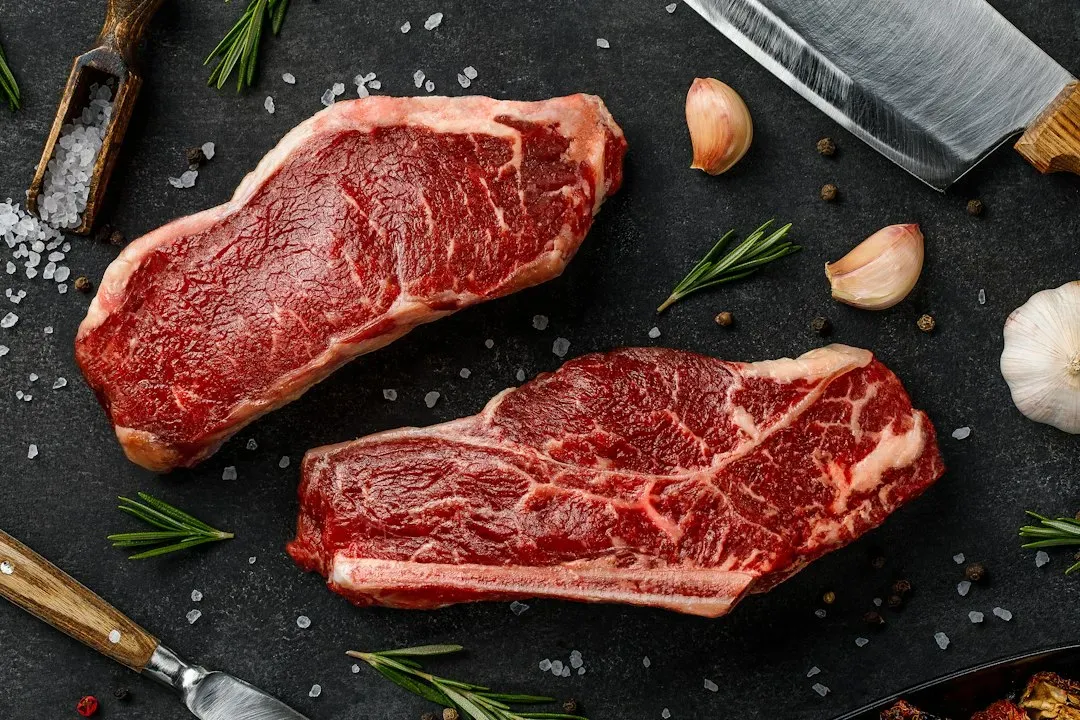
Dry aging concentrates flavor as moisture evaporates and natural enzymes break down the muscle. The result tastes deeper, almost nutty, and the texture becomes more tender. It’s a slow, costly process because the meat loses weight and the outer surface has to be trimmed away.
That cost is why it’s worth asking whether the steakhouse ages its beef on site. A restaurant that has invested in an aging room generally cares about the product. If the server can’t tell you how many days the steak has aged, a standard cut may be the better value.
Order: A Simple Filet, Cooked Medium Rare
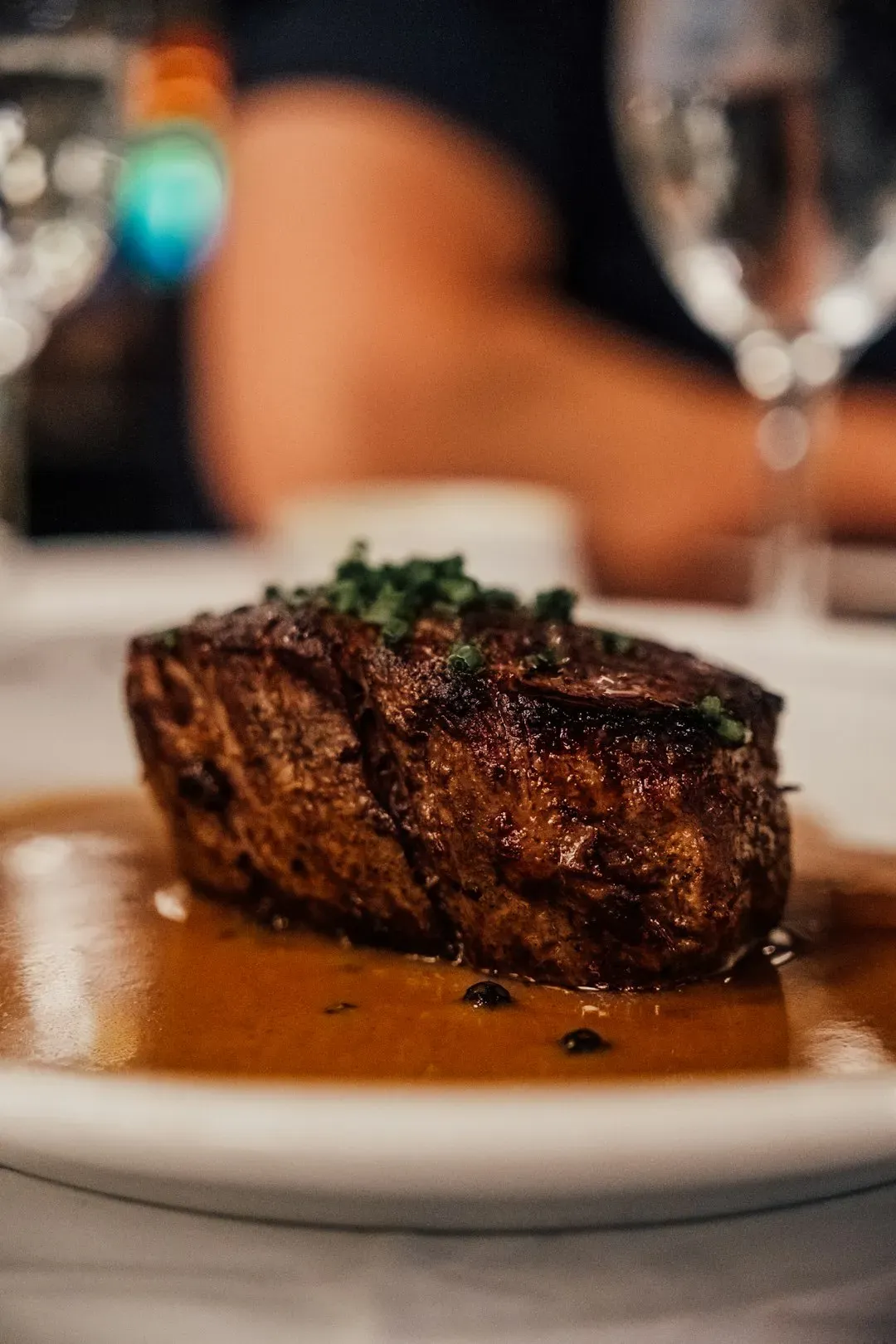
Filet mignon gets teased for being mild, and that’s fair. It’s lean, which means less fat to carry flavor, but it’s also the most tender cut on the menu. Chefs often order it when they want a clean, buttery bite without chewing much.
Because it’s lean, it benefits from a good sear and a sauce or a pat of butter on top. Medium rare is the safe call, since a lean cut dries out quickly when pushed further. The USDA recommends cooking whole cuts of beef to an internal temperature of 145°F, followed by a short rest, and many guests choose to go a bit lower at their own discretion.
Order: Roasted or Creamed Spinach Done Properly
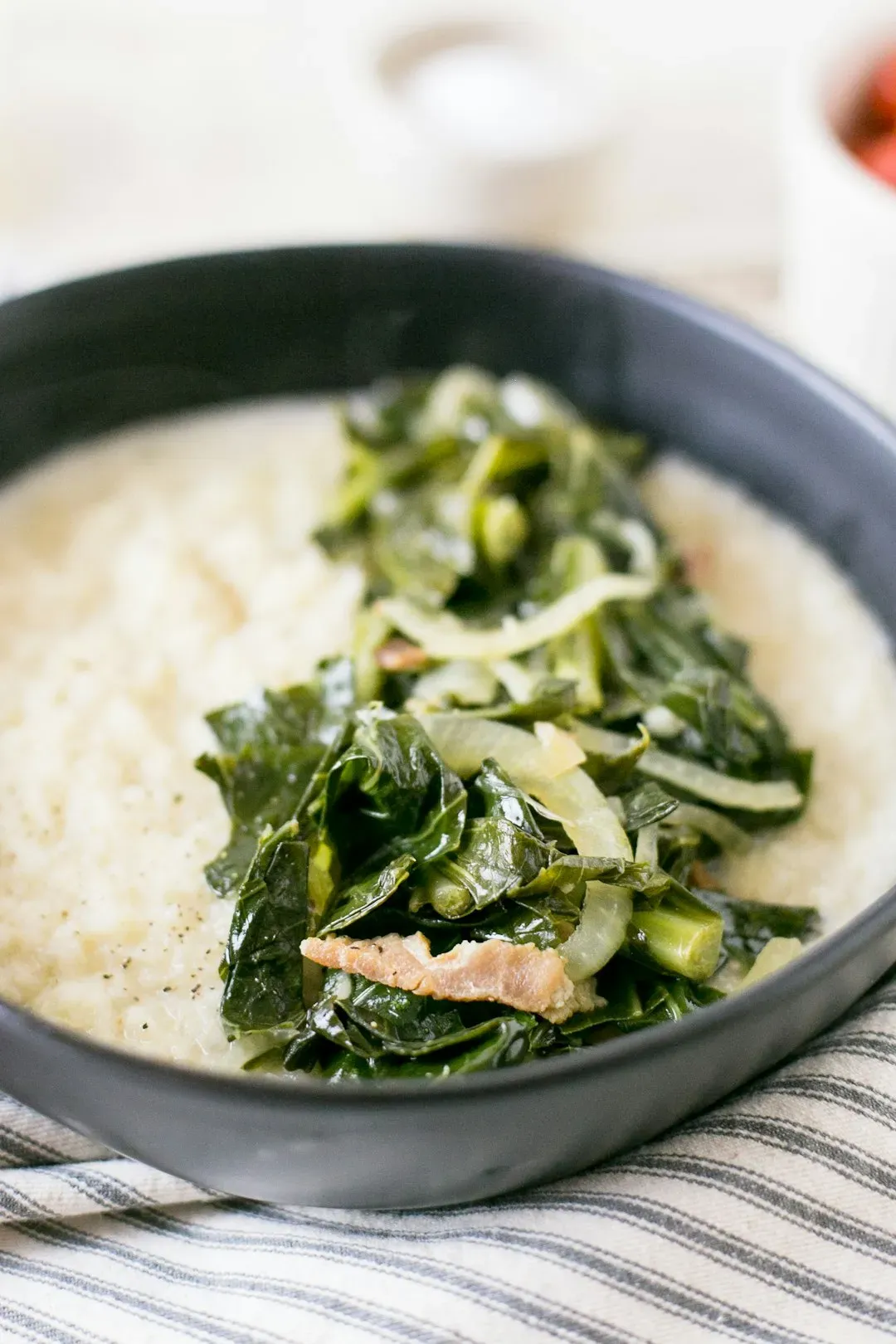
Classic steakhouse sides are rich on purpose, and creamed spinach is a good test of a kitchen. Done well, it’s silky, seasoned with nutmeg or garlic, and not watery. Done poorly, it tastes like it came out of a bag.
Chefs like it because it balances a heavy plate of beef with something green. If the menu offers sautéed or roasted vegetables as an alternative, that’s also a good sign. Either way, a vegetable side lets the steak stay the star without leaving the table feeling weighed down.
Order: A Baked Potato Or Pommes Purée
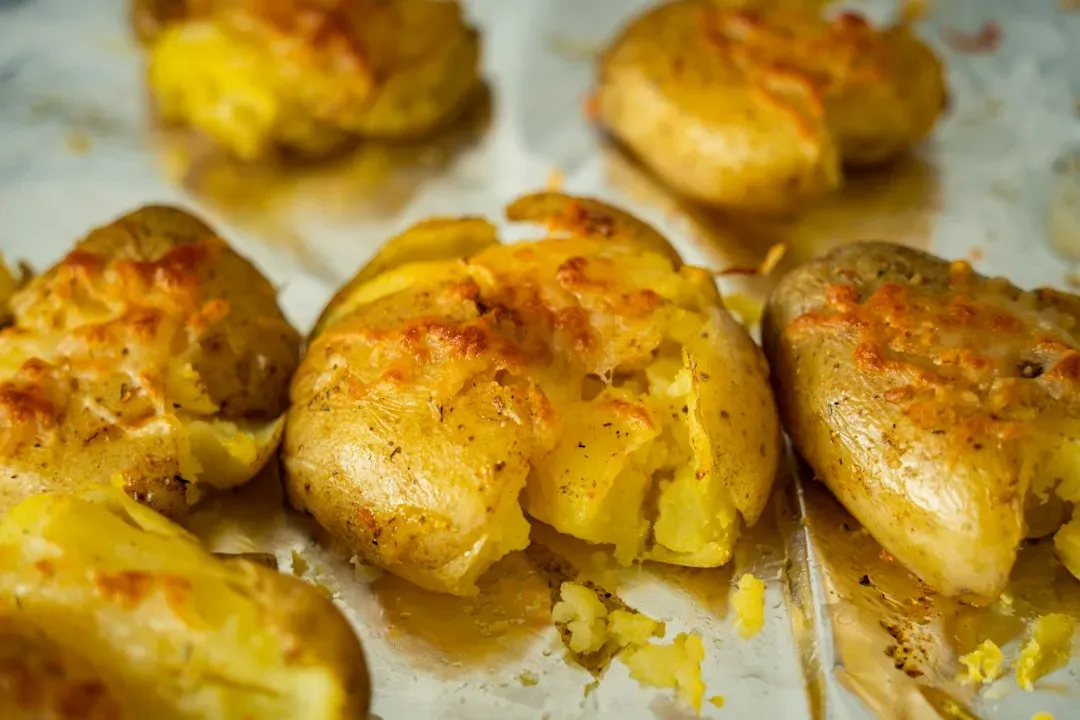
Potatoes are one of the most reliable things a steakhouse does. A baked potato is simple, cooked in volume, and it holds well on a busy night. Pommes purée, the silky French style of mashed potato, shows off technique, since it takes plenty of butter and careful straining.
Both work because they soak up the steak’s juices and any sauce. They’re also cheap to make, so the kitchen has little reason to cut corners. When a classic is done right, it tends to be the most satisfying part of the plate.
Avoid: The Well Done Steak
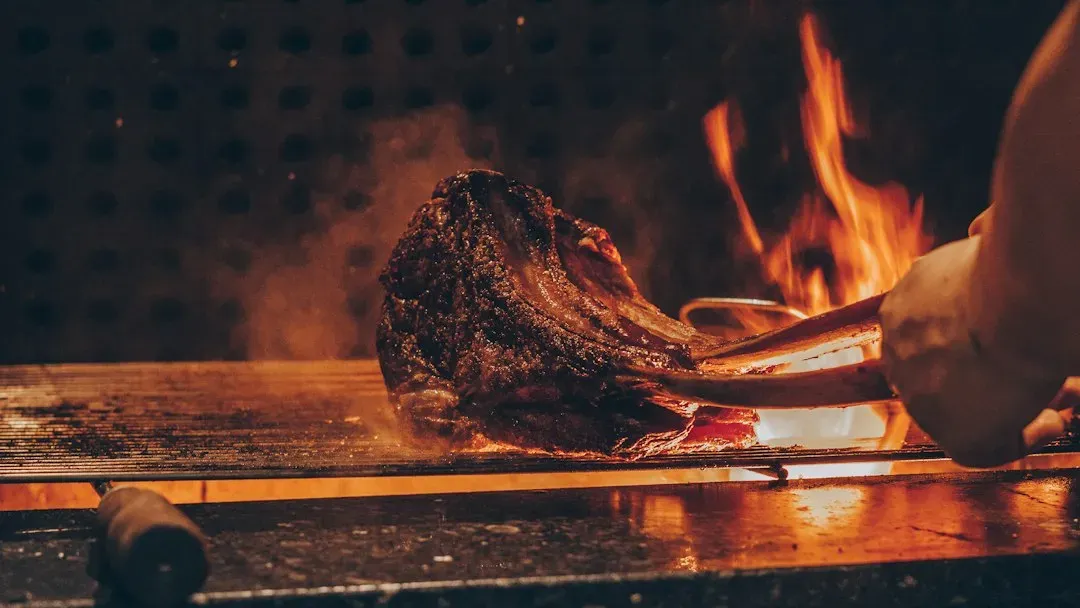
This one’s less about the menu and more about how it’s ordered. Cooking a steak well done pushes out most of its moisture, which is why it so often turns tough and gray. Kitchens also tend to use their least expensive cuts for this request, because the meat’s quality is hard to notice.
If you prefer your beef thoroughly cooked, a cut with more fat, like a ribeye, is more forgiving than a lean filet. Another option is to try medium and see how it feels. Many chefs will quietly tell you the best steak is one that still has some pink in the middle.
Avoid: Shrimp Cocktail
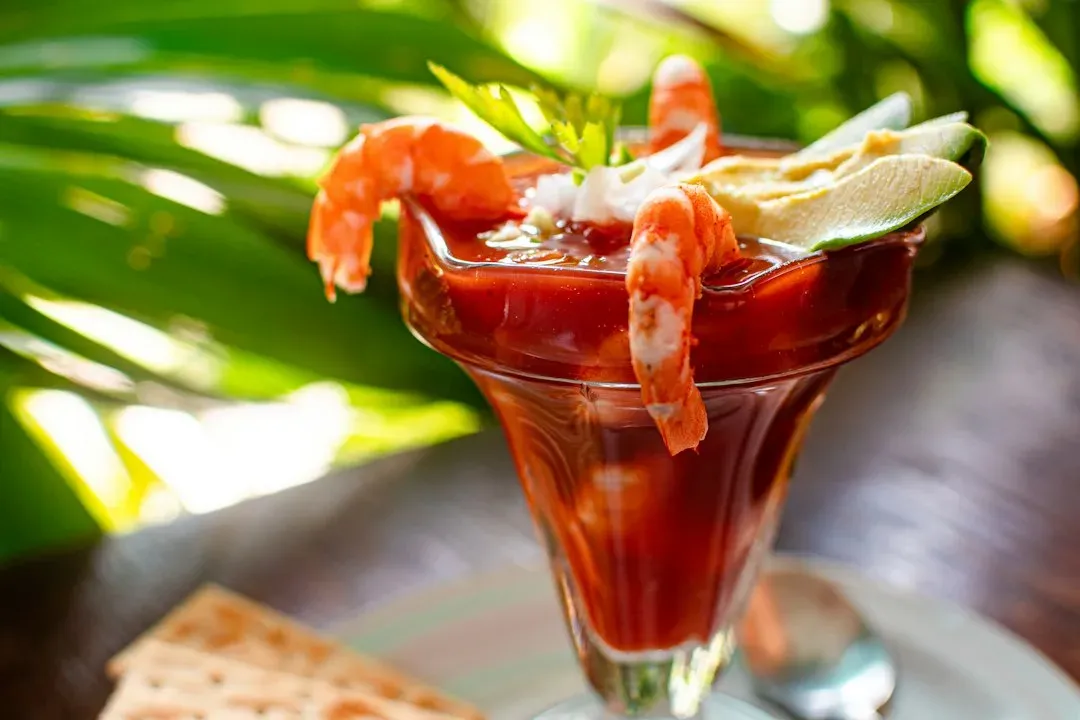
It’s a steakhouse icon, and it’s rarely exciting. The shrimp are typically frozen, boiled in advance and chilled, which means the kitchen has little chance to show any skill. Cooked shrimp can also turn rubbery quickly, and you often pay a premium for a handful of them.
The sauce is usually the most flavorful part, and it’s not hard to make. If you want a seafood starter, look for something cooked to order, like seared scallops or fresh oysters. Those dishes depend on freshness, so they’re easier to judge.
Avoid: The Wedge Salad Or Caesar With Heavy Dressing
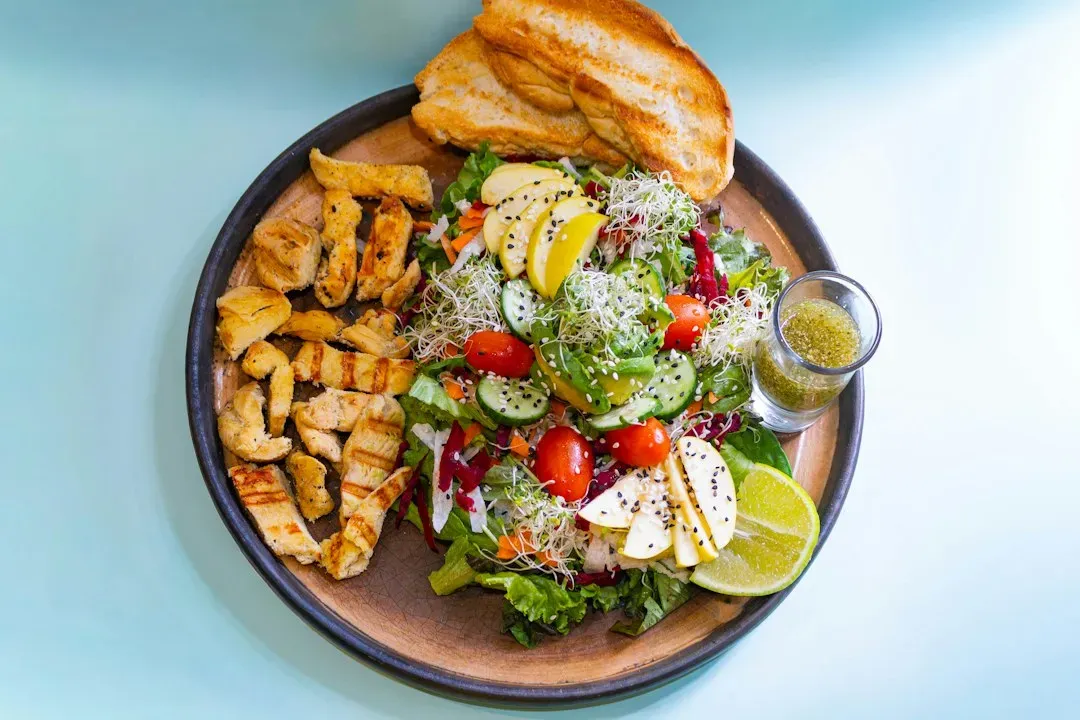
The wedge salad is a quick way to fill up before the main event. A big chunk of iceberg, bacon and blue cheese dressing is satisfying for a minute, but it’s mostly cold lettuce and cream. Caesar salads can fall into the same trap when the dressing is bottled or overly thick.
Both can be good when made fresh, yet they’re also easy to phone in. Heavy starters can dull your appetite for a steak that costs far more. A lighter option, such as tomatoes with olive oil or a simple green salad, leaves room for the cut you came for.




Leave a Reply