
The customer who starts slurring mid-sentence
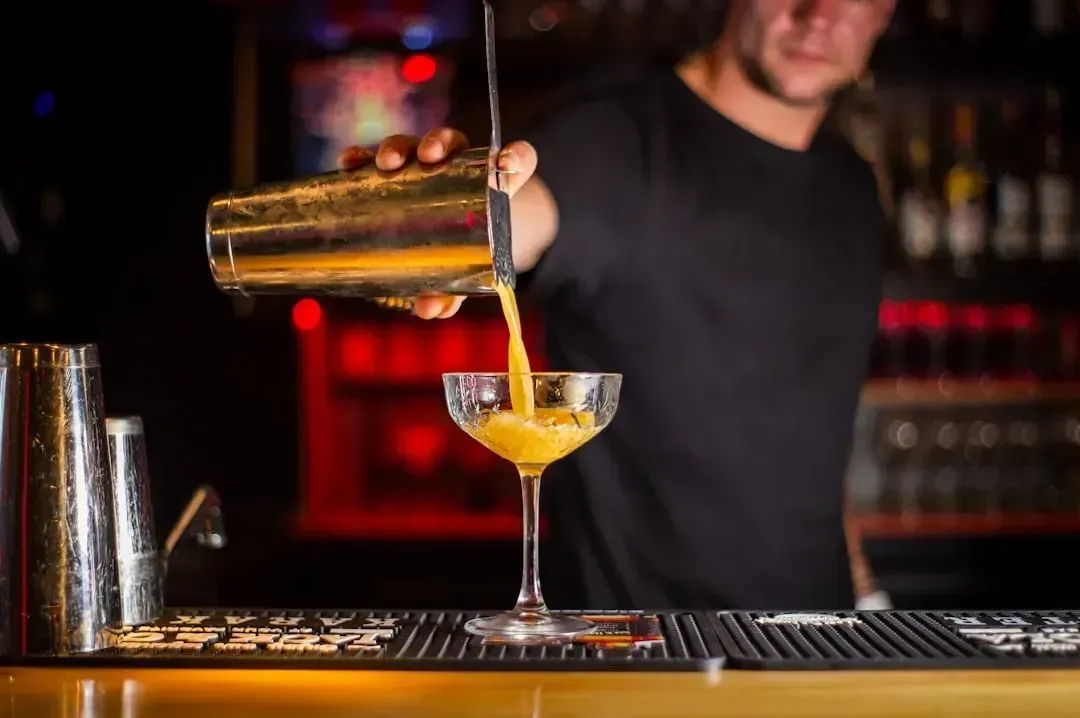
Slurred speech is one of the first and most obvious signals bartenders are trained to catch, and it has nothing to do with judgment and everything to do with liability. Most states require servers to recognize visible signs of intoxication, and slurred words are near the top of every responsible beverage service training manual. Once a bartender hears it, the countdown to a cutoff usually starts within minutes.
This applies just as much to the person who tips generously every week as it does to a first-time visitor. Regulars sometimes assume their history at the bar buys them extra rounds, but experienced staff know that familiarity does not cancel out legal risk. A slurred order is treated the same no matter whose name is on the loyalty punch card.
The one who can’t walk a straight line

Balance issues are another dead giveaway that someone has crossed from buzzed into impaired. Stumbling toward the restroom, swaying at the bar top, or needing to grip the counter to stand are all physical cues that training programs specifically flag. Bartenders are taught to watch posture and movement almost as closely as they watch how fast a drink disappears.
Unsteady customers also present a practical problem beyond the legal one: a fall inside the venue can turn into an injury claim. Staff often use a soft excuse, like offering to call a rideshare, rather than announcing the cutoff outright. It keeps the interaction low-key while still ending the night’s drinking.
The guest who gets combative or aggressive
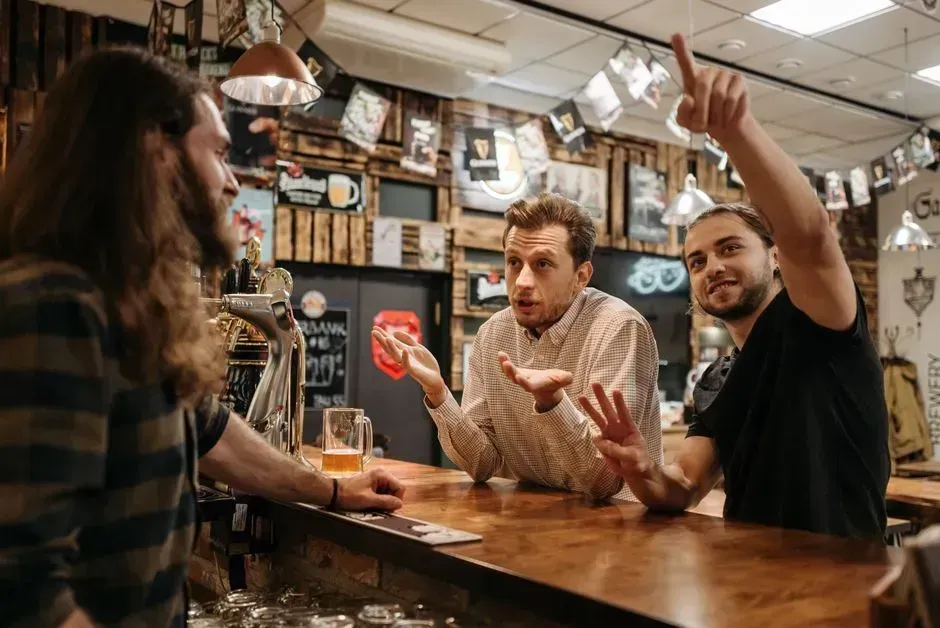
A sudden shift in mood, especially toward hostility, is one of the fastest ways to lose bar privileges for the night. Alcohol lowers inhibitions, and for some drinkers that means raised voices, sharp comments, or aggressive posturing toward staff or other patrons. Bartenders are trained to de-escalate first, but repeated aggression almost always results in service being stopped.
This cutoff tends to happen quickly because the safety of other customers is at stake. Bar staff commonly compare notes with security or management the moment tension rises, and once a decision is made, it is rarely reversed for the rest of the night. A regular with a short fuse when drinking will eventually get flagged just as fast as a stranger.
The person ordering doubles back to back
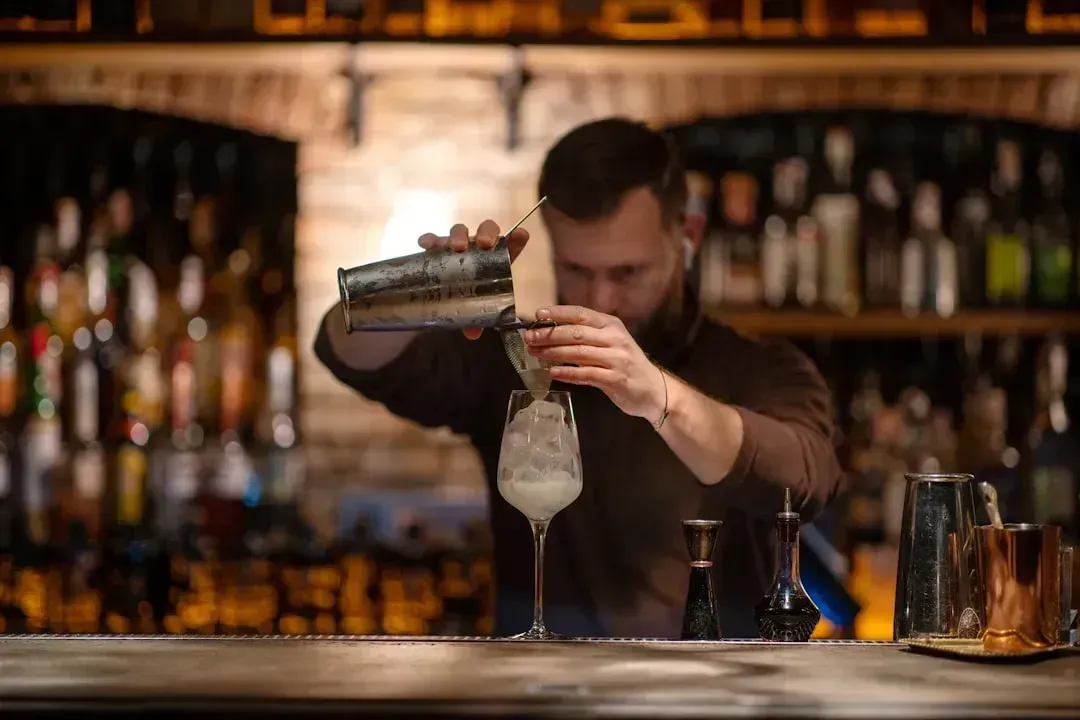
Pacing matters more than most drinkers realize. Someone ordering double shots or doubled cocktails in rapid succession raises a flag long before visible impairment even sets in, because bartenders are trained to track consumption rate, not just total drinks. A person who orders three doubles in thirty minutes is functionally drinking six standard drinks in that window.
Many bartenders will start slowing service before a customer even seems drunk, simply because the math doesn’t work out safely. This might look like a longer wait between orders or a suggestion to switch to a single pour. It is a preventive move rather than a reactive one, and it often catches fast drinkers off guard.
The regular who tries to run a tab too long
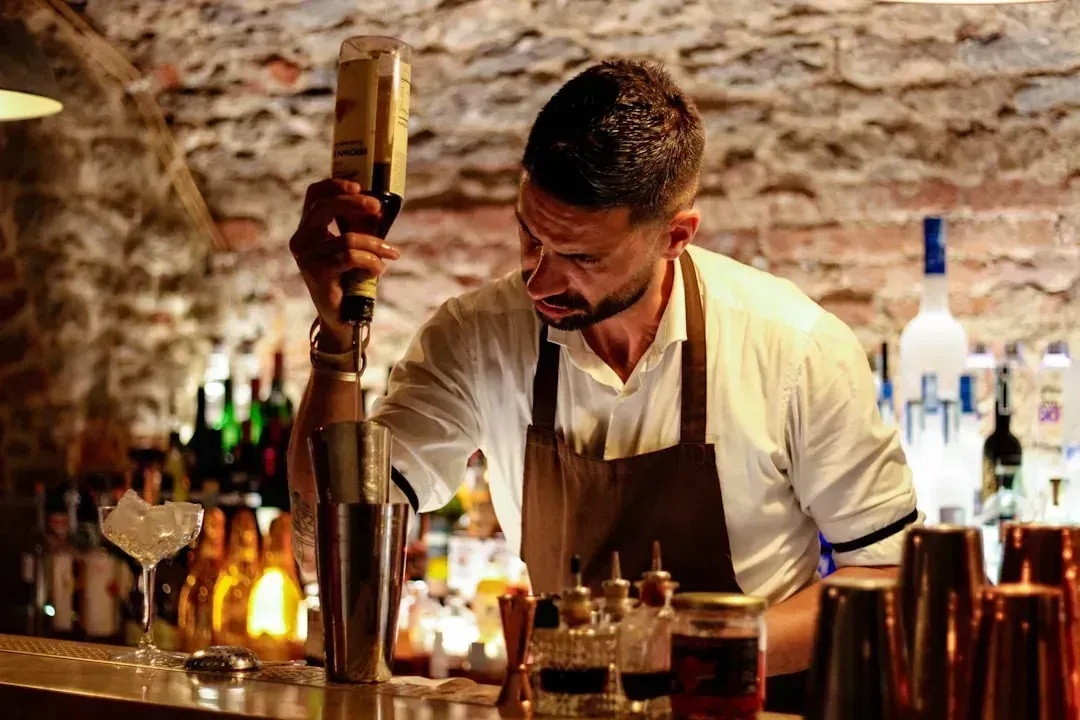
Loyalty does not equal an open bar, and most venues have informal caps on how long a tab can run before management steps in. Extended tabs can mask just how much a person has actually consumed over several hours, especially if drinks are ordered in a steady, unremarkable trickle. Bartenders often do a mental tally that guests themselves have lost track of.
When a long-running regular hits that internal threshold, the bartender may simply say the kitchen or bar is closing out tabs for the night, even if it isn’t strictly true. It is a soft, face-saving way to end service without a confrontation. Familiarity actually makes this harder, since regulars sometimes push back more than strangers would.
The customer showing signs of drink spiking distress
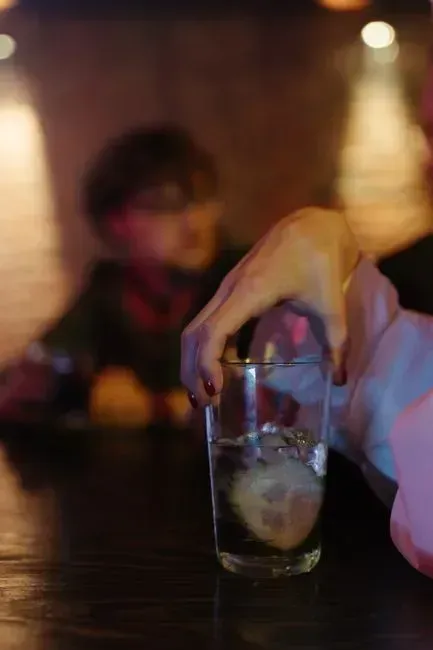
Bartenders are increasingly trained to spot signs that a customer may have had their drink tampered with, which is treated as a safety emergency rather than a typical overservice situation. Sudden disorientation, confusion that doesn’t match their earlier behavior, or a rapid physical decline after a single drink can all trigger immediate action. In these cases, service to that guest is cut off instantly and staff often intervene directly to check on their wellbeing.
This is one of the few cutoffs where the goal isn’t to stop drinking but to protect the person from a possible medical or safety threat. Many bars now have specific protocols, including calling a manager or offering to contact someone the guest trusts. It’s a scenario staff take seriously because the stakes go well beyond a bad hangover.
The guest who mixes substances and doesn’t disclose it
Bartenders can’t always tell if someone has taken medication or other substances before arriving, but certain behavioral patterns tip them off. Extreme drowsiness after just one drink, disproportionate impairment relative to what they’ve ordered, or confusion about time and place can all suggest something beyond alcohol is at play. When that happens, continued service becomes a serious liability concern.
Staff are trained to treat these situations cautiously rather than accusingly, since guessing wrong could embarrass a sober customer. Still, when the signs add up, the safest move is to stop pouring and monitor the person closely. It is one of the trickier judgment calls bartenders make, and it leans heavily on experience rather than a strict checklist.
The person who becomes visibly emotional or distressed

Crying, sudden sadness, or an emotional spiral at the bar is a softer but still real reason bartenders may quietly stop service. Alcohol is a depressant, and for some people, continued drinking amplifies emotional distress rather than easing it. A bartender noticing a guest unravel emotionally will often slow the pace of drinks, redirect the conversation, or offer water instead.
This isn’t always framed as an outright cutoff, but functionally it works the same way. Many bartenders see this role as part counselor, and know that continuing to serve someone in visible emotional crisis rarely ends well for anyone in the room. Regulars going through a hard stretch sometimes get this treatment more than newcomers, simply because staff know their baseline behavior and can spot the shift.

Leave a Reply